

 Download PDF
Market Overview
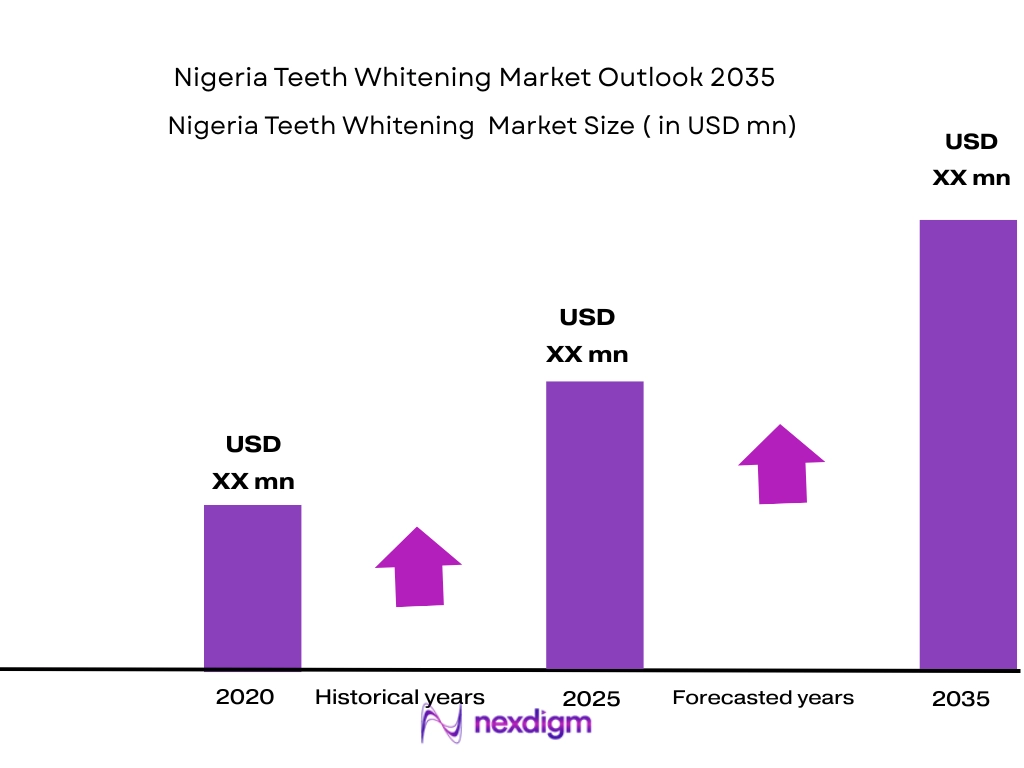
The Nigeria Teeth Whitening market is valued at USD ~ million in 2024, based on an evaluation of Nigeria’s regional share within the global teeth whitening products industry, which is valued at approximately USD 7.9 billion in 2024. This valuation is supported by market sizing frameworks that aggregate retail sales of over‑the‑counter products, professional dental whitening services, and emerging e‑commerce channel revenues. Growth in the market is driven by expanding consumer demand for aesthetic dental products, increasing urban disposable income, and greater availability of whitening formulations across retail pharmacies and online platforms.
Major Nigerian cities such as Lagos, Abuja, and Port Harcourt dominate the teeth whitening market due to higher concentrations of dental clinics, cosmetic dentistry centres, and affluent consumer bases. These cities benefit from better healthcare infrastructure, advanced retail distribution networks, and more sophisticated consumer awareness of cosmetic oral care. Increased penetration of digital marketing and social media influence in these urban hubs also accelerates adoption of at‑home whitening products and professional services over less urbanised regions.
Market Segmentation
By product type
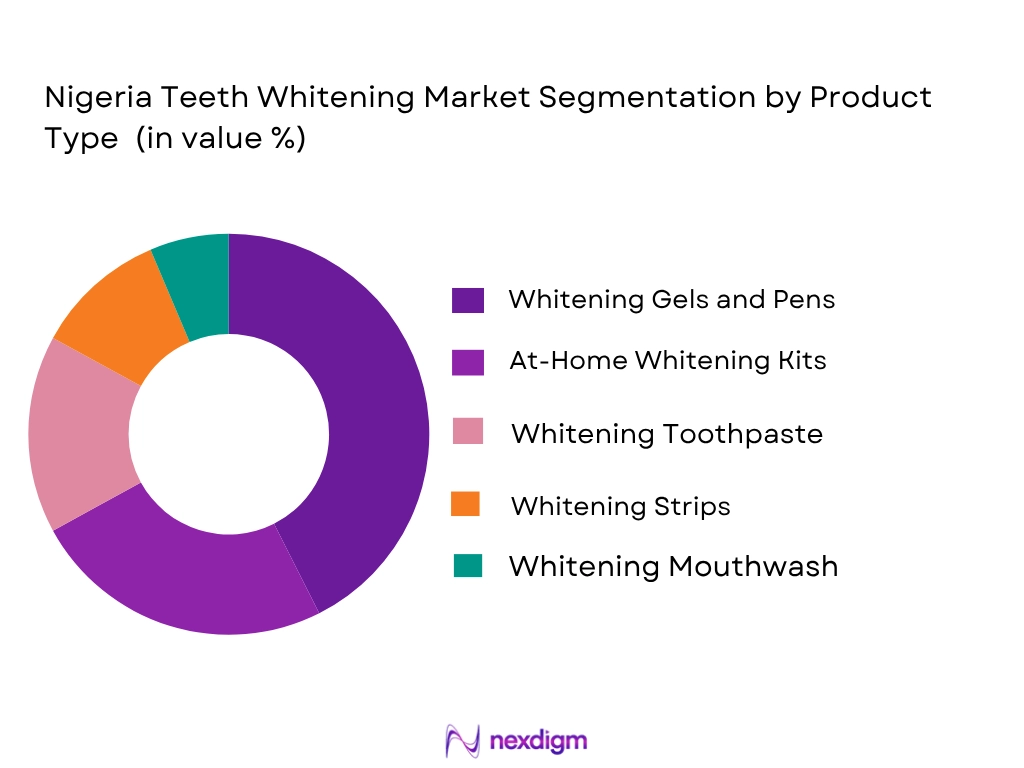
The Nigeria Teeth Whitening market is segmented into whitening toothpaste, whitening gels & strips, and professional in‑clinic treatments. Whitening toothpaste currently has the dominant market share in Nigeria due to its broad commercial availability across pharmacies, supermarkets, and general retail outlets. Urban consumers often prefer these products as the first choice for aesthetic oral care because they combine daily dental hygiene with cosmetic benefits at affordable price points. Major toothpaste brands have embedded whitening variants within their core portfolio, which enhances consumer trial rates and repeat purchases.Whitening gels & strips also hold significant presence due to growing consumer preference for more visibly effective at‑home treatments without requiring dental clinic visits. Online marketplaces and digital campaigns have improved consumer access to gels and strips, making them popular among younger demographics. Professional in‑clinic treatments, while offering the most noticeable results, account for a smaller share because of higher costs and limited access to advanced dental facilities outside metropolitan centres.
By distribution channel
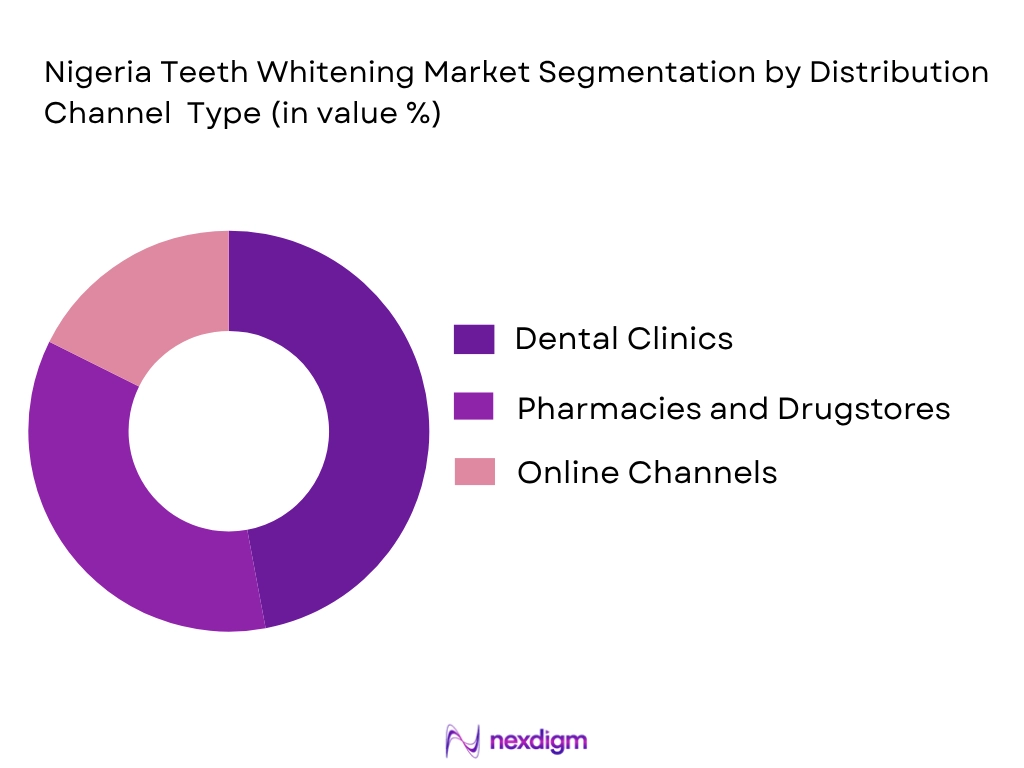
The Nigeria Teeth Whitening market is segmented into pharmacy & drugstores, online/e‑commerce, retail chains (supermarkets), and dental clinics/professional services. Pharmacy and drugstores are the leading distribution channel because consumers trust these outlets for legitimate oral care products that are perceived as safe and effective. Pharmacies often offer professional guidance at point of sale, which increases consumer confidence in whitening products and drives repeat purchases.The online/e‑commerce channel is rapidly gaining traction as digital retail adoption grows among urban millennials and younger consumers. E‑commerce platforms provide wider product variety, competitive pricing, and convenient delivery, which make them a preferred channel for specialty whitening gels, strips, and premium toothpastes. Retail chains (supermarkets) also contribute to market sales by stocking mainstream whitening products, while dental clinics and professional services account for a smaller portion due to more specialised service positioning and premium pricing structures.
Competitive Landscape
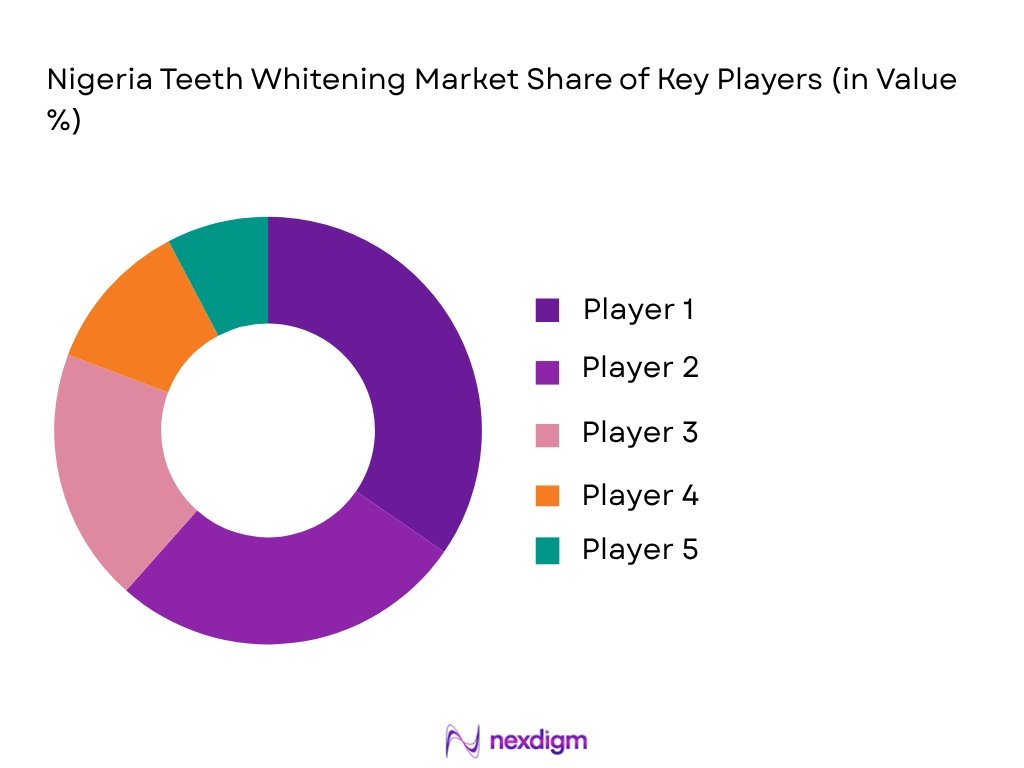
The competitive landscape reflects consolidation around multinational oral care companies that benefit from scale, marketing strength, and extensive retail reach. Emerging digital‑native brands are increasingly relevant in segments where online purchase facilitates consumer access and trial. Competition is intensifying, particularly between brands that emphasise natural formulations and those that lead on advanced peroxide‑based whitening efficacy. The market is further influenced by partnerships between product manufacturers and dental professionals that endorse product credibility and stimulate professional referrals.
| Company | Year Established | Headquarters | Product Range | Distribution Reach | Marketing Strength | Innovation Focus | Pricing Tier | Professional Partnerships |
| Colgate‑Palmolive | 1806 | USA | ~ | ~ | ~ | ~ | ~ | ~ |
| GlaxoSmithKline (Sensodyne) | 1715 | UK | ~ | ~ | ~ | ~ | ~ | ~ |
| Procter & Gamble | 1837 | USA | ~ | ~ | ~ | ~ | ~ | ~ |
| Unilever | 1929 | UK/Netherlands | ~ | ~ | ~ | ~ | ~ | ~ |
| Beaming White | 2006 | UK | ~ | ~ | ~ | ~ | ~ | ~ |
Nigeria Teeth Whitening Market Analysis
Growth Drivers
Increasing Awareness of Oral Aesthetics and Dental Care
In Nigeria, growing awareness of oral aesthetics and dental health is a key driver for the teeth whitening market. Consumers increasingly associate white, healthy teeth with social confidence, professional appeal, and personal hygiene. Urban populations, especially young professionals and students, are becoming more informed about cosmetic dentistry through media campaigns, dental clinics, and social platforms. This awareness encourages the adoption of both professional whitening treatments and over-the-counter products. Clinics are responding with specialized services, while brands emphasize aesthetic benefits in marketing. The trend reflects a cultural shift where dental appearance is considered integral to overall personal care, ensuring sustained demand for whitening solutions across major cities and affluent communities.
Growth of E-commerce and Online Beauty Retail
The rise of e-commerce in Nigeria is facilitating broader access to teeth whitening products. Online marketplaces allow consumers to purchase professional-grade kits, whitening strips, and specialty toothpaste conveniently, overcoming limitations of physical retail. Urban, tech-savvy consumers, particularly millennials and Gen Z, increasingly prefer home-based whitening solutions, which are often more affordable and discreet. E-commerce platforms also allow brands to offer subscription models, targeted promotions, and personalized product recommendations. Positive online reviews and social media presence increase consumer confidence in imported and lesser-known brands. The convenience, variety, and accessibility of online sales make e-commerce a significant growth driver, supporting both awareness and adoption of innovative whitening products nationwide.
Market Challenges
High Cost of Professional Whitening Treatments
Professional teeth whitening services in Nigeria are relatively expensive, limiting accessibility for a broad consumer base. Clinic-based treatments require specialized equipment, trained dental professionals, and follow-up sessions, which collectively increase costs. Many consumers, particularly in price-sensitive segments, rely on cheaper over-the-counter or unregulated alternatives, which may not deliver consistent results. High prices restrict market penetration, especially in semi-urban and rural areas. Clinics and brands face the challenge of balancing affordability with quality to attract a wider audience. The financial barrier emphasizes the importance of cost-effective solutions, including home-based kits and subscription models, to expand adoption while maintaining professional standards and consumer trust.
Safety Concerns and Potential Side Effects
Safety concerns and potential side effects are major constraints in Nigeria’s teeth whitening market. Chemical-based treatments, such as hydrogen peroxide or carbamide peroxide, can cause tooth sensitivity, gum irritation, and enamel damage if misused. Consumers often hesitate to adopt whitening solutions due to fear of adverse effects, especially when products are unregulated or lack clear instructions. This issue is amplified by local competition and counterfeit products, which may compromise quality and safety. Addressing these concerns requires proper regulation, consumer education, and promotion of gentler or natural alternatives. Ensuring safe and effective whitening options is critical for building trust, encouraging repeat usage, and sustaining market growth.
Opportunities
Expansion of Natural and Organic Whitening Products
The growing preference for natural and organic products presents an opportunity for Nigeria’s teeth whitening market. Consumers are increasingly seeking safe, chemical-free alternatives due to concerns over sensitivity and long-term oral health. Herbal toothpaste, plant-based whitening kits, and eco-friendly formulations appeal to health-conscious and environmentally aware buyers. Local brands can leverage indigenous ingredients to differentiate their products, while international brands can emphasize safety and sustainability. This trend is particularly relevant for urban millennials and younger consumers who value ethical consumption and wellness-oriented products. By addressing health and environmental concerns, brands can capture a premium segment, build loyalty, and gain a competitive advantage in a market increasingly focused on natural and sustainable solutions.
Growth of Tele-dentistry and Home-Based Whitening Services
Tele-dentistry and home-based whitening services are emerging as growth opportunities in Nigeria. Digital platforms enable remote consultations, product guidance, and follow-up monitoring, making professional advice accessible to consumers who cannot regularly visit clinics. Home-based whitening kits paired with virtual support offer convenience, cost-effectiveness, and personalized solutions, increasing adoption among urban and semi-urban populations. Integration with e-commerce platforms allows users to purchase, track, and maintain whitening routines remotely. This model also facilitates subscription services, creating recurring revenue streams for brands. Leveraging tele-dentistry strengthens consumer trust, improves treatment outcomes, and expands market reach beyond traditional clinic-based services, addressing both convenience and accessibility challenges
Future Outlook
The Nigeria Teeth Whitening market is poised for steady growth through to 2035 driven by sustained consumer focus on aesthetic dental care, broader online retail penetration, and increasing disposable incomes in urban populations. Heightened social media influence and digital marketing campaigns will continue shaping consumer preferences and driving trial of advanced whitening products. Technological improvements in at‑home whitening solutions that offer enhanced results with reduced sensitivity will further stimulate market uptake.Expansion of formal dental care infrastructure in major urban centres and greater collaboration between product manufacturers and dental professionals is expected to enhance product credibility and boost professional referrals. Regulatory frameworks refining safety standards and product claims may also improve consumer confidence and broaden adoption across socioeconomic segments. Growth in tele‑dentistry and bundled digital dental services could provide new channels for whitening product distribution and consumer education.
Major Players
- Colgate‑Palmolive
- GlaxoSmithKline (Sensodyne)
- Procter & Gamble
- Unilever
- Beaming White
- White Glo
- Opalescence
- AuraGlow
- Philips Oral Healthcare
- Dentsply Sirona
- Church & Dwight
- Henkel Oral Care
- SPLAT Global
- Supersmile
- Crest Professional
Key Target Audience
- National & regional oral care product manufacturers
- Dental clinics and cosmetic dentistry service providers
- Pharmacy & drugstore procurement heads
- E‑commerce platform category managers
- Healthcare distributors & wholesalers
- Investments & venture capitalist firms
- Government & regulatory bodies
- Trade and import/export authorities for oral health and cosmetic products
Research Methodology
Step 1: Identification of Key Variables
The initial phase involves mapping major stakeholders within the Nigeria Teeth Whitening market, including product manufacturers, distributors, dental professionals, and retail channels. This step is supported by secondary research across industry reports, sales data, and retail network assessments to determine the primary variables influencing market dynamics.
Step 2: Market Analysis and Construction
Historical market performance, segment penetration, and distribution channel trends are compiled and analysed to establish current market sizing. This includes evaluating product utilisation across consumer and professional segments, revenue contributions by channel, and regional demand variations within Nigeria’s urban and peri‑urban areas.
Step 3: Hypothesis Validation and Expert Consultation
Preliminary market hypotheses are validated through consultations with dental practitioners, pharmacy procurement managers, and industry insiders. These discussions provide qualitative insights into product adoption drivers, consumer preferences, pricing sensitivity, and competitive behaviour, refining the quantitative assumptions within the market model.
Step 4: Research Synthesis and Final Output
The final phase combines quantitative data, expert insights, and trend analysis to validate market estimates, competitive assessments, and future projections. This synthesis ensures accuracy and alignment between independently derived data sources and industry practitioner perspectives.

- Executive Summary
- Research Methodoloy (Market Definitions and Assumptions, Abbreviations, Market Sizing Approach, Consolidated Research Approach, Understanding Market Potential Through In-Depth Industry Interviews, Primary Research Approach, Limitations and Future Conclusions)

- Definition and Scope
- Market Dynamics Overview
- Market Genesis and Evolution
- Key Players and Market Timeline
- Business Cycle and Trends
- Supply Chain and Value Chain Analysis

- Growth Drivers
Increasing Awareness of Oral Aesthetics and Dental Care
Rising Disposable Income and Consumer Spending on Cosmetic Products
Growth of E-commerce and Online Beauty Retail
Influence of Social Media and Celebrity Endorsements
Advancements in Whitening Formulations and Technologies - Market Challenges
High Cost of Professional Whitening Treatments
Safety Concerns and Potential Side Effects
Lack of Standardization and Regulation
Competition from Local and Unregulated Products
Limited Awareness in Rural Areas - Opportunities
Expansion of Natural and Organic Whitening Products
Integration of Digital Marketing and Influencer Campaigns
Growth of Tele-dentistry and Home-Based Whitening Services
Rising Demand for Whitening Products Among Youth and Millennials
Introduction of Subscription Models for Teeth Whitening Products - Trends
Shift Toward Natural and Chemical-Free Whitening
Personalized Whitening Solutions
Portable and Easy-to-Use At-Home Kits
Increased Use of Mobile Apps for Dental Care Guidance
Integration of Whitening Products with Oral Health Technology - Government Regulations
Health and Safety Standards for Dental Products
Import and Export Regulations
Product Registration and Licensing Requirements
Environmental Regulations for Packaging and Chemicals
Standards for Cosmetic Claims and Advertising - SWOT Analysis
- Porter’s Five Forces

- By Value, 2020–2025
- By Volume, 2020–2025
- By Average Price, 2020–2025

- By Product Type (In Value %)
At-Home Whitening Kits
Whitening Toothpaste
Whitening Strips
Whitening Gels and Pens
Whitening Mouthwashes - By Distribution Channel (In Value %)
Dental Clinics
Pharmacies and Drugstores
Online Channels (E-commerce Websites) - By Price Tier (In Value %)
Economy / Entry-Level
Mid-Tier
Premium / High-End - By End User (In Value %)
Individual Consumers
Dental Clinics
Cosmetic and Beauty Centers

- Market Share of Major Players by Value/Volume
- Market Share of Major Players by Product Type
- Cross Comparison Parameters(Company Overview, Business Strategies, Recent Developments, Strength, Weakness, Organizational Structure, Revenues, Revenues by Product Type, Distribution Channels, Dealer Networks, Production Capacity, Unique Value Offerings)
- SWOT Analysis of Major Players
- Pricing Analysis Based on Product Categories for Major Players
- Detailed Profiles of Major Companies
Colgate-Palmolive Nigeria
Procter & Gamble Nigeria (Crest)
GlaxoSmithKline Consumer Nigeria (Sensodyne)
Unilever Nigeria (Closeup, Pepsodent)
White Glo
Opalescence (Ultradent Products, Inc.)
Crest Professional
Beaming White
Oral-B Whitening Products
AuraGlow Nigeria

- Market Demand and Utilization
- Purchasing Power and Budget Allocations
- Regulatory and Compliance Requirements
- Needs, Desires, and Pain Point Analysis
- Decision-Making Process

- By Value, 2026–2035
- By Volume, 2026–2035
- By Average Price, 2026–2035


 Request a Sample
 Ask for Customization
 Get a Quote
 Enquire Now