
 Download PDF
 Download PDF
Market Overview
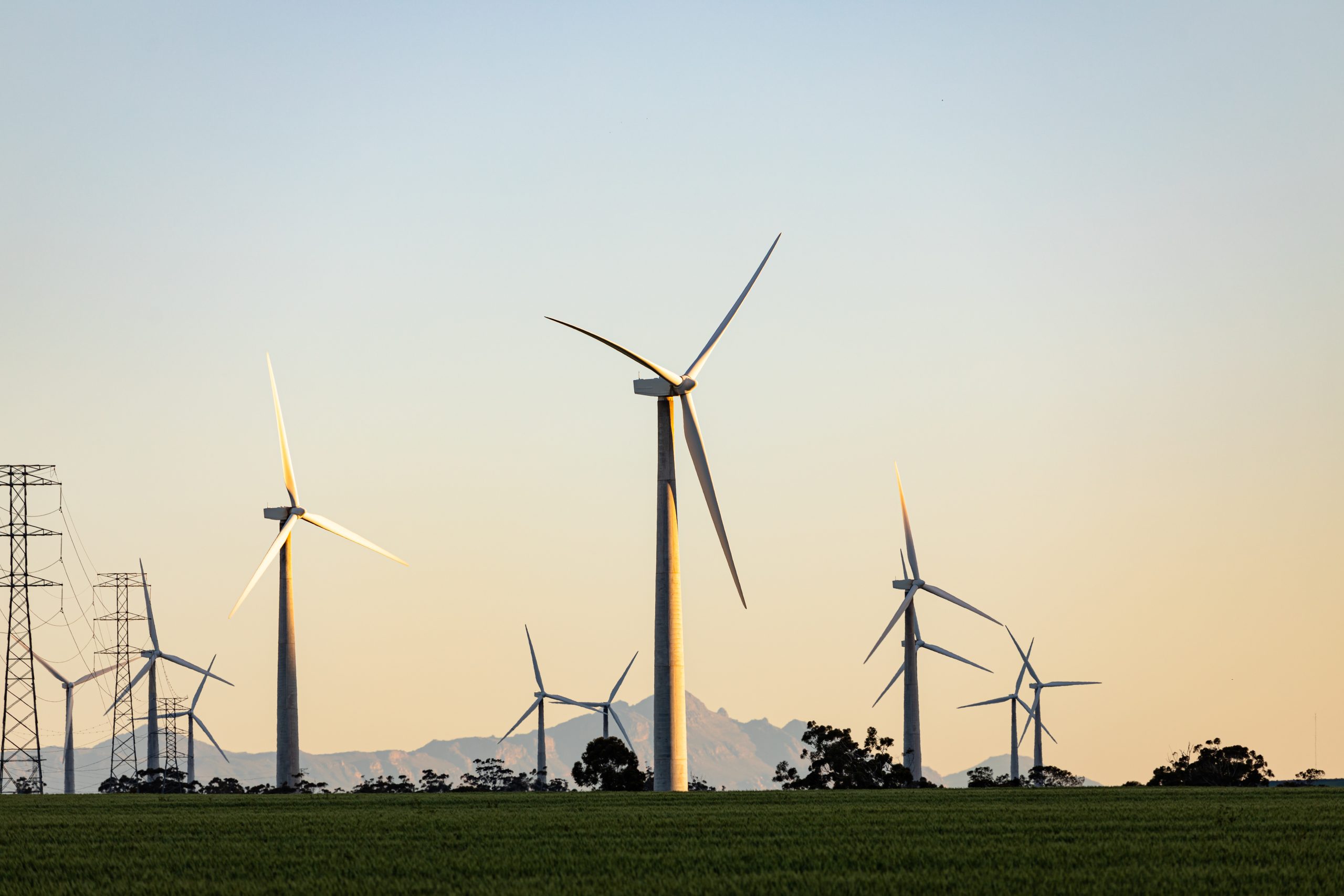
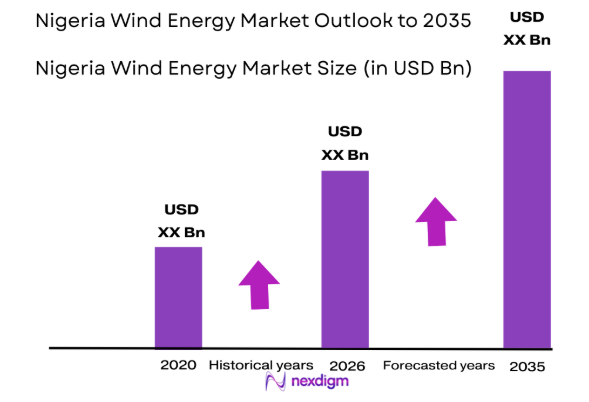
The Nigeria Wind Energy market is valued at approximately USD ~ billion, driven by a surge in demand for renewable energy solutions and Nigeria’s commitment to increasing its renewable energy generation capacity. The Nigerian government’s push for diversification of energy sources, combined with global efforts to reduce carbon emissions, is fueling the growth of the wind energy sector. Wind energy is expected to become a key component in the country’s energy transition strategy, leveraging both domestic resources and international investments.
Key players in the wind energy sector are primarily concentrated in major cities such as Lagos, Abuja, and Port Harcourt, where infrastructure development and government incentives are most pronounced. These areas have seen substantial investments in energy projects, driven by their strategic locations and access to both government and international renewable energy programs. As a result, these cities remain pivotal in shaping the future of Nigeria’s wind energy sector due to favorable policies and infrastructure development aimed at meeting the nation’s energy goals.
Market Segmentation
By System Type
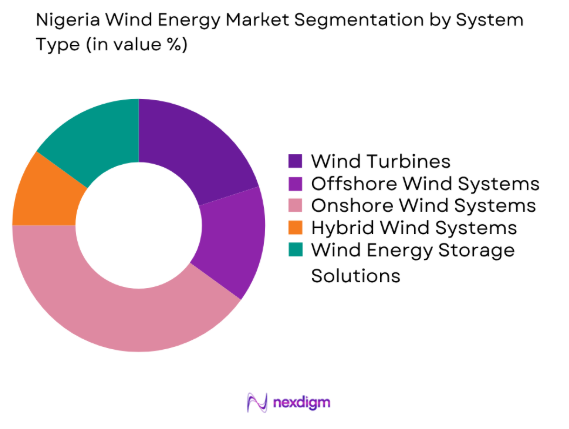
The Nigeria Wind Energy market is segmented by system type into wind turbines, offshore wind systems, onshore wind systems, hybrid wind systems, and wind energy storage solutions. Recently, onshore wind systems have seen the highest market share, driven by factors such as easier installation, reduced costs, and the availability of land. As the demand for renewable energy increases, onshore wind systems have become the preferred choice for large-scale wind energy projects in Nigeria.
By Platform Type
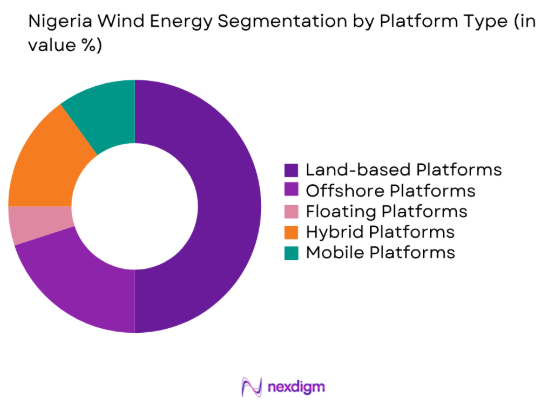
The Nigeria Wind Energy market is segmented by platform type into land-based platforms, offshore platforms, floating platforms, hybrid platforms, and mobile platforms. Land-based platforms dominate the market due to their cost-effectiveness and accessibility, with large tracts of land available for wind farm development. These platforms are the most popular option in Nigeria, especially in areas with favorable wind conditions, contributing to the country’s growing wind energy capacity.
Competitive Landscape
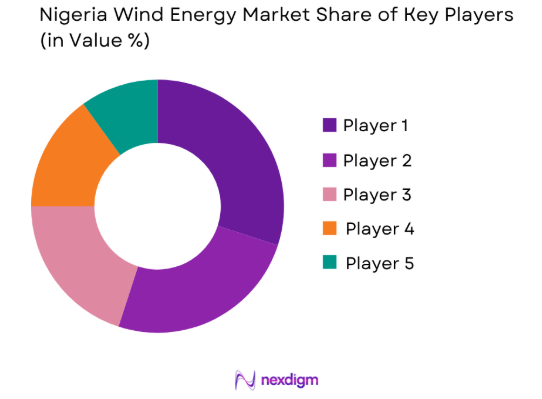
The competitive landscape of the Nigeria Wind Energy market is characterized by the presence of both international and local players that are rapidly expanding their presence in the country. These players have been instrumental in bringing innovative technologies and providing much-needed capital to drive the market’s growth. The market is also seeing consolidation, with partnerships between local companies and global renewable energy giants helping to enhance technical expertise and capacity. Major players are working closely with the government to align their strategies with the country’s energy objectives, ensuring that future wind energy projects are scalable and efficient.
| Company Name | Establishment Year | Headquarters | Technology Focus | Market Reach | Key Products | Revenue | Additional Parameter |
| Siemens Gamesa | 1976 | Spain | ~ | ~ | ~ | ~ | ~ |
| GE Renewable Energy | 1892 | USA | ~ | ~ | ~ | ~ | ~ |
| Vestas Wind Systems | 1945 | Denmark | ~ | ~ | ~ | ~ | ~ |
| Suzlon Energy | 1995 | India | ~ | ~ | ~ | ~ | ~ |
| Nordex SE | 1985 | Germany | ~ | ~ | ~ | ~ | ~ |
Nigeria Wind Energy Market Analysis
Growth Drivers
Government Support for Renewable Energy
The Nigerian government is strongly supporting renewable energy growth, especially wind energy, through various policies and incentives. These include tax exemptions, subsidies, and funding aimed at encouraging investment in wind energy projects. These initiatives are designed to address the country’s growing energy demand while reducing reliance on fossil fuels. By offering favorable conditions for wind energy development, Nigeria is positioning itself as an attractive destination for renewable energy investments. This shift is expected to help the country diversify its energy mix, increase its renewable energy capacity, and capture a larger share of the global renewable energy market, driving sustainable growth and development.
Technological Advancements in Wind Turbine Efficiency
Another significant driver of growth in Nigeria’s wind energy market is the advancement of wind turbine technology. Modern turbines are now more efficient and cost-effective, providing better performance even in areas with low wind speeds. These technological innovations have significantly lowered the initial costs of wind energy projects, making them more accessible for developers. As a result, there is a greater potential for integrating wind power into Nigeria’s national grid. Furthermore, advancements in offshore wind technology, combined with energy storage solutions, are expected to improve the reliability and capacity of wind energy systems in the country, supporting sustained growth and enhancing Nigeria’s renewable energy capacity.
Market Challenges
High Initial Capital Investment
A major challenge hindering the growth of Nigeria’s wind energy market is the high capital investment required for the construction and installation of wind energy systems. Developing wind farms, especially offshore wind farms, demands substantial upfront costs, including investments in infrastructure, land acquisition, and advanced technology deployment. While government incentives help mitigate some of these expenses, the financial barrier remains a significant hurdle for local developers and companies. This high cost of entry restricts participation from smaller players, limiting market competition and slowing the overall adoption of wind energy in Nigeria. The financial challenges also impact the speed at which large-scale projects can be developed, delaying the country’s transition to renewable energy and hindering the market’s potential growth.
Land and Infrastructure Constraints
Land availability and infrastructure development present significant challenges for the growth of Nigeria’s wind energy market. Although the country has vast land resources suitable for wind farms, access to areas with the ideal wind conditions is often constrained by competing land uses, such as agriculture and urban development. Furthermore, the lack of adequate transmission infrastructure to connect wind farms to the national grid continues to be a persistent issue. This deficiency causes delays in project implementation and hampers the scalability of wind energy projects across Nigeria. The insufficient infrastructure also limits the effective integration of wind energy into the national energy grid, reducing the potential for large-scale renewable energy adoption and impacting overall market growth.
Opportunities
Expansion of Offshore Wind Projects
Offshore wind energy presents a major growth opportunity for Nigeria’s wind energy sector. The country’s extensive coastline provides significant potential for offshore wind farm development. With advancements in floating wind turbine technology, Nigeria can harness its marine resources to enhance its renewable energy capacity. These innovations make offshore wind farms more viable, even in deeper waters, expanding the potential for large-scale energy production. Government incentives and global trends favoring cleaner energy solutions are expected to drive more investments into offshore wind projects in the coming years. This growing interest will not only increase Nigeria’s renewable energy capacity but also support the country’s transition to a more sustainable energy future, helping to meet both local and international energy demands.
Partnerships with International Renewable Energy Corporations
Nigeria’s expanding wind energy market offers significant opportunities for partnerships with international renewable energy companies. These collaborations can bring advanced technologies, technical expertise, and much-needed investment into the country, driving market growth. By partnering with global wind energy leaders, Nigerian companies can enhance their technological capabilities and speed up the deployment of large-scale wind projects. Such partnerships will not only support the rapid expansion of wind energy capacity but also contribute to Nigeria’s energy security and sustainability goals. These collaborations will strengthen the country’s position in the global renewable energy market and accelerate its transition to a greener, more reliable energy future.
Future Outlook
The future outlook of Nigeria’s wind energy market appears promising, with projected growth driven by supportive government policies, technological advancements, and increased private sector investments. Over the next five years, the market is expected to expand significantly, with a focus on both onshore and offshore wind projects. Technological innovations in turbine efficiency and energy storage solutions will drive down costs, making wind energy increasingly competitive with other energy sources. The government’s commitment to sustainable energy and continued foreign investments will be key drivers of this growth, positioning Nigeria as a leader in renewable energy within Africa.
Major Players
- Siemens Gamesa
- GE Renewable Energy
- Vestas Wind Systems
- Suzlon Energy
- Nordex SE
- Enel Green Power
- Siemens Energy
- Acciona
- Iberdrola
- Orsted
- E.ON
- EDF Renewables
- Mainstream Renewable Power
- Brookfield Renewable Partners
- Apex Wind Energy
Key Target Audience
- Investments and venture capitalist firms
- Government and regulatory bodies
- Renewable energy companies
- Energy developers and contractors
- International financial institutions
- Power generation companies
- Environmental NGOs
- Large-scale commercial users
Research Methodology
Step 1: Identification of Key Variables
Identify critical market drivers, trends, and barriers, including government policies, technological innovations, and market demands.
Step 2: Market Analysis and Construction
Analyze current market conditions, historical data, and growth forecasts to build a comprehensive market model.
Step 3: Hypothesis Validation and Expert Consultation
Engage industry experts and stakeholders to validate hypotheses and refine market assumptions.
Step 4: Research Synthesis and Final Output
Synthesize findings into a structured report, ensuring the inclusion of both quantitative and qualitative insights.

- Executive Summary
- Research Methodology (Definitions, Scope, Industry Assumptions, Market Sizing Approach, Primary & Secondary Research Framework, Data Collection & Verification Protocol, Analytic Models & Forecast Methodology, Limitations & Research Validity Checks)

- Market Definition and Scope
- Value Chain & Stakeholder Ecosystem
- Regulatory / Certification Landscape
- Sector Dynamics Affecting Demand
- Strategic Initiatives & Infrastructure Growth

- Growth Drivers
Increase in Government Support for Renewable Energy
Technological Advancements in Wind Turbine Efficiency
Rising Demand for Clean Energy
Global Push Toward Sustainable Development
Growing Investments in Renewable Energy Projects - Market Challenges
High Initial Capital Investment
Land and Grid Connectivity Issues
Regulatory and Compliance Barriers
Lack of Infrastructure for Offshore Wind Energy
Vulnerability to Environmental Factors - Market Opportunities
Expansion of Offshore Wind Projects
Partnerships with International Renewable Energy Corporations
Government Incentives for Renewable Energy Expansion - Trends
Adoption of Digital Technologies for Wind Farm Optimization
Increase in Hybrid Wind Energy Systems
Focus on Offshore Wind Energy Projects - Government Regulations
- SWOT Analysis of Key Competitors
- Porter’s Five Forces

- By Market Value, 2020-2025
- By Installed Units, 2020-2025
- By Average System Price, 2020-2025
- By System Complexity Tier, 2020-2025

- By System Type (In Value%)
Wind Turbines
Offshore Wind Systems
Onshore Wind Systems
Hybrid Wind Systems
Wind Energy Storage Solutions - By Platform Type (In Value%)
Land-based Platforms
Offshore Platforms
Floating Platforms
Hybrid Platforms
Mobile Platforms - By Fitment Type (In Value%)
Onshore Installation
Offshore Installation
Hybrid Installation
Modular Installation
Fixed Installation - By End User Segment (In Value%)
Energy Companies
Government Entities
Private Developers
Industrial Users
Commercial Users - By Procurement Channel (In Value%)
Direct Procurement
Public Procurement
Private Sector Procurement
Online Bidding Platforms
Distributors

- Market Share Analysis
- Cross Comparison Parameters (System Type, Platform Type, Procurement Channel, End User Segment, Fitment Type, Installation Type, Technology Integration, Grid Connectivity, Market Regulation, Energy Storage Solutions)
- SWOT Analysis of Key Competitors
- Pricing & Procurement Analysis
- Key Players
Siemens Gamesa
GE Renewable Energy
Vestas Wind Systems
Nordex SE
Suzlon Energy
Goldwind
MHI Vestas Offshore Wind
Acciona Energy
Siemens Energy
EDF Renewables
Enel Green Power
Mainstream Renewable Power
Brookfield Renewable Partners
Orsted
EDP Renewables

- Energy Companies’ Adoption of Wind Energy Systems
- Private Developers’ Role in Expanding Wind Farms
- Commercial Sector’s Growing Focus on Green Energy
- Government Initiatives Promoting Wind Energy

- Forecast Market Value, 2026-2035
- Forecast Installed Units, 2026-2035
- Price Forecast by System Tier, 2026-2035
- Future Demand by Platform, 2026-2035


 Request a Sample
 Ask for Customization
 Get a Quote
 Enquire Now