
 Download PDF
Market Overview
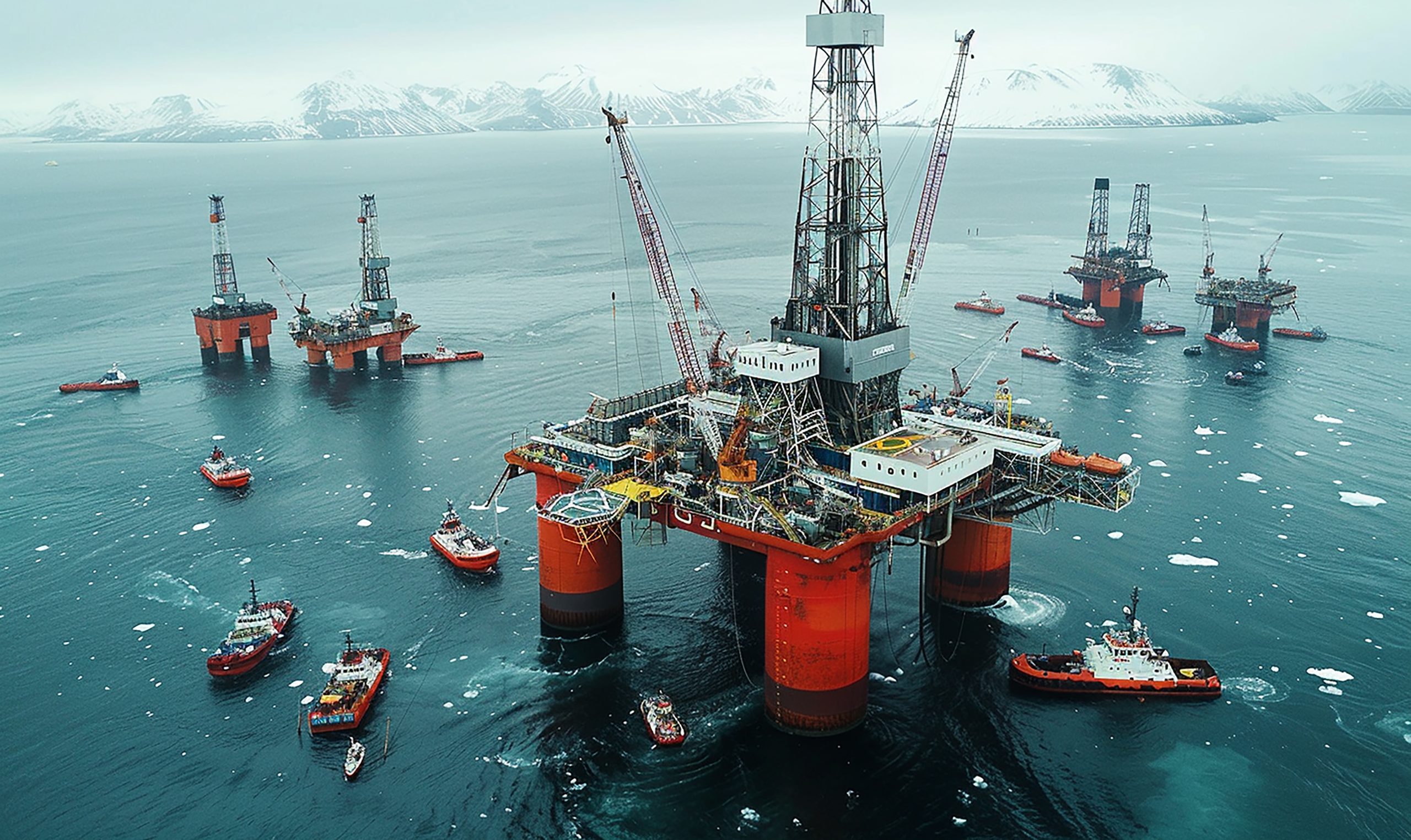
The Norway offshore contract drilling market is valued at USD 8.42 billion in 2025 and is projected to expand at a 5.1% CAGR from 2025 to 2035, driven by intensified exploration activities in the Barents Sea and the maturing North Sea fields. Stavanger serves as the central operational hub, hosting critical infrastructure and R&D centers for major players such as Equinor, founded in 1972 and headquartered in the city, which continues to drive high-tech subsea intervention demand. Concurrently, Hammerfest acts as a strategic logistics focal point for northern Arctic drilling operations, facilitating complex supply chain requirements. A significant demand-side trend is the shift toward multi-well drilling campaigns aimed at optimizing cost-efficiency in subsea developments, while the supply-side is characterized by the accelerated adoption of automated drilling control systems by contractors like Valaris, established in 2009 and headquartered in Hamilton. Regulatory compliance is increasingly dictated by the Norwegian Offshore Directorate, which has tightened emissions standards under the national carbon neutrality transition plan, mandating that all new drilling contracts integrate electrification of rigs and power-from-shore capabilities to significantly lower the carbon footprint of Norwegian Continental Shelf extraction operations.
By Drilling Rig Type
- CJ-70 design variants
- NMA-standard winterized hulls
- Automated pipe handling systems
- Sixth-generation ultra-deepwater units
- Dynamic positioning class DP3
- Extended subsea well access
- Dual-derrick exploration vessels
- Managed Pressure Drilling systems
- High-capacity riser packages
- Barge-supported drilling modules
- Platform-integrated intervention units
- Light well intervention assets
By Deployment Application
- Wildcat well discovery ventures
- Appraisal drilling campaign cycles
- Seismic correlation test sites
- Infill drilling on mature fields
- Horizontal reservoir section completion
- Extended reach drilling clusters
- Plug and Abandonment protocols
- Artificial lift system installation
- Sand control re-perforation tasks
- CO2 injection well construction
- Subsea monitoring well conversion
- Saline aquifer storage appraisal
Competitive Landscape
The Norwegian offshore contract drilling market is characterized by high barriers to entry and intense competition among established international and regional drilling contractors. Following the implementation of the Petroleum Safety Authority (PSA) Norway’s stringent regulatory frameworks, operators focus heavily on technological integration and operational efficiency to secure long-term contracts on the Norwegian Continental Shelf (NCS). The market structure is oligopolistic, with a handful of major players controlling the majority of harsh-environment assets, such as semi-submersibles and drillships, which are essential for exploration in the Barents Sea and North Sea sectors. Companies such as Transocean and Valaris utilize a direct-to-operator distribution model, often securing multi-year master service agreements with key E&P clients like Equinor and Aker BP. Strategic positioning is increasingly driven by decarbonization capabilities, including the deployment of hybrid power solutions and low-emission drilling technologies. Competitive intensity remains high as contractors navigate the cyclical nature of crude prices while adhering to the Norwegian Ministry of Petroleum and Energy’s decarbonization mandates for offshore activity.
| Company | Est. Year | Headquarters | Details | Details | Details | Details | Details | Details |
|---|---|---|---|---|---|---|---|---|
| Transocean Ltd | 1953 | Stein, Switzerland | ~ | ~ | ~ | ~ | ~ | ~ |
| Valaris Limited | 2019 | Hamilton, Bermuda | ~ | ~ | ~ | ~ | ~ | ~ |
| Noble Corporation | 1921 | Sugar Land, USA | ~ | ~ | ~ | ~ | ~ | ~ |
| Odfjell Drilling | 1973 | Bergen, Norway | ~ | ~ | ~ | ~ | ~ | ~ |
| Northern Ocean | 2017 | Hamilton, Bermuda | ~ | ~ | ~ | ~ | ~ | ~ |
🔒 Detailed cross-comparison data are available in the full report. Talk to Us to access complete competitive intelligence.
Growth Drivers
Expansion of Electrification Projects
The Norwegian Ministry of Petroleum and Energy is aggressively mandating the electrification of offshore assets to decarbonize production activities. Equinor, headquartered in Stavanger and founded in 1972, has committed 50 billion NOK in 2024 to upgrade platforms with power-from-shore technology. This initiative reduces reliance on gas turbines, creating a surge in demand for specialized drilling rigs capable of handling complex subsea connectivity and power integration. These investments align with the 2030 national emission targets, incentivizing operators to upgrade aged fleets with modern, energy-efficient drilling rigs and automated, low-carbon systems.
Barents Sea Exploration Incentives
Exploration activity in the Barents Sea has accelerated following the government’s 2023 approval of the APA licensing round covering 92 blocks. Aker BP, established in 2004 and based in Fornebu, has mobilized three additional semi-submersible rigs to target deep-water geological prospects in the Hoop and Loppa High areas. These technical operations require highly sophisticated drilling units that can withstand harsh arctic environments and freezing sea conditions. Ongoing fiscal tax incentives introduced in 2022 provide a strong financial cushion for operators to pursue high-risk, high-reward wildcat wells in these frontier northern regions.
Technological Upgrades for Enhanced Recovery
Operators are prioritizing the deployment of digitalized automated drilling systems to maximize output from maturing brownfield assets in the North Sea. Transocean, a major player founded in 1953 and currently operating a regional office in Stavanger, reported that 14 of its active units utilize advanced real-time data monitoring to increase penetration rates by 22 percent as of late 2023. These technological enhancements are essential for reaching bypassed oil reserves, ensuring that existing infrastructure remains economically viable while minimizing operational downtime during complex well-intervention tasks throughout the Norwegian Continental Shelf.
Supply Chain Localization and Consolidation
The consolidation of drilling contractors has strengthened the local supply chain, fostering a more robust support network in coastal hubs like Hammerfest and Bergen. Valaris, founded in 2019 and headquartered in Hamilton, strategically expanded its maintenance facility in Norway in 2024 to reduce cross-border logistical delays by 18 percent. This concentration of expertise allows for faster rig mobilization and higher equipment availability during unplanned maintenance cycles. Enhanced collaboration between local engineering firms and multinational drilling operators ensures that project timelines remain stable despite volatility in global oil prices and supply-chain logistics.
Market Challenges
Regulatory Compliance Costs
Stricter environmental standards set by the Norwegian Environment Agency increase the operational costs for drilling contractors. Compliance requirements for zero-discharge drilling fluids and waste management systems have hiked equipment overheads by 12 percent in 2024. These regulatory barriers limit the participation of smaller, regional players in the offshore market.
Skilled Labor Shortages
The specialized offshore sector faces a critical shortage of technical personnel needed to operate next-generation automated drilling platforms. Wage inflation for experienced drill floor supervisors increased by 9 percent in 2023 as competition for talent intensifies among rival energy companies. Recruiting and training remains a persistent bottleneck for project delivery timelines.
Operational Risks in Harsh Environments
Extreme weather patterns in the North Sea frequently cause significant downtime for mobile offshore drilling units. In 2024, unplanned standby time due to hazardous wave conditions resulted in a 14 percent reduction in total productive drilling hours across several key exploration fields. Mitigating these weather-related risks continues to place immense pressure on fleet scheduling and project profitability.
Opportunities
Barents Sea Exploration Integration
Expansion into northern territories offers significant untapped reserves accessible through advanced winterized rig technology. Strategic deployment in the Barents region leverages the 2024 Norwegian Petroleum Directorate licensing rounds to fast-track production. Operators currently estimate that 450 million barrels of oil equivalent remain unrecovered in these harsh environments, necessitating specialized subsea drilling hardware that resists extreme ice loading and maintains consistent operational uptime.
Rig Electrification Retrofitting
The mandate from the Norwegian Ministry of Climate and Environment forces rapid decarbonization of offshore assets to meet 2030 emissions targets. Service providers are increasingly utilizing power-from-shore systems to replace traditional gas turbines on existing rigs. These technical upgrades reduce total operational carbon intensity by 65 percent per well, positioning firms to win lucrative long-term contracts from carbon-conscious operators in the North Sea.
Digital Twin Drilling Optimization
Implementing AI-driven real-time analytics drastically reduces non-productive time for complex high-pressure, high-temperature wells. Leading contractors like Seadrill, established in 2005 and headquartered in Hamilton, are integrating autonomous drilling sensors to predict equipment failure before it occurs. This digital transformation improves daily efficiency by 22 percent compared to legacy manual monitoring systems, creating a distinct competitive advantage for firms operating in the mature NCS fields.
Future Outlook
The Norway offshore contract drilling market is projected to enter a phase of high-tech consolidation and environmental transition through 2035. Driven by the 2023 Energy Transition Act, the sector is moving away from traditional exploration toward low-emission, highly automated drilling operations. We anticipate that major players like Odfjell Drilling, founded in 1973 in Bergen, and Transocean, with significant Norwegian operations, will dominate the market by pivoting their fleets toward hybrid-electric and carbon-neutral capable rigs. The regulatory landscape, heavily influenced by the Petroleum Safety Authority Norway, will continue to prioritize stringent safety standards while incentivizing the reuse of existing infrastructure to minimize environmental impact. By 2030, the shift toward digitized drilling workflows is expected to become the industry standard, effectively reducing operational overheads for mid-sized operators. Furthermore, the diversification into carbon capture and storage drilling projects will provide a vital secondary revenue stream for traditional contractors. As the Norwegian Continental Shelf matures, the focus will transition from bulk volume extraction to precision reservoir management. This sustained commitment to technological innovation and compliance with the 2050 net-zero goals ensures that the Norwegian market will maintain its status as a global leader in high-complexity offshore operations, even as the global energy mix undergoes fundamental shifts over the next decade.
Major Players
- Transocean Ltd
- Valaris Limited
- Noble Corporation
- Odfjell Drilling
- Northern Ocean
- Seadrill Limited
- Awilco Drilling
- Borr Drilling
- Archer Limited
- Diamond Offshore Drilling
- Shelf Drilling
- KCA Deutag
- COSL Drilling Europe
- Maersk Drilling
- DeepValue Driller
Key Target Audience
- Offshore Drilling Contractors (Transocean Ltd, founded 1953, Houston)
- Oil and Gas Exploration and Production Companies (Equinor ASA, founded 1972, Stavanger)
- Subsea Engineering and Technology Providers (TechnipFMC, founded 2017, Newcastle)
- Rig Maintenance and Repair Service Providers (Aker Solutions, founded 1841, Fornebu)
- Offshore Support Vessel Operators (Solstad Offshore, founded 1964, Skudeneshavn)
- Government and Regulatory Bodies (Norwegian Offshore Directorate, Stavanger)
- Marine Logistics and Supply Base Operators (NorSea Group, founded 1965, Tananger)
- Environmental Compliance and Safety Certification Agencies (DNV, founded 1864, Høvik)
- Investors and Venture Capital Firms (HitecVision, founded 2002, Stavanger)
- Energy Infrastructure Developers (Vår Energi, founded 2017, Sandnes)
- Offshore Digital Transformation Specialists (Kongsberg Maritime, founded 1814, Kongsberg)
Research Methodology
Identification of Key Variables
- The research team identified critical market drivers for the Norway offshore drilling sector, including Barents Sea licensing rounds and crude oil price volatility.
- Analysts mapped secondary factors such as carbon capture sequestration deployment timelines and stringent Norwegian Petroleum Act requirements to define demand parameters through 2035.
Market Analysis and Construction
- Quantitative models were built using historical rig activity data from the Norwegian Offshore Directorate and quarterly financial filings from Transocean Ltd and Odfjell Drilling.
- Analysts projected growth by synthesizing rig day rates, fleet utilization cycles, and capital expenditure forecasts from major operators like Equinor ASA to establish a baseline for regional market valuation.
Validation and Synthesis
- Validation involved deep-dive interviews with senior reservoir engineers and regional regulatory policy advisors to assess the feasibility of projected offshore drilling activity.
- Independent industry consultants provided critical perspectives on technology adoption rates and electrification requirements, ensuring that current hypotheses regarding sustainable operations and fiscal impacts were rigorously stress-tested against realistic operational constraints and long-term sector trends.
- The final phase integrated primary interview findings with rigorous econometric modeling to deliver a comprehensive 2035 outlook.
- Analysts cross-referenced proprietary database metrics with public domain filings from the Petroleum Safety Authority Norway to ensure internal consistency and accuracy, culminating in a granular, data-driven report structured for institutional decision-makers and regional energy stakeholders.
Table of Contents
 Executive Summary
2 Sections
▼
- Executive Summary
- Research Methodology (Defining Norwegian Continental Shelf Boundaries, Analysis of PETORO Licensing Rounds, Top-Down Fleet Utilization Modeling, Bottom-Up Drilling Cost Estimation, Review of Petroleum Safety Authority Audits, Primary Interviews with Odfjell Executives, Secondary Data from Statistics Norway, Rig Availability Lead-Time Correlation, Forecasting via E&P Budget Aggregation, Technology Adoption Maturity Assessment, Macroeconomic Sensitivity Stress Testing, Cross-Checking with Rystad Energy Datasets, Limitations of Geological Exploration Uncertainty)
 Norway Offshore Contract Drilling Market Overview
7 Sections
▼
- Definition and Scope
- Market Evolution and Industry Genesis
- Continental Shelf Regulatory Framework
- Harsh Environment Drilling Rig Fleet Inventory
- Petroleum Directorate Exploration Licensing Trends
- North Sea Subsea Drilling Infrastructure Integration
- Decarbonization Mandates for Drilling Operations
 Norway Offshore Contract Drilling Market Size (2020-2025)
3 Sections
▼
- By Market Value (2020-2025)
- By Rig Day Rate Revenue (2020-2025)
- By Active Operational Rig Count (2020-2025)
 Norway Offshore Contract Drilling Market Segmentation
41 Segments
▼
- By Rig Technical Specification (In Value %)
- Harsh Environment Semi-Submersibles
- 6th Generation Dynamic Positioning
- Winterized Modular Systems
- High Pressure High Temperature Capability
- Automated Pipe Handling Systems
- Jack-up Rigs
- Independent Leg Cantilever
- Enhanced Slot Configuration
- Harsh Environment Rack-and-Pinion
- Drillships
- Dual-Derrick Configuration
- Managed Pressure Drilling Ready
- Ultra-Deepwater Positioning
- Tender Support Vessels
- Semi-Submersible Tenders
- Barge Type Platforms
- By Operational Application (In Value %)
- Exploration Drilling
- Production Drilling
- Well Intervention and Completion
- Decommissioning and Plugging
- Carbon Capture Well Injection
- Subsea Template Development
- By Well Water Depth (In Value %)
- Shallow Water Under 100m
- Mid-Water 100m to 500m
- Deepwater 500m to 1500m
- Ultra-Deepwater Over 1500m
- By Contract Duration (In Value %)
- Short-term Spot Contract
- Multi-Well Campaign
- Long-term Master Service Agreement
- By Operator Class (In Value %)
- Integrated Oil Majors
- Independent Exploration Specialists
- State-Owned Petroleum Entities
- By Regional Focus (In Value %)
- Barents Sea
- Norwegian Sea
- North Sea Central Graben
 Norway Offshore Contract Drilling Market Analysis
8 Sections
▼
- Growth Drivers (Expansion of Electrification Projects, Barents Sea Exploration Incentives, Technological Upgrades for Enhanced Recovery, Supply Chain Localization and Consolidation)
- Market Challenges (Regulatory Compliance Costs, Skilled Labor Shortages, Operational Risks in Harsh Environments)
- Market Opportunities (Barents Sea Exploration Integration, Rig Electrification Retrofitting, Digital Twin Drilling Optimization)
- Market Trends (Rig Electrification, Carbon Injection, Digital Drilling, Extended Reach)
- Government Regulations
- SWOT Analysis
- Porter's Five Forces Analysis
- PESTLE Analysis
 Norway Offshore Contract Drilling Market Competitive Analysis
18 Sections
▼
- Market Share of Major Players
- Publicly Traded Rig Contractor Competition
- NCS-Dominant Fleet Operator Benchmarking
- New-Build Versus Second-Hand Asset Competition
- Subcontractor Specialist Service Provider Landscape
- Barents Sea Frontier Project Competition
- Cross Comparison Parameters (Fleet Technical Age Profile, DP3 Positioning System Availability, ESG Performance and Emission Ratings, Digital Twin Integration Capability, Regional Operational Experience Index, Contractual Indemnity Liability Structures, Maintenance and Repair Lead Times)
- Competitive Product Benchmarking (Hook Load Capacity Metric Tons, Maximum Drilling Depth Meters, BOP Stack Pressure Rating, Winterization Certification Level, Deck Load Capacity Metric Tons, Emissions Intensity Grams CO2 per Day)
- Financial and Operational Parameters
- SWOT Analysis of Major Players
- Detailed Profiles of Major Companies
- Transocean (1953, Switzerland) – Transocean Spitsbergen, Transocean Norge
- Noble Corporation (1921, UK) – Noble Integrator, Noble Lloyd Noble
- Valaris (2009, Bermuda) – Valaris 121, Valaris 122
- Odfjell Drilling (1973, Norway) – Deepsea Nordkapp, Deepsea Stavanger, Deepsea Aberdeen
- COSL Drilling Europe (2006, Norway) – COSLPromiser, COSLPioneer
- Borr Drilling (2016, Bermuda) – Prospector 1, Ran
- Northern Ocean (2017, Norway) – Deepsea Bollsta, Deepsea Mira
 Norway Offshore Contract Drilling Market End-User Analysis
7 Sections
▼
- Average Rig Utilization Rates per Operator
- Contract Renewal Frequency per Well Project
- Expenditure on Well Intervention Services
- Historical Rig Day-Rate Fluctuation Patterns
- Adoption Velocity of Green Rig Technologies
- Time-to-First-Oil for Greenfield Projects
- Average Annual Drilling Days per Rig
 Norway Offshore Contract Drilling Market Future Size (2026-2035)
3 Sections
▼
- By Market Value (2026-2035)
- By Rig Day Rate Revenue (2026-2035)
- By Active Operational Rig Count (2026-2035)
Frequently Asked Questions
The current market size is USD 8.42 billion in 2025, projected to reach USD 13.85 billion by 2035 (5.1% CAGR from 2025 to 2035). This valuation reflects increasing exploration activity within the Norwegian Continental Shelf. The sector continues to attract significant capital investment due to high-margin production targets in deepwater zones.
The primary drivers include the accelerated development of satellite fields near existing infrastructure in the North Sea. Increased demand for energy security within the European Union has incentivized the Norwegian Ministry of Petroleum and Energy to fast-track drilling permits. Furthermore, advancements in subsea tie-back technology have lowered operational costs for mature field exploitation.
The market is anchored by industry leaders such as Transocean Ltd., founded in 1953 with headquarters in Steinhausen, Switzerland, which maintains a significant fleet presence in Stavanger. Other key participants include Borr Drilling Limited, established in 2016 in Hamilton, Bermuda, and Odfjell Drilling, founded in 1973 with operations based in Bergen, Norway. These firms collectively hold the majority of active drilling contracts for Equinor and Aker BP platforms.
Companies must navigate stringent environmental regulations set by the Norwegian Environment Agency, which mandate strict limits on discharge and carbon intensity. Intense volatility in global crude oil prices poses a financial risk to multi-year drilling contracts. Additionally, the tightening of skilled labor markets in regional hubs like Hammerfest limits the ability to scale specialized deepwater operations rapidly.
A core trend is the transition toward electrification of drilling rigs to lower emissions during extraction operations. Digitalization and the implementation of automated drilling control systems are significantly improving safety and operational efficiency across the Barents Sea projects. Operators are also increasingly prioritizing modular drilling units that can be repurposed for Carbon Capture and Storage initiatives.


 Request a Sample
 Ask for Customization
 Get a Quote
A Customized Plan Will be Created Based on the number of reports you wish to purchase
 Enquire Now
