

 Download PDF
 Download PDF
Market Overview
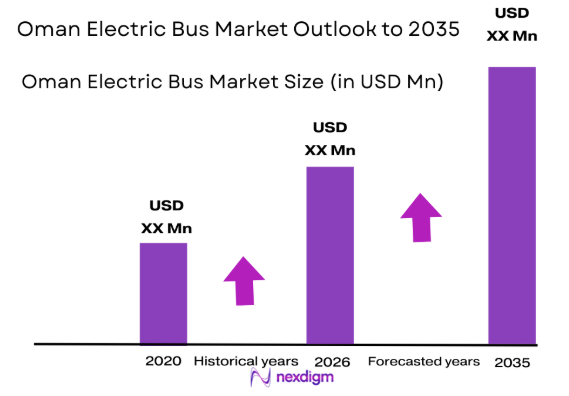
The electric bus market in Oman has witnessed substantial growth driven by government policies aimed at reducing carbon emissions and promoting sustainable transportation solutions. Based on a recent historical assessment, the market size for electric buses in Oman was valued at USD ~ million, with an increasing emphasis on electrifying public transportation systems. Key factors driving this growth include government incentives for green vehicles, technological advancements in battery efficiency, and rising awareness regarding environmental sustainability. The market is primarily fueled by the need for eco-friendly and energy-efficient transportation solutions across urban areas and beyond.
The market is dominated by urban areas and key cities in Oman that have become hubs for electrification initiatives, with Muscat being the primary center of demand for electric buses. Government initiatives, such as subsidies for green vehicles and the integration of electric buses into the public transportation network, have further contributed to this dominance. Additionally, Oman’s push toward reducing its carbon footprint aligns with its long-term vision for sustainable development, making electric buses a critical component of the country’s future transportation infrastructure. Major metropolitan areas in Oman are expected to continue driving demand due to their high population density and government-backed infrastructural development.
Market Segmentation
By Product Type
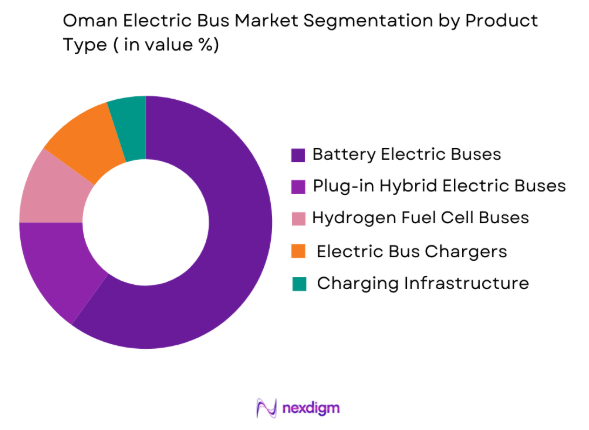
The electric bus market in Oman is segmented by product type into battery electric buses, plug-in hybrid electric buses, hydrogen fuel cell buses, electric bus chargers, and charging infrastructure. Battery electric buses have a dominant market share due to their established technological advantage in terms of energy efficiency and lower operating costs compared to other types. The widespread adoption of battery electric buses is further supported by government subsidies and a growing interest in clean energy transportation solutions. The presence of infrastructure to support battery charging stations is also a key factor contributing to the dominance of this sub-segment.
By Platform Type
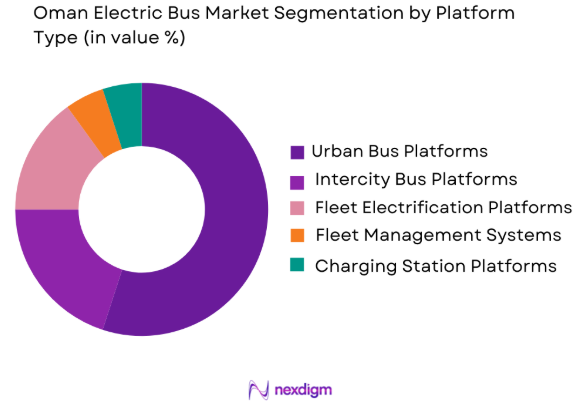
The electric bus market in Oman is segmented by platform type into urban bus platforms, intercity bus platforms, fleet electrification platforms, fleet management systems, and charging station platforms. Urban bus platforms dominate the market due to their direct connection to public transportation needs in densely populated cities like Muscat. Urban areas are experiencing increased pressure to reduce emissions, making electric buses a viable solution for the transport sector. The growth of urban bus platforms is being further fueled by the establishment of dedicated charging infrastructure and urban policies focused on reducing air pollution.
Competitive Landscape
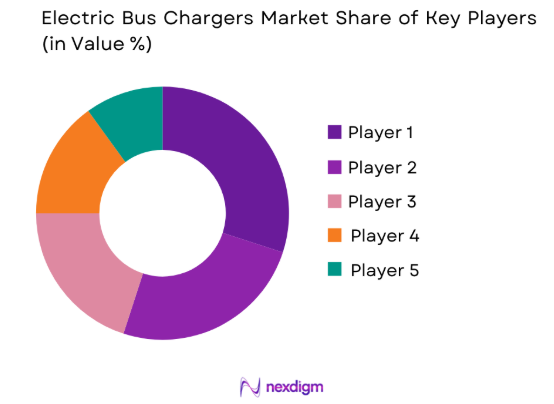
The competitive landscape of the Oman electric bus market is characterized by a growing presence of both established and emerging players. Major players in the market are increasingly focusing on product innovation and strategic collaborations with government entities to capture market share. The government’s support in the form of incentives and infrastructure development has led to market consolidation, where major players continue to strengthen their position through strategic mergers and partnerships. This dynamic landscape is expected to remain competitive as the demand for sustainable transportation solutions grows.
| Company Name | Establishment Year | Headquarters | Technology Focus | Market Reach | Key Products | Revenue | Market-specific Parameter |
| BYD | 1995 | Shenzhen, China | ~ | ~ | ~ | ~ | ~ |
| Proterra | 2004 | Burlingame, USA | ~ | ~ | ~ | ~ | ~ |
| Yutong Bus | 1963 | Zhengzhou, China | ~ | ~ | ~ | ~ | ~ |
| Solaris Bus & Coach | 1996 | Poland | ~ | ~ | ~ | ~ | ~ |
| New Flyer | 1930 | Winnipeg, Canada | ~ | ~ | ~ | ~ | ~ |
Oman Electric Buses Market Analysis
Growth Drivers
Government Initiatives to Promote Green Transport
Government initiatives have been instrumental in driving the growth of the electric bus market in Oman. With a commitment to reducing greenhouse gas emissions, the Omani government has introduced a series of subsidies and financial incentives aimed at making electric buses more affordable for operators. These measures help to offset the high initial capital costs associated with electric buses, making them an attractive option for public and private transportation companies. Additionally, the government is investing in the development of supporting infrastructure, such as charging stations, to further facilitate the adoption of electric buses. This policy-driven approach not only boosts demand for electric buses but also contributes to a shift toward cleaner, more sustainable transportation.
Technological Advancements in Battery Efficiency
Technological advancements in battery efficiency have been a critical growth driver in the electric bus market. With improvements in battery technology, electric buses are now able to travel longer distances on a single charge, making them more suitable for a wider range of applications, including urban and intercity transportation. The increased energy density of batteries has resulted in lower operating costs, which, in turn, makes electric buses more competitive compared to traditional diesel-powered buses. The reduction in charging time and advancements in fast-charging technology further enhance the operational efficiency of electric buses, making them a more attractive choice for fleet operators looking to reduce their environmental footprint and operational costs.
Market Challenges
High Initial Capital Investment
One of the main challenges hindering the widespread adoption of electric buses in Oman is the high initial capital investment required for both the buses and the supporting infrastructure. While electric buses offer long-term operational savings, the upfront costs associated with purchasing electric buses and installing charging stations can be prohibitive for many public and private sector operators. Although government incentives help to mitigate these costs, the financial burden remains a significant barrier for small and medium-sized operators who may struggle to secure funding for fleet electrification. This challenge is particularly pronounced in developing regions where financing options for clean energy solutions are limited.
Limited Charging Infrastructure
Despite the growing demand for electric buses, the lack of sufficient charging infrastructure remains a major challenge in Oman. While urban areas like Muscat have made strides in developing the necessary infrastructure, many other parts of the country still lack the charging stations needed to support a widespread transition to electric buses. The development of charging infrastructure is crucial for ensuring that electric buses can operate efficiently without interruptions. The cost and complexity of establishing a robust charging network, coupled with logistical challenges, are significant hurdles that need to be overcome in order to facilitate the growth of the electric bus market.
Opportunities
Expansion of Public Transportation Electrification
There is a significant opportunity for the further electrification of public transportation systems in Oman. The government’s commitment to sustainability and reducing carbon emissions has resulted in the introduction of policies that support the transition to electric buses. As the public sector looks to modernize its transportation infrastructure, the demand for electric buses is expected to increase significantly. Additionally, the growth of urban areas and the rising focus on reducing air pollution in cities create a favorable environment for the adoption of electric buses. This trend provides an opportunity for both local and international companies to expand their presence in the market by offering innovative and cost-effective electric bus solutions.
Integration of Smart Charging Infrastructure
The integration of smart charging infrastructure presents a promising opportunity in the electric bus market in Oman. With the growing adoption of electric buses, the need for efficient and reliable charging solutions has become more pressing. Smart charging systems, which include features such as energy management, real-time monitoring, and grid integration, can optimize the charging process and reduce costs for fleet operators. Additionally, the use of renewable energy sources for charging stations can further enhance the environmental benefits of electric buses. This opportunity presents a growth avenue for companies involved in the development of charging infrastructure and related technologies.
Future Outlook
The future outlook for the electric bus market in Oman is positive, with steady growth expected over the next five years. Technological advancements, particularly in battery efficiency and charging infrastructure, will continue to drive the adoption of electric buses. Additionally, regulatory support and government incentives will play a crucial role in accelerating the transition to electric buses. As demand for sustainable transportation solutions rises, Oman’s commitment to green initiatives will support the long-term growth of the electric bus market, ensuring its position as a key component of the country’s transportation ecosystem.
Major Players
- BYD
- Proterra
- Yutong Bus
- Solaris Bus & Coach
- New Flyer
- Gillig
- DAEWOO
- MAN Truck & Bus
- Mercedes-Benz
- Scania
- Alexander Dennis
- Iveco Bus
- King Long Motor Group
- Tata Motors
- Volvo Group
Key Target Audience
- Investments and venture capitalist firms
- Government and regulatory bodies
- Public transportation authorities
- Private fleet operators
- Charging infrastructure developers
- Environmental and sustainability agencies
- Automotive manufacturers
- Renewable energy companies
Research Methodology
Step 1: Identification of Key Variables
The key variables influencing the electric bus market are identified through secondary research and expert consultations. These variables include government regulations, technological advancements, market demand patterns, and infrastructure development.
Step 2: Market Analysis and Construction
The market is analyzed using both qualitative and quantitative methods to construct a comprehensive understanding of the demand for electric buses. This involves gathering data from various sources, including industry reports, company financials, and government publications.
Step 3: Hypothesis Validation and Expert Consultation
Hypotheses regarding market trends, challenges, and opportunities are validated through consultations with industry experts, including electric bus manufacturers, government officials, and fleet operators.
Step 4: Research Synthesis and Final Output
The final report synthesizes the collected data and expert insights to provide a comprehensive market analysis, including detailed growth drivers, challenges, and opportunities for the electric bus market in Oman.

- Executive Summary
- Research Methodology (Definitions, Scope, Industry Assumptions, Market Sizing Approach, Primary & Secondary Research Framework, Data Collection & Verification Protocol, Analytic Models & Forecast Methodology, Limitations & Research Validity Checks)

- Market Definition and Scope
- Value Chain & Stakeholder Ecosystem
- Regulatory / Certification Landscape
- Sector Dynamics Affecting Demand
- Strategic Initiatives & Infrastructure Growth

- Growth Drivers
Government Initiatives Supporting Green Transport
Technological Advancements in Battery Life and Efficiency
Rising Environmental Concerns and Air Quality Regulations - Market Challenges
High Initial Capital Investment in Electric Buses
Lack of Sufficient Charging Infrastructure
Challenges in Maintaining Fleet Efficiency - Market Opportunities
Expansion of Public Transportation Electrification
Integration of Smart Charging Infrastructure
Growing Demand for Sustainable Transport Solutions - Trends
Increase in Adoption of Hybrid and Electric Buses
Rise of Autonomous Electric Buses
Integration of IoT and AI for Fleet Management - Government Regulations
- SWOT Analysis of Key Competitors
- Porter’s Five Forces

- By Market Value, 2020-2025
- By Installed Units, 2020-2025
- By Average System Price, 2020-2025
- By System Complexity Tier, 2020-2025

- By System Type (In Value%)
Battery Electric Buses
Plug-in Hybrid Electric Buses
Hydrogen Fuel Cell Buses
Electric Bus Chargers
Charging Infrastructure - By Platform Type (In Value%)
Urban Bus Platforms
Intercity Bus Platforms
Fleet Electrification Platforms
Fleet Management Systems
Charging Station Platforms - By Fitment Type (In Value%)
On-premise Charging Solutions
Mobile Charging Solutions
Hybrid Charging Systems
Inductive Charging Systems
Infrastructure Integration Solutions - By End User Segment (In Value%)
Public Transportation Authorities
Private Transport Companies
Tourism Industry
Corporate Fleets
Logistics and Freight Companies - By Procurement Channel (In Value%)
Government Tenders
Private Procurement
Online Marketplaces
Third-party Distributors
Direct Manufacturer Sales

- Market Share Analysis
- Cross Comparison Parameters (System Type, Platform Type, Procurement Channel, End User Segment, Fitment Type, Charging Infrastructure, Technology Adoption, Government Incentives, Fleet Size, Vehicle Range)
- SWOT Analysis of Key Competitors
- Pricing & Procurement Analysis
- Key Players
BYD
Volvo Group
Proterra
New Flyer
Gillig
Yutong Bus
DAEWOO
MAN Truck & Bus
Mercedes-Benz
Scania
Solaris Bus & Coach
Alexander Dennis
Iveco Bus
King Long Motor Group
Tata Motors

- Growth in Government and Private Sector Adoption
- Shifting Focus Towards Environmental Sustainability
- Technological Advancements in Fleet Maintenance
- Growing Demand for Eco-friendly Transportation Solutions

- Forecast Market Value, 2026-2035
- Forecast Installed Units, 2026-2035
- Price Forecast by System Tier, 2026-2035
- Future Demand by Platform, 2026-2035


 Request a Sample
 Ask for Customization
 Get a Quote
 Enquire Now