
 Download PDF
 Download PDF
Market Overview
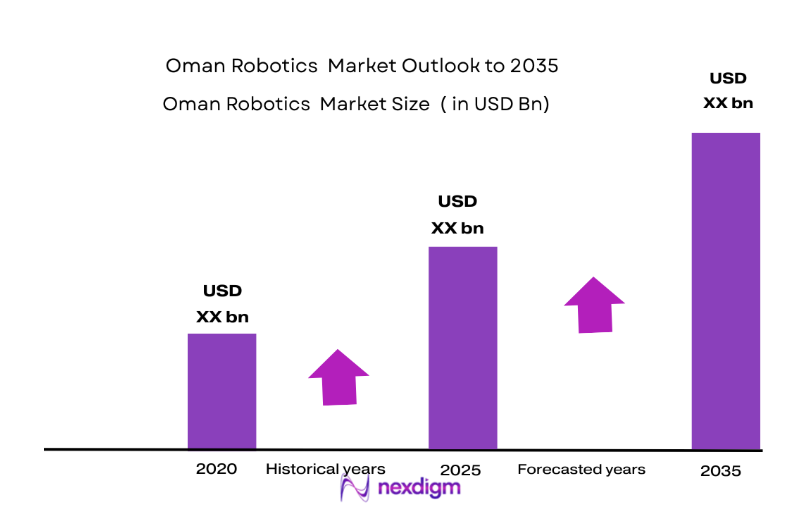
The robotics market is witnessing significant growth, with a notable increase in demand driven by technological advancements, automation across various industries, and an expanding industrial sector. Based on a recent historical assessment, the market size is expected to surpass USD ~ billion, with key drivers including advancements in AI, robotics systems, and integration into manufacturing and healthcare industries. Technological innovation and increasing investment in robotics are fueling growth, particularly in automation, where robots are taking over repetitive tasks in sectors like manufacturing, healthcare, and agriculture.
Countries like the United States, Germany, Japan, and China are major players, mainly due to their advanced technological infrastructure and significant investments in industrial automation and robotics technologies. The dominance of these regions is attributed to the presence of leading robotics companies, well-established manufacturing sectors, and strong government support for robotics innovation and automation technologies. These regions are witnessing rapid adoption in industries such as automotive manufacturing, healthcare robotics, and supply chain automation, ensuring their continued dominance in the global market.
Market Segmentation
By Product Type:
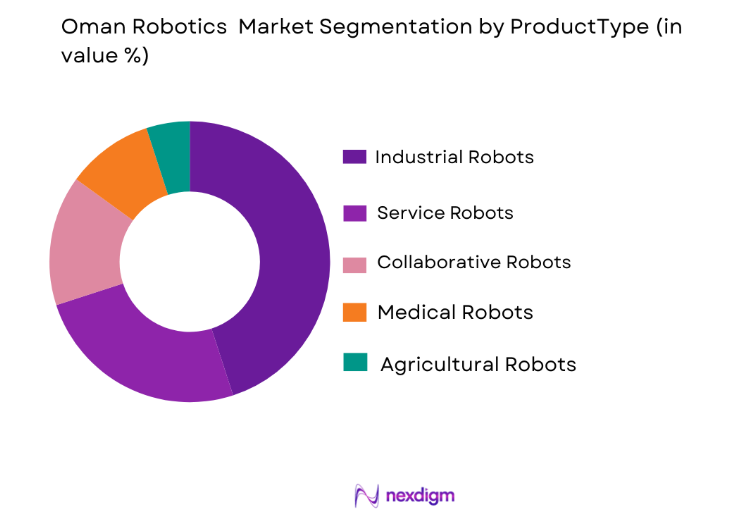
The robotics market is segmented by product type into industrial robots, service robots, collaborative robots, medical robots, and agricultural robots. Recently, industrial robots have dominated the market share due to factors such as the widespread adoption of automation in manufacturing, particularly in automotive and electronics sectors. This dominance is driven by the need for improved production efficiency, precision, and the reduction of labor costs. As industries continue to focus on enhancing operational efficiency and scaling production, the demand for industrial robots is expected to remain strong. The adoption of robotics in traditional manufacturing facilities is also spurred by significant advancements in robotics technology, making these robots more cost-effective and reliable, further contributing to their market leadership.
By Industry:
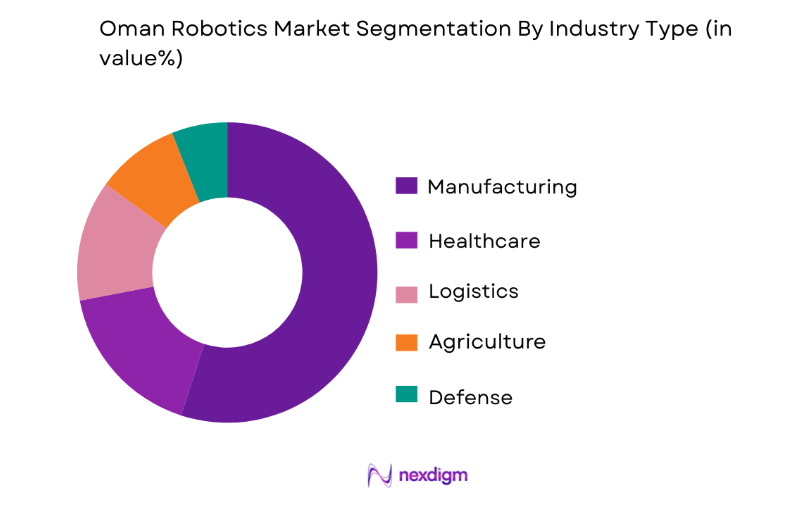
The robotics market is also segmented by industry, which includes manufacturing, healthcare, logistics, agriculture, and defense. The manufacturing industry holds the dominant market share, primarily due to the widespread implementation of automation technologies to streamline production processes, enhance efficiency, and reduce labor costs. Manufacturing robots are heavily employed in industries such as automotive, electronics, and consumer goods, where high precision and automation are crucial. Additionally, with the advent of Industry 4.0 and the increasing adoption of smart factories, the demand for robotics in the manufacturing sector is expected to continue growing as these technologies help manufacturers achieve higher productivity levels while maintaining cost-effectiveness.
Competitive Landscape
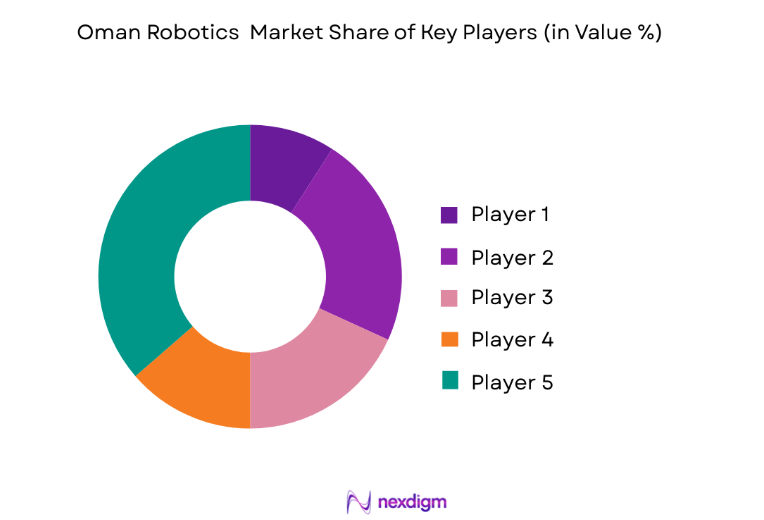
The competitive landscape of the robotics market is characterized by a few dominant players, consolidation trends, and a strong influence of global technology leaders. Major robotics companies continue to advance their technology portfolios through innovation and strategic partnerships. The rise of collaborative robots, in particular, is leading to increased competition between firms focused on smaller, safer, and more affordable robots for businesses of all sizes. As competition intensifies, companies are focusing on technological advancements, cost reduction, and scalability to capture a larger share of the market.
| Company Name | Establishment Year | Headquarters | Technology Focus | Market Reach | Key Products | Revenue | Additional Parameter |
| ABB Robotics | 1988 | Switzerland | ~ | ~ | ~ | ~ | ~ |
| KUKA Robotics | 1898 | Germany | ~ | ~ | ~ | ~ | ~ |
| FANUC Corporation | 1956 | Japan | ~ | ~ | ~ | ~ | ~ |
| Yaskawa Electric | 1915 | Japan | ~ | ~ | ~ | ~ | ~ |
| Universal Robots | 2005 | Denmark | ~ | ~ | ~ | ~ | ~ |
Oman Robotics Market Analysis
Growth Drivers
Technological Advancements in AI and Robotics:
The robotics market is experiencing robust growth fueled by significant advancements in artificial intelligence (AI) and robotics. These technologies allow robots to handle complex tasks that were previously unimaginable, including real-time data analysis, adaptive behavior, and precise control. The integration of AI with robotics leads to higher levels of automation, increasing productivity and reducing human error in manufacturing and other industries. Automation powered by AI also makes robots more flexible and versatile, contributing to their widespread adoption across sectors like automotive manufacturing, logistics, healthcare, and agriculture. In healthcare, for example, AI-powered robots are revolutionizing surgeries and patient care, improving precision and reducing recovery times. As AI technology continues to evolve, the capabilities of robots are expected to expand, driving further market growth.
Increasing Demand for Automation in Manufacturing:
The manufacturing sector has always been a key driver of the robotics market, as businesses seek to improve productivity, reduce labor costs, and meet rising consumer demand. With the growing need for high-quality production, manufacturers are increasingly turning to robotics to automate repetitive tasks, improve operational efficiency, and ensure consistency. In industries such as automotive, electronics, and consumer goods, robots are used for tasks such as assembly, welding, packaging, and testing. The rise of smart manufacturing and Industry 4.0 technologies has further accelerated this demand, as manufacturers adopt automated solutions to integrate advanced data analytics, IoT, and robotics to streamline their operations and optimize production lines. This trend is expected to continue as companies push for greater efficiency and innovation in their manufacturing processes.
Market Challenges
High Initial Investment Costs:
One of the major challenges facing the robotics market is the high initial investment costs associated with deploying robotic systems. The price of advanced robots, particularly industrial robots with AI and automation capabilities, can be prohibitively expensive for small and medium-sized enterprises (SMEs). While the long-term benefits of robotics, such as cost savings and improved productivity, are clear, the upfront investment remains a barrier for many businesses. SMEs may find it difficult to justify the costs of purchasing, integrating, and maintaining these advanced systems, which can deter widespread adoption. To address this challenge, robotics companies are focusing on developing more affordable, scalable solutions for smaller businesses, and governments are offering incentives and subsidies to promote automation adoption.
Lack of Skilled Workforce:
Another significant challenge is the shortage of skilled workers capable of operating and maintaining advanced robotic systems. As robotics technologies continue to evolve, the demand for highly skilled technicians, engineers, and operators has outpaced the supply of qualified professionals. Companies in the robotics sector are struggling to find workers with expertise in AI, machine learning, robotics engineering, and system integration. This skills gap hampers the growth of the market, as businesses face difficulties in implementing and maintaining complex robotic systems. To mitigate this challenge, companies and educational institutions are investing in training programs and initiatives aimed at developing a skilled workforce capable of supporting the continued growth of the robotics industry.
Opportunities
Robotics Adoption in Healthcare:
The healthcare industry represents a significant opportunity for robotics, with the demand for advanced medical robots, including surgical robots and rehabilitation robots, growing rapidly. The increasing need for precision in medical procedures, as well as the growing aging population, is driving the demand for robotic technologies that can enhance patient care, reduce recovery times, and improve surgical outcomes. Robots are already being used for minimally invasive surgeries, diagnostics, and rehabilitation therapies, and the market is expected to continue expanding as more healthcare providers adopt these technologies. With the potential to transform patient care and streamline healthcare operations, the healthcare robotics sector is poised for significant growth in the coming years.
Growth in Collaborative Robotics:
Collaborative robots (cobots) are becoming increasingly popular due to their ability to work safely alongside humans in a shared workspace. These robots are designed to assist workers with repetitive or physically demanding tasks, enhancing productivity without replacing human labor. Cobots are particularly useful in small and medium-sized businesses, where the cost of traditional industrial robots may be prohibitive. As the technology behind cobots improves and they become more affordable, the market for collaborative robots is expected to expand significantly. This trend is especially prominent in sectors such as manufacturing, logistics, and healthcare, where cobots can help workers increase efficiency and reduce the risk of injury.
Future Outlook
Over the next five years, the robotics market is expected to experience steady growth driven by continued advancements in AI, robotics, and automation technologies. Robotics will increasingly be adopted in industries such as healthcare, logistics, manufacturing, and agriculture, as businesses seek to improve efficiency and reduce operational costs. Technological developments, such as enhanced AI capabilities, machine learning, and improved robotic dexterity, will make robots more versatile and affordable. Governments are likely to continue offering incentives to support the adoption of automation, especially in industries critical to national economies. The shift towards collaborative robots, along with the integration of AI, will further transform the landscape, opening up new opportunities for growth and innovation.
Major Players
- ABB Robotics
- KUKA Robotics
- FANUC Corporation
- Yaskawa Electric
- Universal Robots
- Teradyne
- Mitsubishi Electric
- Kawasaki Robotics
- Denso Robotics
- Omron Corporation
- Comau Robotics
- StäubliRobotics
- Epson Robotics
- Hyundai Robotics
- NACHI-FUJIKOSHI Corp.
Key Target Audience
- Investments and venture capitalist firms
- Government and regulatory bodies
- Manufacturing companies
- Healthcare providers
- Logistics and supply chain companies
- Automotive companies
- Technology integrators
- Defensecontractors
Research Methodology
Step 1: Identification of Key Variables
In this step, the main variables that influence the robotics market are identified. This includes technological innovations, industry growth, and regulatory factors, among others.
Step 2: Market Analysis and Construction
This phase involves the analysis of market data, trends, and historical performance, allowing for the construction of a comprehensive market model.
Step 3: Hypothesis Validation and Expert Consultation
Experts from various sectors, including robotics manufacturers, analysts, and technology providers, are consulted to validate the market model and hypotheses.
Step 4: Research Synthesis and Final Output
The final market report is created by synthesizing the data, insights, and expert feedback, ensuring that it provides a comprehensive overview of the robotics market.

- Executive Summary
- Research Methodology (Definitions, Scope, Industry Assumptions, Market Sizing Approach, Primary & Secondary Research Framework, Data Collection & Verification Protocol, Analytic Models & Forecast Methodology, Limitations & Research Validity Checks)

- Market Definition and Scope
- Value Chain & Stakeholder Ecosystem
- Regulatory / Certification Landscape
- Sector Dynamics Affecting Demand

- Growth Drivers
Technological Advancements in Robotics
Government Initiatives to Promote Automation
Increasing Demand for Robotics in Healthcare
Advances in AI and Machine Learning Integration
Rise in Industrial Automation - Market Challenges
High Initial Investment for Robotics Systems
Lack of Skilled Workforce
Integration with Existing Systems
Cybersecurity Concerns with Robotics
Regulatory Barriers in Robotics Adoption - Market Opportunities
Robotics Adoption in Healthcare
Expansion in Agricultural Robotics
Growth in Collaborative Robotics Solutions - Trends
Integration of AI and Robotics
Rise of Human-Robot Collaboration
Robotics in Smart Manufacturing - Government Regulations
- SWOT Analysis of Key Competitors
- Porter’s Five Forces

- By Market Value, 2020-2025
- By Installed Units, 2020-2025
- By Average System Price, 2020-2025
- By System Complexity Tier, 2020-2025

- By System Type (In Value%)
Industrial Robotics
Service Robotics
Collaborative Robotics
Medical Robotics
Agricultural Robotics - By Platform Type (In Value%)
Land Platforms
Airborne Platforms
Marine Platforms
Mobile Platforms
Fixed Platforms - By Fitment Type (In Value%)
On-premise Solutions
Cloud-based Solutions
Hybrid Solutions
Modular Solutions
Integrated Solutions - By EndUser Segment (In Value%)
Manufacturing
Healthcare
Agriculture
Logistics

- Market Share Analysis
- CrossComparison Parameters (System Type, Platform Type, Procurement Channel, EndUser Segment, Fitment Type)
- SWOT Analysis of Key Competitors
- Pricing & Procurement Analysis
- Porter’s Five Forces
- Key Players
KUKA Robotics
ABB Robotics
Yaskawa Electric
FANUC Corporation
Universal Robots
Siemens
Teradyne
Denso Wave
Mitsubishi Electric
Staubli Robotics
Omron Corporation
Komatsu Ltd.
Rethink Robotics
Honda Robotics
Hitachi Industrial Equipment Systems

- Demand from Manufacturing Sector
- Growing Adoption in Healthcare Institutions
- Increased Use of Robotics in Logistics
- Agriculture’s Shift to Automated Solutions

- Forecast Market Value, 2026-2035
- Forecast Installed Units, 2026-2035
- Price Forecast by System Tier, 2026-2035
- Future Demand by Platform, 2026-2035


 Request a Sample
 Ask for Customization
 Get a Quote
 Enquire Now