
 Download PDF
 Download PDF
Market Overview
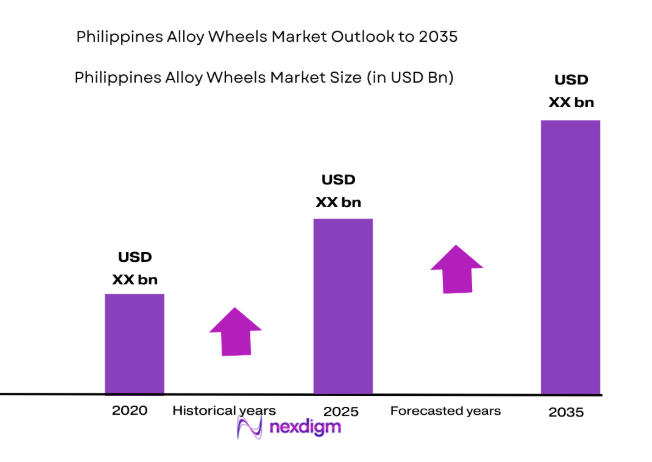
The Philippines Alloy Wheels market is currently valued at approximately USD ~ billion, driven by an increase in automotive production and consumer preference for lightweight, aesthetic alloy wheels. As the automotive industry in the Philippines continues to grow, particularly with a surge in vehicle ownership, the demand for premium alloy wheels has escalated. The rise in disposable income and the growing middle class has also supported the increased demand for vehicle customization. This growth is further propelled by technological advancements in wheel manufacturing, enhancing performance and durability.
The dominant regions driving the Philippines Alloy Wheels market include Metro Manila and Cebu, which account for a significant portion of vehicle production and aftermarket demand. Metro Manila’s urbanization and strong economic growth contribute to higher vehicle sales and, consequently, the demand for aftermarket parts like alloy wheels. The region’s well-developed automotive infrastructure, coupled with the growing interest in vehicle personalization, positions it as a key player in the market. Other major cities like Davao and Iloilo are also experiencing growth due to expanding automotive sectors and rising consumer preferences for upgraded vehicle parts.
Market Segmentation
By Product Type
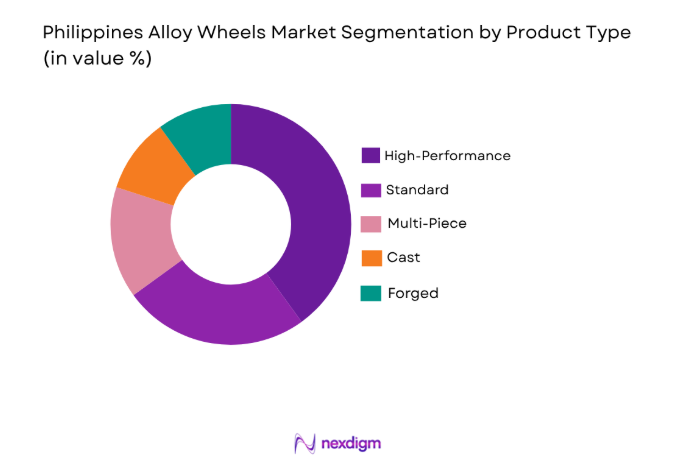
The Philippines Alloy Wheels market is segmented by product type into high-performance, standard, multi-piece, cast, and forged alloy wheels. Among these, high-performance alloy wheels have the largest share in the market, driven by the increasing consumer interest in premium, durable, and lightweight wheels. The demand for high-performance wheels has been particularly strong in the premium vehicle segment, where consumers prioritize both aesthetics and functionality. Additionally, the presence of several automotive brands offering vehicles with high-performance wheels has contributed significantly to the dominance of this sub-segment in the market.
By Platform Type
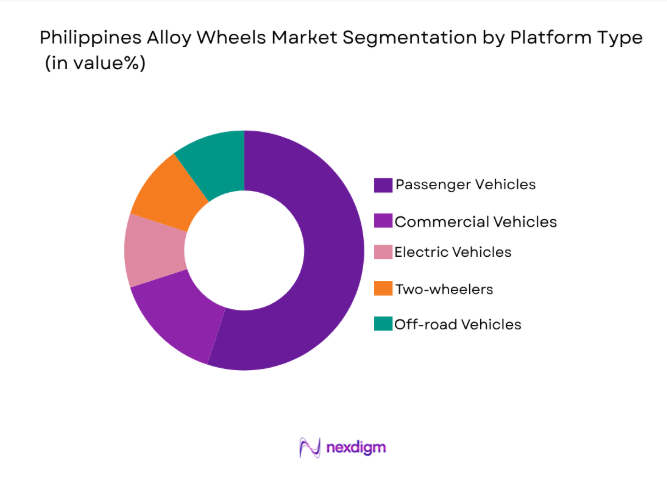
The Alloy Wheels market in the Philippines is segmented by platform type into passenger vehicles, commercial vehicles, electric vehicles, two-wheelers, and off-road vehicles. The passenger vehicle segment dominates due to the high rate of vehicle ownership in the country, combined with increasing vehicle customization trends. Consumers are looking for stylish and durable alloy wheels for their cars, driving the demand for this segment. The shift towards higher-end and customized vehicles in urban areas has also bolstered the growth of alloy wheel demand in the passenger vehicle category.
Competitive Landscape
The competitive landscape of the Philippines Alloy Wheels market is marked by the presence of both global and local manufacturers. Major players are focusing on innovation, offering premium and lightweight alloys while expanding production capabilities in Southeast Asia. Local manufacturers are increasingly partnering with international players to enhance their market reach and technological capabilities. The market is also witnessing a trend towards the consolidation of small manufacturers to compete with global brands.
| Company Name | Establishment Year | Headquarters | Technology Focus | Market Reach | Key Products | Revenue (USD) | Market-specific Parameter |
| Philippine Alloy Wheels Inc. | 2005 | Manila | ~ | ~ | ~ | ~ | ~ |
| Mags Manufacturing Inc. | 1997 | Cebu | ~ | ~ | ~ | ~ | ~ |
| Aluminium Wheels Inc. | 2000 | Manila | ~ | ~ | ~ | ~ | ~ |
| DID Wheels Philippines | 2003 | Davao | ~ | ~ | ~ | ~ | ~ |
| Enkei Wheels Philippines | 1995 | Quezon City | ~ | ~ | ~ | ~ | ~ |
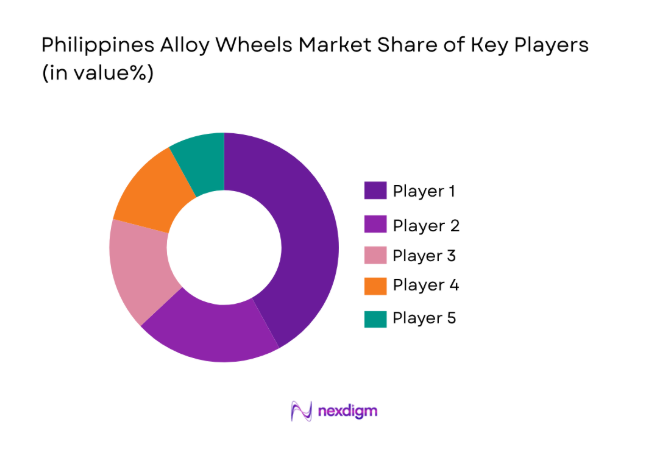
Philippines Alloy Wheels Market Analysis
Growth Drivers
Rising Demand for Lightweight Vehicles
Rising consumer interest in fuel-efficient and lightweight vehicles has contributed to the increasing demand for alloy wheels. Alloy wheels are lighter than traditional steel wheels, which results in better fuel efficiency and improved vehicle performance. The growing awareness of environmental concerns, combined with the desire for vehicle customization, has led consumers to opt for alloy wheels in place of steel wheels. Furthermore, advancements in alloy wheel technology, such as the integration of aluminum alloys, are further boosting their popularity among both OEMs and aftermarket buyers. The automotive industry’s shift toward fuel-efficient and electric vehicles also supports the rise of alloy wheels as a preferred choice for vehicle wheels. As more car manufacturers focus on producing lighter and more energy-efficient vehicles, the demand for alloy wheels is expected to rise steadily.
Technological Advancements in Alloy Wheel Manufacturing
Advances in alloy wheel manufacturing, including the use of high-performance alloys, have significantly boosted the appeal of alloy wheels in the Philippines market. New techniques in alloy wheel production allow manufacturers to produce wheels that are not only lighter but also stronger, offering better performance and safety. The adoption of advanced materials such as magnesium alloys and the integration of high-precision manufacturing processes have made alloy wheels more durable, cost-effective, and customizable. As technology continues to evolve, alloy wheel manufacturers are able to meet the growing demand for stylish, durable, and lightweight wheels that cater to the premium vehicle segment. This ongoing innovation in wheel design and manufacturing technology is expected to be a major growth driver for the Philippines alloy wheel market in the coming years.
Market Challenges
High Manufacturing Costs
One of the key challenges in the Philippines Alloy Wheels market is the high manufacturing costs associated with alloy wheel production. The raw materials required for alloy wheels, such as aluminum and magnesium, can be expensive and subject to price fluctuations, which increases production costs. Furthermore, the advanced manufacturing processes required to create high-quality, lightweight, and durable alloy wheels also contribute to high operational costs for manufacturers. Smaller manufacturers, in particular, may struggle to compete with larger, well-established players that can leverage economies of scale. This cost barrier could hinder market entry for new players and limit the ability of smaller companies to compete on price, thus affecting their market share. The increased costs can also lead to higher prices for consumers, which may impact demand, especially in price-sensitive segments of the market.
Regulatory Compliance and Environmental Concerns
Stringent environmental regulations surrounding vehicle emissions and production processes pose a challenge to the Philippines Alloy Wheels market. Alloy wheel manufacturers are required to comply with regulations related to production waste, carbon emissions, and recycling. These regulations often result in increased operational costs as manufacturers invest in cleaner technologies and sustainable production methods. Additionally, the challenge of recycling alloy wheels and ensuring that used products are disposed of in an environmentally responsible manner is a growing concern. The industry must also address concerns about the environmental impact of the raw materials used in alloy wheel production, such as mining practices for aluminum. Navigating these regulatory and environmental issues adds complexity to the market, especially as the demand for sustainable products continues to rise.
Opportunities
Emerging Demand for Alloy Wheels in Electric Vehicles
The shift towards electric vehicles (EVs) in the Philippines presents a significant opportunity for the alloy wheel market. Electric vehicles typically require lightweight components to maximize energy efficiency and driving range. Alloy wheels are well-suited for EVs due to their lighter weight compared to traditional steel wheels, which helps reduce the overall weight of the vehicle and improve energy efficiency. As the government introduces policies to support electric vehicle adoption and the number of EV manufacturers increases, the demand for alloy wheels in this segment is expected to grow. Additionally, the growing interest in EVs has driven a rise in vehicle customization, further increasing demand for high-performance and aesthetically appealing alloy wheels. Alloy wheel manufacturers can capitalize on this opportunity by developing products specifically tailored for the electric vehicle market, including options that enhance vehicle performance and efficiency.
Growing Popularity of Custom Alloy Wheels
Consumer interest in vehicle personalization has created a growing demand for custom alloy wheels in the Philippines market. Car enthusiasts and owners of high-performance vehicles are increasingly seeking alloy wheels that reflect their unique style and preferences. The trend toward vehicle customization is particularly prevalent in urban areas, where consumers are more likely to invest in premium vehicle accessories. Manufacturers are responding to this demand by offering a wide range of designs, sizes, and finishes for alloy wheels, catering to the growing segment of customizations. The increasing disposable income and the rise in premium vehicle sales in the Philippines further support this trend. As more consumers seek to make their vehicles stand out, the demand for custom alloy wheels is expected to rise, providing significant growth potential for manufacturers and retailers in the aftermarket sector.
Future Outlook
The Philippines Alloy Wheels market is expected to continue its growth trajectory in the coming years, driven by the increasing demand for lightweight, durable, and customizable wheels in the automotive sector. Technological innovations in alloy wheel manufacturing will continue to improve product quality and performance, further fueling market demand. The rise of electric vehicles, coupled with growing consumer preferences for aesthetic vehicle modifications, will play a significant role in shaping the future of the alloy wheel market. Additionally, government initiatives supporting vehicle manufacturing and electrification will provide a positive outlook for the market. As the market matures, there will be a growing focus on sustainability, with manufacturers exploring environmentally friendly materials and production processes.
Major Players
- Philippine Alloy Wheels Inc.
- Mags Manufacturing Inc.
- Aluminium Wheels Inc.
- DID Wheels Philippines
- Enkei Wheels Philippines
- Tire & Alloy Wheel Traders Inc.
- BBS Motorsport Philippines
- HRE Performance Wheels
- Rays Engineering Philippines
- Wald International Philippines
- Motegi Racing Wheels
- Advanti Racing Philippines
- Aston Martin Alloy Wheels Philippines
- KMC Wheels Philippines
- OZ Racing Philippines
Key Target Audience
- Investments and venture capitalist firms
- Government and regulatory bodies
- Vehicle manufacturers
- Automotive aftermarket distributors
- Electric vehicle manufacturers
- Fleet operators
- Logistics and transportation
Research Methodology
Step 1: Identification of Key Variables
Key variables such as market size, growth trends, and technological developments are identified through primary and secondary research.
Step 2: Market Analysis and Construction
Market segmentation and value analysis are performed, considering the various factors influencing the alloy wheels market in the Philippines.
Step 3: Hypothesis Validation and Expert Consultation
Consultations with industry experts are conducted to validate assumptions and ensure the accuracy of the data used in market analysis.
Step 4: Research Synthesis and Final Output
The research is synthesized into a comprehensive report, consolidating findings from various sources to provide actionable insights.

- Executive Summary
- Research Methodology (Definitions, Scope, Industry Assumptions, Market Sizing Approach, Primary & Secondary Research Framework, Data Collection & Verification Protocol, Analytic Models & Forecast Methodology, Limitations & Research Validity Checks)

- Market Definition and Scope
- Value Chain & Stakeholder Ecosystem
- Regulatory / Certification Landscape
- Sector Dynamics Affecting Demand
- Strategic Initiatives & Infrastructure Growth

- Growth Drivers
Rising Demand for Lightweight Vehicles
Growing Adoption of Electric Vehicles
Technological Advancements in Alloy Wheel Manufacturing
Expanding Automotive Production in Southeast Asia
Consumer Preference for Aesthetic Vehicle Customization - Market Challenges
High Manufacturing Costs
Fluctuations in Raw Material Prices
Regulatory Compliance for Emission Standards
Competition from Steel Wheels
Limited Recycling Infrastructure for Alloy Wheels - Market Opportunities
Emerging Demand for Alloy Wheels in Electric Vehicles
Growing Popularity of Custom Alloy Wheels
Expansion of Alloy Wheel Production in Southeast Asia - Trends
Increased Use of Alloy Wheels in Commercial Vehicles
Technological Innovations in Alloy Wheel Design - Government Regulations
Emissions Standards for Automotive Components
Automotive Safety Standards
Regulations for Recycling and Disposal of Alloy Wheels - SWOT Analysis
- Porter’s Five Forces

- By Market Value, 2020-2025
- By Installed Units, 2020-2025
- By Average System Price, 2020-2025
- By System Complexity Tier, 2020-2025

- By System Type (In Value%)
High-Performance Alloy Wheels
Standard Alloy Wheels
Multi-piece Alloy Wheels
Cast Alloy Wheels
Forged Alloy Wheels - By Platform Type (In Value%)
Passenger Vehicles
Commercial Vehicles
Electric Vehicles
Two-wheelers
Off-road Vehicles - By Fitment Type (In Value%)
OEM Alloy Wheels
Aftermarket Alloy Wheels - By End User Segment (In Value%)
Automotive Manufacturers
Automotive Aftermarket Retailers
Fleet Operators
Private Vehicle Owners

- Market Share Analysis
- Cross Comparison Parameters (System Type, Platform Type, Fitment Type, End User Segment, Material Type, Distribution Channel, Price Point)
- SWOT Analysis of Key Competitors
- Pricing & Procurement Analysis
- Key Players
Philippine Alloy Wheels Inc.
Mags Manufacturing Inc.
Aluminium Wheels Inc.
DID Wheels Philippines
OZ Racing Philippines
Enkei Wheels Philippines
Tire & Alloy Wheel Traders Inc.
BBS Motorsport Philippines
HRE Performance Wheels
Rays Engineering Philippines
Wald International Philippines
Motegi Racing Wheels
Advanti Racing Philippines
Aston Martin Alloy Wheels Philippines
KMC Wheels Philippines

- Consumer Preferences for Alloy Wheel Aesthetics
- Demand for Performance-Based Alloy Wheels in Racing
- Adoption of Alloy Wheels in Commercial Fleet Vehicles
- Influence of Vehicle Customization Trends on Alloy Wheel Sales

- Forecast Market Value, 2026-2035
- Forecast Installed Units, 2026-2035
- Price Forecast by System Tier, 2026-2035
- Future Demand by Platform, 2026-2035


 Request a Sample
 Ask for Customization
 Get a Quote
 Enquire Now