
 Download PDF
Market Overview
The Philippines Automated Microdermabrasion Devices Market is valued at USD ~ billion, driven by increasing consumer awareness about skincare and the growing adoption of non-invasive beauty treatments. The demand for advanced skin treatment solutions like automated microdermabrasion devices is propelled by a shift towards aesthetic services, offering effective skin rejuvenation without the need for surgery. As skin health becomes a priority, the market is supported by both local consumer preferences for skincare and increasing urbanization.
Key cities driving the market include Metro Manila, Cebu, and Davao. These urban areas dominate the market due to their higher concentration of aesthetic clinics and dermatologists, as well as a growing middle class seeking advanced beauty solutions. Metro Manila, being the largest metropolitan area, has witnessed increased consumer demand for premium skincare products, which in turn, has bolstered the adoption of microdermabrasion devices.
Market Segmentation
By Device Type
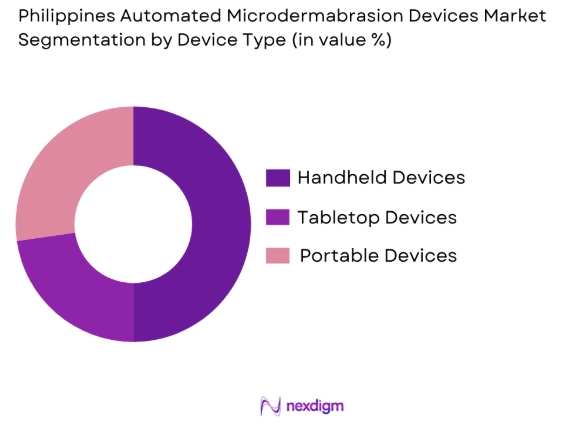
The Philippines Automated Microdermabrasion Devices market is segmented into handheld devices, tabletop devices, and portable devices. Handheld devices dominate the market due to their convenience, affordability, and widespread availability. Consumers prefer these devices for at-home skincare treatments because they offer professional-level results without the need for salon visits. Handheld devices, such as the PMD Personal Microderm, have become immensely popular due to their ease of use, compact design, and effective treatment for issues like acne scars and uneven skin tone.
By End User
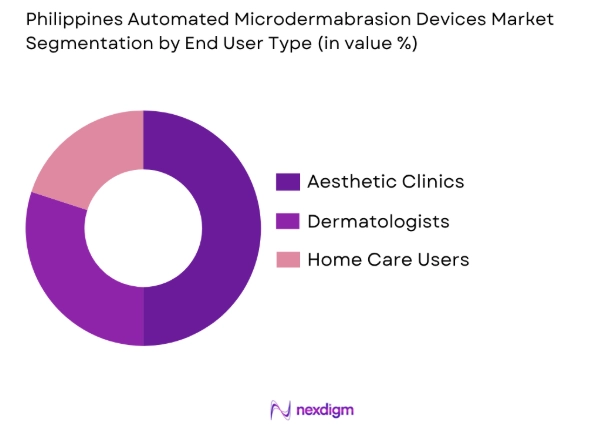
The market is also segmented by end users into dermatologists, aesthetic clinics, and home care users. Aesthetic clinics lead the segment, primarily due to the growing preference for professional treatments offering high-quality results. Automated microdermabrasion devices used in these clinics provide fast, non-invasive procedures that appeal to consumers seeking a smoother, younger-looking complexion. Dermatologists also play a significant role in the adoption of these devices, offering treatments that cater to both medical and aesthetic concerns. The increasing acceptance of home care devices is contributing to the rise of DIY treatments, especially among beauty-conscious individuals who prefer at-home solutions.
Competitive Landscape
The Philippines Automated Microdermabrasion Devices market is dominated by a few major players, including global beauty and healthcare brands such as PMD Beauty, Neutrogena, and Philips. These companies are well-established with a strong brand presence and diverse product portfolios. They benefit from their extensive distribution networks and customer loyalty. Other competitors like Personal Microderm and DermaMed provide specialized devices with unique features that target specific skin concerns, enhancing their appeal in the competitive market.
| Company | Establishment Year | Headquarters | Device Type | Technology | End Users | Distribution Channel |
| PMD Beauty | 2008 | USA | ~ | ~ | ~ | ~ |
| Neutrogena | 1930 | USA | ~ | ~ | ~ | ~ |
| Philips | 1891 | Netherlands | ~ | ~ | ~ | ~ |
| DermaMed | 2005 | USA | ~ | ~ | ~ | ~ |
| Personal Microderm | 2003 | USA | ~ | ~ | ~ | ~ |
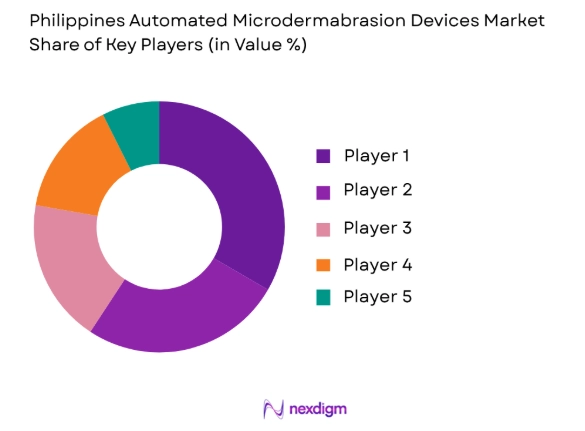
Philippines Automated Microdermabrasion Devices Market Analysis
Growth Drivers
Increasing Demand for Non‑invasive Skin Treatments
The Philippines’ expanding economy has translated into greater discretionary expenditure on personal services, including non‑invasive aesthetic procedures. In nominal terms, the country’s Gross Domestic Product reached US$461.62 billion in 2024 according to World Bank data, up from US$437.06 billion the prior year, indicating sustained economic activity that can support consumer spending on elective treatments. Furthermore, consumer preferences are shifting toward procedures that deliver visible skin improvement without surgical risk, which aligns with broader growth in aesthetic services; contemporaneous industry reports note a substantial uptake of non‑surgical treatments in urban centers. These macroeconomic trends, together with rising service capacity in Metro Manila and secondary cities, underpin the rising uptake of microdermabrasion and related technologies. The correlation between larger national output and increased spending on lifestyle and wellness services provides a quantitative basis for demand growth in non‑invasive treatments.
Rising Beauty Consciousness Supported by Personal Care Expenditure
Alongside general economic growth, consumer investment in skin health and beauty products has risen sharply, providing a foundation for demand in professional skin treatment devices. Industry data indicates that the skin care products market in the Philippines was valued at US$1.12 billion in 2024, reflecting considerable consumer expenditure on skin health. Given that microdermabrasion services and devices are frequently used in professional skin treatment settings, this high level of spending suggests a parallel increase in consumer interest in advanced skin care solutions. As incomes grow and consumers allocate more of their budget to appearance and preventive care, this expanding expenditure on skin health creates upstream demand for clinical and device‑based treatments, driving investment in and uptake of automated microdermabrasion systems in aesthetic clinics.
Market Challenges
High Cost of Devices Relative to Consumer Purchasing Power
Although macroeconomic indicators point to growth, consumer purchasing power in the Philippines remains constrained at the individual level. According to World Bank figures, GDP per capita was approximately US$3,984.8 in 2024, which, while higher than in prior years, still reflects limited average income levels compared to developed markets. This relatively modest per capita income constrains the affordability of high‑end cosmetic devices and procedures, including automated microdermabrasion equipment, which typically carry significant upfront costs for clinics and often translate into higher prices for end consumers. Consequently, clinics in less affluent regions may be slower to adopt expensive technologies, and customers may defer elective treatments in favor of lower‑cost alternatives. The disparity between the national economic scale and average individual income underlines a structural challenge for market penetration of premium device categories.
Regulatory and Compliance Hurdles Amid Safety Oversight
The Philippines maintains regulatory oversight for medical and aesthetic devices through agencies such as the Department of Health (DOH) and the Food and Drug Administration (FDA). While this ensures safety, it also introduces procedural requirements that can delay market entry for new automated microdermabrasion devices. Regulatory compliance typically involves registration, technical documentation, and sometimes clinical evidence to demonstrate safety and performance. Given the Philippines’ dynamic regulatory environment that emphasizes patient protection and quality standards, clinics and distributors may face extended timelines before devices can be legally marketed and used. The need to navigate these regulatory processes can increase operational costs and act as a barrier to the rapid adoption of innovative equipment.
Opportunities
Surge in At‑Home Skin Care Device Adoption Linked to Consumer Skin Care Spend
Current consumer expenditure on skin care products provides a quantifiable opportunity for at‑home device adoption. With the Philippines skin care products market reaching US$1.12 billion in 2024, there is clear evidence that consumers allocate substantial budgets toward skin health and beauty regimens. This existing willingness to spend on skincare supports the potential uptake of at‑home microdermabrasion devices, which represent an extension of personal care beyond traditional creams and serums. As consumers seek more effective solutions that complement their existing routines, the considerable size of the skincare market suggests room for growth in adjacent device categories, particularly those marketed for self‑use with safety and convenience features.
Untapped Rural and Secondary City Markets with Rising Economic Activity
Macro data on national economic activity, including a GDP of US$461.62 billion in 2024, indicates that economic growth is not limited to the largest urban centers, though wealth concentration remains higher in cities like Metro Manila. As infrastructure and service availability improve in rural provinces and secondary cities, there is potential to expand aesthetic services, including microdermabrasion treatments, beyond traditional metropolitan clinics. Although average incomes in these areas trail urban counterparts, the overall growth trajectory of the Philippine economy suggests increasing consumer capacity over time. Clinics that strategically target these underserved regions may capitalize on early entry into markets where demand for personal care services is emerging as disposable income rises.
Future Outlook
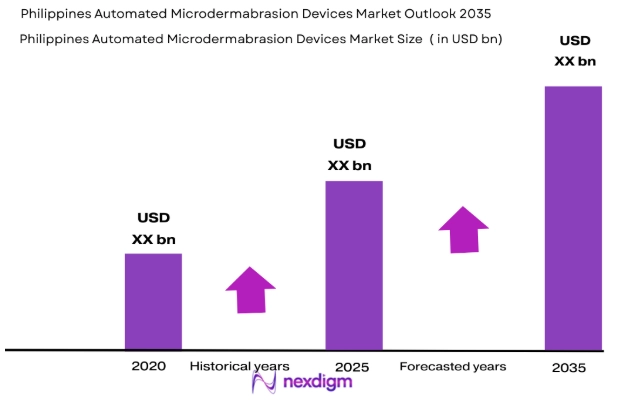
Over the next six years, the Philippines Automated Microdermabrasion Devices market is expected to witness steady growth. The market will benefit from technological advancements that make devices more effective and easier to use, along with the continuous increase in consumer awareness regarding skincare and non-invasive beauty treatments. Additionally, the growing demand for at-home devices is expected to rise, further fueling market expansion. The market will also see innovations that make devices more affordable, driving the adoption among middle-income consumers.
Major Players in the Market
- PMD Beauty
- Neutrogena
- Philips
- DermaMed
- Personal Microderm
- Silkn
- BellaWave
- Microderm GLO
- Neutrogena
- L’Oréal
- Estée Lauder
- Galderma
- Remington
- Conair
- Vanity Planet
Key Target Audience
- Investments and Venture Capitalist Firms
- Government and Regulatory Bodies (e.g., Department of Health, Philippines Food and Drug Administration)
- Aesthetic Clinics Owners and Managers
- Dermatologists and Skincare Professionals
- Retail Chains and E-commerce Platforms
- Importers and Distributors of Beauty Devices
- Cosmetic Product Manufacturers
- Health and Wellness Advocates
Research Methodology
Step 1: Identification of Key Variables
The initial phase involves constructing an ecosystem map encompassing all major stakeholders within the Philippines Automated Microdermabrasion Devices Market. This step includes gathering data from secondary research sources, such as industry reports, and conducting interviews with market experts to understand key drivers of growth and emerging trends.
Step 2: Market Analysis and Construction
In this phase, historical data on market trends, device adoption rates, and sales figures will be compiled and analyzed. The goal is to assess the current market structure and understand the growth trajectory based on product type, end-user preferences, and regional adoption.
Step 3: Hypothesis Validation and Expert Consultation
Market hypotheses are validated through consultations with industry experts, dermatologists, and major companies in the microdermabrasion device market. The insights gained will help refine the market data and provide a more accurate assessment of the market’s dynamics and future outlook.
Step 4: Research Synthesis and Final Output
The final phase includes engaging with key manufacturers and market participants to verify product offerings, sales data, and technological innovations. This interaction ensures that the analysis is robust, reflecting accurate market conditions and projections.

- Executive Summary
- Research Methodology (Market Definitions and Assumptions, Abbreviations, Market Sizing Approach, Consolidated Research Approach, Understanding Market Potential Through In-Depth Industry Interviews, Primary Research Approach, Limitations and Future Conclusions)

- Definition and Scope
- Overview Genesis
- Timeline of Major Players
- Business Cycle
- Supply Chain and Value Chain Analysis

- Growth Drivers
Increasing Demand for Non-invasive Skin Treatments
Rising Beauty Consciousness
Technological Advancements in Microdermabrasion Devices - Market Challenges
High Cost of Devices
Regulatory and Compliance Hurdles
Consumer Awareness and Education - Opportunities
Surge in At-Home Skin Care Devices
Untapped Rural Markets
Increasing Affordability with New Innovations - Trends
Rise in Popularity of Personalized Treatments
Integration of Artificial Intelligence and Automation in Devices
- Government Regulation
Regulation of Medical Devices
Standards for Device Quality and Safety
- SWOT Analysis
- Stake Ecosystem
- Porter’s Five Forces Analysis
- Competition Ecosystem

- By Value, 2020-2025
- By Volume, 2020-2025
- By Average Price, 2020-2025

- By Device Type (In Value %)
Handheld Devices
Tabletop Devices
Portable Devices - By End User (In Value %)
Dermatologists
Aesthetic Clinics
Home Care Users - By Technology (In Value %)
Diamond Microdermabrasion
Crystal Microdermabrasion
Hydra Dermabrasion - By Distribution Channel (In Value %)
Online Retailers
Offline Retailers
Direct Sales - By Region (In Value %)
Luzon
Visayas
Mindanao

- Market Share of Major Players by Value and Volume
- Cross Comparison Parameters (Company Overview, Business Strategies, Recent Developments, Strength, Weakness, Organizational Structure, Revenues, Number of Touchpoints, Distribution Channels, Number of Dealers and Distributors, Margins, Production Plant, Capacity, Unique Value Offering, and others)
- SWOT Analysis of Major Players
- Pricing Analysis for Key Competitors in the Market
Detailed Profiles of Major Companies
NuSkin Enterprises
PMD Beauty
DermaMed
Personal Microderm
Silkn
BellaWave
Microderm GLO
Neutrogena
L’Oréal
Estée Lauder
Galderma
Philips
Remington
Conair
Vanity Planet

- Market Demand and Utilization
- Purchasing Power and Budget Allocations
- Regulatory and Compliance Requirements
- Needs, Desires, and Pain Point Analysis
- Decision-Making Process

- By Value, 2026-2035
- By Volume, 2026-2035
- By Average Price, 2026-2035


 Request a Sample
 Ask for Customization
 Get a Quote
 Enquire Now