
 Download PDF
 Download PDF
Market Overview
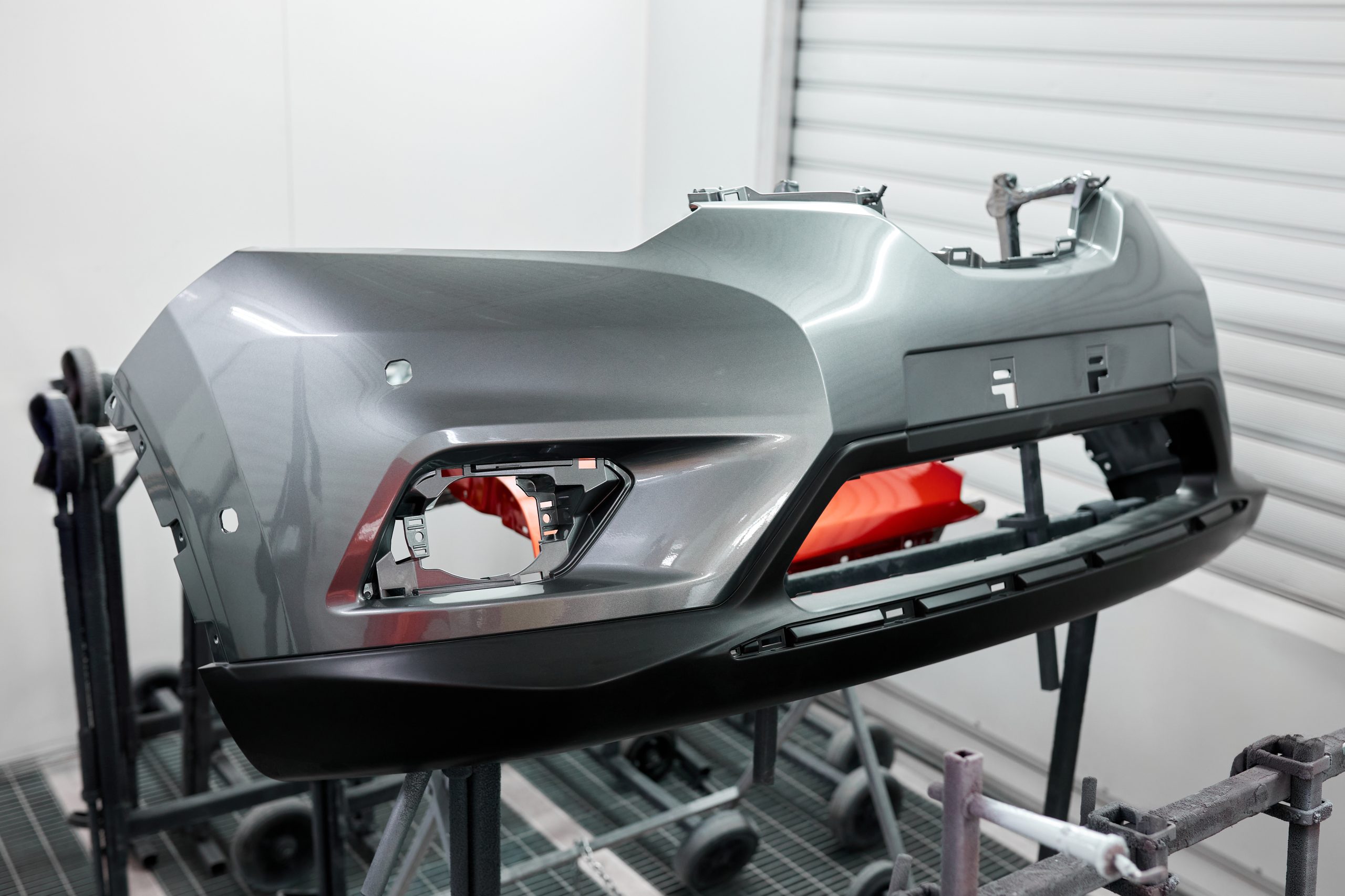
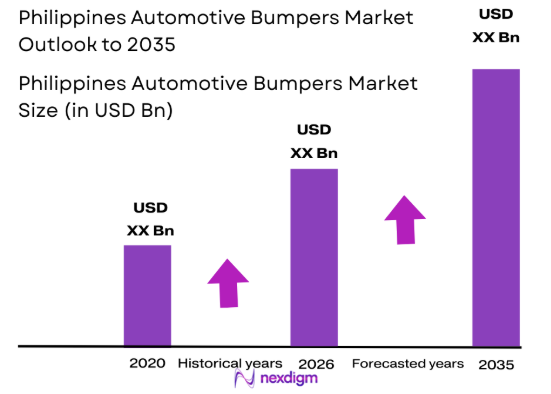
The Philippines Automotive Bumpers market is witnessing strong growth, driven by the rising demand for lightweight, durable, and energy-efficient bumper solutions in the automotive sector. Based on a recent historical assessment, the market is valued at approximately USD ~ billion, supported by the ongoing development of the country’s automotive production. The shift toward electric vehicles, coupled with government support for eco-friendly technologies, is fueling the demand for advanced bumper materials such as composites and plastics, which are lighter and more cost-effective compared to traditional metal options.
Key cities like Manila, Cebu, and Davao dominate the automotive manufacturing sector in the Philippines due to their strategic locations and well-established infrastructure. These urban centers benefit from strong logistics networks, robust manufacturing capabilities, and proximity to international markets, making them vital hubs for the production and distribution of automotive parts. Furthermore, the ongoing growth of the local automotive industry is supported by both local and foreign investments in these regions, contributing to their prominence in the automotive bumper market.
Market Segmentation
By Product Type
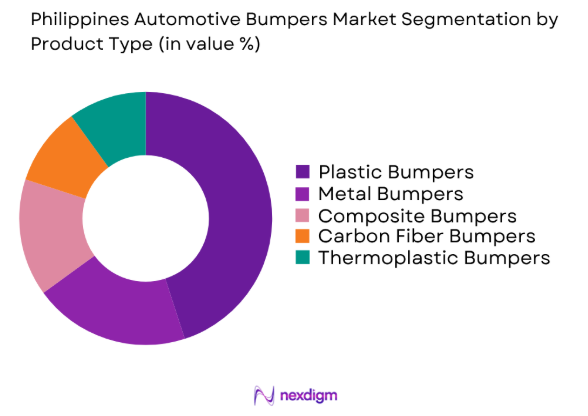
The Philippines Automotive Bumpers market is segmented by product type into plastic bumpers, metal bumpers, composite bumpers, carbon fiber bumpers, and thermoplastic bumpers. Plastic bumpers are the dominant sub-segment, largely driven by their lightweight characteristics, cost-effectiveness, and ease of manufacturing. The shift toward sustainable materials and environmental regulations encouraging the use of lightweight components are boosting the popularity of plastic bumpers. These factors, along with the demand for cost-efficient solutions in mass-produced vehicles, make plastic bumpers the market leader in the country.
By Vehicle Type
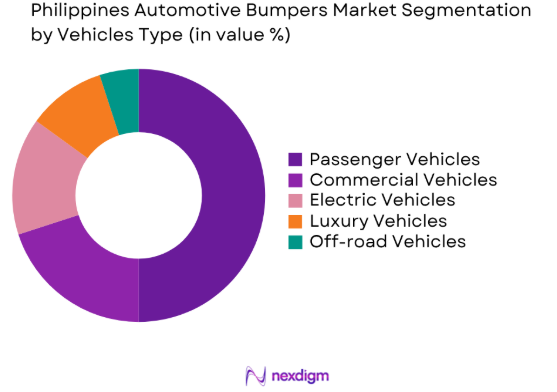
The Philippines Automotive Bumpers market is segmented by vehicle type into passenger vehicles, commercial vehicles, electric vehicles, luxury vehicles, and off-road vehicles. Passenger vehicles lead the market due to their widespread demand in urban areas where personal mobility remains a priority. As the largest category in the automotive sector, the growing consumer base for compact and fuel-efficient vehicles has fueled the dominance of passenger vehicles. Additionally, as more consumers turn to eco-friendly options, there is increasing demand for specialized bumpers suited for electric vehicles, further supporting the growth of the passenger vehicle segment.
Competitive Landscape
The Philippines Automotive Bumpers market is highly competitive, with both global and local players operating across various sub-segments. Large multinational companies dominate the market, focusing on innovation and cost leadership. They are investing in advanced manufacturing technologies and developing eco-friendly materials in response to growing consumer demand for sustainable products. Consolidation in the sector is evident as smaller players partner with major manufacturers or exit the market, making room for dominant players to expand their influence in the region.
| Company Name | Establishment Year | Headquarters | Technology Focus | Market Reach | Key Products | Revenue (USD Billion) | Additional Parameter |
| Toyota Boshoku Corporation | 1955 | Japan | ~ | ~ | ~ | ~ | ~ |
| Magna International Inc. | 1957 | Canada | ~ | ~ | ~ | ~ | ~ |
| Valeo S.A. | 1923 | France | ~ | ~ | ~ | ~ | ~ |
| Hyundai Mobis | 1977 | South Korea | ~ | ~ | ~ | ~ | ~ |
| Plastic Omnium | 1946 | France | ~ | ~ | ~ | ~ | ~ |
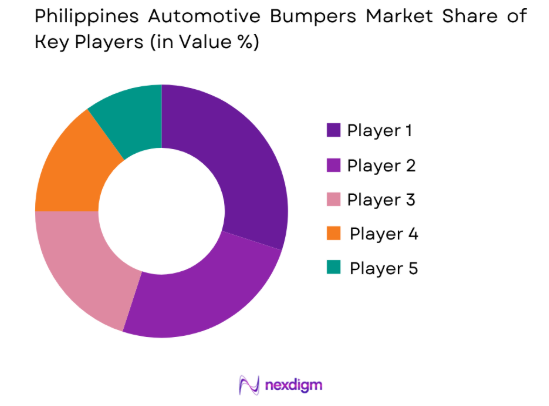
Philippines Automotive Bumpers Market Analysis
Growth Drivers
Increased Demand for Lightweight Automotive Components
The demand for lightweight vehicles in the Philippines is driven by fuel efficiency regulations and environmental concerns, making it a key growth driver in the automotive bumpers market. Lightweight bumpers play a crucial role in reducing vehicle weight, leading to improved fuel efficiency and lower CO2 emissions. As the adoption of lightweight materials such as plastic, composites, and thermoplastics rises, manufacturers have significant opportunities to cater to this trend. With increasing consumer demand for energy-efficient vehicles, manufacturers are focusing on producing cost-effective and lightweight bumper solutions. This shift towards sustainable materials will continue to influence the market’s growth in the coming years, supporting a more eco-friendly automotive sector.
Expansion of the Electric Vehicle Market
The growing adoption of electric vehicles (EVs) in the Philippines is driving demand for specialized bumpers designed to meet the unique requirements of these vehicles. As the EV market expands, there is an increasing need for bumpers that are lightweight and compatible with electric vehicle safety standards. Manufacturers are also focusing on incorporating advanced materials such as composites and thermoplastics to cater to the electric vehicle segment. Government incentives for green technologies and the growing preference for eco-friendly solutions are expected to boost the production and adoption of electric vehicles, leading to increased demand for specialized bumpers designed to meet the needs of these vehicles.
Market Challenges
High Cost of Advanced Materials
The high cost of advanced bumper materials, such as composite and carbon fiber, remains a significant challenge in the Philippines automotive bumpers market. These materials require complex manufacturing processes, leading to higher production costs. Consequently, vehicles with these advanced bumpers are often more expensive, which may limit their adoption, particularly in cost-sensitive segments. As consumer preferences shift toward more affordable options, the higher cost of composite and carbon fiber bumpers may pose barriers to their widespread use. Manufacturers need to find a balance between cost-effective solutions and maintaining the performance, durability, and sustainability of these advanced materials to remain competitive while addressing market demands.
Supply Chain and Raw Material Availability
The Philippines automotive bumper industry faces challenges in sourcing raw materials like plastic, metal, and composites, with global supply chain disruptions exacerbating the issue. Natural disasters or trade conflicts can cause delays in production and increase material costs, affecting manufacturers’ ability to meet demand on time. These supply chain interruptions may lead to missed production targets and higher product prices, impacting overall market competitiveness. Ensuring supply chain efficiency is vital for the industry’s success, as significant disruptions could hinder manufacturers’ ability to deliver products in a timely and cost-effective manner, ultimately impacting market growth and stability. Maintaining a robust supply chain is essential for sustained market performance.
Opportunities
Growing Aftermarket Demand
The growing trend of vehicle customization in the Philippines offers a significant opportunity for the automotive bumpers market. Aftermarket bumpers, which allow consumers to personalize their vehicles, are becoming increasingly popular as disposable incomes rise and consumer interest in vehicle aesthetics grows. As consumers seek to enhance both the appearance and functionality of their vehicles, the demand for custom and aftermarket bumpers is expected to rise. Manufacturers and retailers who cater to this demand by offering a variety of customization options can capitalize on this trend, expanding their product offerings and meeting the evolving needs of consumers seeking unique vehicle modifications.
Government Support for Electric Vehicles
The Philippine government is promoting the transition to electric vehicles (EVs) by offering various incentives and subsidies. This regulatory support is expected to accelerate the growth of the EV market, driving demand for specialized bumpers tailored to these vehicles. Manufacturers can capitalize on this opportunity by producing lightweight, durable bumpers that cater to the specific needs of electric vehicles. As the adoption of EVs increases, the demand for eco-friendly and cost-efficient bumper solutions will rise, providing significant growth prospects for manufacturers in the Philippines automotive bumpers market. This growing emphasis on sustainability and energy efficiency in the automotive sector will encourage the development of innovative bumper technologies.
Future Outlook
The Philippines automotive bumpers market is expected to continue growing over the next five years, with increasing adoption of lightweight materials and the expansion of electric vehicle production. Technological advancements in bumper materials, such as the use of composites and thermoplastics, will drive product innovation and improve overall performance. Additionally, government incentives and the growing demand for eco-friendly solutions will boost the electric vehicle market, providing new opportunities for bumper manufacturers. The market will likely experience steady growth, driven by consumer preferences for energy-efficient and customizable vehicle components.
Major Players
- Toyota Boshoku Corporation
- Magna International Inc.
- Valeo S.A.
- Hyundai Mobis
- Plastic Omnium
- Faurecia
- Seung Jin Tech
- SichuanYahuaIndustrial Group
- Hyundai Steel
- Aisin Seiki Co.
- RochlingGroup
- BASF
- Gac Component Group
- Keihin Corporation
- Lear Corporation
Key Target Audience
- Investments and venture capitalist firms
- Government and regulatory bodies
- Automobile manufacturers
- Automotive parts suppliers
- Retailers and distributors
- E-commerce platforms
- Car customization shops
- End consumers
Research Methodology
Step 1: Identification of Key Variables
The key variables influencing the automotive bumpers market in the Philippines, such as vehicle type, materials, and manufacturing processes, are identified through secondary research and market analysis.
Step 2: Market Analysis and Construction
Detailed market construction is carried out using a combination of secondary data and expert interviews, providing insights into market trends and competitive dynamics.
Step 3: Hypothesis Validation and Expert Consultation
Hypotheses are validated with industry experts and stakeholders, ensuring that the market’s key drivers, challenges, and opportunities are accurately captured.
Step 4: Research Synthesis and Final Output
The final market report synthesizes all gathered data, providing comprehensive insights into the automotive bumpers market in the Philippines, including market size, segmentation, competitive landscape, and future outlook.

- Executive Summary
- Research Methodology (Definitions, Scope, Industry Assumptions, Market Sizing Approach, Primary & Secondary Research Framework, Data Collection & Verification Protocol, Analytic Models & Forecast Methodology, Limitations & Research Validity Checks)

- Market Definition and Scope
- Value Chain & Stakeholder Ecosystem
- Regulatory / Certification Landscape
- Sector Dynamics Affecting Demand
- Strategic Initiatives & Infrastructure Growth

- Growth Drivers
Increased Vehicle Production in Emerging Markets
Rising Demand for Lightweight Materials in Automotive Manufacturing
Advancements in Automotive Safety Standards - Market Challenges
High Cost of Composite and Carbon Fiber Materials
Fluctuating Raw Material Prices
Limited Consumer Awareness in Emerging Markets - Market Opportunities
Growing Electric Vehicle Market
Increased Consumer Demand for Customized Vehicle Components
Expansion of Online Vehicle Part Retailing - Trends
Focus on Sustainable Materials for Bumper Production
Introduction of Smart Bumper Technology
Shift Towards Modular Bumper Designs - Government Regulations
- SWOT Analysis of Key Competitors
- Porter’s Five Forces

- By Market Value, 2020-2025
- By Installed Units, 2020-2025
- By Average System Price, 2020-2025
- By System Complexity Tier, 2020-2025

- By System Type (In Value%)
Plastic Bumpers
Metal Bumpers
Composite Bumpers
Carbon Fiber Bumpers
Thermoplastic Bumpers - By Platform Type (In Value%)
Passenger Vehicles
Commercial Vehicles
Electric Vehicles
Luxury Vehicles
Off-road Vehicles - By Fitment Type (In Value%)
OEM Bumpers
Aftermarket Bumpers
Integrated Bumpers
Custom Bumpers
Standard Bumpers - By End User Segment (In Value%)
Automobile Manufacturers
Aftermarket Suppliers
Retail Distributors
Auto Repair Centers
Vehicle Modifiers - By Procurement Channel (In Value%)
Direct Procurement
Dealerships
E-commerce Platforms
Third-party Distributors
Private Sector Procurement

- Market Share Analysis
- Cross Comparison Parameters (Material Type, Vehicle Type, Procurement Channel, End User Segment, Fitment Type, Manufacturing Process, Bumper Functionality, Safety Standards, Customization Level, Geographical Presence)
- SWOT Analysis of Key Competitors
- Pricing & Procurement Analysis
- Key Players
Toyota Boshoku Corporation
Magna International Inc.
Valeo S.A.
Hyundai Mobis
Plastic Omnium
Continental AG
Faurecia
Seung Jin Tech
Sichuan Yahua Industrial Group
Hyundai Steel
Aisin Seiki Co.
Rochling Group
BASF
Gac Component Group
Keihin Corporation

- Automobile Manufacturers’ Emphasis on Lightweight Design
- Increase in Aftermarket Vehicle Customization
- Retail Distributors Adapting to E-commerce Trends
- Vehicle Modifiers Seeking Durable, Customizable Parts

- Forecast Market Value, 2026-2035
- Forecast Installed Units, 2026-2035
- Price Forecast by System Tier, 2026-2035
- Future Demand by Platform, 2026-2035


 Request a Sample
 Ask for Customization
 Get a Quote
 Enquire Now