
 Download PDF
 Download PDF
Market Overview
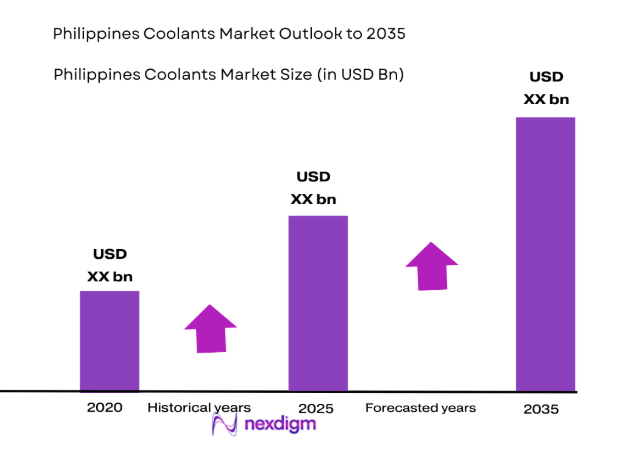
The Philippines Automotive Sealants Market is valued based on a recent historical assessment. It is driven by the expanding automotive industry, increased vehicle production, and growing consumer demand for enhanced vehicle performance. Sealants play a crucial role in improving the structural integrity, safety, and aesthetics of automotive applications. The market size is expected to reach approximately USD ~ billion, as manufacturers focus on offering products that meet evolving automotive requirements.
The market is primarily dominated by major cities like Manila, Cebu, and Davao, which are hubs for automotive manufacturing and assembly. The Philippines’ automotive market has benefitted from foreign investments and government initiatives aimed at boosting local production and expanding infrastructure. The growing demand for passenger and commercial vehicles has driven the demand for automotive sealants in the region, with manufacturers focusing on advanced sealing technologies to meet rising consumer expectations for vehicle performance and quality.
Market Segmentation
By Product Type
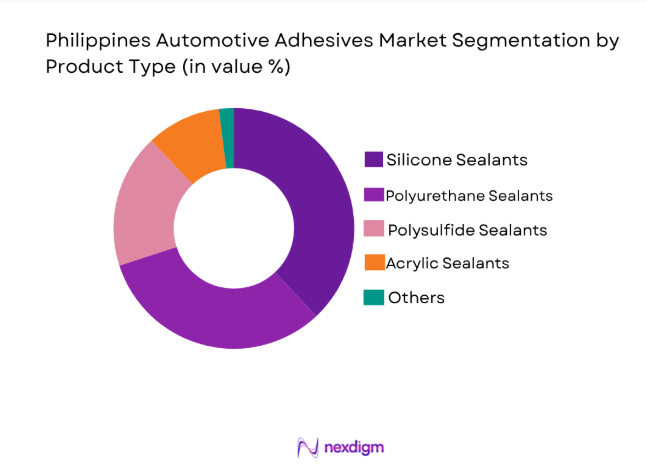
The Philippines Automotive Sealants market is segmented by product type into silicone sealants, polyurethane sealants, polysulfide sealants, acrylic sealants, and others. Recently, silicone sealants have dominated the market due to their superior durability and resistance to environmental factors such as moisture and temperature fluctuations. The automotive sector increasingly relies on silicone sealants for sealing windshields, windows, and other critical parts of the vehicle. This dominance is attributed to their excellent bonding properties and ability to maintain performance across different automotive applications.
By Platform Type
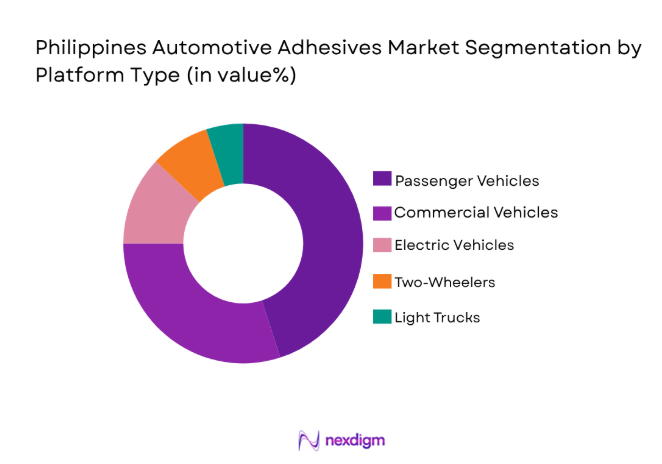
The market is segmented by platform type into passenger vehicles, commercial vehicles, electric vehicles (EVs), two-wheelers, and light trucks. Passenger vehicles dominate the market share, largely due to their large volume in automotive production and consumer demand. As consumers continue to prioritize vehicle durability and comfort, manufacturers are focusing on providing high-quality sealants for passenger vehicles. Additionally, with increasing concerns about environmental impact, the adoption of more sustainable sealant materials is expected to continue influencing this segment’s market dominance.
Competitive Landscape
The competitive landscape of the Philippines Automotive Sealants Market is characterized by both global and regional players. Major companies are focusing on expanding their production capacity and introducing innovative sealant products that meet automotive industry standards. Increasing consolidation in the market, driven by partnerships and acquisitions, is evident, with established companies enhancing their market reach and technological capabilities. This trend is further reinforced by the growing demand for high-performance sealants in various automotive applications.
| Company Name | Establishment Year | Headquarters | Technology Focus | Market Reach | Key Products | Revenue (USD) | Key Market Parameter |
| Henkel | 1876 | Germany | ~ | ~ | ~ | ~ | ~ |
| Sika | 1910 | Switzerland | ~ | ~ | ~ | ~ | ~ |
| 3M | 1902 | USA | ~ | ~ | ~ | ~ | ~ |
| BASF | 1865 | Germany | ~ | ~ | ~ | ~ | ~ |
| Dow | 1897 | USA | ~ | ~ | ~ | ~ | ~ |
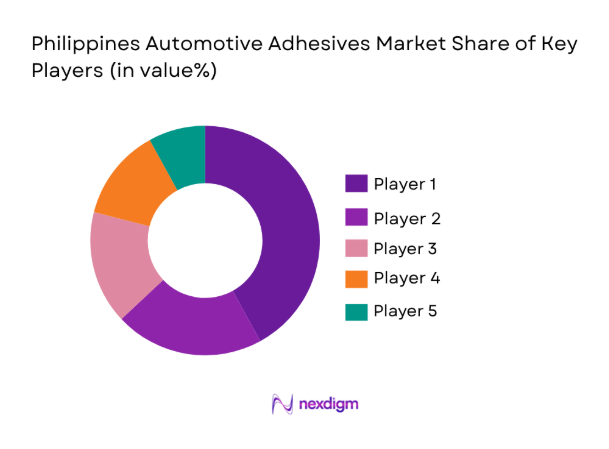
Philippines Automotive Sealants Market Analysis
Growth Drivers
Increased Automotive Production
The growth in automotive production, especially in the Philippines, is a major driver for the demand for automotive sealants. The automotive sector is expanding due to increased domestic production and imports, particularly in key metropolitan areas like Manila, Cebu, and Davao. This growth has been fueled by rising consumer demand for both passenger and commercial vehicles. As production volumes rise, so does the need for durable sealants to ensure the structural integrity and safety of vehicles. Sealants play an essential role in vehicle performance, enhancing aspects such as safety, noise reduction, and environmental resistance. As the automotive industry continues to expand, sealant manufacturers are ramping up production capacities and focusing on innovation to meet the evolving demand for high-quality, durable sealants across various vehicle models.
Expanding Automotive Aftermarket Services
The growing demand for vehicle repairs and maintenance services is a key driver for the Philippines automotive sealants market. As vehicles age, the need for aftermarket services such as repairs, windshield replacements, and bodywork repairs increases significantly. Automotive sealants are crucial for ensuring the durability and performance of repaired parts, including windshield seals, bodywork, and engine compartments. As more repair centers open across the Philippines, particularly in urban areas, there is a corresponding rise in demand for high-quality sealants to address both structural and aesthetic needs. The increasing consumer awareness about the importance of vehicle maintenance and the growing preference for quality repairs are expected to further fuel the demand for automotive sealants in the aftermarket sector.
Market Challenges
High Raw Material Costs
One of the most significant challenges facing manufacturers in the Philippines automotive sealants market is the rising cost of raw materials. Automotive sealants are primarily made from materials such as silicone, polyurethane, and polysulfide, which are highly sensitive to fluctuations in global raw material prices. As these raw materials become more expensive due to various global economic factors, manufacturers are under pressure to either absorb the increased costs or pass them on to consumers. This issue poses a threat to the affordability of sealants, potentially limiting market growth. Additionally, higher material costs may hinder the development of cost-effective alternatives, making it critical for manufacturers to innovate and optimize production methods to maintain profitability without compromising product quality.
Technological Barriers to Advanced Formulations
Another significant challenge in the automotive sealants market is the technological barrier to developing advanced formulations that meet the latest automotive industry requirements. The rise of electric vehicles (EVs) and the increasing use of new materials in vehicle manufacturing has made it essential for automotive sealants to be more adaptable and compatible with these advancements. Traditional sealants may not meet the specific demands of new EV designs, which require high-performance, specialized sealants for battery compartments, electrical wiring, and body parts. This creates a need for continuous research and development to create more innovative formulations that offer superior durability, performance, and resistance to various environmental conditions, adding pressure on manufacturers to keep up with evolving technological standards.
Opportunities
Growth of Electric Vehicle Production
The increasing shift towards electric vehicles (EVs) presents significant growth opportunities for the Philippines automotive sealants market. As the demand for EVs continues to rise, the need for specialized sealants designed to ensure battery safety, electrical component sealing, and waterproofing also increases. EV manufacturers require sealants that can handle the unique challenges of electric vehicle design, such as providing protection for high-voltage battery packs, electrical circuits, and other sensitive components. With the global automotive industry shifting towards sustainability, the demand for eco-friendly and high-performance sealants specifically tailored for EVs is expected to continue growing. This presents a lucrative opportunity for manufacturers who can offer advanced sealing solutions that meet these new, complex requirements and contribute to the overall safety and efficiency of electric vehicles.
Integration of Advanced Sealing Technologies
As the automotive industry increasingly focuses on performance, durability, and sustainability, the integration of advanced sealing technologies presents a major opportunity for market players. Manufacturers are exploring innovations in smart sealants, which offer features like self-healing and better resistance to extreme weather conditions. Additionally, the development of high-performance sealants that provide energy efficiency, noise reduction, and environmental resistance is growing in demand. With heightened consumer expectations regarding vehicle longevity and quality, companies that can introduce state-of-the-art sealing solutions, including eco-friendly options, will be positioned as market leaders. The ongoing focus on sustainability within the automotive industry also creates an opportunity for manufacturers to create environmentally friendly sealing products that align with the growing preference for greener production practices and materials.
Future Outlook
The Philippines automotive sealants market is expected to grow steadily over the next five years, driven by advancements in automotive production technologies and the increasing adoption of electric vehicles. As the automotive sector expands and demand for durable, high-performance materials increases, sealants will continue to play a critical role in enhancing vehicle safety, aesthetics, and longevity. Regulatory support for sustainable production practices and the growing focus on eco-friendly materials will further encourage market growth. The next few years are expected to witness significant technological developments, especially in smart and eco-friendly sealant solutions, positioning the market for continued expansion.
Major Players
- Henkel
- Sika
- 3M
- BASF
- Dow
- H.B. Fuller
- Permatex
- Royal Adhesives & Sealants
- AkzoNobel
- Kraton Polymers
- Scapa
- Avery Dennison
- ITW
- Lord Corporation
- Armacell
Key Target Audience
- Investments and venture capitalist firms
- Government and regulatory bodies
- Automotive manufacturers
- Automotive component suppliers
- Vehicle repair centers
- Raw material suppliers
- Logistics and transportation companies
Research Methodology
Step 1: Identification of Key Variables
We identify critical market variables such as demand trends, competitive landscape, and technological advancements to frame the scope of the research.
Step 2: Market Analysis and Construction
Data from primary and secondary sources are analyzed to construct a robust market model that reflects real-world conditions.
Step 3: Hypothesis Validation and Expert Consultation
Market hypotheses are validated through discussions with industry experts to ensure alignment with market dynamics.
Step 4: Research Synthesis and Final Output
The collected data and insights are synthesized to generate the final report, providing actionable intelligence for decision-makers.

- Executive Summary
- Research Methodology (Definitions, Scope, Industry Assumptions, Market Sizing Approach, Primary & Secondary Research Framework, Data Collection & Verification Protocol, Analytic Models & Forecast Methodology, Limitations & Research Validity Checks)

- Market Definition and Scope
- Value Chain & Stakeholder Ecosystem
- Regulatory / Certification Landscape
- Sector Dynamics Affecting Demand
- Strategic Initiatives & Infrastructure Growth

- Growth Drivers
Increasing automotive production
Shift towards electric vehicles
Growing demand for eco-friendly materials - Market Challenges
High raw material costs
Technological barriers to advanced sealant formulations
Regulatory pressures on emissions - Market Opportunities
Growth of electric vehicle production
Integration of advanced sealing technologies
Increase in automotive aftermarket services - Trends
Development of high-performance sealants
Adoption of smart sealant technologies - Government Regulations
Regulatory compliance for emissions
Material safety standards for sealants
Environmental regulations on manufacturing processes - SWOT Analysis
- Porter’s Five Forces

- By Market Value, 2020-2025
- By Installed Units, 2020-2025
- By Average System Price, 2020-2025
- By System Complexity Tier, 2020-2025

- By System Type (In Value%)
Sealant Type 1
Sealant Type 2
Sealant Type 3
Sealant Type 4
Sealant Type 5 - By Platform Type (In Value%)
Passenger Cars
Commercial Vehicles
Electric Vehicles
Two-wheelers
Light Trucks - By Fitment Type (In Value%)
OEM
Aftermarket
Replacement
Custom Fit - By End User Segment (In Value%)
Automotive Manufacturers
Automotive Component Suppliers
Vehicle Repair Centers

- Market Share Analysis
- Cross Comparison Parameters (Sealant Type, Platform Type, Fitment Type, End User Segment, OEM vs Aftermarket, Technology Adoption, Pricing Strategy)
- SWOT Analysis of Key Competitors
- Pricing & Procurement Analysis
- Key Players
Henkel
Sika
3M
BASF
Dow
H.B. Fuller
Permatex
Royal Adhesives & Sealants
AkzoNobel
Kraton Polymers
Scapa
Avery Dennison
ITW
Lord Corporation
Armacell

- Demand from the automotive manufacturing sector
- Shift towards sealant technologies in EVs
- Rising requirements for effective sealing in commercial vehicles
- Increased demand in vehicle repair centers

- Forecast Market Value, 2026-2035
- Forecast Installed Units, 2026-2035
- Price Forecast by System Tier, 2026-2035
- Future Demand by Platform, 2026-2035


 Request a Sample
 Ask for Customization
 Get a Quote
 Enquire Now