

 Download PDF
 Download PDF
Market Overview
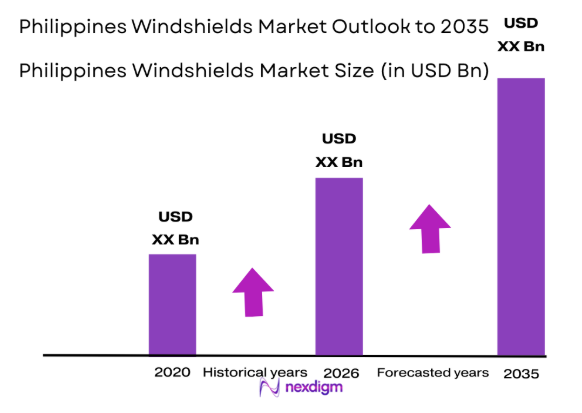
The Philippines Windshields market is experiencing significant growth, driven by increasing vehicle production and rising demand for advanced automotive safety technologies. Based on a recent historical assessment, the market size is valued at approximately USD ~ billion. Factors such as a growing automotive sector, the rising adoption of electric vehicles, and advancements in windshield materials and technologies, such as laminated and heated glass, are propelling the demand for high-quality windshields across various vehicle types. These developments are supported by improvements in manufacturing processes and innovations in windshield technologies for enhanced performance and durability.
Metro Manila and major urban areas like Cebu and Davao dominate the Philippines windshield market due to their higher vehicle ownership and automotive infrastructure. These cities account for the majority of windshield demand, fueled by the region’s economic growth, expanding commercial sectors, and increasing disposable incomes. In addition, these areas are central to the country’s automotive manufacturing and repair networks, making them key contributors to market expansion. The ongoing investments in automotive infrastructure, along with strong demand for both OEM and aftermarket products, further drive the dominance of these cities.
Market Segmentation
By Product Type
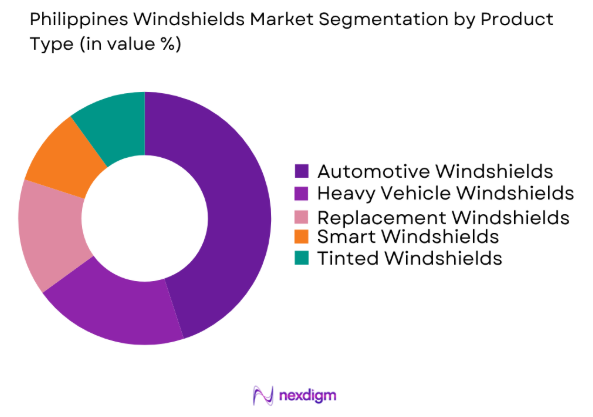
The Philippines windshields market is segmented by product type into automotive windshields, heavy vehicle windshields, replacement windshields, smart windshields, and tinted windshields. Recently, automotive windshields have held a dominant market share due to the increasing number of passenger vehicles on the road, particularly in urban areas. Factors such as consumer preference for advanced safety features and the need for durable, high-performance glass have further contributed to the growth of this sub-segment. Additionally, technological innovations in windshield design, such as improved material quality and integration of smart functionalities, are further boosting the automotive windshield segment’s growth.
By Platform Type
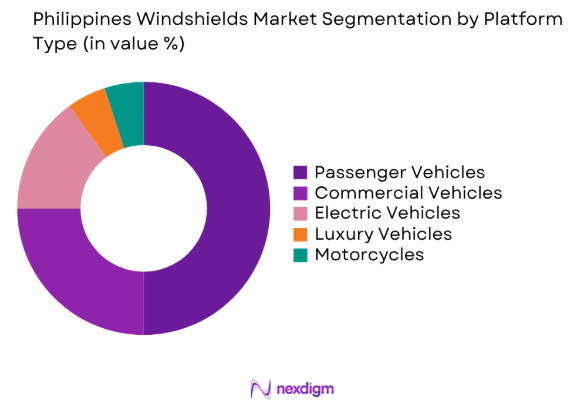
The market is segmented by platform type into passenger vehicles, commercial vehicles, electric vehicles, luxury vehicles, and motorcycles. Passenger vehicles dominate the market due to the rapid expansion of the middle class and increasing vehicle ownership. The rising preference for advanced safety technologies in consumer vehicles, such as laminated glass and smart windshields, also contributes to the strong performance of this segment. Additionally, the growing adoption of electric vehicles is providing further opportunities for growth, as these vehicles often require specialized windshields for energy efficiency and enhanced aerodynamics.
Competitive Landscape
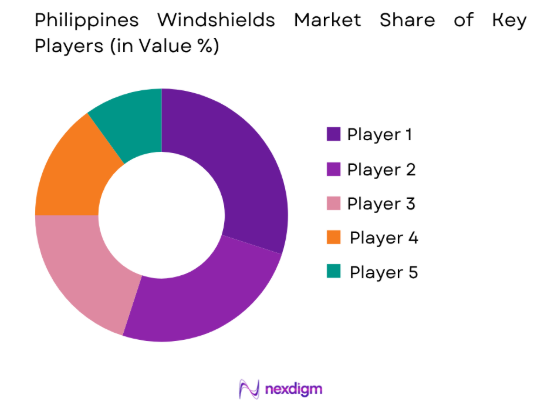
The competitive landscape of the Philippines windshield market is shaped by both global and local players. Major international manufacturers dominate the market with advanced technological offerings, while local players focus on cost-effective solutions tailored to the region’s specific needs. Consolidation in the industry has led to strategic partnerships and joint ventures, allowing players to expand their reach and enhance product offerings. The strong presence of key automotive brands, coupled with ongoing technological advancements, drives competition, resulting in improved product quality and market growth.
| Company Name | Establishment Year | Headquarters | Technology Focus | Market Reach | Key Products | Revenue (USD) | Market-Specific Parameter |
| Saint-Gobain | 1665 | France | ~ | ~ | ~ | ~ | ~ |
| Fuyao Glass | 1987 | China | ~ | ~ | ~ | ~ | ~ |
| Asahi Glass | 1907 | Japan | ~ | ~ | ~ | ~ | ~ |
| Guardian Industries | 1932 | USA | ~ | ~ | ~ | ~ | ~ |
| Pilkington | 1826 | UK | ~ | ~ | ~ | ~ | ~ |
Philippines Windshields Market Analysis
Growth Drivers
Technological Advancements in Windshield Materials
Technological advancements in windshield materials are a key growth driver in the Philippines windshield market. The demand for high-performance windshields with enhanced safety features, such as laminated safety glass, UV-protective coatings, and self-healing glass, has significantly increased. These materials offer improved durability, impact resistance, and better driving experiences, fueling growth. The rise of electric and autonomous vehicles, which require specialized materials for aerodynamics and energy efficiency, further contributes to this demand. As these innovations continue to evolve, the need for advanced windshield technologies is expected to grow, offering new opportunities for manufacturers and meeting the increasing consumer preference for safety and performance.
Government Regulations Supporting Safety Standards
Government regulations are playing a significant role in shaping the growth of the windshield market. Stricter safety standards are being enforced for vehicle manufacturing, which has increased the demand for high-quality windshields that meet these requirements. As road safety becomes a priority, the demand for windshields with advanced safety features such as impact resistance and UV protection continues to rise. In addition, government initiatives aimed at improving road safety and promoting the adoption of electric vehicles are also expected to further propel market growth in the coming years. Regulatory pressure for improved vehicle safety and environmental standards will continue to drive innovation in the windshield market.
Market Challenges
Supply Chain Disruptions
A major challenge in the Philippines windshield market is supply chain disruptions, especially due to global events like the COVID-19 pandemic. The reliance on imported raw materials, such as glass and specialized components, leaves the market vulnerable to interruptions. These disruptions lead to production delays and rising costs, impacting both manufacturers and consumers. Fluctuating material prices and trade restrictions further complicate the situation, making it difficult to maintain a stable supply chain. To ensure continued market growth, companies must find ways to address these challenges, optimize their supply chains, and mitigate the impact of external factors on production timelines and costs.
High Production Costs
The production of advanced windshields in the Philippines comes with high manufacturing costs, driven by the need for specialized raw materials, advanced technology, and skilled labor. The growing demand for premium windshields with integrated features like sensors, UV protection, and smart capabilities adds complexity and increases production expenses. Manufacturers must balance the rising costs of these premium products with the need to maintain competitive pricing. Additionally, increasing labor and energy costs further escalate production expenses. To stay competitive in the market, manufacturers must focus on optimizing production processes, exploring cost-effective materials, and enhancing operational efficiency without compromising the quality and technological advancements demanded by consumers.
Opportunities
Rise in Electric Vehicles
The rise of electric vehicles (EVs) offers a significant growth opportunity in the windshield market. EVs require specialized windshields that prioritize safety while also addressing the unique aerodynamic and energy efficiency requirements of these vehicles. Manufacturers capable of producing lightweight, durable, and energy-efficient windshields tailored to EVs will see increasing demand as the adoption of electric vehicles grows. The global shift toward sustainable transportation is expected to drive this trend further, with the Philippines likely to experience a surge in EV demand. This provides windshield suppliers with an opportunity to capitalize on the growing market by offering innovative solutions that meet the specific needs of electric vehicles, thus expanding their product offerings and customer base.
Expansion of Aftermarket Services
The expansion of automotive aftermarket services presents a significant opportunity for the windshield market. As vehicle numbers rise, the demand for windshield replacements and repairs grows accordingly. The growth of vehicle repair shops, mobile repair services, and e-commerce platforms for windshield procurement is driving this segment forward. Consumers are increasingly opting to replace damaged windshields with high-quality products that offer advanced safety features. Additionally, competitive pricing and improved service delivery are fueling the growth of aftermarket windshield services. With the rising demand for efficient and cost-effective replacement options, suppliers and service providers in the Philippines can capitalize on this growing trend to meet consumer expectations and enhance market presence.
Future Outlook
The future outlook for the Philippines windshield market appears positive, with several key trends expected to drive growth. Technological advancements in windshield materials, such as smart glass and eco-friendly options, are anticipated to continue to gain traction. Additionally, the rise of electric vehicles and autonomous cars will create new demand for specialized windshields. Strong government support for safety standards and sustainability will further boost the market. The expansion of the automotive aftermarket sector, particularly in urban areas, will also contribute to the growth of the windshield market in the coming years.
Major Players
- Saint-Gobain
- Fuyao Glass
- Asahi Glass
- Guardian Industries
- Pilkington
- Nippon Sheet Glass
- Xinyi Glass
- Corning Inc.
- Sika AG
- Toyota Boshoku
- Magna International
- Hella Gm
- Denso Corporation
- Tenneco
- Lear Corporation
Key Target Audience
- Investments and venture capitalist firms
- Government and regulatory bodies
- Automotive manufacturers
- OEM suppliers
- Vehicle repair service providers
- E-commerce platforms
- Automotive aftermarket distributors
- Fleet operators
Research Methodology
Step 1: Identification of Key Variables
This step involves identifying the key drivers and constraints influencing the windshield market, such as consumer demand, government regulations, and technological advancements.
Step 2: Market Analysis and Construction
A comprehensive market analysis is conducted through data collection from various sources to construct an accurate market framework, including production volumes and pricing trends.
Step 3: Hypothesis Validation and Expert Consultation
Market hypotheses are validated by consulting industry experts, manufacturers, and key stakeholders to ensure that the findings are robust and reliable.
Step 4: Research Synthesis and Final Output
The synthesized data is compiled into a detailed report, offering insights and recommendations for stakeholders to make informed decisions.

- Executive Summary
- Research Methodology (Definitions, Scope, Industry Assumptions, Market Sizing Approach, Primary & Secondary Research Framework, Data Collection & Verification Protocol, Analytic Models & Forecast Methodology, Limitations & Research Validity Checks)

- Market Definition and Scope
- Value Chain & Stakeholder Ecosystem
- Regulatory / Certification Landscape
- Sector Dynamics Affecting Demand
- Strategic Initiatives & Infrastructure Growth

- Growth Drivers
Technological Advancements in Windshield Materials
Increase in Vehicle Production and Sales
Government Regulations Promoting Safety Standards - Market Challenges
High Production and Material Costs
Dependence on Raw Material Imports
Supply Chain Disruptions - Market Opportunities
Rising Demand for Smart Windshields
Growth of Electric and Autonomous Vehicle Markets
Government Incentives for Safety Enhancements - Trends
Integration of Smart Technologies in Windshields
Eco-friendly and Sustainable Materials Adoption
Rise in Customization and Design Features - Government Regulations
- SWOT Analysis of Key Competitors
- Porter’s Five Forces

- By Market Value, 2020-2025
- By Installed Units, 2020-2025
- By Average System Price, 2020-2025
- By System Complexity Tier, 2020-2025

- By System Type (In Value%)
Automotive Windshields
Heavy Vehicle Windshields
Replacement Windshields
Smart Windshields
Tinted Windshields - By Platform Type (In Value%)
Passenger Vehicles
Commercial Vehicles
Electric Vehicles
Luxury Vehicles
Motorcycles - By Fitment Type (In Value%)
OEM Windshields
Aftermarket Windshields
Replacement Fitment
Custom Fitment
Premium Fitment - By End User Segment (In Value%)
Automotive Manufacturers
Aftermarket Service Providers
Vehicle Repair Shops
Fleet Operators
End Consumers - By Procurement Channel (In Value%)
Direct Procurement
Online Sales
Retail Networks
Wholesale Distributors
Third-Party Suppliers

- Market Share Analysis
- Cross Comparison Parameters (System Type, Platform Type, Procurement Channel, End User Segment, Fitment Type, Material Type, Technology Integration, Vehicle Type, Price Tier, Distribution Network)
- SWOT Analysis of Key Competitors
- Pricing & Procurement Analysis
- Key Players
Saint-Gobain
Fuyao Glass
Asahi Glass
Guardian Industries
Corning Inc.
Xinyi Glass
Nippon Sheet Glass
PGW Auto Glass
Fuyao Glass
AGC Automotive
Sika AG
Cie. de Saint-Gobain
Japan Glass
Safelite AutoGlass
Pilkington Automotive

- Growth in the Automotive Aftermarket Sector
- Increasing Adoption of Smart Features in Vehicles
- Demand for Durable and Impact-resistant Windshields
- Rise in Replacement Demand for Damaged Windshields

- Forecast Market Value, 2026-2035
- Forecast Installed Units, 2026-2035
- Price Forecast by System Tier, 2026-2035
- Future Demand by Platform, 2026-2035


 Request a Sample
 Ask for Customization
 Get a Quote
 Enquire Now