
 Download PDF
Market Overview
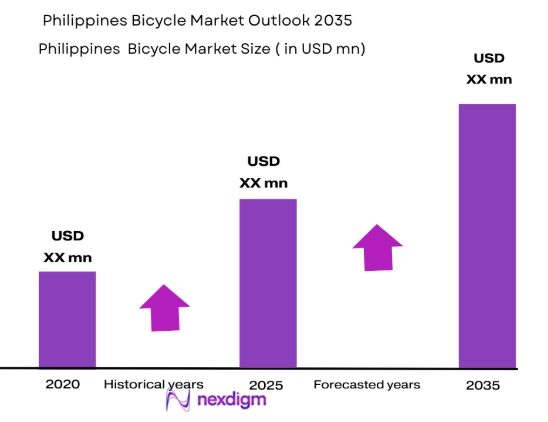
The Philippines Bicycle Market is projected to reach USD ~ million based on a recent historical assessment. This growth is driven by the increasing focus on sustainability, health, and fitness among Filipinos. Government initiatives to promote cycling as a green transportation solution, combined with a rise in eco-consciousness, have been key drivers. Furthermore, the adoption of bicycles for both recreational use and daily commuting continues to expand, as urban areas experience heavy traffic congestion, prompting residents to seek alternative modes of transport.
Cities like Metro Manila, Cebu, and Davao are leading the demand for bicycles due to their large populations, traffic congestion, and growing investments in cycling infrastructure. Metro Manila, the largest urban hub, has seen significant growth in cycling infrastructure, including bike lanes and bike-sharing programs. Similarly, Cebu and Davao are also developing cycling-friendly initiatives, which are bolstering the adoption of bicycles and contributing to the overall market growth across the country.
Market Segmentation
By Bicycles Type
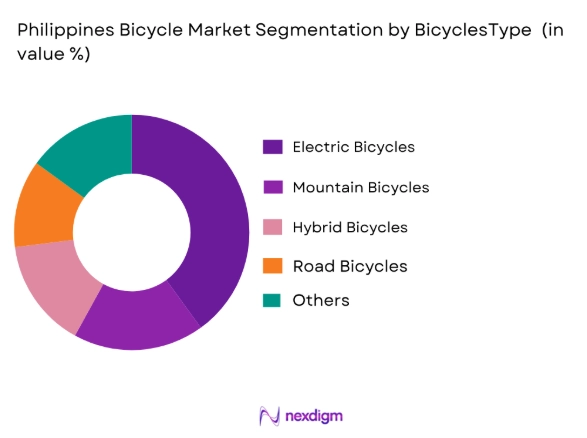
The Philippines Bicycle Market is segmented by product type into road bicycles, mountain bicycles, hybrid bicycles, electric bicycles, and others. Recently, the electric bicycle (e-bike) sub-segment has seen rapid growth due to its convenience and eco-friendly nature. E-bikes are especially popular in urban areas, where traffic congestion is prevalent. They provide a more efficient way of commuting, particularly for individuals seeking a sustainable and convenient alternative to motor vehicles. With improvements in battery technology and infrastructure, such as charging stations, e-bikes have become a dominant choice for many commuters, leading the market in the Philippines.
By Distribution Channel
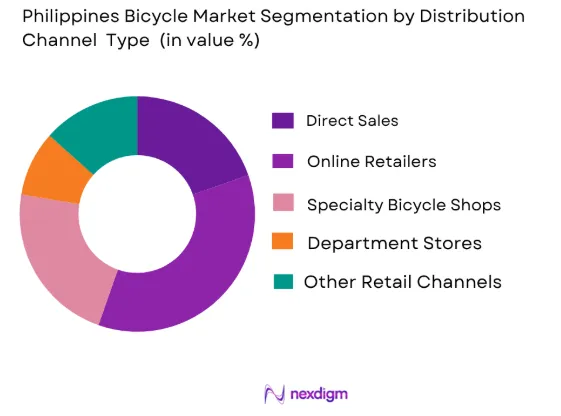
The market is segmented by distribution channels into direct sales, online retailers, specialty bicycle shops, department stores, and other retail channels. Online retail has become the dominant sub-segment, especially due to the convenience and affordability it offers. The growing adoption of e-commerce platforms, along with the rise in internet penetration and consumer preference for shopping from home, has shifted the purchasing behavior towards online bicycle sales. E-commerce platforms offer a wide range of bicycles at competitive prices, along with the convenience of home delivery, making it the preferred channel for many consumers in the Philippines.
Competitive Landscape
The competitive landscape of the Philippines Bicycle Market is growing with the presence of both international and local players. Global brands such as Giant, Trek, and Specialized have established their presence in the market, offering a wide range of bicycles to cater to different consumer needs. These brands dominate the high-end segment, leveraging their global reach and advanced technology. However, local companies are also gaining traction by offering more affordable bicycles and providing customized solutions for specific market needs. The market is witnessing a shift toward consolidation, with larger players expanding their distribution networks and local companies collaborating with international brands to enhance product offerings.
| Company Name | Establishment Year | Headquarters | Technology Focus | Market Reach | Key Products | Revenue | Market-specific Parameter |
| Trek Bicycle Corporation | 1976 | USA | ~ | ~ | ~ | ~ | ~ |
| Giant Bicycles | 1972 | Taiwan | ~ | ~ | ~ | ~ | ~ |
| Specialized Bicycle Components | 1974 | USA | ~ | ~ | ~ | ~ | ~ |
| Merida Industry Co. Ltd. | 1972 | Taiwan | ~ | ~ | ~ | ~ | ~ |
| Shimano Inc. | 1921 | Japan | ~ | ~ | ~ | ~ | ~ |
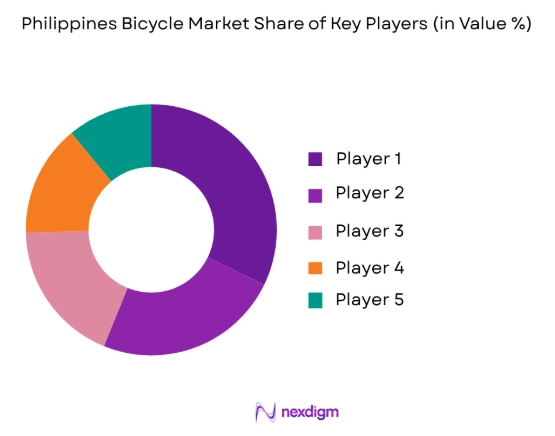
Philippines Bicycle Market Analysis
Growth Drivers
Urban Mobility Transformation
Urban mobility transformation is a significant growth driver for the Philippines Bicycle Market. With the increasing urbanization and rapid population growth in major cities such as Metro Manila, traffic congestion has become a critical issue. Bicycles offer a viable solution to this problem, providing a quick and affordable alternative to cars and public transportation. In response, the government is investing in cycling infrastructure, such as bike lanes, bike-sharing systems, and facilities for secure bike parking, encouraging the adoption of bicycles. As public transportation continues to be inefficient in some areas, more Filipinos are turning to bicycles for their daily commute. This shift toward sustainable mobility, supported by the government’s efforts to develop cycling infrastructure, is expected to continue driving the market’s growth.
Health and Fitness Awareness
Rising health and fitness awareness is another important driver of the Philippines Bicycle Market. As more Filipinos become conscious of the need for regular physical activity, cycling has emerged as a popular choice for fitness and leisure. The appeal of cycling lies in its accessibility, low-impact nature, and ability to improve cardiovascular health. This trend is supported by the growing number of cycling events and fitness clubs, which further promote cycling as an enjoyable and effective way to stay fit. As the population becomes more health-conscious, cycling is expected to remain a key part of the fitness landscape in the Philippines, fueling demand for bicycles. With cycling seen as both a recreational activity and a form of exercise, the market for bicycles in the country is set to expand.
Market Challenges
High Import Dependency and Supply Chain Issues
A significant challenge facing the Philippines Bicycle Market is its reliance on imports for bicycles and parts. Most bicycles and components are imported from countries such as China, Taiwan, and Japan. This dependency increases the cost of bicycles and exposes the market to fluctuations in international trade, shipping delays, and tariff increases. Supply chain issues also result in stock shortages and price hikes, which negatively affect consumer demand. The high cost of imported bicycles makes it difficult for lower-income consumers to afford high-quality models, limiting the market’s growth potential. Reducing this dependency through local production and improving supply chain resilience would be crucial to addressing these challenges and facilitating market growth.
Limited Cycling Infrastructure
Despite the Philippine government’s efforts to promote cycling, the lack of comprehensive cycling infrastructure remains a major challenge. In cities like Metro Manila, the development of safe cycling lanes and bike-sharing programs is still in its early stages. In other urban areas, there is a lack of infrastructure, such as dedicated bike lanes, secure bike racks, and proper traffic regulation to protect cyclists. This lack of infrastructure discourages many people from using bicycles as a primary mode of transport, as safety concerns are a significant deterrent. Until these infrastructure gaps are addressed, the growth of the bicycle market in the Philippines will remain constrained.
Opportunities
Expansion of Electric Bicycle Adoption
The adoption of electric bicycles (e-bikes) presents a significant opportunity for growth in the Philippines Bicycle Market. E-bikes offer several advantages over traditional bicycles, including faster speeds, less physical effort, and the ability to travel longer distances with ease. As traffic congestion in urban areas worsens, e-bikes are becoming an attractive option for commuters seeking a quick, eco-friendly, and efficient mode of transport. The government’s support for electric vehicles, including the installation of charging stations and the implementation of incentives, will further fuel the adoption of e-bikes in the country. Additionally, as technology continues to improve, the affordability and accessibility of e-bikes will continue to increase, expanding the market for electric bicycles.
Cycling Tourism Growth
The Philippines’ diverse landscapes, from mountainous regions to coastal areas, offer significant potential for cycling tourism. With an increasing number of locals and international tourists seeking outdoor recreational activities, cycling tourism is expected to grow. The country’s natural beauty, along with improved cycling infrastructure, provides an ideal setting for long-distance cycling trips, mountain biking, and recreational cycling. The demand for specialty bicycles, including mountain bikes and touring bikes, is expected to rise as cycling tourism expands. Furthermore, with the development of bike-friendly routes and cycling hubs, tourism-based bicycle rental services are likely to increase, driving further market growth and offering opportunities for businesses in the cycling industry.
Future Outlook
The Philippines Bicycle Market is expected to experience steady growth over the next five years, driven by urban mobility transformation, increasing government support for sustainable transport, and rising health awareness. E-bikes are expected to play a significant role in the market’s expansion, offering an eco-friendly and efficient alternative to motorized transportation. As the infrastructure for cycling improves, and consumer preferences shift toward greener solutions, the demand for bicycles will increase. Innovations in bicycle technology and the expansion of cycling tourism will also contribute to the growth of the market, positioning it for continued success.
Major Players
- Trek Bicycle Corporation
- Giant Bicycles
- Specialized Bicycle Components
- Merida Industry Co. Ltd.
- Cannondale Bicycle Corporation
- Bianchi
- Fuji Bikes
- Raleigh Bicycle Company
- Schwinn Bikes
- Canyon Bicycles
- Scott Sports
- Bulls Bikes
- Orbea
- GT Bicycles
- Santa Cruz Bicycles
Key Target Audience
- Investments and venture capitalist firms
- Government and regulatory bodies
- Bicycle manufacturers and suppliers
- Retailers and e-commerce platforms
- Urban planning authorities
- Fitness and wellness organizations
- Cycling event organizers
- Environmental organizations
Research Methodology
Step 1: Identification of Key Variables
Key market variables, including product types, distribution channels, and technological trends, were identified based on primary and secondary research sources.
Step 2: Market Analysis and Construction
Market size, segmentation, and growth projections were analyzed using data from industry reports, expert consultations, and market surveys.
Step 3: Hypothesis Validation and Expert Consultation
The initial market model and hypotheses were validated through consultations with industry experts, manufacturers, and distributors.
Step 4: Research Synthesis and Final Output
The final report synthesizes findings from research, including key drivers, challenges, and opportunities, to provide actionable insights for stakeholders.

- Executive Summary
- Research Methodology (Market Definitions and Assumptions, Abbreviations, Market Sizing Approach, Consolidated Research Approach, Understanding Market Potential Through In-Depth Industry Interviews, Primary Research Approach, Limitations and Future Conclusions)

- Definition and Scope
- Market Dynamics Overview
- Market Genesis
- Major Players and Market Timeline
- Business Cycle and Trends
- Supply Chain and Value Chain Analysis

- Growth Drivers
Urban Mobility Transformation
Health and Fitness Awareness
Rising traffic congestion prompting bike use
Growth of electric bicycle adoption - Market Challenges
High import dependency and Supply Chain Issues
Limited cycling infrastructure
Price sensitivity of consumers
Competition from alternative transport modes - Opportunities
Expansion of Electric Bicycle Adoption
Cycling Tourism Growth
Development of bike-sharing programs
Increasing demand for specialty bicycles - Trends
Popularity of electric bicycles (e-bikes)
Shift toward lightweight materials
Integration of smart technologies in bikes
Growth of online retail channels - Government Regulations
Import and Product Quality Regulations
Cycling Infrastructure Development
Transport and Mobility Policies
Environmental Regulations - SWOT Analysis
- Porter’s Five Forces Analysis

- By Value, 2020-2025
- By Volume, 2020-2025
- By Average Price, 2020-2025

- By Bicycle Type (In Value %)
Road Bicycles
Mountain Bicycles
Hybrid Bicycles
Electric Bicycles
Others - By Usage Type (In Value %)
Sports and Fitness
Commuting and Urban Mobility
Leisure and Recreation - By Distribution Channel (In Value %)
Direct Sales
Online Retailers
Specialty Bicycle Shops
Department Stores
Other Retail Channels - By Price Tier (In Value %)
Economy / Entry-Level
Mid-Tier
Premium / High-End

- Market Share of Major Players by Value/Volume
- Market Share of Major Players by Bicycle Type
- Market Share of Major Players by Distribution Channel
- Cross Comparison Parameters(Company Overview, Business Strategies, Recent Developments, Strength, Weakness, Organizational Structure, Revenues, Revenues by Bicycle Type, Number of Retail Outlets, Distribution Channels, Number of Dealers and Distributors, Margins, Production Capabilities, Unique Value Offering)
- SWOT Analysis of Major Players
- Pricing Analysis Based on Bicycle Categories for Major Players
- Detailed Profiles of Major Companies
Trek Bicycle Corporation
Giant Bicycles
Specialized Bicycle Components
Merida Industry Co. Ltd.
Cannondale Bicycle Corporation
Bianchi
Fuji Bikes
Raleigh Bicycle Company
Schwinn Bikes
Canyon Bicycles
Scott Sports
Bulls Bikes
Orbea
GT Bicycles
Santa Cruz Bicycles

- Market Demand and Utilization
- Purchasing Power and Budget Allocations
- Regulatory and Compliance Requirements
- Needs, Desires, and Pain Point Analysis
- Decision-Making Process

- By Value, 2026-2035
- By Volume, 2026-2035
- By Average Price, 2026-2035


 Request a Sample
 Ask for Customization
 Get a Quote
 Enquire Now