
 Download PDF
 Download PDF
Market Overview
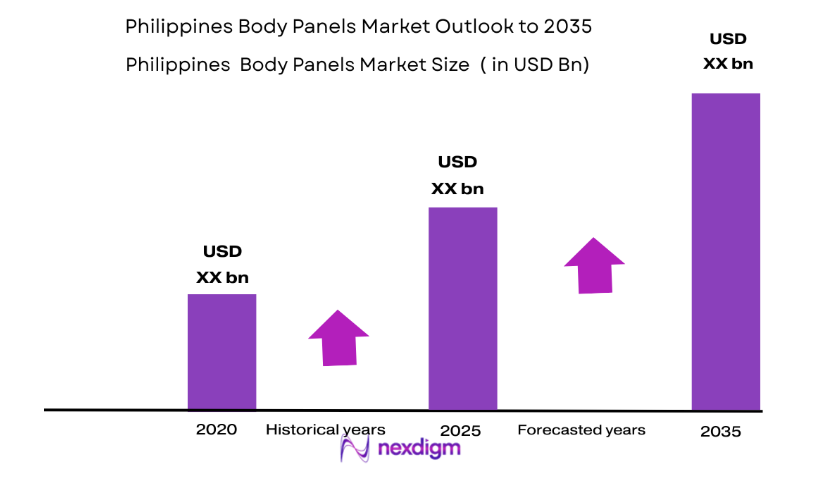
The Philippines Body Panels market has experienced significant growth, driven by the expansion of the automotive sector and increasing vehicle production. The market size is estimated at USD ~ billion, influenced by a rise in automotive manufacturing, particularly in passenger and commercial vehicles. Additionally, factors such as the demand for lightweight materials, technological advancements in body panels, and government regulations focused on vehicle safety have contributed to market expansion. The shift towards electric vehicles and sustainable automotive manufacturing practices also plays a significant role in this market’s growth.
The dominance of key automotive manufacturing hubs such as Metro Manila and Batangas is a major factor in the market’s development. These cities serve as the center for vehicle production, assembly, and distribution, benefiting from government incentives and well-established infrastructure. Furthermore, the Philippines’ strategic position in Southeast Asia attracts international automakers, resulting in increased production facilities and investments in the automotive sector. As a result, demand for body panels in these regions is expected to continue growing, driven by both domestic and export requirements.
Market Segmentation
By Product Type:
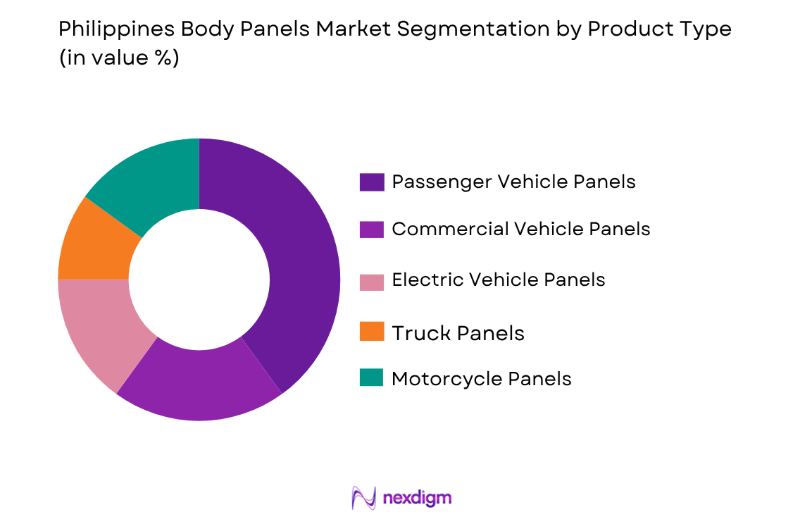
The Philippines Body Panels market is segmented by product type into passenger vehicle panels, commercial vehicle panels, electric vehicle panels, truck panels, and motorcycle panels. Recently, passenger vehicle panels have a dominant market share due to the strong demand for personal vehicles, increasing urbanization, and rising disposable income. This segment’s growth is driven by consumer preference for affordable, fuel-efficient vehicles with a focus on lightweight body materials for better fuel efficiency and performance.
By Platform Type:
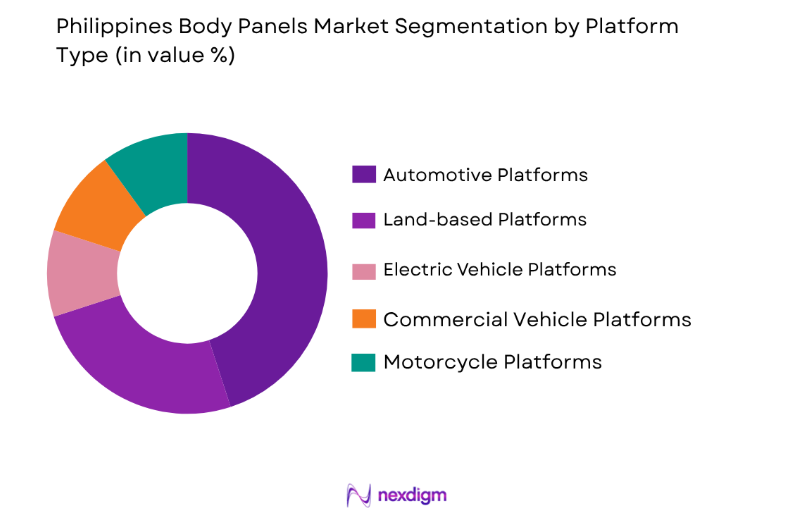
The Philippines Body Panels market is segmented by platform type into land-based platforms, automotive platforms, commercial vehicle platforms, electric vehicle platforms, and motorcycle platforms. Automotive platforms, particularly those related to passenger cars, are currently the dominant segment due to the continuous rise in consumer vehicle purchases. These platforms benefit from technological advancements in design and materials, which increase their efficiency and safety. Moreover, the adoption of electric vehicles has increased demand for specialized platforms and lightweight body panels.
Competitive Landscape
The Philippines Body Panels market is highly competitive, with several local and international players striving to increase their market presence. Major automotive manufacturers and parts suppliers dominate the market, contributing to a highly consolidated environment. The role of innovation and sustainability is increasing, as automakers and suppliers focus on producing lightweight, durable, and environmentally-friendly body panels. As the demand for electric vehicles grows, companies that specialize in electric vehicle components and advanced body panels are expected to lead the market.
| Company Name | Establishment Year | Headquarters | Technology Focus | Market Reach | Key Products | Revenue (USD Billion) |
| Toyota Motor Philippines | 1988 | Santa Rosa, Laguna | ~ | ~ | ~ | ~ |
| Honda Cars Philippines | 1990 | Santa Rosa, Laguna | ~ | ~ | ~ | ~ |
| Mitsubishi Motors Philippines | 1998 | Santa Rosa, Laguna | ~ | ~ | ~ | ~ |
| Isuzu Philippines | 1995 | Biñan, Laguna | ~ | ~ | ~ | ~ |
| Nissan Philippines | 1999 | Paranaque, Metro Manila | ~ | ~ | ~ | ~ |

Philippines Body Panels Market Analysis
Growth Drivers
Rising Vehicle Production:
The increasing vehicle production in the Philippines is a key driver of the body panels market. With the growing demand for both passenger and commercial vehicles, automotive manufacturers are scaling up their production capacities. Government incentives for local vehicle production have further boosted the industry’s growth. Additionally, foreign investments in the automotive sector have contributed to technological advancements in vehicle manufacturing. As more vehicles are produced, the demand for body panels, especially lightweight and durable panels, continues to increase. The Philippines has become a key manufacturing hub in Southeast Asia, attracting global automakers to set up production plants. This trend is expected to continue, driving market growth and demand for body panels. The Philippines’ strategic location also supports its role as a key exporter of vehicles and automotive parts, increasing the demand for body panels. The shift towards electric vehicles is expected to continue influencing production patterns, with manufacturers incorporating more sustainable and innovative materials into their body panel designs.
Technological Advancements in Materials:
The continuous development of new materials and manufacturing techniques is significantly driving the body panels market. The demand for lightweight materials, such as aluminum and composites, is on the rise due to their impact on vehicle fuel efficiency and performance. Advanced manufacturing technologies, including automated production lines, have improved the efficiency and quality of body panel production. Moreover, innovations in material durability have extended the lifespan of body panels, increasing their appeal to both vehicle manufacturers and consumers. With sustainability becoming a priority, eco-friendly materials, such as recyclable composites, are gaining traction in the market. Additionally, the development of advanced coatings and finishes ensures that body panels are resistant to wear, corrosion, and environmental factors, which enhances their longevity. As these technologies evolve, they will continue to play a vital role in the body panels market’s growth trajectory.
Market Challenges
High Production Costs:
One of the significant challenges facing the Philippines Body Panels market is the high cost of production. The need for advanced materials, such as lightweight alloys and composite materials, significantly increases manufacturing costs. Additionally, the labor-intensive nature of body panel manufacturing, combined with the costs of research and development, adds to the overall production expenses. These factors can lead to higher retail prices for vehicles, which may deter some consumers, particularly in price-sensitive market segments. As manufacturers seek to adopt new technologies and maintain competitive pricing, controlling production costs becomes a major challenge. This challenge is compounded by the volatility of raw material prices, which can fluctuate due to global market conditions. As demand for premium vehicles and electric vehicles rises, the demand for high-quality body panels will increase, further driving up production costs. Manufacturers must find innovative ways to reduce costs while maintaining the quality of body panels to remain competitive in the market.
Regulatory Compliance and Safety Standards:
Compliance with regulatory standards for vehicle safety and environmental impact is another challenge faced by the Philippines Body Panels market. As vehicle safety regulations become more stringent, manufacturers must ensure that their body panels meet the required safety specifications. Additionally, environmental regulations regarding the use of non-recyclable materials and waste disposal processes have increased production costs. The need for certified materials and processes adds complexity to the manufacturing process. Regulatory bodies continually update standards, pushing manufacturers to invest in research and development to stay compliant. Furthermore, the global push for sustainability has led to the introduction of strict emissions standards for vehicle manufacturing, which include requirements for the production of environmentally friendly body panels. Manufacturers must also ensure that their panels are recyclable and have minimal environmental impact throughout their lifecycle. Keeping up with these evolving regulations while maintaining profitability remains a challenge in the market.
Opportunities
Electric Vehicle Adoption:
The growing adoption of electric vehicles (EVs) presents significant opportunities for the Philippines Body Panels market. As the demand for EVs increases, manufacturers are looking to integrate lightweight, durable, and energy-efficient body panels to improve vehicle performance. The rise of electric vehicles is transforming the automotive industry and creating a need for specialized body panels that can accommodate electric vehicle batteries and other advanced components. As government incentives for electric vehicle production and purchase become more prevalent, automakers are expected to focus more on the development of EV-specific body panels. The shift towards electric vehicles also drives the need for innovations in materials, such as carbon fiber and advanced composites, which offer superior strength and lighter weight. This trend provides manufacturers with the opportunity to capitalize on the growing market for EV body panels, driving market growth and fostering innovation in material technology.
Sustainability Initiatives:
The push for sustainable manufacturing practices in the automotive sector offers a significant opportunity for the Philippines Body Panels market. Consumers are increasingly demanding environmentally friendly vehicles, and automakers are responding by incorporating sustainable materials in body panels. The use of recycled and recyclable materials in production is gaining popularity, and the trend is expected to continue. The development of eco-friendly body panels, such as those made from biodegradable composites or recyclable metals, aligns with global sustainability goals. Additionally, the growing awareness of carbon footprints is encouraging manufacturers to reduce emissions during production processes. As environmental regulations tighten, the demand for sustainable body panels will increase, creating opportunities for manufacturers to innovate and differentiate themselves in the market. Manufacturers that invest in sustainable production technologies and materials will have a competitive edge in attracting environmentally conscious consumers.
Future Outlook
The Philippines Body Panels market is expected to witness steady growth over the next five years, driven by technological advancements and increasing demand for vehicles, especially electric vehicles. As manufacturers continue to innovate in materials, production processes, and design, the market will see a surge in demand for lightweight, durable, and sustainable body panels. Regulatory support for electric vehicle adoption and environmental sustainability will further stimulate market growth. Additionally, as production capacity increases, manufacturers will be able to scale their operations, reducing costs and making body panels more affordable for consumers. However, challenges such as high production costs and regulatory compliance will continue to require strategic investments in technology and process improvements. Overall, the Philippines Body Panels market is poised for significant expansion, with the rise of electric vehicles and sustainable manufacturing practices playing key roles in shaping the future landscape.
Major Players
- Toyota Motor Philippines
- Honda Cars Philippines
- Mitsubishi Motors Philippines
- Isuzu Philippines
- Nissan Philippines
- Ford Philippines
- Suzuki Philippines
- Hyundai Motor Philippines
- Hino Motors Philippines
- Kia Motors Philippines
- Chevrolet Philippines
- Foton Motor Philippines
- Chery Auto Philippines
- Peugeot Philippines
- BMW Philippines
Key Target Audience
- Investments and venture capitalist firms
- Government and regulatory bodies
- Automotive manufacturers
- Vehicle distributors
- Automotive parts suppliers
- Fleet operators
- Environmental organizations
- Electric vehicle manufacturers
Research Methodology
Step 1: Identification of Key Variables
Identification of critical market variables, such as market size, growth drivers, challenges, and key stakeholders, through primary and secondary research sources.
Step 2: Market Analysis and Construction
Detailed analysis of market trends, segmentation, and dynamics using qualitative and quantitative research methodologies to construct a comprehensive market model.
Step 3: Hypothesis Validation and Expert Consultation
Validation of research hypotheses and assumptions by consulting industry experts, conducting interviews, and gathering insights from key stakeholders in the market.
Step 4: Research Synthesis and Final Output
Consolidation of research findings into actionable insights, followed by preparation of the final report, including market forecasts, opportunities, and strategic recommendations.

- Executive Summary
- Research Methodology (Definitions, Scope, Industry Assumptions, Market Sizing Approach, Primary & Secondary Research Framework, Data Collection & Verification Protocol, Analytic Models & Forecast Methodology, Limitations & Research Validity Checks)

- Market Definition and Scope
- Value Chain & Stakeholder Ecosystem
- Regulatory / Certification Landscape
- Sector Dynamics Affecting Demand

- Growth Drivers
Increasing Vehicle Production
Rising Demand for Electric Vehicles
Technological Advancements in Manufacturing - Market Challenges
High Raw Material Costs
Fluctuating Fuel Prices
Regulatory Compliance and Safety Standards - Market Opportunities
Expansion of Electric Vehicle Adoption
Partnerships with Local Manufacturers
Growing Automotive Aftermarket Services - Trends
Shift Towards Sustainable Materials
Increased Integration of Smart Technologies
Rise in Customization Options for Vehicles - Government Regulations
- SWOT Analysis of Key Competitors

- By Market Value, 2020-2025
- By Installed Units, 2020-2025
- By Average System Price, 2020-2025
- By System Complexity Tier, 2020-2025

- By System Type (In Value%)
Passenger Vehicle Panels
Commercial Vehicle Panels
Electric Vehicle Panels
Truck Panels
Motorcycle Panels - By Platform Type (In Value%)
Land-based Platforms
Automotive Platforms
Commercial Vehicle Platforms
Electric Vehicle Platforms
Motorcycle Platforms - By Fitment Type (In Value%)
OEM (Original Equipment Manufacturer) Panels
Aftermarket Panels
Custom Fit Panels
Replacement Panels
Recycled Material Panels - By EndUser Segment (In Value%)
Automotive Manufacturers
Independent Automotive Repair Shops
Vehicle Distributors
Fleet Operators

- Market Share Analysis
- CrossComparison Parameters (System Type, Platform Type, Procurement Channel, EndUser Segment, Fitment Type)
- SWOT Analysis of Key Competitors
- Pricing & Procurement Analysis
- Porter’s Five Forces
- Key Players
Toyota Motor Philippines
Honda Cars Philippines
Mitsubishi Motors Philippines
Isuzu Philippines Corporation
Nissan Philippines, Inc.
Ford Philippines
Suzuki Philippines
Hyundai Motor Philippines
Hino Motors Philippines
Kia Motors Philippines
Chevrolet Philippines
Foton Motor Philippines
Chery Auto Philippines
Peugeot Philippines
BMW Philippines

- Growing Need for Replacement Parts in Vehicles
- Increased Production of EVs
- Demand for More Durable and Sustainable Materials
- Rise in Car Customization Trends

- Forecast Market Value, 2026-2035
- Forecast Installed Units, 2026-2035
- Price Forecast by System Tier, 2026-2035
- Future Demand by Platform, 2026-2035


 Request a Sample
 Ask for Customization
 Get a Quote
 Enquire Now