

 Download PDF
 Download PDF
Market Overview
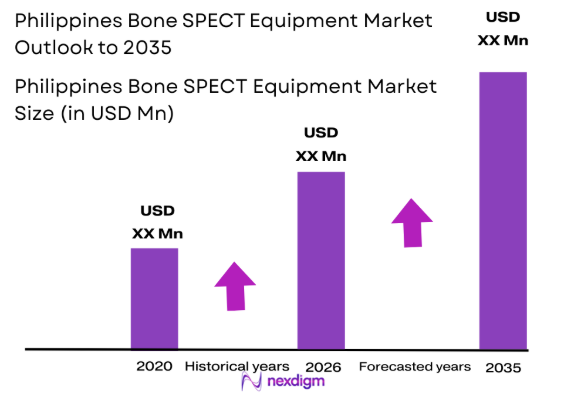
The Philippines Bone SPECT Equipment market is valued at approximately USD ~ million, driven by the increasing prevalence of bone-related disorders and the growing demand for accurate imaging solutions. With rising healthcare expenditures and advancements in diagnostic technologies, this market has experienced a steady growth trajectory. Hospitals and diagnostic imaging centers are incorporating these systems to provide more precise results for orthopedic and neurological conditions, further bolstering demand for Bone SPECT systems.
The dominant regions in the Philippines for Bone SPECT equipment include Metro Manila and Cebu City. These cities have established healthcare infrastructure and are home to the majority of advanced medical institutions in the country. The demand is particularly driven by public and private hospitals that seek state-of-the-art diagnostic equipment to cater to the growing number of patients with bone diseases such as osteoporosis and fractures. Their strategic location and accessibility to both local and international patients make these cities key contributors to market growth.
Market Segmentation
By Product Type
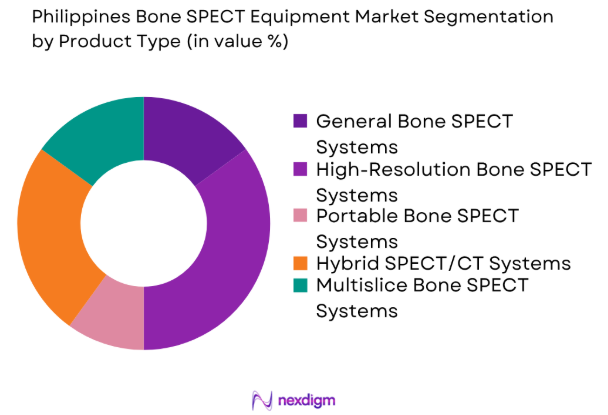
The Philippines Bone SPECT Equipment market is segmented by product type into general Bone SPECT systems, high-resolution Bone SPECT systems, portable Bone SPECT systems, hybrid SPECT/CT systems, and multislice Bone SPECT systems. Recently, high-resolution Bone SPECT systems have dominated the market due to their ability to deliver precise imaging for bone disorders, which is highly sought after in diagnostic centers and hospitals. These systems offer superior image quality, aiding in the early detection and accurate diagnosis of complex bone-related conditions.
By Platform Type
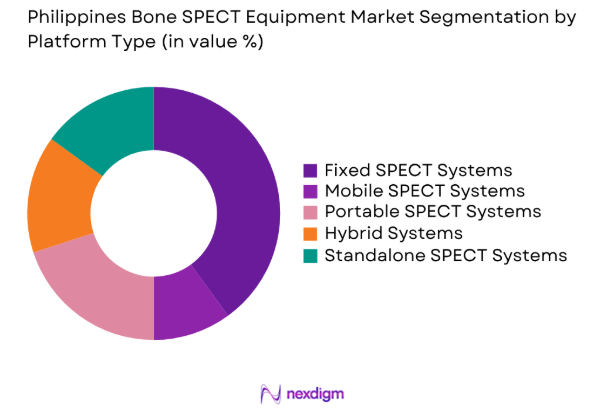
The market for Philippines Bone SPECT Equipment is segmented by platform type into fixed SPECT systems, mobile SPECT systems, portable SPECT systems, hybrid systems, and standalone SPECT systems. Fixed SPECT systems have gained a significant market share, primarily due to their robustness and superior performance in hospital settings. These systems offer better imaging capabilities, which makes them a preferred choice for large healthcare providers that handle high volumes of patients.
Competitive Landscape
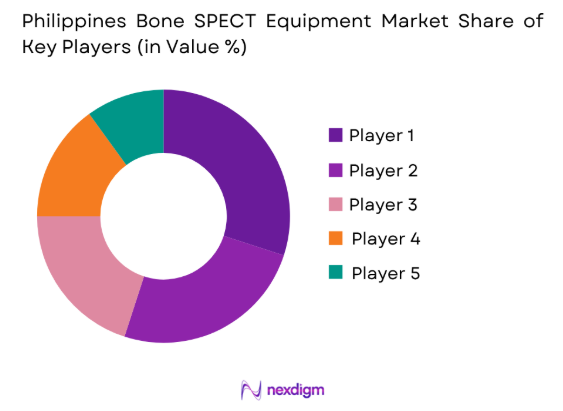
The Philippines Bone SPECT Equipment market is witnessing moderate consolidation, with several large players leading the market. These companies benefit from strong brand recognition and extensive service networks. Smaller players are also entering the market, especially in mobile and portable SPECT systems, as demand grows in regional diagnostic centers and outpatient facilities. The influence of key players such as Philips Healthcare and GE Healthcare is significant, with technological advancements and service capabilities playing a major role in their market share.
| Company Name | Establishment Year | Headquarters | Technology Focus | Market Reach | Key Products | Revenue | Additional Market-Specific Parameter |
| Philips Healthcare | 1891 | Netherlands | ~ | ~ | ~ | ~ | ~ |
| GE Healthcare | 1892 | USA | ~ | ~ | ~ | ~ | ~ |
| Siemens Healthineers | 1847 | Germany | ~ | ~ | ~ | ~ | ~ |
| Canon Medical Systems | 1937 | Japan | ~ | ~ | ~ | ~ | ~ |
| Medtronic | 1949 | Ireland | ~ | ~ | ~ | ~ | ~ |
Philippines Bone SPECT Equipment Market Analysis
Growth Drivers
Increased healthcare spending
The Philippines government has substantially increased healthcare funding, allocating more resources to advanced diagnostic equipment. Initiatives like the Universal Health Care Act, which aims to enhance the overall healthcare infrastructure, have been pivotal in promoting the adoption of diagnostic technologies, including Bone SPECT systems. These efforts are improving access to high-tech imaging solutions, particularly in urban hospitals where demand for advanced healthcare services is on the rise. With increased funding availability, hospitals can now acquire high-resolution SPECT systems, enabling more accurate diagnostics. This financial support is driving the market’s rapid growth, ensuring the widespread integration of advanced imaging technologies in healthcare facilities across the country.
Technological advancements in diagnostic imaging
Advancements in imaging technologies, particularly hybrid SPECT/CT systems, are driving growth in the Philippines Bone SPECT Equipment market. These systems integrate anatomical and functional imaging in a single scan, providing clinicians with a comprehensive view for diagnosing complex bone disorders. The ability to obtain both types of imaging simultaneously enhances diagnostic accuracy and precision, which is crucial for treating bone-related conditions. As the Philippine healthcare sector increasingly adopts cutting-edge technologies, the demand for high-performance SPECT systems has surged. This shift towards more advanced imaging solutions is significantly contributing to the market’s expansion, improving diagnostic capabilities in hospitals and diagnostic centers across the country.
Market Challenges
High initial costs of Bone SPECT equipment
A major challenge in the Philippines Bone SPECT Equipment market is the high cost of acquiring and maintaining advanced imaging systems. The substantial initial investment required for high-resolution SPECT systems or hybrid SPECT/CT systems presents a significant barrier for smaller hospitals and diagnostic centers with limited budgets. Despite government efforts to reduce costs through initiatives, the financial burden remains a challenge, especially in rural and underserved areas where healthcare funding is often scarce. This limits the adoption of these advanced systems in regions that could benefit the most, slowing down the overall growth of the market and restricting access to high-quality diagnostic tools.
Limited awareness of Bone SPECT technology
Despite the advantages of Bone SPECT systems in diagnosing complex bone-related conditions, there is limited awareness of the technology’s benefits, particularly in non-urban areas. Many smaller healthcare facilities continue to rely on conventional imaging systems, which may not offer the precision required for accurate bone diagnostics. This lack of understanding regarding the capabilities of Bone SPECT technology is a significant barrier to its adoption, especially in rural regions where the need for improved diagnostic solutions is high. The knowledge gap prevents the widespread integration of advanced imaging technologies into these healthcare facilities, hindering the overall growth of the market and limiting access to accurate, efficient diagnostic tools for bone-related disorders.
Opportunities
Emerging demand in outpatient and veterinary markets
There is a growing opportunity for Bone SPECT equipment in outpatient clinics and veterinary centers. As awareness of bone-related diseases increases, these smaller healthcare facilities and veterinary clinics are looking for affordable and compact imaging solutions. The rise of mobile and portable Bone SPECT systems provides an ideal solution, allowing these clinics to offer high-quality diagnostics without needing substantial infrastructure investments. This shift towards portable systems opens new market avenues, enabling market players to develop specialized solutions tailored for outpatient and veterinary care. This trend presents a significant growth opportunity, expanding the reach of advanced diagnostic tools to a broader range of healthcare providers and animal care professionals.
Technological integration with artificial intelligence
Another opportunity lies in integrating Bone SPECT systems with artificial intelligence (AI) to enhance diagnostic capabilities. AI algorithms can help healthcare professionals analyze complex imaging data, enabling faster and more accurate diagnoses. Incorporating AI into Bone SPECT systems allows manufacturers to offer advanced solutions that differentiate their products in a competitive market. As the healthcare sector in the Philippines increasingly embraces AI-driven technologies, this presents a promising opportunity for the adoption of enhanced Bone SPECT systems. By leveraging AI, these systems can provide greater value to healthcare providers, improving diagnostic efficiency and the quality of care, which could significantly boost market growth.
Future Outlook
The future outlook for the Philippines Bone SPECT Equipment market is positive, with continued growth expected over the next five years. Technological advancements, including the integration of artificial intelligence and the rise of portable SPECT systems, are set to drive demand in both urban and rural healthcare facilities. Government initiatives aimed at improving healthcare infrastructure and funding for diagnostic technologies are also expected to provide strong support for market expansion. Furthermore, the rising demand for advanced imaging systems in outpatient clinics and veterinary centers will contribute to the market’s growth.
Major Players
- Philips Healthcare
- GE Healthcare
- Siemens Healthineers
- Canon Medical Systems
- Medtronic
- Hitachi Medical Systems
- Samsung Medison
- Neusoft Medical Systems
- Toshiba Medical Systems
- Shimadzu Corporation
- Esaote S.p.A.
- United Imaging Healthcare
- Carestream Health
- Nuclear Diagnostic Systems
- Bioscan, Inc.
Key Target Audience
- Investments and venture capitalist firms
- Government and regulatory bodies
- Healthcare providers and hospital networks
- Diagnostic imaging centers
- Medical device distributors
- Outpatient clinics
- Veterinary centers
- Research and academic institutions
Research Methodology
Step 1: Identification of Key Variables
Identification of critical variables affecting the Bone SPECT equipment market such as technological trends, regulatory requirements, and healthcare expenditures.
Step 2: Market Analysis and Construction
Gathering data from primary and secondary sources to build a comprehensive market model, focusing on key drivers and restraints.
Step 3: Hypothesis Validation and Expert Consultation
Engaging with industry experts and stakeholders to validate the assumptions and findings, ensuring the accuracy of the analysis.
Step 4: Research Synthesis and Final Output
Compiling the research results into a cohesive report, incorporating all relevant market factors and insights to create actionable recommendations.

- Executive Summary
- Research Methodology (Definitions, Scope, Industry Assumptions, Market Sizing Approach, Primary & Secondary Research Framework, Data Collection & Verification Protocol, Analytic Models & Forecast Methodology, Limitations & Research Validity Checks)

- Market Definition and Scope
- Value Chain & Stakeholder Ecosystem
- Regulatory / Certification Landscape
- Sector Dynamics Affecting Demand
- Strategic Initiatives & Infrastructure Growth

- Growth Drivers
Increase in Bone-related Disorders
Advancements in Imaging Technology
Government Healthcare Initiatives - Market Challenges
High Initial Investment Costs
Limited Awareness of SPECT Technology
Regulatory Compliance Barriers - Market Opportunities
Expansion of Diagnostic Centers
Technological Integration with AI
Emerging Demand in Veterinary Medicine - Trends
Rise in Point-of-Care Imaging
Integration with Artificial Intelligence
Increasing Demand for Portable Imaging Solutions - Government Regulations
- SWOT Analysis of Key Competitors
- Porter’s Five Forces

- By Market Value, 2020-2025
- By Installed Units, 2020-2025
- By Average System Price, 2020-2025
- By System Complexity Tier, 2020-2025

- By System Type (In Value%)
General Bone SPECT Systems
High-Resolution Bone SPECT Systems
Portable Bone SPECT Systems
Hybrid SPECT/CT Systems
Multislice Bone SPECT Systems - By Platform Type (In Value%)
Fixed SPECT Systems
Mobile SPECT Systems
Portable SPECT Systems
Hybrid Systems
Standalone SPECT Systems - By Fitment Type (In Value%)
On-premise Solutions
Cloud-based Solutions
Hybrid Solutions
Modular Solutions
Integrated Solutions - By End User Segment (In Value%)
Hospitals
Diagnostic Imaging Centers
Research and Academic Institutions
Outpatient Clinics
Veterinary Centers - By Procurement Channel (In Value%)
Direct Procurement
Government Tenders
Private Sector Procurement
Online Bidding Platforms
Third-party Distributors

- Market Share Analysis
- Cross Comparison Parameters (System Type, Platform Type, Procurement Channel, End User Segment, Fitment Type, Technology Integration, Pricing Model, Service Coverage, Market Reach, Installation Complexity)
- SWOT Analysis of Key Competitors
- Pricing & Procurement Analysis
- Key Players
Philips Healthcare
GE Healthcare
Siemens Healthineers
Canon Medical Systems
Medtronic
Hitachi Medical Systems
Samsung Medison
Neusoft Medical Systems
Toshiba Medical Systems
Shimadzu Corporation
Esaote S.p.A.
United Imaging Healthcare
Carestream Health
Nuclear Diagnostic Systems
Bioscan, Inc.

- Growing Adoption of SPECT in Hospitals
- Increased Utilization in Diagnostic Centers
- Rising Demand in Research Institutions
- Emerging Veterinary Market for Bone SPECT

- Forecast Market Value, 2026-2035
- Forecast Installed Units, 2026-2035
- Price Forecast by System Tier, 2026-2035
- Future Demand by Platform, 2026-2035


 Request a Sample
 Ask for Customization
 Get a Quote
 Enquire Now