
 Download PDF
Market Overview
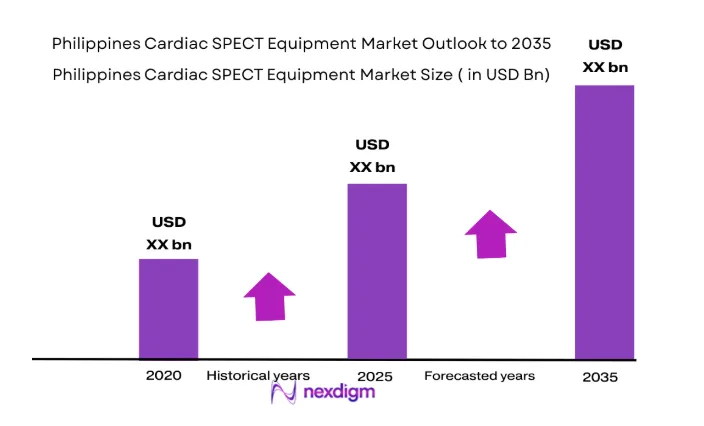
The cardiac SPECT equipment market in the Philippines is projected to reach USD ~ million based on a recent historical assessment. The market is primarily driven by the growing prevalence of cardiovascular diseases, which necessitate advanced imaging systems for precise diagnostics. Additionally, the rising adoption of hybrid imaging technologies, such as SPECT/CT, and increasing investments in healthcare infrastructure contribute significantly to market expansion. The demand for sophisticated diagnostic tools, combined with the aging population, enhances the market’s growth potential.
The market’s dominance is largely centered around key urban areas such as Metro Manila, Cebu, and Davao, which are home to advanced healthcare facilities and diagnostic centers. Metro Manila remains a significant hub for the adoption of cardiac SPECT equipment due to its concentration of medical institutions and a higher per capita healthcare expenditure. These cities are supported by well-established healthcare infrastructure and increasing public and private sector investments in medical technology. Additionally, the growing demand for medical tourism, particularly in Metro Manila, boosts the adoption of advanced diagnostic technologies like cardiac SPECT.
Market Segmentation
By Product Type
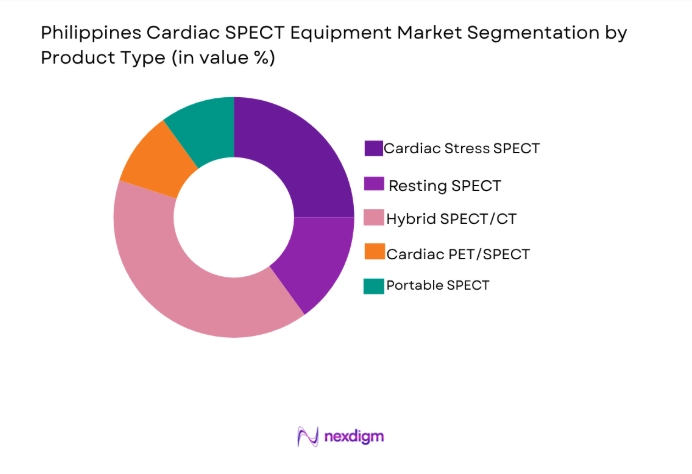
Philippines Cardiac SPECT equipment market is segmented by product type into various sub-segments. Recently, the hybrid SPECT/CT sub-segment has been dominant in the market due to its ability to offer detailed imaging and functional analysis, driving demand in both clinical and research settings. The integration of both CT and SPECT technologies enhances diagnostic accuracy, which is critical in the diagnosis of cardiovascular diseases, thereby attracting healthcare providers to adopt these systems more frequently. The combination of advanced imaging techniques, along with their growing affordability, is driving significant adoption, especially in hospitals and diagnostic centers.
By Platform Type
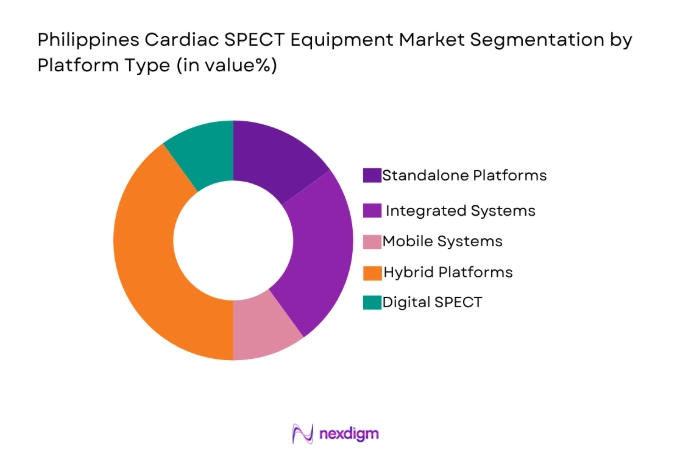
Philippines Cardiac SPECT equipment market is segmented by platform type into standalone systems, integrated systems, mobile systems, hybrid systems, and digital SPECT. The hybrid systems segment has the largest market share, primarily due to the demand for advanced imaging solutions that combine the benefits of multiple modalities, enhancing diagnostic precision and workflow efficiency. Hybrid systems, such as SPECT/CT, are especially preferred in hospitals where high diagnostic throughput is required. Moreover, these systems provide a cost-effective solution in comparison to acquiring separate machines for SPECT and CT, further contributing to their dominance.
Competitive Landscape
The Philippines cardiac SPECT equipment market is highly competitive, with a few key players dominating the landscape. The competition is intensified by the increasing adoption of advanced technologies, such as hybrid imaging systems. Several global players are consolidating their presence through strategic partnerships and acquisitions, aiming to expand their market share and enhance product offerings. Local players also contribute significantly to the market by offering cost-effective solutions tailored to the needs of the local healthcare infrastructure.
| Company Name | Establishment Year | Headquarters | Technology Focus | Market Reach | Key Products | Revenue | Additional Parameter |
| Philips Healthcare | 1891 | Netherlands | ~ | ~ | ~ | ~ | ~ |
| Siemens Healthineers | 1847 | Germany | ~ | ~ | ~ | ~ | ~ |
| GE Healthcare | 1892 | USA | ~ | ~ | ~ | ~ | ~ |
| Canon Medical Systems | 1933 | Japan | ~ | ~ | ~ | ~ | ~ |
| Medtronic | 1949 | USA | ~ | ~ | ~ | ~ | ~ |
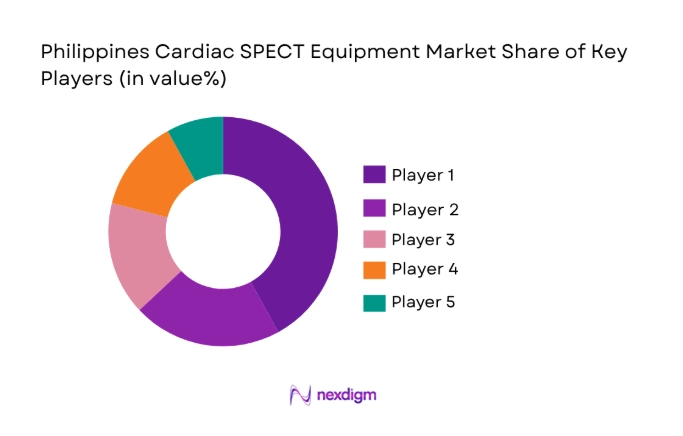
Philippines Cardiac SPECT Equipment Market Analysis
Growth Drivers
Technological Advancements in Imaging Systems
The rapid evolution of cardiac SPECT systems, particularly in hybrid technologies such as SPECT/CT, is one of the most significant growth drivers in the Philippines. Hybrid systems offer combined functional and anatomical imaging, resulting in higher diagnostic accuracy, reduced procedural time, and better patient outcomes. Furthermore, advancements in detector technology, software enhancements, and the integration of AI for automated analysis have further propelled market growth. The introduction of cost-effective yet high-performing systems also helps make advanced imaging solutions accessible to more healthcare institutions. The government’s efforts to modernize healthcare infrastructure have further boosted the adoption of advanced imaging systems, increasing demand across various regions. Hospitals and diagnostic centers are increasingly adopting these systems to enhance diagnostic capabilities, thus contributing to the market’s expansion.
Rising Healthcare Investments
Another major driver of growth in the Philippines cardiac SPECT market is the significant rise in healthcare investments, particularly from both the government and private sectors. The government’s efforts to improve healthcare facilities and increase the availability of advanced diagnostic tools have significantly boosted the demand for SPECT equipment. In addition, increased spending by private healthcare providers to modernize their medical infrastructure has further accelerated the adoption of advanced imaging technologies like cardiac SPECT. These investments also support the implementation of cutting-edge medical equipment, fostering a competitive environment among healthcare providers. As healthcare expenditure continues to rise, the market for cardiac SPECT equipment is expected to grow steadily, with both urban and rural healthcare centers increasingly adopting these technologies to cater to the growing demand for diagnostic services.
Market Challenges
High Initial Investment Costs
One of the primary challenges in the Philippines cardiac SPECT equipment market is the high initial investment required to procure and install these advanced imaging systems. The cost of purchasing and maintaining cardiac SPECT systems, especially hybrid SPECT/CT systems, can be prohibitively expensive for smaller healthcare institutions and diagnostic centers. The financial burden, coupled with the cost of ongoing maintenance, presents a significant barrier for widespread adoption, particularly in regions outside major metropolitan areas. Although the government has made efforts to support healthcare modernization, funding limitations and financing hurdles for private players in the healthcare sector continue to hinder the adoption of advanced medical technologies.
Regulatory Hurdles and Approval Delays
The approval process for medical devices, including cardiac SPECT equipment, is a lengthy and often complex procedure in the Philippines. Regulatory approvals, including safety and efficacy certifications, require a substantial amount of time and resources, leading to delays in the availability of advanced equipment in the market. These regulatory hurdles often delay the introduction of new, improved models of SPECT systems, limiting the growth potential of the market. Additionally, the varying regulations and requirements for different types of medical equipment can complicate the process further, causing uncertainty among healthcare providers and manufacturers alike.
Opportunities
Rising Medical Tourism
The Philippines has emerged as a popular destination for medical tourism, particularly for healthcare services like diagnostic imaging. This growing trend presents a significant opportunity for the cardiac SPECT equipment market, as medical tourists increasingly seek advanced diagnostic services during their visits. With Metro Manila and Cebu being the primary hubs for medical tourism, there is an increasing demand for high-quality imaging systems, such as cardiac SPECT, to serve international patients. The competitive pricing of healthcare services in the Philippines, coupled with the availability of high-end diagnostic equipment, attracts foreign patients seeking affordable and reliable diagnostic services. This trend is expected to contribute significantly to the growth of the market in the coming years, as hospitals and diagnostic centers invest in advanced technologies to cater to international demand.
Expanding Healthcare Infrastructure in Rural Areas
With the government’s ongoing efforts to expand healthcare infrastructure, especially in rural areas, there is an opportunity to increase the adoption of advanced diagnostic tools, including cardiac SPECT equipment, in less urbanized regions. As part of the government’s healthcare initiatives, new hospitals and diagnostic centers are being established, and these facilities are increasingly looking to integrate advanced imaging technologies. By making cardiac SPECT systems available in these underserved regions, the healthcare system can improve its diagnostic capabilities and cater to a larger patient population. The expansion of the healthcare sector into rural areas not only increases access to medical services but also drives the demand for sophisticated medical equipment, presenting an untapped growth opportunity for market players.
Future Outlook
The future of the Philippines cardiac SPECT equipment market looks promising, driven by advancements in imaging technologies, increasing government investments, and the growing demand for healthcare services. Over the next few years, the market is expected to see further technological innovations, particularly in hybrid and portable systems, which will make cardiac diagnostics more accessible and efficient. Regulatory support and continued investment in healthcare infrastructure will further promote the adoption of these systems, particularly in rural areas. Additionally, the rise of medical tourism and the increasing focus on early detection of cardiovascular diseases will fuel the demand for cardiac SPECT equipment.
Major Players
- Philips Healthcare
- Siemens Healthineers
- GE Healthcare
- Canon Medical Systems
- Hitachi Medical Systems
- Medtronic
- Toshiba Medical Systems
- Carestream Health
- Samsung Medison
- Neusoft Medical Systems
- Shimadzu Corporation
- Esaote S.p.A.
- United Imaging Healthcare
- Hologic Inc.
- Konica Minolta Healthcare
Key Target Audience
- Investments and venture capitalist firms
- Government and regulatory bodies
- Hospitals and healthcare providers
- Medical equipment distributors
- Healthcare technology consultants
- Diagnostic imaging centers
- Medical device manufacturers
Research Methodology
Step 1: Identification of Key Variables
The first step involves identifying the essential variables that influence the market, including technological trends, regulatory factors, and demand drivers.
Step 2: Market Analysis and Construction
This stage involves analyzing the market structure, segmentation, and historical data to construct a comprehensive market model.
Step 3: Hypothesis Validation and Expert Consultation
Experts and industry leaders are consulted to validate hypotheses and gather insights into market dynamics and future projections.
Step 4: Research Synthesis and Final Output
Finally, all research data is synthesized into actionable insights, leading to the development of the final market report.

- Executive Summary
- Research Methodology (Definitions, Scope, Industry Assumptions, Market Sizing Approach, Primary & Secondary Research Framework, Data Collection & Verification Protocol, Analytic Models & Forecast Methodology, Limitations & Research Validity Checks)

- Market Definition and Scope
- Value Chain & Stakeholder Ecosystem
- Regulatory / Certification Landscape
- Sector Dynamics Affecting Demand
- Strategic Initiatives & Infrastructure Growth

- Growth Drivers
Technological Advancements in Imaging Systems
Increased Prevalence of Cardiac Diseases
Rising Healthcare Infrastructure Investments - Market Challenges
High Initial Investment Costs
Limited Availability of Skilled Personnel
Regulatory Challenges in Medical Equipment Approval - Market Opportunities
Rising Adoption of Portable Systems
Growth of Medical Tourism
Emerging Trends in Hybrid Imaging Systems - Trends
Shift Toward Hybrid Imaging Techniques
Focus on AI in Diagnostic Imaging - Government Regulations
- SWOT Analysis
- Porter’s Five Forces

- By Market Value, 2020-2025
- By Installed Units, 2020-2025
- By Average System Price, 2020-2025
- By System Complexity Tier, 2020-2025

- By System Type (In Value%)
Cardiac Stress SPECT
Resting SPECT
Hybrid SPECT/CT
Cardiac PET/SPECT
Portable SPECT - By Platform Type (In Value%)
Standalone Systems
Integrated Systems
Mobile Systems
Hybrid Systems
Digital SPECT - By Fitment Type (In Value%)
Fixed Systems
Portable Systems
Hybrid Systems
Mobile Systems - By End User Segment (In Value%)
Hospitals
Diagnostic Centers
Research & Academic Institutions

- Market Share Analysis
- Cross Comparison Parameters (Technological Advancements, Cost of Ownership, Regulatory Approvals, Market Share, Brand Presence, Product Portfolio, Geographic Reach)
- SWOT Analysis of Key Competitors
- Pricing & Procurement Analysis
- Key Players
Philips Healthcare
Siemens Healthineers
GE Healthcare
Canon Medical Systems
Hitachi Medical Systems
Medtronic
Toshiba Medical Systems
Carestream Health
Samsung Medison
Neusoft Medical Systems
Shimadzu Corporation
Esaote S.p.A.
United Imaging Healthcare
Hologic Inc.
Konica Minolta Healthcare

- Hospitals: Increased Adoption of Advanced Imaging Systems
- Diagnostic Centers: Cost Efficiency & Precision Diagnostics
- Research & Academic Institutions: Focus on Innovation & Research

- Forecast Market Value, 2026-2035
- Forecast Installed Units, 2026-2035
- Price Forecast by System Tier, 2026-2035
- Future Demand by Platform, 2026-2035


 Request a Sample
 Ask for Customization
 Get a Quote
 Enquire Now