
 Download PDF
Market Overview
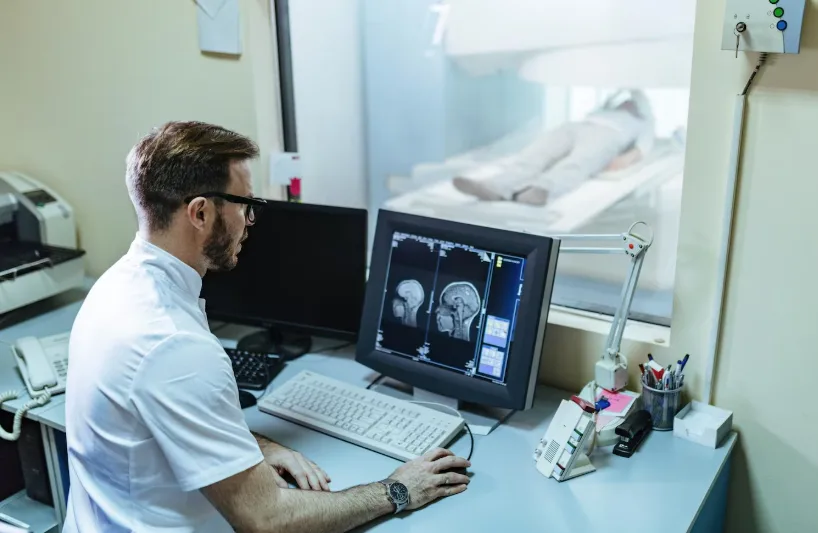
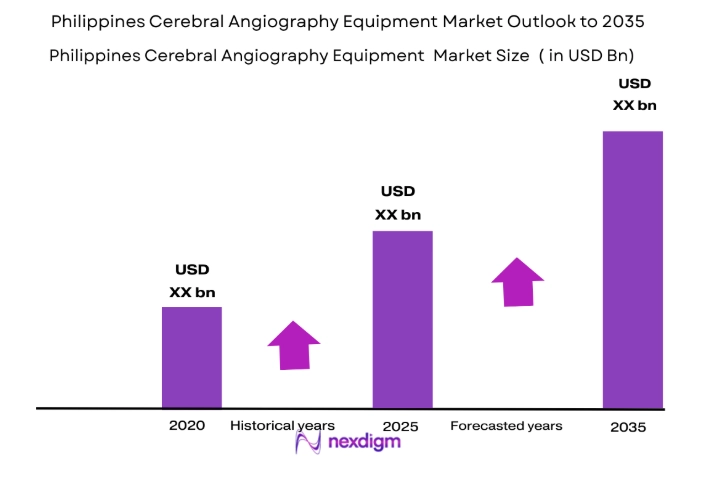
The Philippines cerebral angiography equipment market is experiencing growth, driven by increasing demand for advanced diagnostic tools and the rising prevalence of cerebrovascular diseases. Based on a recent historical assessment, the market is valued at approximately USD ~ million. The growth in healthcare infrastructure and technological advancements in imaging systems have contributed significantly to this market expansion. Hospitals and diagnostic centers are the primary consumers of these technologies, as they enhance the accuracy of stroke diagnosis and treatment planning.
Key cities in the Philippines, particularly Metro Manila and Cebu, have emerged as dominant players in the market due to their advanced healthcare infrastructure and higher concentrations of medical facilities. These areas have been able to attract more investments and develop partnerships with global medical technology companies. Metro Manila, being the capital, has the highest number of hospitals and research institutions, positioning it as a healthcare hub. Additionally, Cebu has seen significant growth in the medical tourism sector, further boosting the demand for advanced diagnostic equipment.
Market Segmentation
By Product Type:
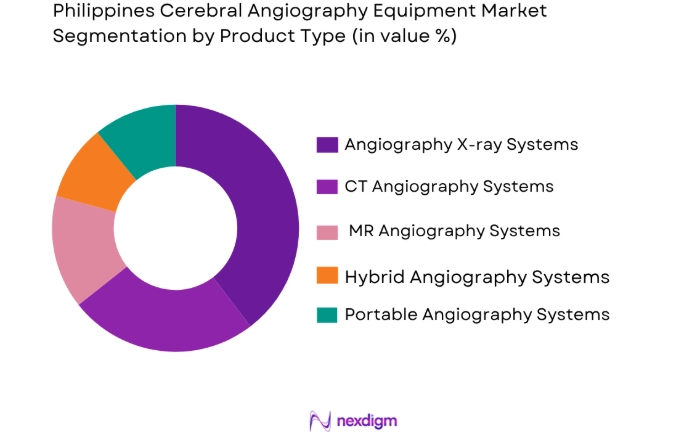
The cerebral angiography equipment market is segmented by product type into angiography X-ray systems, CT angiography systems, MR angiography systems, hybrid angiography systems, and portable angiography systems. Recently, the angiography X-ray systems have a dominant market share due to factors such as their widespread use, cost-effectiveness, and advanced imaging capabilities, which make them highly suitable for both diagnostic and procedural purposes in hospitals and healthcare centers. These systems are able to deliver high-quality images for accurate diagnosis, which is one of the major reasons for their dominance in the market.
By End-User Segment:
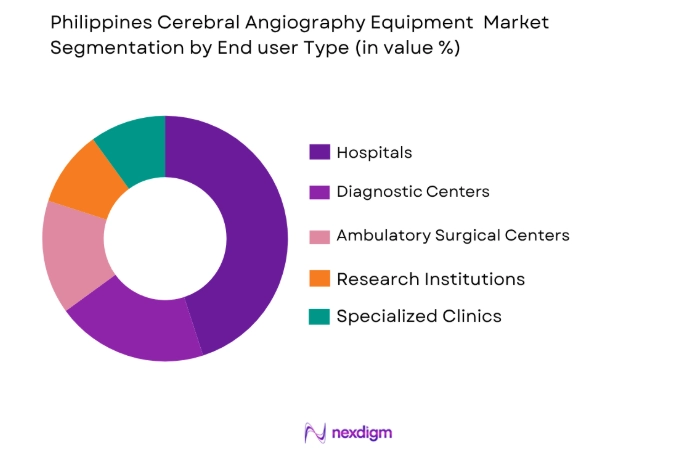
The market is segmented by end-user into hospitals, diagnostic centers, ambulatory surgical centers, research institutions, and specialized clinics. Hospitals have a dominant market share because they typically handle a large volume of patients requiring advanced diagnostic imaging for cerebrovascular conditions. Hospitals also have the financial resources to invest in high-cost imaging equipment, allowing them to lead the market. Additionally, the integration of cerebral angiography equipment into hospital departments, especially neurology and cardiology, further strengthens its dominant role in the market.
Competitive Landscape
The competitive landscape in the cerebral angiography equipment market is characterized by significant consolidation, with several major players controlling the majority of the market share. These players are continuously innovating and expanding their offerings to maintain their competitive edge. Companies are heavily investing in research and development to introduce advanced technologies, such as hybrid imaging systems and portable angiography solutions. In addition to this, strong brand recognition, a wide distribution network, and effective after-sales services contribute to the dominance of these players in the market.
| Company Name | Establishment Year | Headquarters | Technology Focus | Market Reach | Key Products | Revenue | Additional Parameter |
| Philips Healthcare | 1891 | Netherlands | ~ | ~ | ~ | ~ | ~ |
| Siemens Healthineers | 1847 | Germany | ~ | ~ | ~ | ~ | ~ |
| GE Healthcare | 1892 | USA | ~ | ~ | ~ | ~ | ~ |
| Canon Medical Systems | 1933 | Japan | ~ | ~ | ~ | ~ | ~ |
| Medtronic | 1949 | Ireland | ~ | ~ | ~ | ~ | ~ |
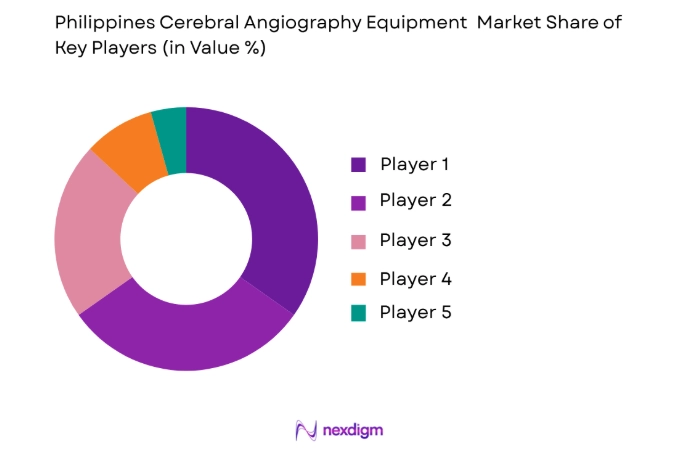
Philippines Cerebral Angiography Equipment Market Analysis
Growth Drivers
Increasing prevalence of cerebrovascular diseases:
The growing incidence of cerebrovascular diseases, including strokes and aneurysms, has significantly contributed to the demand for cerebral angiography equipment. The rising aging population, particularly in urban areas, is at a higher risk of developing such conditions. As more individuals are diagnosed with these diseases, the need for advanced diagnostic imaging technology like cerebral angiography is expected to rise. This growth driver is also supported by the increased awareness of cerebrovascular health, encouraging more patients to seek out diagnostic services. Hospitals and diagnostic centers are thus investing in the latest angiography equipment to ensure accurate and timely diagnoses. Additionally, the development of more efficient and accessible imaging technologies is helping to meet the growing demand for high-quality cerebrovascular imaging. Governments are increasingly prioritizing healthcare spending, further contributing to the expansion of diagnostic capabilities, including angiography. The combination of technological advancements and the growing patient base has been the key factor in the market’s growth trajectory.
Technological advancements in imaging systems:
The rapid advancements in medical imaging technology have been a key driver for the growth of the cerebral angiography equipment market. Innovations such as hybrid imaging systems, which combine angiography with other imaging modalities like CT and MRI, are becoming more common and contribute to higher demand. These hybrid systems enable better visualization and diagnostic precision, which are crucial in the treatment of cerebrovascular conditions. Moreover, portable and more cost-effective angiography systems are gaining traction, especially in resource-limited settings or smaller healthcare facilities. These systems provide flexibility and greater accessibility for healthcare providers. Advances in artificial intelligence (AI) are also being integrated into imaging technologies, enabling quicker analysis and improved diagnostic accuracy. The development of AI-powered imaging software helps radiologists interpret scans more efficiently, improving patient outcomes. Such innovations are expected to continue fueling market growth as they make cerebral angiography more accessible, faster, and accurate.
Market Challenges
High cost of equipment:
One of the most significant challenges in the cerebral angiography equipment market is the high cost of the technology. The equipment required for angiography procedures, such as X-ray machines, CT scanners, and MRIs, are expensive to manufacture and maintain. This price barrier restricts the adoption of these systems, particularly in developing regions or small-scale healthcare facilities. Many hospitals and diagnostic centers face budget constraints, which limit their ability to invest in these high-cost imaging systems. As a result, despite the growing demand for advanced diagnostic equipment, market penetration remains limited. Additionally, the ongoing costs associated with maintaining and upgrading these systems further burden healthcare providers. With reimbursement policies not always covering the full cost of the technology, financial challenges continue to hinder widespread adoption. Lower-cost alternatives, though available, may not offer the same level of diagnostic precision, making the need for cost-effective solutions a persistent issue.
Regulatory hurdles:
Regulatory approval processes for medical devices, including cerebral angiography equipment, present another challenge for market growth. The process of obtaining regulatory approval from agencies like the U.S. FDA, the European Medicines Agency (EMA), and other local health authorities is often long and expensive. Manufacturers must ensure their equipment meets stringent standards for safety and performance, which can delay product launches and add to development costs. Furthermore, regulatory frameworks vary by country, creating complexity for companies attempting to enter multiple markets. This regulatory inconsistency can also result in market fragmentation, with certain regions experiencing slower adoption of advanced technologies. In addition to this, changing regulatory standards may require manufacturers to continually adapt their products to comply with new rules. As healthcare providers are increasingly focused on patient safety and product reliability, regulatory challenges remain a major barrier to the widespread deployment of cerebral angiography equipment.
Opportunities
Expansion of healthcare infrastructure in emerging markets:
Emerging markets in Asia, Africa, and Latin America present significant growth opportunities for the cerebral angiography equipment market. As countries in these regions continue to develop their healthcare infrastructure, the demand for advanced diagnostic equipment like cerebral angiography systems is expected to rise. These regions have large, underserved populations with growing healthcare needs. Governments and private investors are making significant investments to improve healthcare access, including the establishment of new hospitals and diagnostic centers. In particular, countries such as India, Indonesia, and Brazil are expanding their healthcare capabilities and are increasingly adopting advanced medical technologies. The growing middle class in these regions is also leading to higher demand for quality healthcare services, further driving the need for angiography systems. Companies that can effectively address these emerging markets’ needs for affordable yet advanced diagnostic technologies are poised to capture substantial market share.
Integration of artificial intelligence (AI) in angiography systems:
The integration of AI in cerebral angiography systems represents a major opportunity for market players to differentiate themselves. AI technologies, such as deep learning algorithms, can enhance the diagnostic capabilities of angiography systems by automating image interpretation, improving image quality, and accelerating the diagnostic process. AI-powered systems are capable of detecting subtle abnormalities that may be overlooked by human radiologists, thereby improving the accuracy and reliability of diagnoses. Furthermore, AI can help healthcare providers manage patient data more efficiently, reducing the burden on medical professionals. This technological innovation not only improves patient outcomes but also increases operational efficiency for healthcare providers. As the demand for AI-driven healthcare technologies continues to grow, manufacturers who invest in developing and incorporating AI features into their products are well-positioned to capitalize on this market trend.
Future Outlook
Over the next five years, the cerebral angiography equipment market is expected to experience steady growth, driven by technological advancements and increasing demand from both developed and emerging markets. Innovations in imaging technology, such as hybrid systems and AI-powered solutions, are expected to drive demand for more accurate and efficient diagnostic tools. Additionally, regulatory support and investments in healthcare infrastructure will further propel market expansion. As healthcare providers continue to prioritize precision in diagnostics and patient outcomes, the adoption of advanced cerebral angiography equipment is set to increase.
Major Players
- Philips Healthcare
- Siemens Healthineers
- GE Healthcare
- Canon Medical Systems
- Medtronic
- Toshiba Medical Systems
- Hitachi Medical Corporation
- NeuroLogica Corporation
- Carestream Health
- Fujifilm Holdings Corporation
- Esaote S.p.A
- Hologic Inc.
- Agfa-Gevaert Group
- Varian Medical Systems
- Shimadzu Corporation
Key Target Audience
- Investments and venture capitalist firms
- Government and regulatory bodies
- Hospitals and healthcare providers
- Diagnostic centers and imaging centers
- Medical technology distributors
- Healthcare equipment manufacturers
- Medical insurance companies
- Medical device importers and exporters
Research Methodology
Step 1: Identification of Key Variables
The research begins by identifying key variables that influence the cerebral angiography equipment market, including technological trends, market size, and key drivers.
Step 2: Market Analysis and Construction
The market is analyzed by segmenting it based on product types, end-users, and geographical regions. Historical data and current market trends are used to build a comprehensive market model.
Step 3: Hypothesis Validation and Expert Consultation
Expert consultations are conducted to validate the hypotheses formed from initial research. Feedback from industry professionals and stakeholders helps refine the market model.
Step 4: Research Synthesis and Final Output
The final research output synthesizes the findings, presenting a clear market forecast and actionable insights for stakeholders in the cerebral angiography equipment industry.

- Executive Summary
- Research Methodology (Definitions, Scope, Industry Assumptions, Market Sizing Approach, Primary & Secondary Research Framework, Data Collection & Verification Protocol, Analytic Models & Forecast Methodology, Limitations & Research Validity Checks)

- Market Definition and Scope
- Value Chain & Stakeholder Ecosystem
- Regulatory / Certification Landscape
- Sector Dynamics Affecting Demand

- Growth Drivers
Rising Prevalence of Cerebrovascular Diseases
Advancements in Imaging Technology
Increasing Government Investments in Healthcare Infrastructure - Market Challenges
High Equipment Cost
Limited Access to Healthcare in Rural Areas
Regulatory Compliance and Approval Delays - Market Opportunities
Expansion of Healthcare Facilities in Rural Areas
Growth of the Medical Tourism Sector
Adoption of Minimally Invasive Procedures - Trends
Shift Toward Hybrid Imaging Systems
Increasing Adoption of Portable Angiography Systems
Integration of Artificial Intelligence in Imaging Systems - Government Regulations
- SWOT Analysis of Key Competito
- Pricing & Procurement Analysis

- By Market Value, 2020-2025
- By Installed Units, 2020-2025
- By Average System Price ,,2020-2025
- By System Complexity Tier 2020-2025

- By System Type (In Value%)
Angiography X-ray Systems
CT Angiography Systems
MR Angiography Systems
Hybrid Angiography Systems
Portable Angiography Systems - By Platform Type (In Value%)
Fixed Platform Systems
Mobile Platform Systems
Hybrid Platform Systems
Integrated Platform Systems
Compact Platform Systems - By Fitment Type (In Value%)
Fixed Installation
Portable Installation
Semi-permanent Installation
Modular Installation
Retrofit Installation - By EndUser Segment (In Value%)
Hospitals
Diagnostic Centers
Ambulatory Surgical Centers

- Market Share Analysis
- CrossComparison Parameters (Market Value, Installed Units, System Complexity Tier, Average System Price, rocurement Channel)
- SWOT Analysis of Key Competitors
- Pricing & Procurement Analysis
- Porter’s Five Forces
- Key Players
Philips Healthcare
Siemens Healthineers
GE Healthcare
Canon Medical Systems
Hitachi Medical Corporation
Medtronic
Shimadzu Corporation
Toshiba Medical Systems
Fujifilm Holdings Corporation
Carestream Health
NeuroLogica Corporation
Esaote S.p.A Hologic Inc.
Agfa-Gevaert Group
Varian Medical Systems

- Hospitals and Diagnostic Centers as Key End Users
- Rising Demand from Ambulatory Surgical Centers
- Role of Research Institutions in Advancing Technology
- Trends in Specialized Clinics Adoption

- Forecast Market Value, 2026-2035
- Forecast Installed Units, 2026-2035
- Price Forecast by System Tier, 2026-2035
- Future Demand by Platform, 2026-2035


 Request a Sample
 Ask for Customization
 Get a Quote
 Enquire Now