
 Download PDF
Market Overview
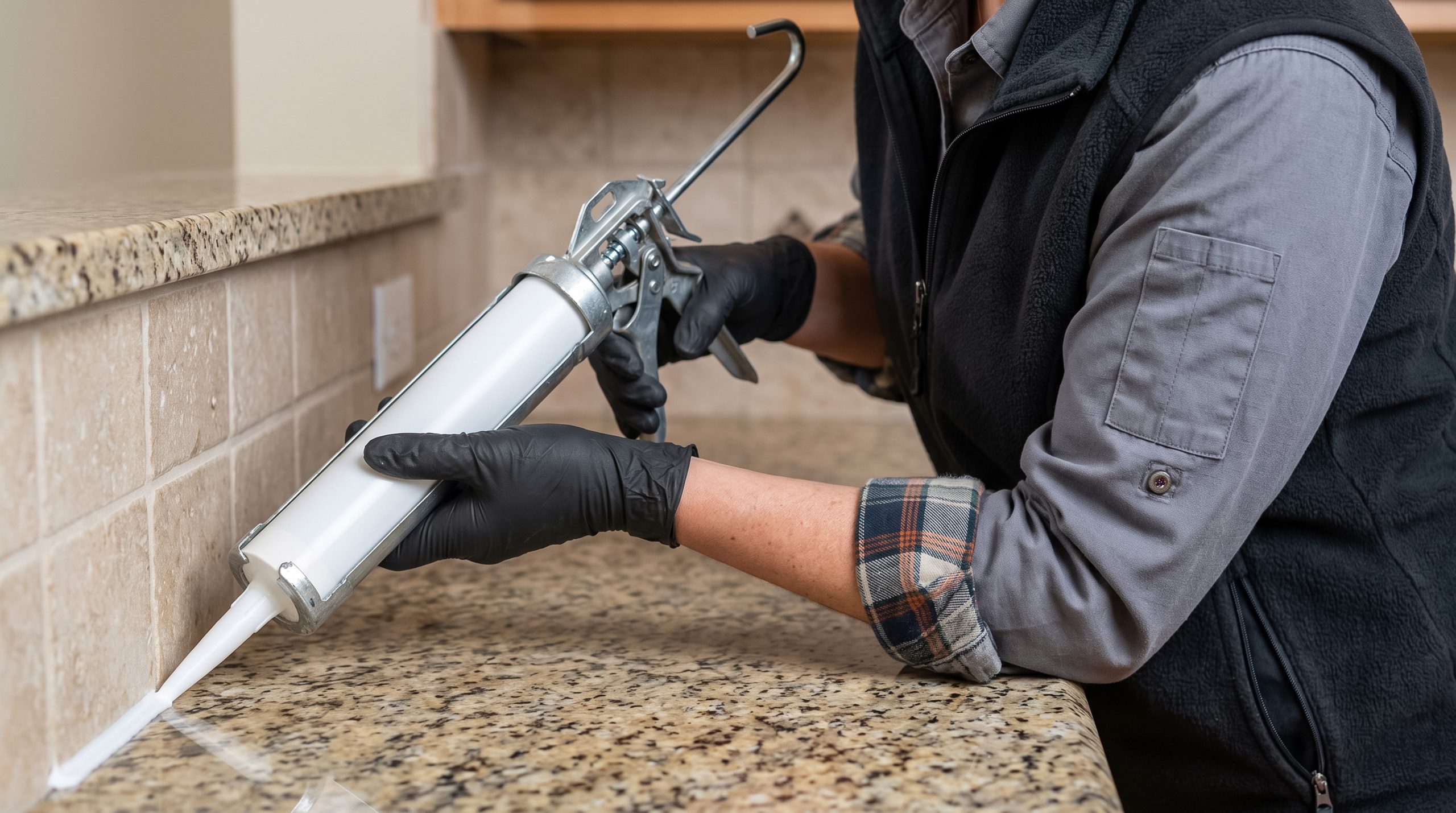
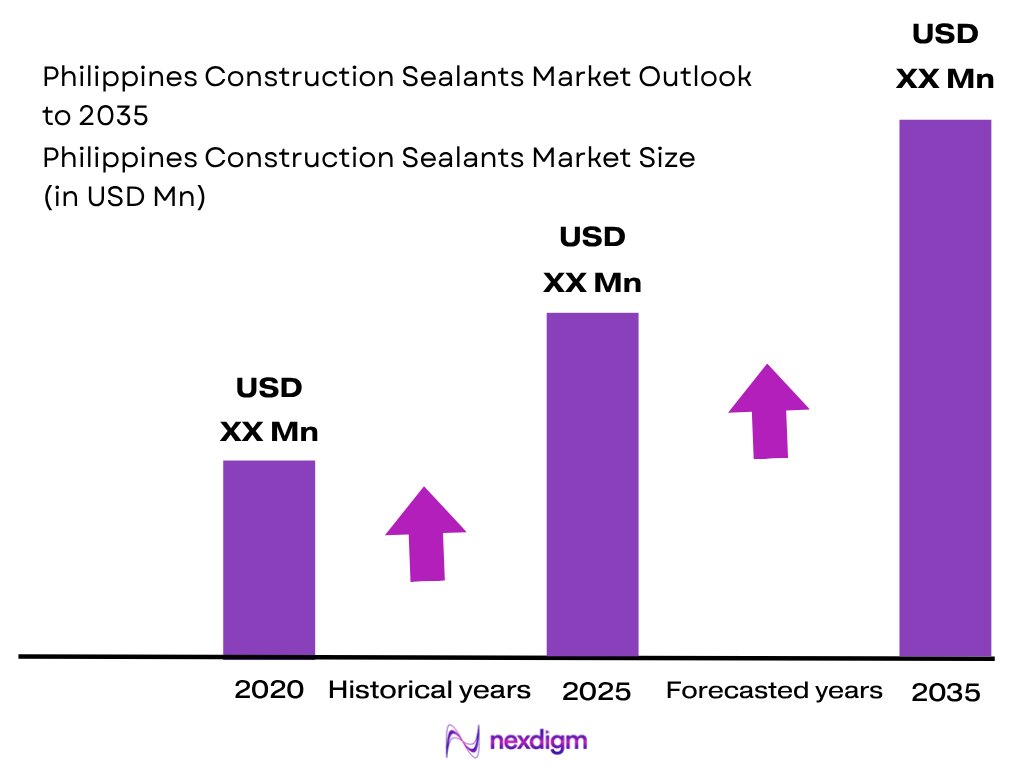
The Philippines Construction Sealants Market is valued at approximately ~USD XX million, supported by residential, commercial, industrial and infrastructure construction. Approved constructions increased from 171,268 in the preceding period to 180,341 in the latest period, while permitted floor area increased from 41.47 million m² to 42.84 million m². Residential construction alone reached 116,427 projects and 19.75 million m², supporting silicone, polyurethane, acrylic and hybrid sealant consumption.
Metro Manila, CALABARZON and Central Luzon dominate the Philippines Construction Sealants Market because they combine condominium development, offices, economic zones, factories, warehouses and transport infrastructure. PEZA-approved investments increased from PHP175.71 billion in the preceding period to PHP214.18 billion in the latest period, with new projects concentrated across Cavite, Laguna, Batangas, Pampanga and Metro Manila locations, strengthening demand for façade, industrial-floor, roofing and concrete-joint sealants.
Market Segmentation
By Sealant Chemistry
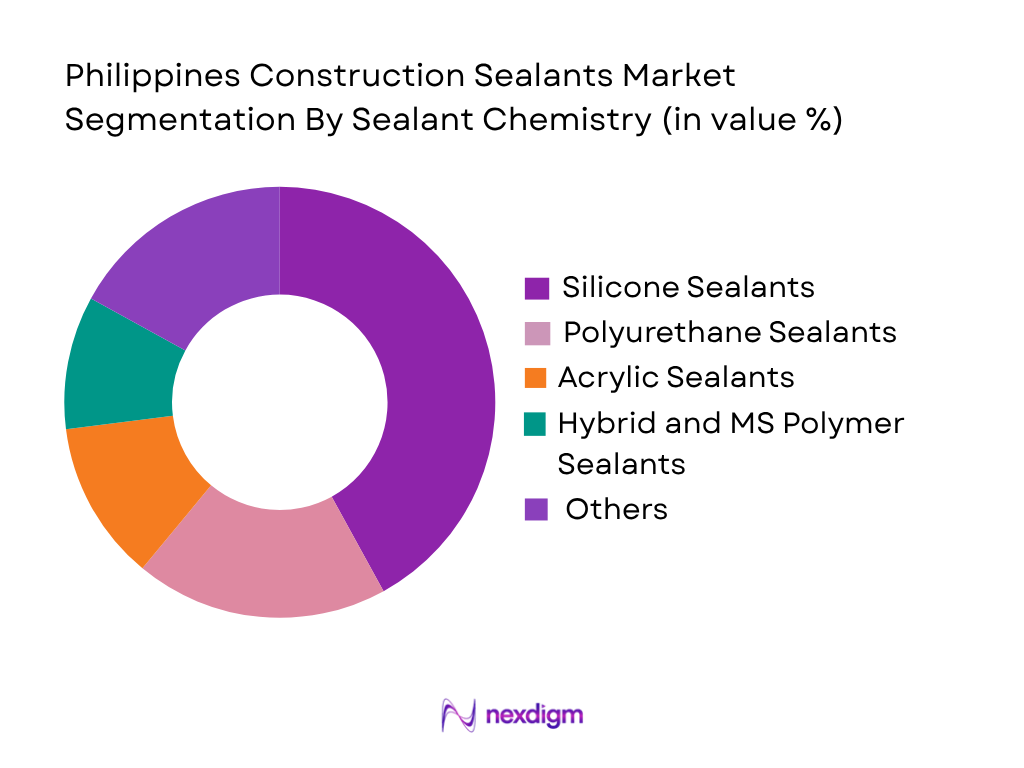
The Philippines Construction Sealants Market is segmented into silicone sealants, polyurethane sealants, acrylic sealants, hybrid and MS polymer sealants, butyl sealants, polysulfide systems and other specialty products. Silicone sealants hold the dominant share because they are extensively used for aluminium windows, glazing, sanitary applications, exterior joints and general weatherproofing across residential and commercial construction. Neutral-cure products are particularly relevant for building envelopes and sensitive substrates, while acetoxy products remain common in bathrooms and general glazing. The country’s tropical climate increases requirements for UV stability, water resistance and long-term elasticity. Polyurethane products are widely used in concrete expansion joints, parking structures and industrial floors because of their movement capability and abrasion resistance. Hybrid and MS polymer products are gradually gaining importance where contractors need multi-substrate adhesion, paintability and lower odour. Local portfolios already include construction-grade silicone, glazing silicone, sanitary silicone, firestop, acrylic and hybrid sealants.
By Application
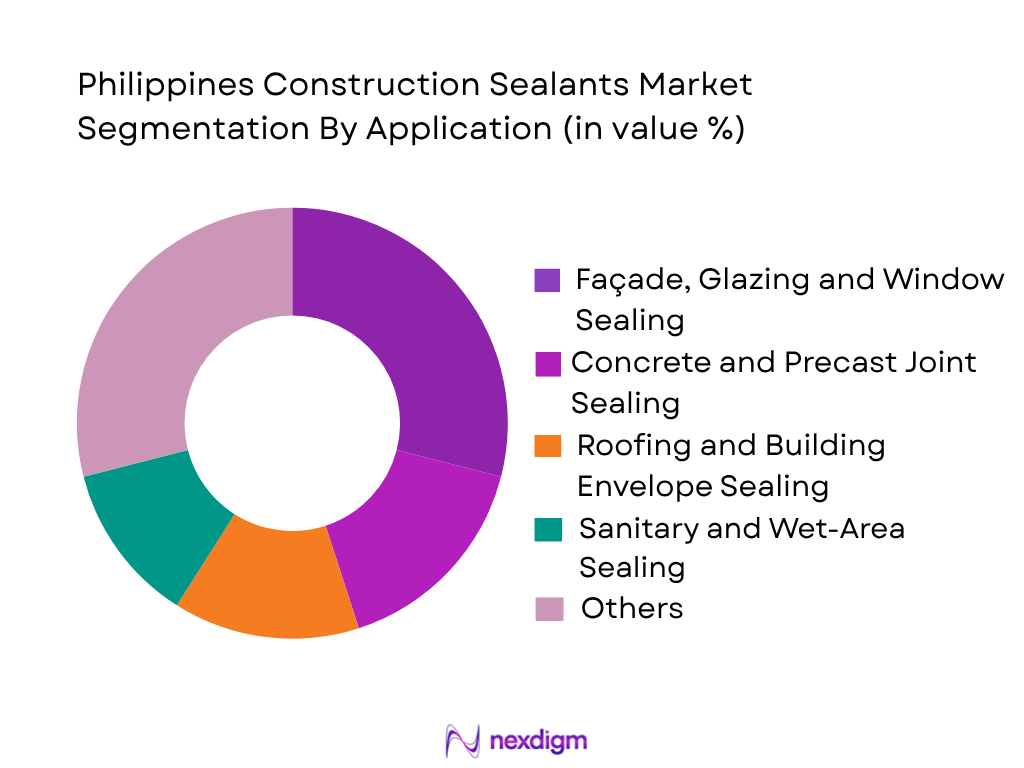
The Philippines Construction Sealants Market is segmented into façade and glazing, window and door perimeter sealing, concrete and precast joints, roofing, sanitary sealing, industrial flooring, infrastructure joints and firestop applications. Façade, glazing and window applications represent the dominant demand pool because urban residential and commercial buildings extensively use aluminium framing, glass panels, windows and weather-exposed envelope joints. Approved residential floor area reached 19.75 million m², while non-residential floor area reached 22.38 million m² in the latest construction-permit dataset, creating a broad installation base. Roofing and weatherproofing are also particularly important in the Philippines because buildings face intense rainfall and typhoon exposure. Industrial developments create additional demand for polyurethane floor and panel-joint sealants, while infrastructure requires high-movement products for concrete pavements, bridges and airports. Sika Philippines specifically markets façade, floor/road and pavement sealant systems for these applications.
Competitive Landscape
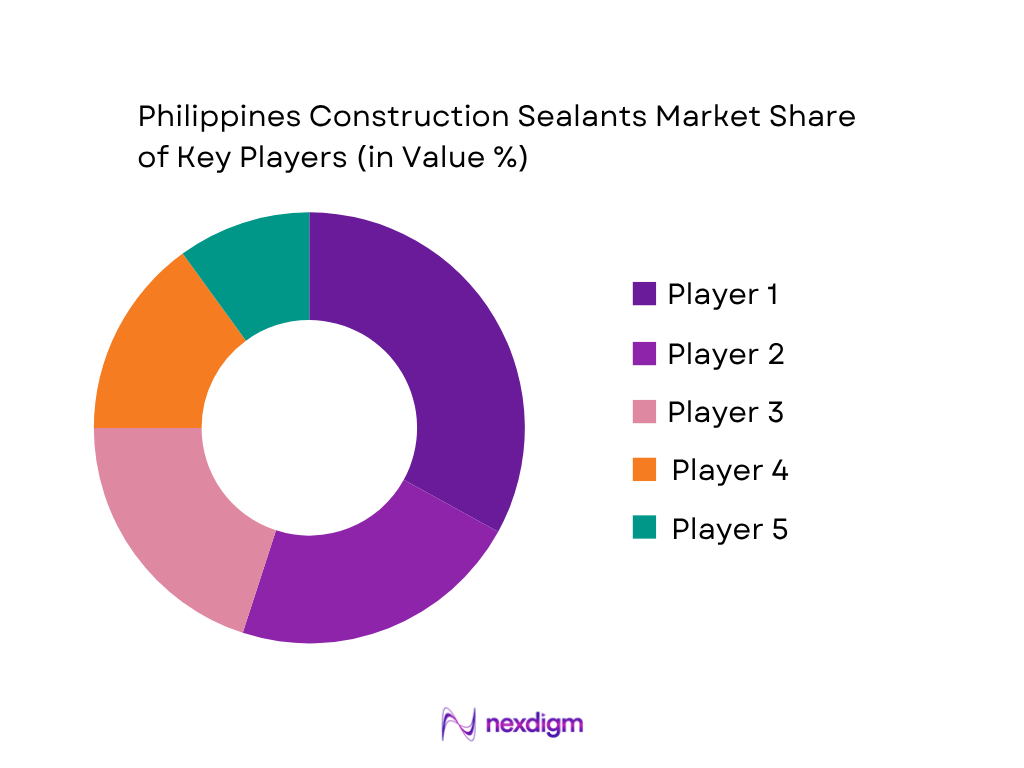
The Philippines Construction Sealants Market combines multinational construction-chemical manufacturers with established local producers. Competition is shaped by silicone and polyurethane breadth, façade and glazing capability, tropical-weather performance, local manufacturing, retail and hardware reach, firestop offerings and technical field support. Domestic companies such as Pioneer Adhesives and Allgemeine Bau-Chemie compete through strong local production and distribution, while Sika, Bostik and MAPEI offer broader international technologies and project-specification capabilities. Bostik operates local facilities in Tanay and Tagoloan, while Pioneer maintains a manufacturing compound in Laguna.
| Major Player | Establishment Year | Headquarters | Silicone Portfolio | PU / Joint Sealants | Façade & Glazing Capability | Roofing / Weatherproofing | Firestop / Specialty | Philippines Supply & Technical Presence |
| Sika | 1910 | Baar, Switzerland | ~ | ~ | ~ | ~ | ~ | ~ |
| Bostik | 1889 | Puteaux, France | ~ | ~ | ~ | ~ | ~ | ~ |
| MAPEI | 1937 | Milan, Italy | ~ | ~ | ~ | ~ | ~ | ~ |
| Pioneer Adhesives | 1958 | Quezon City, Philippines | ~ | ~ | ~ | ~ | ~ | ~ |
| Allgemeine Bau-Chemie | 1981 | Philippines | ~ | ~ | ~ | ~ | ~ | ~ |
Philippines Construction Sealants Market Analysis
Growth Drivers
Expanding Residential and Non-Residential Construction Is Increasing Sealant Consumption
The Philippines Construction Sealants Market is being supported by a large pipeline of residential, commercial and institutional construction that creates recurring requirements for glazing, window perimeter sealing, concrete joints, sanitary applications and building-envelope weatherproofing. Philippine Statistics Authority data recorded 180,341 approved constructions in 2024, including 116,427 residential projects and 39,238 non-residential projects. Residential developments represented 19,748,190 square metres of permitted floor area, while non-residential construction contributed another 22,380,982 square metres. This scale of development increases consumption of neutral-cure silicone around aluminium windows and curtain-wall interfaces, polyurethane products in concrete movement joints, sanitary silicone in bathrooms and hybrid systems around mixed substrates. Alteration and repair activity added 13,997 projects, creating additional re-caulking and weatherproofing requirements within existing buildings. The broader economic environment supports this construction base: World Bank data record Philippine nominal GDP of USD461.62 billion in 2024 and GDP per capita of USD3,984.8. The combination of substantial permitted floor area, residential construction and refurbishment creates a broad, recurring application base for construction sealant suppliers.
Industrial and Economic-Zone Expansion Is Driving Higher-Specification Joint Sealing
Industrial expansion is strengthening Philippines Construction Sealants Market demand for polyurethane, silicone, firestop and hybrid sealants used in factories, warehouses, electronics facilities, cleanrooms and logistics buildings. The Philippine Economic Zone Authority approved 255 projects in 2024, while approved investment activity reached PHP214.2 billion and manufacturing accounted for PHP149.3 billion. PEZA economic zones supported approximately 1.7 million direct jobs, illustrating the physical scale of operating industrial estates requiring continuous construction, maintenance and expansion. The authority also reported 17 additional ecozones proclaimed during 2024 across the National Capital Region, Central Luzon, CALABARZON, Western Visayas, Central Visayas and SOCCSKSARGEN. These developments create sealant-intensive applications in precast wall joints, metal cladding, roofing interfaces, loading areas, floor expansion joints, fire-rated penetrations and controlled manufacturing spaces. Manufacturing facilities typically require better chemical resistance, movement accommodation and durability than ordinary residential applications. World Bank data place Philippine nominal GDP at USD461.62 billion in 2024 and GDP per capita at USD3,984.8. The combination of industrial investment and expanding ecozone infrastructure therefore supports demand for technically differentiated construction sealants.
Market Challenges
Imported Polymer and Chemical Feedstock Dependence Creates Supply Exposure
The Philippines Construction Sealants Market faces supply-chain vulnerability because specialized silicone, polyurethane, acrylic and hybrid formulations depend heavily on imported polymers, intermediates, catalysts and specialty additives. Philippine Statistics Authority trade data show total merchandise imports of USD127.60 billion in 2024, while raw materials and intermediate goods accounted for USD46.47 billion and capital goods another USD35.73 billion. This import structure is relevant to construction sealant manufacturers because silicone polymers, PU prepolymers, silanes and formulation additives must often move through international chemical supply chains before local blending, filling or distribution. Supply disruption can therefore affect availability of façade silicone, trafficable polyurethane, firestop products and hybrid sealants needed for time-sensitive projects. The challenge is amplified by substantial domestic construction activity: 180,341 permitted constructions and 42,837,581 square metres of approved floor area were recorded in 2024, requiring reliable product availability across numerous project sites. World Bank data record Philippine nominal GDP of USD461.62 billion in 2024 and GDP per capita of USD3,984.8. Suppliers consequently need diversified sourcing, larger local inventories and stronger domestic filling or formulation capability.
Typhoon Exposure and Tropical Conditions Increase Sealant Performance Risks
The Philippines Construction Sealants Market faces unusually demanding weather conditions because exterior joints must withstand high humidity, intense rainfall, UV exposure, thermal movement and repeated typhoon-driven wind and water loads. PAGASA recorded 18 tropical cyclones entering the Philippine Area of Responsibility in 2024, beginning with Aghon and followed by another 17 systems. During just 04–18 November, 4 tropical cyclones—Marce, Nika, Ofel and Pepito—crossed or affected the country in rapid succession. Government disaster reports covering Nika, Ofel and Pepito recorded infrastructure damage exceeding PHP2.9 billion, demonstrating the physical stress imposed on buildings and infrastructure. These conditions increase risks of adhesion loss, cracking, water intrusion and premature façade or roofing-joint failure when low-grade sealants or poor application practices are used. The construction base exposed to these conditions is extensive, with 42,837,581 square metres of permitted floor area recorded in 2024. World Bank data put nominal GDP at USD461.62 billion in 2024 and GDP per capita at USD3,984.8, underscoring the economic importance of durable building-envelope protection.
Market Opportunities
High-Performance Façade and Building-Envelope Sealants Offer Significant Growth Scope
The Philippines has a strong future opportunity for higher-performance neutral silicone, hybrid polymer and façade weatherproofing products as the active building pipeline increases the number of window, curtain-wall, roofing and movement-joint interfaces requiring durable sealing. Philippine Statistics Authority data show 39,238 non-residential constructions in 2024 covering 22,380,982 square metres of floor area, alongside 116,427 residential constructions covering 19,748,190 square metres. This development base creates opportunities beyond commodity sanitary silicone, particularly for high-movement sealants, neutral-cure products compatible with aluminium and coated substrates, roof-junction sealants and systems designed for wind-driven rain. Repair demand adds another layer: 13,997 alteration and repair projects were permitted in 2024, supporting replacement of deteriorated perimeter joints, roof seals and façade caulking. Tropical exposure makes durability and adhesion particularly valuable differentiators. World Bank data record Philippine nominal GDP of USD461.62 billion in 2024 and GDP per capita of USD3,984.8. These current construction volumes provide a strong platform for future growth in specification-led building-envelope products, technical joint design and professional applicator support.
Local Sealant Formulation and Ecozone Manufacturing Can Reduce Import Dependence
Local formulation, cartridge filling and manufacturing represent a future growth opportunity for the Philippines Construction Sealants Market because the country combines a large imported raw-material base with an expanding domestic industrial ecosystem. Philippine Statistics Authority data show USD46.47 billion of raw-material and intermediate-goods imports in 2024, demonstrating the scale of inputs entering domestic manufacturing. At the same time, PEZA approved 255 projects and supported approximately 1.7 million direct jobs, while 17 new ecozones were proclaimed across several major regions. These industrial clusters provide potential locations and customer networks for local production of acrylic sealants, polyurethane joint products, neutral silicone, hybrid sealants and cartridge-packaged construction chemicals. Domestic manufacturing could shorten replenishment cycles, support project-specific packaging, strengthen private-label production and improve responsiveness during disruptions affecting imported finished goods. Construction demand already provides a substantial customer base, with 180,341 permitted projects recorded in 2024. World Bank data place Philippine nominal GDP at USD461.62 billion in 2024 and GDP per capita at USD3,984.8. These conditions create room for greater local value addition and climate-adapted product development.
Future Outlook
The Philippines Construction Sealants Market is expected to expand at approximately ~X.X% CAGR during 2026-2035, supported by continued housing construction, industrial investment, infrastructure development and building repair requirements. Demand is expected to gradually shift from basic general-purpose silicone toward neutral-cure silicone, trafficable polyurethane, hybrid polymer and fire-rated systems. Industrial expansion provides a particularly important demand base. PEZA closed 2024 with PHP214.2 billion in approved investments across 255 projects, including substantial manufacturing activity. These projects support factory, logistics and warehouse construction requiring floor-joint, panel, roof and perimeter sealing.
Infrastructure applications are also expected to support higher-specification products. Pavement and transportation projects require sealants with movement capability, resistance to water and traffic, and in some cases resistance to fuel and chemicals. Roofing and weatherproofing will remain structurally important because Philippine buildings routinely face strong rainfall, tropical humidity and severe storm exposure, encouraging continued demand for elastic exterior sealants.
Major Players
- Sika Philippines, Inc.
- Bostik Philippines, Inc. / Arkema
- Allgemeine Bau-Chemie Phil., Inc.
- Pioneer Adhesives, Inc.
- Mapei Philippines Inc.
- Dow / DOWSIL Construction Solutions
- Wacker Chemicals / WACKER Silicones
- Momentive Performance Materials
- Henkel Philippines, Inc.
- H.B. Fuller
- 3M Philippines, Inc.
- Fosroc Philippines / Regional Solutions
- Saint-Gobain Philippines
- Soudal Asia Pacific
- KCC Philippines / Regional Sealant Solutions
Key Target Audience
- Construction Sealant and Construction Chemical Manufacturers
- Glass, Aluminium and Façade Fabricators
- General Contractors and Specialist Sealant Applicators
- Residential, Commercial and Industrial Property Developers
- Hardware, Building Material and Construction Chemical Distributors
- Investments and Venture Capitalist Firms
- Government and Regulatory Bodies (Department of Public Works and Highways, Department of Human Settlements and Urban Development, Philippine Economic Zone Authority, Bureau of Philippine Standards, Bureau of Fire Protection)
- Airport, Transport and Infrastructure Contractors
Research Methodology
Step 1: Identification of Key Variables
The initial phase involves developing an ecosystem map covering sealant manufacturers, raw-material suppliers, importers, hardware distributors, glazing fabricators, contractors, developers and infrastructure stakeholders. Secondary and proprietary research identifies chemistry types, packaging formats, applications and geographic concentrations. Key variables include sealant consumption, joint density, substrate type, movement requirement, local manufacturing and project specification.
Step 2: Market Analysis and Construction
Historical data are analyzed using building permits, construction floor area, industrial investment, infrastructure activity and renovation indicators. The top-down approach estimates potential demand from national construction activity, while the bottom-up approach evaluates supplier sales, distribution throughput and typical sealant consumption by application. Findings are reconciled across silicone, polyurethane, acrylic, hybrid and specialty products.
Step 3: Hypothesis Validation and Expert Consultation
Market hypotheses are validated through computer-assisted telephone interviews with manufacturers, sealant applicators, façade contractors, hardware distributors, developers and infrastructure contractors. Discussions evaluate chemistry selection, local versus imported supply, tropical-weather performance, joint design, contractor preferences and product substitution. The resulting insights help separate commodity retail sealants from specification-driven façade, industrial and infrastructure demand.
Step 4: Research Synthesis and Final Output
The final phase triangulates PSA construction statistics, PEZA investment data, manufacturer disclosures, project pipelines and primary research. Demand is validated across chemistry, application, region and end-user category. Forecasting incorporates residential development, industrial zones, transport infrastructure, repair activity, fire-safety requirements and increasing adoption of higher-performance polyurethane, hybrid and neutral-cure silicone technologies.

- Executive Summary
- Research Methodology (Market Definitions and Assumptions, Philippines Construction Sealants Market Classification, Silicone Sealant Scope, Polyurethane Sealant Assessment, Hybrid Polymer Sealant Assessment, Acrylic Sealant Assessment, Butyl Sealant Assessment, Polysulfide Sealant Assessment, Structural Glazing Sealant Assessment, Weatherseal Sealant Assessment, Window and Door Sealant Assessment, Concrete Joint Sealant Assessment, Precast Joint Sealant Assessment, Traffic-Grade Sealant Assessment, Fire-Rated Sealant Assessment, Acoustic Sealant Assessment, Roofing Sealant Assessment, Building Envelope Assessment, ASTM C920 Assessment, ASTM C719 Movement Capability Assessment, ASTM C834 Acrylic Latex Sealant Assessment, ASTM C1184 Structural Silicone Assessment, ASTM C1248 Staining Assessment, Joint Movement Assessment, Substrate Compatibility Assessment, Tropical Climate Exposure Assessment, UV Resistance Assessment, Heavy Rain Resistance Assessment, Typhoon Exposure Assessment, National Building Code Assessment, DPWH Standard Specification Assessment, Fire Code Assessment, Chemical Safety Assessment)

- Definition and Scope
- Philippines Construction Sealants Industry Evolution and Development of Acrylic Caulks, Butyl Sealants, Polysulfide Joint Sealants, One-Component Polyurethane Sealants, Two-Component Polyurethane Sealants, Acetoxy Silicone Sealants, Neutral-Cure Silicone Sealants, Glazing Silicone Systems, Low-Modulus Weatherseal Silicones, Hybrid Polymer Sealants, MS Polymer Sealants, Firestop Sealants, Acoustic Sealants, Trafficable Joint Sealants, Concrete Pavement Sealants, Window and Door Sealants, Roofing Sealants, Sanitary Sealants, Façade Perimeter Sealants, Low-VOC Sealants and High-Movement ASTM C920 Sealant Systems
- Construction Sealants Value Chain Analysis
- Construction Sealants Supply Chain Analysis
- Silicone Polymer Suppliers, Polyurethane Prepolymer Suppliers, Acrylic Polymer Suppliers, Polysulfide Polymer Suppliers, MS Polymer Suppliers, Plasticizer Suppliers, Mineral Filler Suppliers, Catalyst Suppliers, Pigment Suppliers, Fire-Retardant Additive Suppliers, Packaging Suppliers, Construction Sealant Manufacturers, Local Formulators, Local Cartridge and Sausage Filling Facilities, Importers, Building Product Distributors, Hardware Dealers, Glass and Aluminium Fabricators, Façade Contractors, Roofing Contractors, Firestop Contractors, General Contractors and Infrastructure Contractors

- Growth Drivers (Residential Construction, Condominium Development, Commercial Building Construction, Industrial Economic Zones, Warehouse and Logistics Development, Airport Expansion, Expressway Construction, Bridge Development, Window and Aluminium System Adoption, Façade Weatherproofing, Concrete Joint Requirements, Roofing Repair, Sanitary Renovation)
- Market Challenges (Low-Cost General-Purpose Silicone Competition, Counterfeit and Substandard Products, Imported Silicone and Polyurethane Feedstock Dependence, Tropical Heat and Humidity, Typhoon and Heavy Rain Exposure, Sealant-Substrate Compatibility Failures, Incorrect Joint Design, Surface Preparation Issues, Primer Misapplication, Skilled Applicator Availability, Contractor Price Sensitivity, Specification Enforcement, Sealant Storage Conditions)
- Market Opportunities (Neutral-Cure Construction Silicone, High-Movement Weatherproofing Sealants, Hybrid and MS Polymer Sealants, Trafficable PU Sealants, Fire-Rated and Intumescent Sealants, Airport Pavement Sealants, Industrial Floor Sealants, Façade Rehabilitation, Roofing Sealants, Anti-Fungal Sanitary Sealants, Data Centre Sealants, Low-VOC Interior Sealants, Local Cartridge Filling and Sealant Manufacturing)
- Market Trends (Neutral-Cure Silicone Adoption, High-Movement Weatherseal Systems, Hybrid Polymer Technology, MS Polymer Bond-and-Seal Products, Self-Leveling Pavement Sealants, Anti-Fungal Sanitary Sealants, Fire-Rated Acrylic Sealants, Sausage Packaging, Primerless Adhesion, Low-VOC Formulations, Roofing Repair Sealants, Tropical Weatherproofing Products, Digital Joint Calculators)
- Government Regulations and Standards (National Building Code of the Philippines, DPWH Standard Specifications, Bureau of Philippine Standards Requirements, Fire Code of the Philippines, Occupational Safety and Health Requirements, Chemical Safety and SDS Requirements, Construction Product Compliance Requirements, ASTM C920 Elastomeric Joint Sealants, ASTM C719 Cyclic Movement Testing, ASTM C834 Acrylic Latex Sealants, ASTM C1184 Structural Silicone Sealants, ASTM C1248 Staining Requirements)
- SWOT Analysis
- Porter’s Five Forces Analysis
- PESTLE Analysis
- Stakeholder Ecosystem
- Construction Sealants Manufacturing and Project Ecosystem

- By Market Value (2020-2025)
- By Sealant Consumption Volume (2020-2025)
- By Silicone Sealant Consumption (2020-2025)
- By Polyurethane Sealant Consumption (2020-2025)
- By Hybrid and MS Polymer Sealant Consumption (2020-2025)
- By Acrylic Sealant Consumption (2020-2025)
- By Building Envelope Sealant Consumption (2020-2025)
- By Window and Door Sealant Consumption (2020-2025)
- By Glazing and Façade Sealant Consumption (2020-2025)
- By Concrete and Precast Joint Sealant Consumption (2020-2025)
- By Infrastructure and Pavement Sealant Consumption (2020-2025)

- By Sealant Chemistry (In Value %)
Silicone Sealants
Polyurethane Sealants
Hybrid Polymer and MS Polymer Sealants
Acrylic Sealants
Siliconized Acrylic Sealants
Butyl Sealants
Polysulfide Sealants
Polyether Sealants
Other Specialty Construction Sealants - By Product Type (In Value %)
One-Component Sealants
Two-Component Sealants
Non-Sag Gun-Grade Sealants
Self-Leveling Sealants
Pourable Joint Sealants
Glazing-Grade Silicone Sealants
Weatherseal Sealants
Trafficable Joint Sealants
Fire-Rated Sealants
Acoustic Sealants
Window and Door Sealants
Roofing Sealants
Sanitary and Anti-Fungal Sealants
Precast Joint Sealants
Sealant Tapes and Butyl Tapes - By Application (In Value %)
Building Expansion and Movement Joints
Window and Door Perimeter Sealing
Curtain Wall Weathersealing
Glazing Sealing
Precast Concrete Panel Joints
Façade Perimeter Joints
Concrete Floor Joints
Industrial and Warehouse Floor Joints
Parking Structure Joints
Roofing and Flashing Sealing
Airport Runway and Taxiway Joints
Bridge and Highway Joints
Firestopping
Acoustic Sealing
Interior Wet-Area and Sanitary Sealing - By Performance Requirement (In Value %)
High-Movement Sealants
Medium-Movement Sealants
Low-Movement Sealants
Low-Modulus Sealants
High-Modulus Sealants
Glazing Performance
Trafficable Performance
Water Immersion Resistance
Tropical Heat Resistance
UV and Weathering Resistance
Heavy Rain Resistance
Fire Resistance
Acoustic Performance
Low-VOC Performance
Primerless Adhesion - By Region (In Value %)
National Capital Region
CALABARZON
Central Luzon
Central Visayas
Western Visayas
Davao Region
Northern Mindanao
Metro Manila
Cebu
Davao City
Laguna
Cavite
Batangas
Bulacan
Pampanga

- Market Share of Major Players (By Philippines Revenue, Sealant Consumption Volume, Silicone Sealant Portfolio, Polyurethane Sealant Portfolio, Hybrid and MS Polymer Portfolio, Façade and Glazing Exposure, Concrete Joint Exposure, Roofing Sealant Exposure, Firestop Sealant Exposure, Infrastructure Project Exposure, Industrial Project Exposure, Philippines Manufacturing or Filling Capacity, Hardware and Distributor Network, Technical Support, Specification Presence)
- Cross Comparison Parameters (Silicone PU Acrylic and Hybrid Sealant Chemistry Breadth, Façade Glazing and Window Weatherproofing Capability, Concrete Floor and Trafficable Joint Sealant Capability, Tropical UV Rain and Typhoon Weathering Performance, Philippines Manufacturing Warehousing and Distribution Network, Infrastructure Airport and Pavement Joint-Sealing Capability, Firestop Sanitary and Interior Sealant Portfolio, Contractor Training Specification and Technical Field-Support Capability)
- SWOT Analysis of Major Players
- Competitive Positioning Matrix
- Major Companies
Sika Philippines, Inc.
Bostik Philippines, Inc. / Arkema
Allgemeine Bau-Chemie Phil., Inc.
Pioneer Adhesives, Inc.
Mapei Philippines Inc.
Dow / DOWSIL Construction Solutions
Wacker Chemicals / WACKER Silicones
Momentive Performance Materials
Henkel Philippines, Inc.
H.B. Fuller
3M Philippines, Inc.
Fosroc Philippines / Regional Solutions
Saint-Gobain Philippines
Soudal Asia Pacific
KCC Philippines / Regional Sealant Solutions

- Façade Contractor Requirement Assessment
- Glass and Aluminium Fabricator Requirement Assessment
- Building Envelope Contractor Requirement Assessment
- Roofing Contractor Requirement Assessment
- General Contractor Procurement Assessment
- Concrete and Infrastructure Contractor Requirement Assessment
- Firestop Contractor Requirement Assessment
- Window and Door Installer Requirement Assessment
- Industrial Flooring Contractor Requirement Assessment
- Architect and Building Envelope Specification Assessment
- Property Developer Requirement Assessment
- Facility Manager Sealant Replacement Requirement Assessment
- Sealant Applicator Requirement Assessment
- Technical Compatibility Testing and Field Support Requirement Assessment

- By Market Value (2026-2035)
- By Sealant Consumption Volume (2026-2035)
- By Silicone Sealant Consumption (2026-2035)
- By Polyurethane Sealant Consumption (2026-2035)
- By Hybrid and MS Polymer Sealant Consumption (2026-2035)
- By Acrylic Sealant Consumption (2026-2035)
- By Building Envelope Sealant Consumption (2026-2035)
- By Window and Door Sealant Consumption (2026-2035)
- By Glazing and Façade Sealant Consumption (2026-2035)
- By Concrete and Precast Joint Sealant Consumption (2026-2035)


 Request a Sample
 Ask for Customization
 Get a Quote
 Enquire Now
