

 Download PDF
 Download PDF
Market Overview
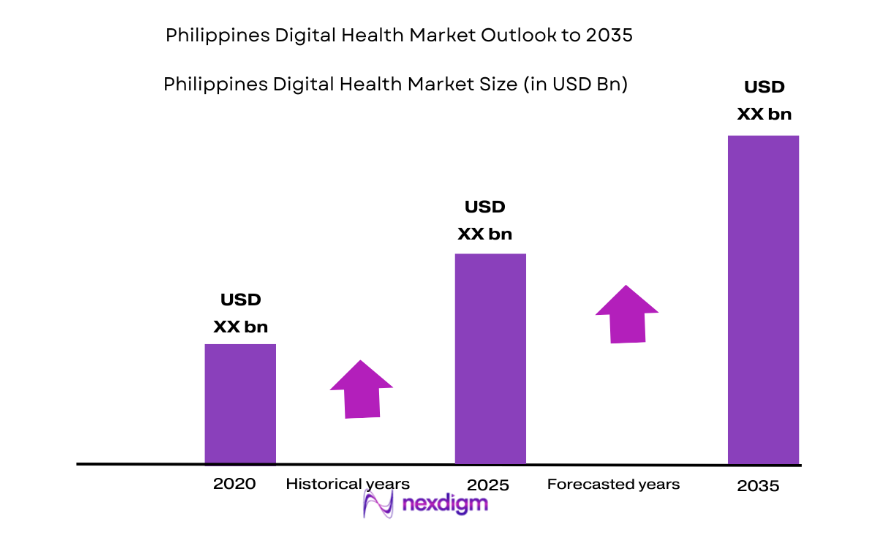
The Philippines Digital Health Market is currently valued at approximately USD ~ billion. This growth is primarily driven by the increasing demand for telemedicine solutions, digital health records, and health information exchange systems. As the healthcare industry shifts toward technological advancements, factors such as the growing adoption of smartphones, internet penetration, and the government’s support for digital health initiatives are contributing to this rapid expansion. The rising demand for personalized healthcare solutions and operational efficiency are key drivers fueling market growth in recent years.
The Philippines’ urban centers, particularly Metro Manila, Cebu, and Davao, dominate the digital health market due to their advanced healthcare infrastructure and widespread internet connectivity. These cities are home to numerous hospitals and healthcare providers that have embraced digital health technologies to streamline their operations and offer more accessible care. Furthermore, government initiatives supporting digital health adoption in these urban areas are enhancing their dominance. Rural regions, however, remain behind in terms of digital health implementation, primarily due to limited infrastructure and access to high-speed internet.
Market Segmentation
By Product Type
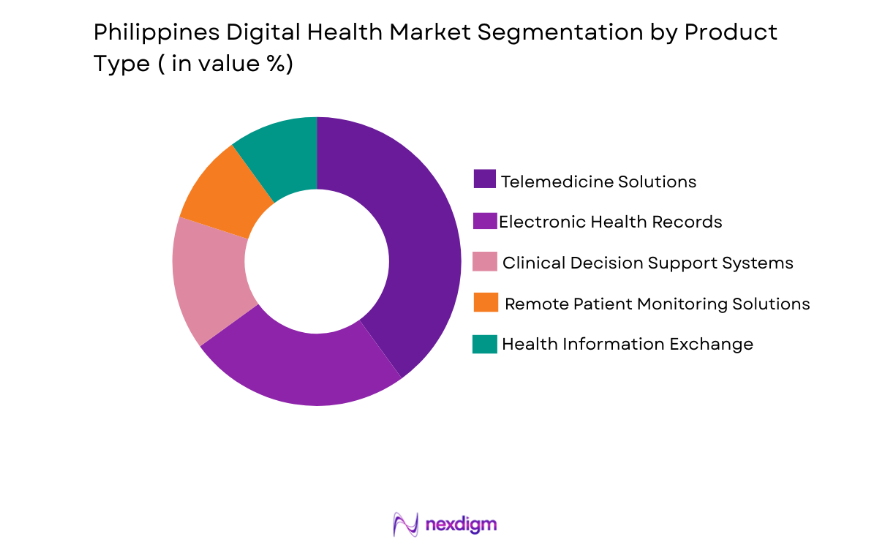
The Philippines Digital Health Market is segmented by product type into telemedicine solutions, electronic health records (EHR), clinical decision support systems (CDSS), remote patient monitoring solutions, and health information exchange (HIE) systems. Telemedicine solutions have recently dominated the market, driven by their ability to provide healthcare access to remote areas and reduce the burden on in-person consultations. The rise of telemedicine platforms is attributed to factors such as convenience, cost-effectiveness, and the growing need for accessible healthcare amidst the COVID-19 pandemic. Telemedicine has rapidly gained popularity among both healthcare providers and patients, enabling virtual consultations, follow-up care, and remote health monitoring. This shift toward virtual care solutions is expected to continue growing, particularly with the ongoing digital transformation in the country’s healthcare system.
By Platform Type
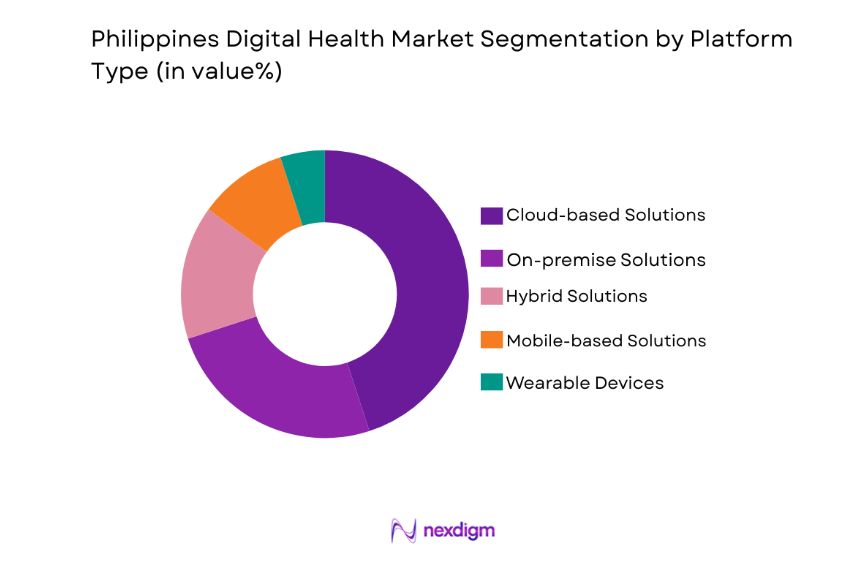
The market is segmented by platform type into cloud-based solutions, on-premise solutions, hybrid solutions, mobile-based solutions, and wearable devices. Cloud-based solutions have a dominant share due to their scalability, cost-efficiency, and the increasing shift towards remote healthcare solutions. These platforms allow healthcare providers to store, access, and analyze patient data securely and remotely, supporting the growing demand for telemedicine and other digital health services. The benefits of cloud technology, such as easy integration with existing healthcare infrastructure, real-time updates, and seamless collaboration between healthcare professionals, make it an ideal solution for the Philippine market. The increasing adoption of cloud-based health platforms is expected to further drive digital health adoption in the country.
Competitive Landscape
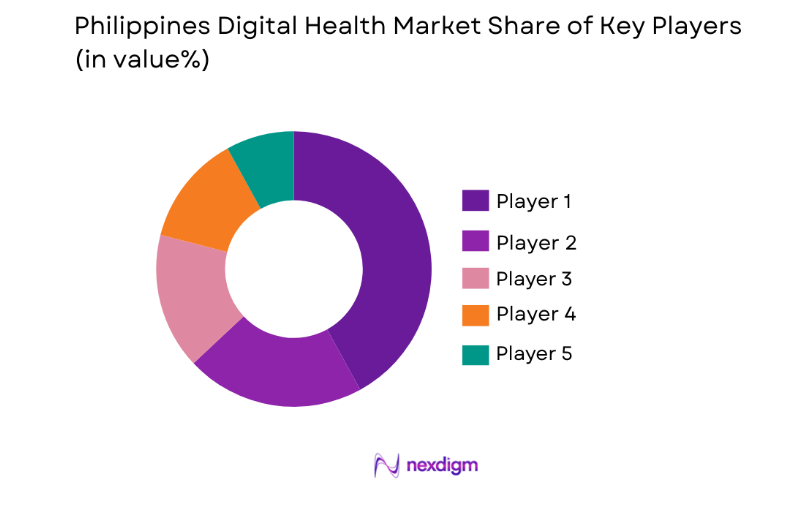
The Philippines Digital Health Market is highly competitive, with both local and international players actively participating in the development and implementation of innovative digital health solutions. The market is witnessing a consolidation trend as key players partner with tech firms and healthcare providers to enhance their service offerings. Major players are focusing on expanding their product portfolios, strengthening customer relationships, and improving accessibility. The increasing number of collaborations and mergers in the market is further intensifying competition.
| Company Name | Establishment Year | Headquarters | Technology Focus | Market Reach | Key Products | Revenue | Digital Health Solutions |
| Philips Healthcare | 1891 | Netherlands | ~ | ~ | ~ | ~ | ~ |
| Cerner Corporation | 1979 | USA | ~ | ~ | ~ | ~ | ~ |
| Medtronic | 1949 | Ireland | ~ | ~ | ~ | ~ | ~ |
| IBM Watson Health | 2015 | USA | ~ | ~ | ~ | ~ | ~ |
| GE Healthcare | 1892 | USA | ~ | ~ | ~ | ~ | ~ |
Philippines Digital Health Market Analysis
Growth Drivers
Government Support for Digital Health Transformation
The Philippines government has been actively promoting the adoption of digital health technologies through various policies, initiatives, and funding programs. Government programs such as the National eHealth Strategic Plan have provided significant support for the integration of telemedicine, electronic health records (EHR), and remote patient monitoring solutions into the country’s healthcare infrastructure. These initiatives aim to improve access to healthcare services, reduce costs, and increase efficiency across the healthcare system. The COVID-19 pandemic has further accelerated the adoption of digital health tools, with telemedicine becoming a critical solution for maintaining healthcare services while adhering to social distancing measures. Government incentives and regulatory frameworks that support digital health infrastructure are expected to continue driving market growth in the Philippines, especially in rural areas where healthcare access has been traditionally limited.
Technological Advancements in Healthcare
The rapid advancements in technology, particularly in artificial intelligence (AI), machine learning (ML), and big data analytics, are major drivers of growth in the Philippines Digital Health Market. These technologies enable healthcare providers to enhance diagnostics, improve patient outcomes, and optimize resource management. AI-powered platforms are increasingly being used for clinical decision support, remote patient monitoring, and predictive analytics, helping healthcare providers make more accurate and timely decisions. The growth in wearable devices and mobile health applications further complements this technological transformation, allowing for real-time health monitoring and personalized care. As these technologies become more accessible and affordable, their adoption across the Philippines healthcare system is expected to increase, fueling market growth in the coming years.
Market Challenges
Data Privacy and Security Concerns
One of the major challenges facing the Philippines Digital Health Market is ensuring the privacy and security of patient data. With the increased adoption of electronic health records (EHR), telemedicine, and remote patient monitoring, the volume of sensitive health information being stored and shared digitally has grown significantly. This creates an increased risk of cyberattacks, data breaches, and unauthorized access to confidential patient information. The Philippine government has implemented data protection regulations such as the Data Privacy Act, which mandates strict data security standards, but the country still faces significant challenges in fully enforcing these laws. Healthcare providers and digital health companies must invest heavily in cybersecurity technologies and practices to mitigate the risks associated with data breaches and maintain patient trust.
Limited Access to Healthcare in Rural Areas
Despite the growing adoption of digital health technologies, access to healthcare services in rural areas remains a significant challenge in the Philippines. While urban centers like Metro Manila benefit from robust healthcare infrastructure and digital health tools, rural areas still face limited access to high-speed internet, healthcare facilities, and trained medical professionals. The lack of reliable internet infrastructure in remote regions hinders the widespread adoption of telemedicine and other digital health solutions, leaving rural populations underserved. Efforts to improve connectivity and healthcare access in these regions are underway, but significant investment in infrastructure and technology is required to bridge the digital divide.
Opportunities
Expansion of Telemedicine in Rural Areas
One of the most promising opportunities for the Philippines Digital Health Market is the expansion of telemedicine services in rural and underserved regions. The demand for telemedicine has surged in the country, especially since the onset of the COVID-19 pandemic, and it continues to be a viable solution for providing healthcare services to populations in remote areas. With the growing adoption of smartphones and mobile internet, telemedicine platforms can overcome geographical barriers and offer healthcare consultations, follow-up care, and mental health services to people who previously had limited access to medical professionals. The government’s push for universal healthcare and infrastructure development in rural areas will likely provide the necessary foundation for the widespread adoption of telemedicine, making it a key opportunity for growth in the digital health market.
AI and Big Data Integration in Healthcare
The integration of artificial intelligence (AI) and big data analytics in healthcare is another significant opportunity in the Philippines Digital Health Market. These technologies can revolutionize healthcare by improving diagnosis accuracy, predicting disease outbreaks, and personalizing patient care. Healthcare providers in the Philippines can leverage AI and machine learning algorithms to analyze large datasets from medical records, wearable devices, and patient interactions to identify patterns and offer more precise and timely treatments. As the healthcare system becomes increasingly digitized, the demand for AI-powered solutions is expected to grow, creating substantial opportunities for companies that specialize in AI healthcare technologies and big data analytics solutions. This opportunity will not only enhance patient outcomes but also improve the efficiency of healthcare delivery across the country.
Future Outlook
Over the next five years, the Philippines Digital Health Market is expected to experience robust growth, driven by technological advancements, government support, and increasing healthcare demand. The adoption of telemedicine, AI, and big data analytics will continue to transform the healthcare landscape, enhancing patient care, operational efficiency, and access to services. Additionally, regulatory support will play a crucial role in ensuring the successful integration of digital health solutions across the country. As the market matures, the focus will shift towards further improving healthcare infrastructure, expanding digital health tools in rural areas, and addressing cybersecurity challenges.
Major Players
- Philips Healthcare
- Cerner Corporation
- Medtronic
- IBM Watson Health
- GE Healthcare
- Allscripts Healthcare Solutions
- Samsung Medison
- Honeywell Healthcare
- Oracle Health
- Microsoft Health Solutions
- Siemens Healthineers
- VSee
- Qualcomm Life
- Teladoc Health
- Medtronic
Key Target Audience
- Investments and venture capitalist firms
- Government and regulatory bodies
- Healthcare providers
- Hospitals and medical centers
- Pharmaceutical companies
- Telemedicine platform providers
- Healthcare technology firms
Research Methodology
Step 1: Identification of Key Variables
This step involves identifying and defining the core variables that influence the digital health market, including technology trends, regulatory frameworks, and market drivers.
Step 2: Market Analysis and Construction
In this step, the market is analyzed through the aggregation of data sources such as industry reports, government publications, and proprietary data to develop a market model.
Step 3: Hypothesis Validation and Expert Consultation
The preliminary market model is validated through consultations with industry experts, thought leaders, and key stakeholders to ensure accuracy and feasibility.
Step 4: Research Synthesis and Final Output
The final market report is synthesized, summarizing the analysis, trends, and projections with actionable insights for stakeholders in the digital health market.

- Executive Summary
- Research Methodology (Definitions, Scope, Industry Assumptions, Market Sizing Approach, Primary & Secondary Research Framework, Data Collection & Verification Protocol, Analytic Models & Forecast Methodology, Limitations & Research Validity Checks)

- Market Definition and Scope
- Value Chain & Stakeholder Ecosystem
- Regulatory / Certification Landscape
- Sector Dynamics Affecting Demand

- Growth Drivers
Increase in Government Healthcare Initiatives
Growing Smartphone and Internet Penetration
Rising Healthcare Costs and Demand for Efficiency - Market Challenges
Data Privacy and Security Concerns
Limited Internet Infrastructure in Rural Areas
High Initial Investment Costs for Healthcare Providers - Market Opportunities
Expansion of Telemedicine in Rural Areas
Partnerships with Tech Firms for Innovation
Integration of AI and Big Data in Healthcare - Trends
Adoption of Artificial Intelligence in Healthcare
Increasing Use of Wearable Health Devices - Government Regulations
- SWOT Analysis
- Porter’s Five Forces

- By Market Value, 2020-2025
- By Installed Units, 2020-2025
- By Average System Price, 2020-2025
- By System Complexity Tier, 2020-2025

- By System Type (In Value%)
Telemedicine Solutions
Electronic Health Records (EHR)
Clinical Decision Support Systems (CDSS)
Remote Patient Monitoring Solutions
Health Information Exchange (HIE) - By Platform Type (In Value%)
Cloud-based Solutions
On-premise Solutions
Hybrid Solutions
Mobile-based Solutions
Wearable Devices - By Fitment Type (In Value%)
On-premise Solutions
Cloud-based Solutions
Integrated Solutions
Modular Solutions - By End User Segment (In Value%)
Healthcare Providers
Pharmaceutical Companies
Insurance Providers

- Market Share Analysis
Cross Comparison Parameters (System Type, Platform Type, Procurement Channel, End User Segment, Fitment Type, Technology, Market Share) - SWOT Analysis of Key Competitors
Pricing & Procurement Analysis - Key Players
Philippine Health Insurance Corporation
Philips Healthcare
Cerner Corporation
Allscripts Healthcare Solutions
Medtronic
Siemens Healthineers
GE Healthcare
IBM Watson Health
Oracle Health
GE Healthcare
Samsung Medison
HealthTech Philippines
MediLink Network
Telerad Tech
Carestream Health

- Healthcare Providers’ Increasing Demand for Digital Health Solutions
- Insurance Providers’ Role in Expanding Digital Health Adoption
- Pharmaceutical Companies’ Interest in Data Analytics
- Emerging Demand for Patient-centered Health Solutions

- Forecast Market Value, 2026-2035
- Forecast Installed Units, 2026-2035
- Price Forecast by System Tier, 2026-2035
- Future Demand by Platform, 2026-2035


 Request a Sample
 Ask for Customization
 Get a Quote
 Enquire Now