
 Download PDF
 Download PDF
Market Overview
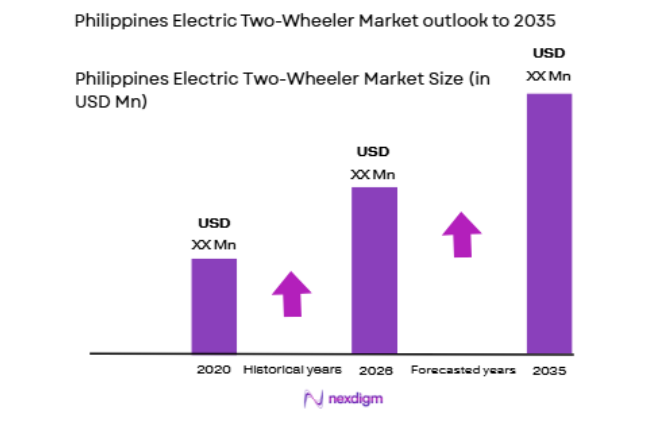
The Philippines electric two-wheeler market is expected to reach USD ~ million based on a recent historical assessment. This market growth is driven by the rising adoption of electric two-wheelers for daily transportation, increased awareness of environmental sustainability, and government incentives promoting clean energy solutions. The economic shift towards more affordable electric alternatives, along with lower operational costs of electric motorcycles, has further accelerated market expansion.
Metro Manila and major urban areas such as Cebu and Davao dominate the electric two-wheeler market due to their high traffic congestion, air pollution concerns, and large commuter populations. The urbanization of these cities, paired with government policies supporting electric vehicle adoption, makes them key locations for the deployment and usage of electric two-wheelers. Local manufacturers, as well as international companies, are focusing on these areas for product introduction and expansion due to the urban infrastructure that supports electric mobility.
Market Segmentation
By Product Type
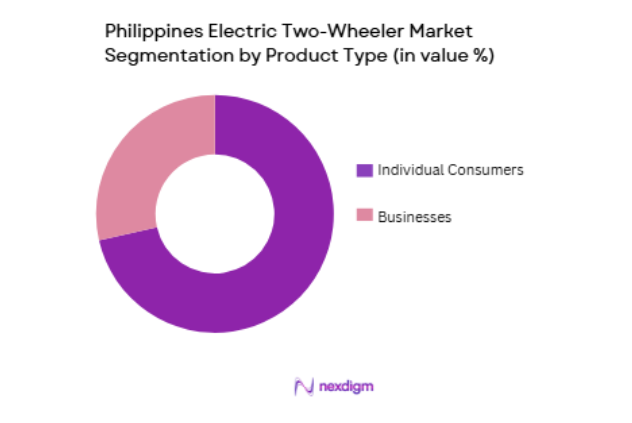
The Philippines electric two-wheeler market is segmented by product type into electric motorcycles and electric scooters. Electric motorcycles dominate the market share due to their higher speed, longer range, and greater utility for daily commuting in urban areas. They offer a practical and affordable alternative to traditional motorcycles, especially with increasing fuel prices and traffic congestion. Electric motorcycles provide consumers with a sustainable solution, offering significant savings in fuel and maintenance costs compared to conventional vehicles. The increasing demand for two-wheeled transportation in congested urban areas makes electric motorcycles the preferred choice for both individual consumers and fleet operators in the Philippines.
By End-Use Application
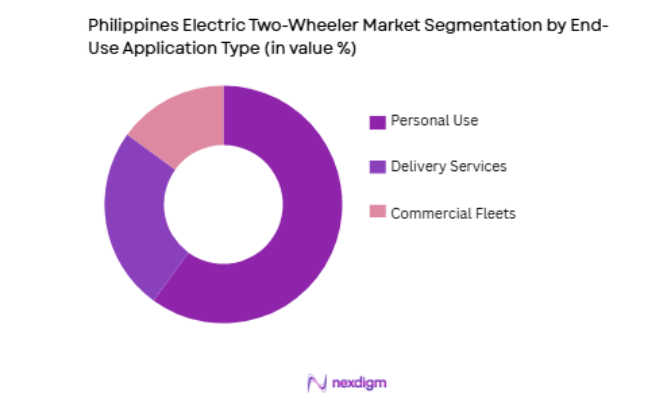
The Philippines electric two-wheeler market is segmented by end-use application into personal use, delivery services, and commercial fleets. The personal use segment holds the dominant market share, primarily due to the increasing demand for affordable, fuel-efficient, and eco-friendly alternatives to traditional motorcycles. Electric two-wheelers are seen as a practical mode of transport for daily commuting, particularly in densely populated cities where traffic congestion is a significant issue. The affordability of electric motorcycles, coupled with lower operating and maintenance costs, makes them a popular choice for individuals seeking cost-effective and environmentally friendly transportation options in urban and rural areas.
Competitive Landscape
The competitive landscape of the Philippines electric two-wheeler market is characterized by both local and international players. Global companies such as Yamaha, Honda, and Gogoro are introducing electric two-wheeler models in the market, supported by their established brand presence and extensive dealer networks. Local manufacturers such as Cleanfuel and QEV Technologies are also expanding their product offerings to cater to the growing demand for electric mobility in the country. As the market matures, competition is intensifying, with players focusing on offering affordable, high-performance electric two-wheelers, improved battery technologies, and enhanced charging infrastructure to gain market share.
| Company Name | Establishment Year | Headquarters | Technology Focus | Market Reach | Key Products | Revenue | Market-Specific Parameter |
| Yamaha | 1953 | Iwata, Japan | ~ | ~ | ~ | ~ | ~ |
| Honda | 1948 | Tokyo, Japan | ~ | ~ | ~ | ~ | ~ |
| Gogoro | 2011 | Taipei, Taiwan | ~ | ~ | ~ | ~ | ~ |
| Cleanfuel | 2007 | Makati, Philippines | ~ | ~ | ~ | ~ | ~ |
| QEV Technologies | 2017 | Manila, Philippines | ~ | ~ | ~ | ~ | ~ |
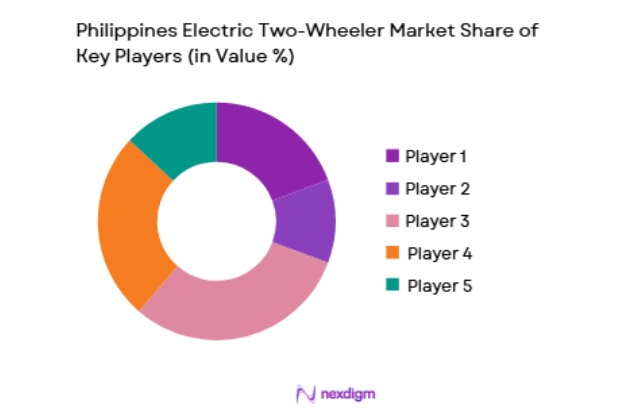
Philippines Electric Two-Wheeler Market Analysis
Growth Drivers
Government Incentives for Electric Mobility
The Philippine government’s push for sustainable transportation solutions plays a major role in the growth of the electric two-wheeler market. Through incentives such as tax exemptions, subsidies, and rebates for electric vehicle buyers, the government is making it easier for consumers to adopt electric motorcycles and scooters. Additionally, policies that promote the use of electric two-wheelers as a way to reduce air pollution and alleviate traffic congestion in cities like Metro Manila are boosting demand. The government’s efforts to create a more sustainable transportation ecosystem by investing in infrastructure such as charging stations and promoting green mobility initiatives are further propelling the growth of the electric two-wheeler market. As the government continues to support the transition to electric vehicles, more consumers and businesses are likely to make the switch to electric motorcycles and scooters, further driving market growth.
Technological Advancements in Electric Two-Wheeler Design
The development of more efficient, durable, and affordable battery technologies has significantly impacted the electric two-wheeler market. With innovations in lithium-ion batteries, electric motorcycles now offer longer ranges and shorter charging times, addressing previous concerns about range anxiety and the inconvenience of long recharging periods. The reduction in battery costs over time has made electric two-wheelers more affordable for both personal and commercial use. Additionally, improvements in electric two-wheeler design, such as lighter frames and more efficient motors, have made these vehicles more attractive to a broader range of consumers. As battery technology continues to evolve, the performance and affordability of electric two-wheelers will continue to improve, driving further market adoption.
Market Challenges
High Initial Cost of Electric Two-Wheelers
Despite the lower operating costs of electric two-wheelers, the high initial purchase price remains a significant barrier for many potential buyers. While electric motorcycles and scooters offer long-term savings in terms of fuel and maintenance costs, the upfront price can be prohibitive for many consumers, particularly in a price-sensitive market like the Philippines. Although the government offers incentives, these are not always sufficient to make electric two-wheelers affordable for the average consumer. This high initial cost limits the accessibility of electric two-wheelers to a larger portion of the population. Reducing the cost of electric two-wheelers, through advancements in battery technology and manufacturing efficiency, will be key to overcoming this challenge and driving wider adoption.
Limited Charging Infrastructure
Another significant challenge facing the electric two-wheeler market in the Philippines is the lack of a comprehensive and accessible charging infrastructure. While some urban areas, particularly Metro Manila, have seen an increase in charging stations, many regions—especially rural areas—lack the necessary infrastructure to support the widespread use of electric motorcycles and scooters. The scarcity of charging stations creates concerns for potential buyers, as they worry about the availability of convenient places to charge their vehicles. The expansion of charging infrastructure will be essential for the continued growth of the electric two-wheeler market, and without this infrastructure, the adoption rate of electric vehicles may remain slow.
Opportunities
Expansion of Charging Infrastructure
The development and expansion of electric vehicle charging stations present a significant opportunity for the electric two-wheeler market in the Philippines. As more consumers adopt electric two-wheelers, the demand for accessible and reliable charging infrastructure will increase. Expanding the charging network, especially in urban centers and along major highways, will reduce range anxiety and increase the convenience of using electric motorcycles and scooters. Both government and private sector investments in charging stations, including the installation of fast-charging stations, will make electric two-wheelers more practical and appealing to a wider audience. The expansion of charging infrastructure, in combination with reduced battery costs and improved vehicle performance, will create a favorable environment for the growth of the electric two-wheeler market in the Philippines.
Integration with Ride-Hailing and Delivery Services
The integration of electric two-wheelers into the growing ride-hailing and delivery services market offers a promising opportunity for market growth. With the rise of food delivery services and e-commerce in the Philippines, electric motorcycles and scooters are becoming an attractive option for businesses looking to reduce operational costs and meet sustainability goals. Electric two-wheelers are ideal for delivery services, offering lower fuel and maintenance costs while contributing to reducing traffic congestion and air pollution. As more ride-hailing companies and delivery services adopt electric two-wheelers, the market for electric motorcycles will continue to expand, creating new growth opportunities for manufacturers and operators. This shift will also help increase the overall adoption of electric vehicles in the country.
Future Outlook
The Philippines electric two-wheeler market is expected to experience substantial growth over the next five years, driven by government support, technological advancements, and increasing consumer demand for sustainable transportation solutions. The expansion of charging infrastructure and the adoption of electric two-wheelers in commercial and personal transport will further accelerate market growth. As the technology continues to improve and the cost of electric two-wheelers decreases, the market will become more accessible to a broader segment of the population, positioning the Philippines as a key player in the Southeast Asian electric mobility market.
Major Players
- Yamaha
- Honda
- Gogoro
- Cleanfuel
- QEV Technologies
- Harley-Davidson
- KTM
- Zero Motorcycles
- VEECO
- Benelli
- Piaggio
- NIU Technologies
- Super Soco
- Stromer
- Bajaj
Key Target Audience
- Investments and venture capitalist firms
- Government and regulatory bodies
- Electric vehicle manufacturers
- Delivery service operators
- Fleet management companies
- Charging infrastructure providers
- Commercial transport operators
- Environmental organizations
Research Methodology
Step 1: Identification of Key Variables
Identify key market drivers, challenges, and opportunities, including government policies, consumer adoption trends, and technological advancements in electric two-wheelers and related infrastructure.
Step 2: Market Analysis and Construction
Analyze market trends and demand patterns using primary and secondary research, including surveys and market data, to create an accurate model for the electric two-wheeler market.
Step 3: Hypothesis Validation and Expert Consultation
Consult with industry experts, manufacturers, and government bodies to validate hypotheses and refine growth projections for the market.
Step 4: Research Synthesis and Final Output
Synthesize findings from research and consultations into a comprehensive report, offering insights and actionable recommendations for stakeholders in the electric two-wheeler market.

- Executive Summary
- Research Methodology (Definitions, Scope, Industry Assumptions, Market Sizing Approach, Primary & Secondary Research Framework, Data Collection & Verification Protocol, Analytic Models & Forecast Methodology, Limitations & Research Validity Checks)

- Market Definition and Scope
- Value Chain & Stakeholder Ecosystem
- Regulatory / Certification Landscape
- Sector Dynamics Affecting Demand

- Growth Drivers
Government Policies and Incentives for EV Adoption
Growing Urbanization and Traffic Congestion
Increasing Environmental Awareness - Market Challenges
Limited Charging Infrastructure
High Initial Purchase Costs
Battery Life and Charging Time Constraints - Market Opportunities
Government Initiatives to Promote EV Infrastructure
Expanding Demand in Delivery & Logistics Sectors
Technological Advancements in Battery Technology - Trends
Rise in E-scooter Sharing Programs
Adoption of Smart Charging Stations - Government Regulations
Incentives for EV Purchases and Tax Reliefs
Government Standards for Charging Infrastructure
EV Emission Reduction Targets - SWOT Analysis
- Porter’s Five Forces

- By Market Value, 2020-2025
- By Installed Units, 2020-2025
- By Average System Price, 2020-2025
- By System Complexity Tier, 2020-2025

- By System Type (In Value%)
Battery Electric Scooters
Electric Motorcycles
Electric Mopeds
High-performance Electric Two-Wheelers
Electric Delivery Vehicles - By Platform Type (In Value%)
Urban Platforms
Suburban Platforms
Off-road Platforms
Delivery & Logistics Platforms
Highway Platforms - By Fitment Type (In Value%)
On-premise Solutions
Battery Swap Solutions
Integrated Charging Solutions
Mobile Charging Solutions - By End User Segment (In Value%)
Private Consumers
Fleet Operators
Delivery & Logistics Providers

- Market Share Analysis
- Cross Comparison Parameters (System Type, Platform Type, End User Segment, Charging Infrastructure, Vehicle Range, Battery Capacity, Cost per Unit, Charging Speed, Availability of Spare Parts, Brand Loyalty)
- SWOT Analysis of Key Competitors
- Pricing & Procurement Analysis
- Key Players
NIU Technologies
Gogoro
Yadea
Hero Electric
Ather Energy
Vespa
Okinawa Autotech
Ampere Vehicles
Vogo Mobility
Jiangsu Xinri E-Vehicle
Yamaha Motor Co.
Honda Motor Co.
Sym Motors
Zongshen Industrial Group
Giant Manufacturing Co.

- Private Consumers’ Growing Interest in Electric Mobility
- Fleet Operators’ Transition to Electric Fleets
- Delivery & Logistics Providers’ Adoption of EVs
- Public Sector’s Role in EV Infrastructure Development

- Forecast Market Value, 2026-2035
- Forecast Installed Units, 2026-2035
- Price Forecast by System Tier, 2026-2035
- Future Demand by Platform, 2026-2035


 Request a Sample
 Ask for Customization
 Get a Quote
 Enquire Now