
 Download PDF
 Download PDF
Market Overview
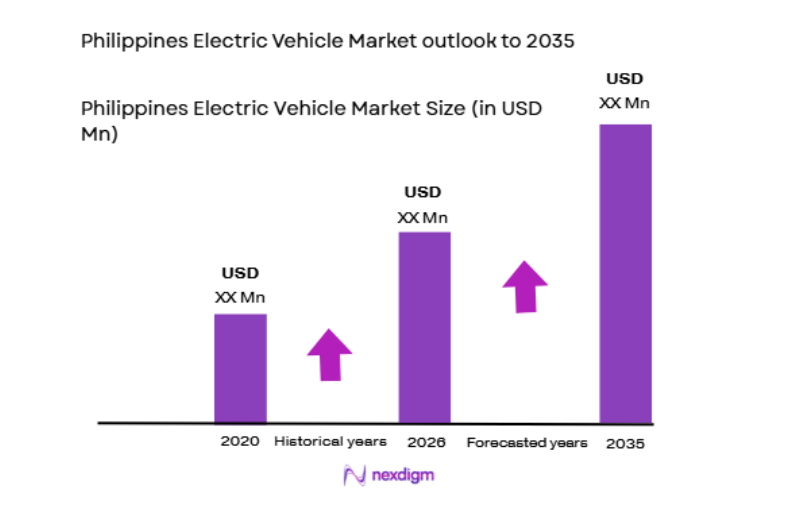
The Philippines electric vehicle (EV) market is projected to reach a market size of USD ~ million based on a recent historical assessment. The growth of this market is primarily driven by government incentives, a rising middle class, and increasing environmental awareness. Furthermore, the growth of electric vehicle infrastructure, such as charging stations, combined with the reduction in EV prices due to technological advancements, is making electric vehicles more accessible to the Filipino population.
Metro Manila and key urban centers, including Cebu and Davao, are at the forefront of electric vehicle adoption. The dominance of these cities can be attributed to their higher population densities, greater consumer purchasing power, and government-backed initiatives to promote clean energy transportation. These cities also benefit from improved EV infrastructure, such as charging stations and public transport integration, making them prime markets for electric vehicle growth in the country.
Market Segmentation
By Vehicle Type
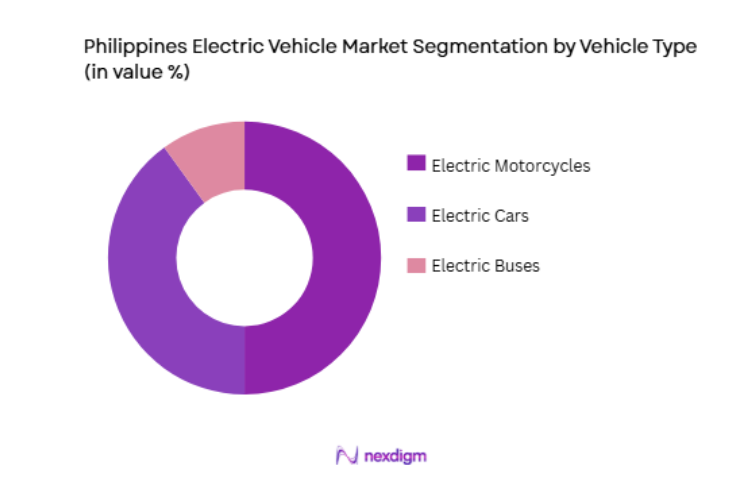
The Philippines EV market is segmented by vehicle type into electric cars, electric motorcycles, and electric buses. Recently, electric motorcycles have gained a dominant market share due to their affordability, lower maintenance costs, and suitability for congested urban areas. With rising fuel prices and traffic congestion in cities like Manila, electric motorcycles offer a more economical and efficient transportation option for daily commuters. Additionally, local government incentives aimed at boosting EV adoption in the two-wheeler segment have further driven the growth of electric motorcycles, making them the preferred choice for many consumers in the country.
By Application
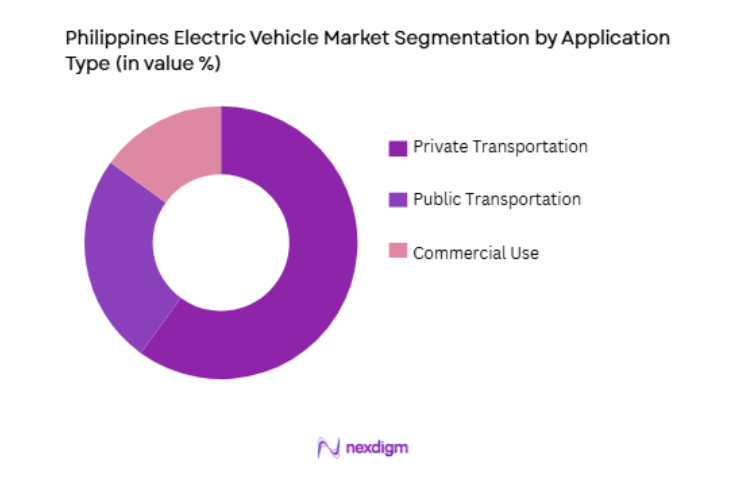
The Philippines EV market is segmented by application into private transportation, public transportation, and commercial use. Private transportation dominates the market share, driven by increasing consumer interest in environmentally friendly vehicles and government incentives for personal electric vehicle purchases. As fuel prices continue to rise and environmental concerns intensify, more Filipino consumers are opting for electric cars and motorcycles as affordable alternatives to traditional gasoline-powered vehicles. The affordability of electric motorcycles and the growing availability of charging infrastructure have made them especially popular for personal use, leading to their market dominance.
Competitive Landscape
The competitive landscape of the Philippines electric vehicle market is dynamic, with a mix of global and local players offering a wide range of electric vehicles. Major international companies such as Nissan, Mitsubishi, and BYD are establishing a foothold in the market, while local players like Cleanfuel and QEV Technologies are gaining traction with their localized electric vehicle offerings. The competition is intensifying as new entrants bring innovative models and charging solutions to meet the growing demand. Government policies promoting EV adoption, along with expanding EV infrastructure, have contributed to increased competition, driving further market expansion.
| Company Name | Establishment Year | Headquarters | Technology Focus | Market Reach | Key Products | Revenue | Market-Specific Parameter |
| Nissan | 1933 | Yokohama, Japan | ~ | ~ | ~ | ~ | ~ |
| Mitsubishi | 1970 | Tokyo, Japan | ~ | ~ | ~ | ~ | ~ |
| BYD | 1995 | Shenzhen, China | ~ | ~ | ~ | ~ | ~ |
| Cleanfuel | 2007 | Makati, Philippines | ~ | ~ | ~ | ~ | ~ |
| QEV Technologies | 2017 | Manila, Philippines | ~ | ~ | ~ | ~ | ~ |
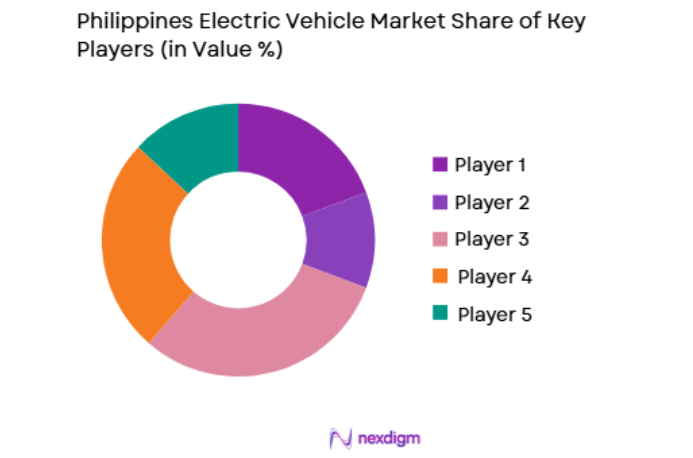
Philippines Electric Vehicle Market Analysis
Growth Drivers
Government Support for Electric Vehicles
The Philippine government has been actively supporting the adoption of electric vehicles through policies such as tax exemptions, subsidies, and incentives for consumers and manufacturers. These initiatives are aimed at reducing carbon emissions and addressing the rising pollution levels in urban areas, particularly in Metro Manila. The government’s commitment to renewable energy and sustainable transportation is a major driver for the EV market, providing a favorable regulatory environment for both manufacturers and consumers. Additionally, the establishment of EV charging infrastructure and the promotion of EV adoption by local governments in major cities have created an environment that encourages both personal and commercial use of electric vehicles. As the government continues to roll out policies that support EV adoption, the market is poised to experience substantial growth in the coming years. With the government’s commitment to reducing greenhouse gas emissions and improving air quality, electric vehicles will continue to gain traction as the preferred mode of transportation.
Technological Advancements in Battery and Charging Infrastructure
The rapid advancements in battery technology and the expansion of charging infrastructure are critical drivers for the growth of the electric vehicle market in the Philippines. As battery prices continue to decrease and energy density improves, electric vehicles are becoming more affordable and practical for consumers. Furthermore, the development of a reliable and widespread charging network is alleviating concerns about the range anxiety associated with electric vehicles. Major cities, particularly Metro Manila, are seeing an increase in the installation of EV charging stations, making it easier for consumers to use electric vehicles without the worry of limited charging options. With the continuous improvement in battery technology, the range and performance of electric vehicles are expected to increase, further boosting their adoption. The availability of convenient and accessible charging infrastructure is a key factor that will enable the widespread adoption of electric vehicles across the country.
Market Challenges
High Initial Cost of Electric Vehicles
Despite the long-term cost savings associated with electric vehicles, the high initial purchase price remains a significant barrier to widespread adoption in the Philippines. Although the government offers incentives, such as tax exemptions and subsidies, these measures are not enough to offset the high cost of electric vehicles compared to traditional gasoline-powered vehicles. This price disparity makes electric vehicles less accessible for a large portion of the population, particularly among lower-income groups. While battery prices are expected to decrease over time, the high upfront cost remains a key challenge for market growth. Consumers are often hesitant to invest in electric vehicles due to concerns over the initial financial commitment, despite the long-term savings on fuel and maintenance costs. As the EV market in the Philippines grows, manufacturers and financial institutions will need to develop strategies to lower the cost of electric vehicles and make them more accessible to a broader range of consumers.
Limited EV Charging Infrastructure
One of the most significant challenges facing the electric vehicle market in the Philippines is the lack of widespread and reliable charging infrastructure. While major cities like Metro Manila have seen an increase in the number of charging stations, there are still significant gaps in coverage, particularly in suburban and rural areas. This lack of infrastructure limits the practicality of owning and operating an electric vehicle, as consumers may be hesitant to purchase EVs if they cannot easily access charging stations. The Philippines’ electric grid is also underdeveloped in certain areas, making it challenging to provide sufficient electricity to support a widespread EV charging network. In addition, there is a lack of standardization in charging systems, which complicates the expansion of the charging infrastructure. To accelerate EV adoption, significant investments in building a robust and accessible charging infrastructure are needed to ensure that consumers can confidently use electric vehicles without concerns over charging availability.
Opportunities
Expansion of EV Charging Networks
The expansion of electric vehicle charging networks presents a significant opportunity for the growth of the Philippines EV market. As more consumers adopt electric vehicles, the demand for accessible and reliable charging stations will increase. The Philippine government, in collaboration with private companies, is already taking steps to address this need by supporting the establishment of charging infrastructure in key urban centers. Expanding the charging network to include not only public charging stations but also home charging solutions will significantly enhance the convenience and appeal of electric vehicles. Additionally, integrating fast-charging technology and offering incentives for the installation of charging stations will further drive the adoption of EVs. With the ongoing improvements in the charging network and government support, the Philippines is well-positioned to see a significant rise in electric vehicle adoption, contributing to the overall growth of the market.
Rise of Electric Public Transportation
The growth of electric buses and electric motorcycles in public transportation presents a unique opportunity for the Philippines EV market. With the Philippine government’s goal to reduce air pollution and improve public transport efficiency, the transition to electric public transportation is gaining momentum. The government has already launched initiatives to integrate electric buses into the public transport system in Metro Manila, and this trend is expected to expand to other urban areas. Electric buses offer a more sustainable and cost-effective solution for public transport, as they reduce greenhouse gas emissions and operating costs compared to traditional diesel buses. Additionally, the rising popularity of electric motorcycles for shared mobility and last-mile delivery services offers an opportunity to meet the growing demand for clean, efficient transportation. The expansion of electric vehicles in the public transport sector will drive the overall market growth, while contributing to the government’s goals for a greener, more sustainable transportation system.
Future Outlook
The Philippines electric vehicle market is poised for significant growth in the next five years, driven by government incentives, technological advancements in EVs and charging infrastructure, and increasing environmental awareness. As the country works towards reducing its carbon emissions and enhancing urban mobility, electric vehicles will play an increasingly important role in transforming the transportation sector. Expanding EV charging infrastructure, along with the growth of electric public transport, will support the widespread adoption of electric vehicles. As these developments continue, the market is expected to see a steady rise in both private and commercial electric vehicle adoption.
Major Players
- Nissan
- Mitsubishi
- BYD
- Cleanfuel
- QEV Technologies
- Hyundai
- Tesla
- Toyota
- Honda
- BMW
- Audi
- Kia
- Mercedes-Benz
- Geely
- Maxus
Key Target Audience
- Investments and venture capitalist firms
- Government and regulatory bodies
- Automotive manufacturers
- EV charging infrastructure providers
- Financial institutions
- Public transportation operators
- EV dealerships
- Environmental NGOs
Research Methodology
Step 1: Identification of Key Variables
Identify critical variables driving the Philippines electric vehicle market, such as government policies, technological advancements, and consumer preferences.
Step 2: Market Analysis and Construction
Analyze market trends, demand patterns, and potential growth areas using primary and secondary research sources to create a comprehensive market model.
Step 3: Hypothesis Validation and Expert Consultation
Validate hypotheses through consultations with industry experts, government bodies, and automotive stakeholders to ensure market insights are accurate and relevant.
Step 4: Research Synthesis and Final Output
Synthesize findings, insights, and expert opinions to create a detailed market report that provides actionable recommendations for stakeholders.

- Executive Summary
- Research Methodology (Definitions, Scope, Industry Assumptions, Market Sizing Approach, Primary & Secondary Research Framework, Data Collection & Verification Protocol, Analytic Models & Forecast Methodology, Limitations & Research Validity Checks)

- Market Definition and Scope
- Value Chain & Stakeholder Ecosystem
- Regulatory / Certification Landscape
- Sector Dynamics Affecting Demand

- Growth Drivers
Government Incentives for Electric Vehicles
Growing Environmental Awareness
Expansion of Charging Infrastructure - Market Challenges
High Initial Purchase Price
Limited Charging Infrastructure
Consumer Awareness and Adoption Barriers - Market Opportunities
Partnerships with International EV Manufacturers
Integration of EVs with Smart Cities
Emerging Demand in Public Transport Electrification - Trends
Increasing Adoption of EVs in Urban Areas
Technological Innovations in EV Batteries - Government Regulations
EV Charging Infrastructure Standards
Government Subsidies and Tax Incentives
Carbon Emission Reduction Targets - SWOT Analysis
- Porter’s Five Forces

- By Market Value, 2020-2025
- By Installed Units, 2020-2025
- By Average System Price, 2020-2025
- By System Complexity Tier, 2020-2025

- By System Type (In Value%)
Battery Electric Vehicles
Plug-in Hybrid Electric Vehicles
Hybrid Electric Vehicles
Electric Buses
Electric Two-Wheelers - By Platform Type (In Value%)
Passenger Vehicles
Commercial Vehicles
Two-Wheelers
Public Transport Fleets
Heavy-duty Vehicles - By Fitment Type (In Value%)
Home Charging Solutions
Public Charging Solutions
Fast Charging Solutions
Inductive Charging Solutions - By End User Segment (In Value%)
Private Consumers
Fleet Operators
Public Transportation Agencies

- Market Share Analysis
- Cross Comparison Parameters (System Type, Platform Type, End User Segment, Charging Infrastructure, Vehicle Range, Battery Technology, Government Support, Purchase Price, Vehicle Maintenance Costs, Brand Preference)
- SWOT Analysis of Key Competitors
- Pricing & Procurement Analysis
- Key Players
BYD Philippines
Mitsubishi Motors Philippines
Nissan Philippines
Toyota Motor Philippines
Hyundai Motor Philippines
Geely Philippines
Tesla
Great Wall Motors
Eko Mobility
Bolloré Group
Wigo Motors
Carmudi Philippines
Kia Motors Philippines
Chery Auto Philippines
Smart EV Philippines

- Private Consumers’ Increasing Interest in EVs
- Fleet Operators’ Transition to Electric Fleets
- Government Support for EV Adoption in Public Transportation
- Public Transport Agencies’ Interest in EV Integration

- Forecast Market Value, 2026-2035
- Forecast Installed Units, 2026-2035
- Price Forecast by System Tier, 2026-2035
- Future Demand by Platform, 2026-2035


 Request a Sample
 Ask for Customization
 Get a Quote
 Enquire Now