
 Download PDF
Market Overview
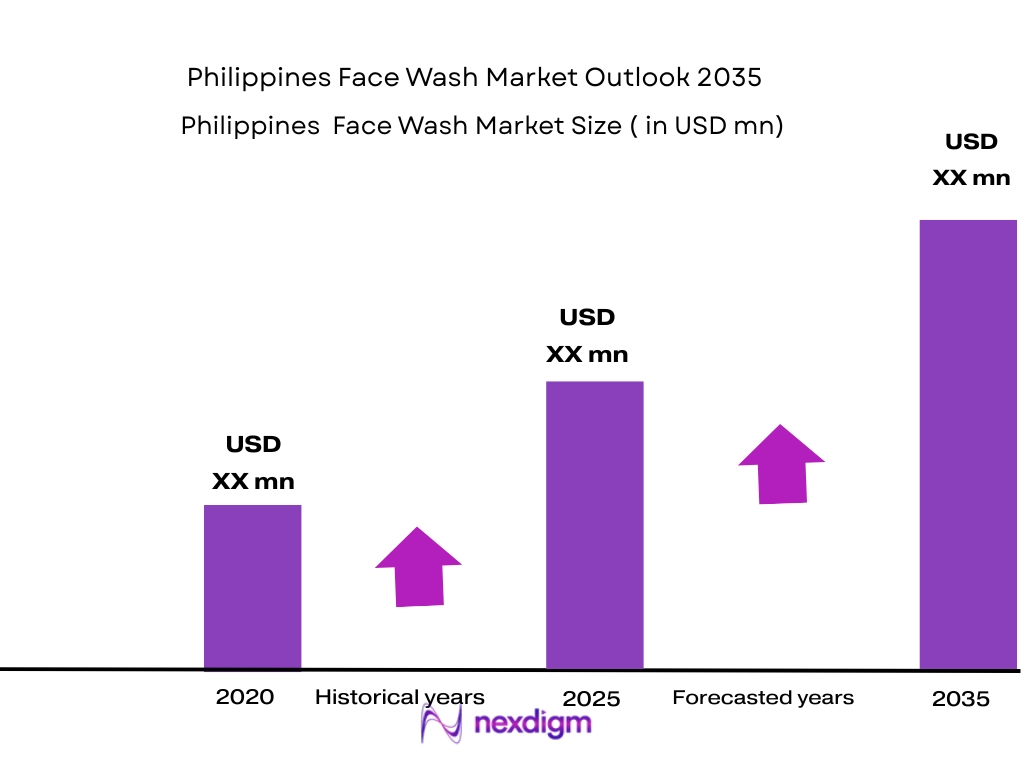
The Philippines Face Wash market is valued at USD ~ million in 2024 according to industry revenue estimates for facial cleanser/face wash products. This valuation reflects sustained demand within the personal care segment and a strong consumer focus on daily skincare routines, oil control, and acne‑related solutions, which have contributed to consistent revenue performance. Market growth has been influenced by increasing disposable incomes, broader adoption of structured skincare regimens, and rising awareness of personal grooming across demographic segments.
The market leadership within the Philippines is driven predominantly by urban centers such as Metro Manila, Cebu, and Davao, where higher consumer purchasing power, expansive retail networks, and extensive exposure to international beauty trends accelerate demand. Filipino consumers in these regions show strong preference for both local and imported face wash formulations due to heightened beauty consciousness and social media influence. International brand penetration is also strong, supported by retail availability and digital marketing strategies that resonate with urban lifestyles.
Market Segmentation
By product type
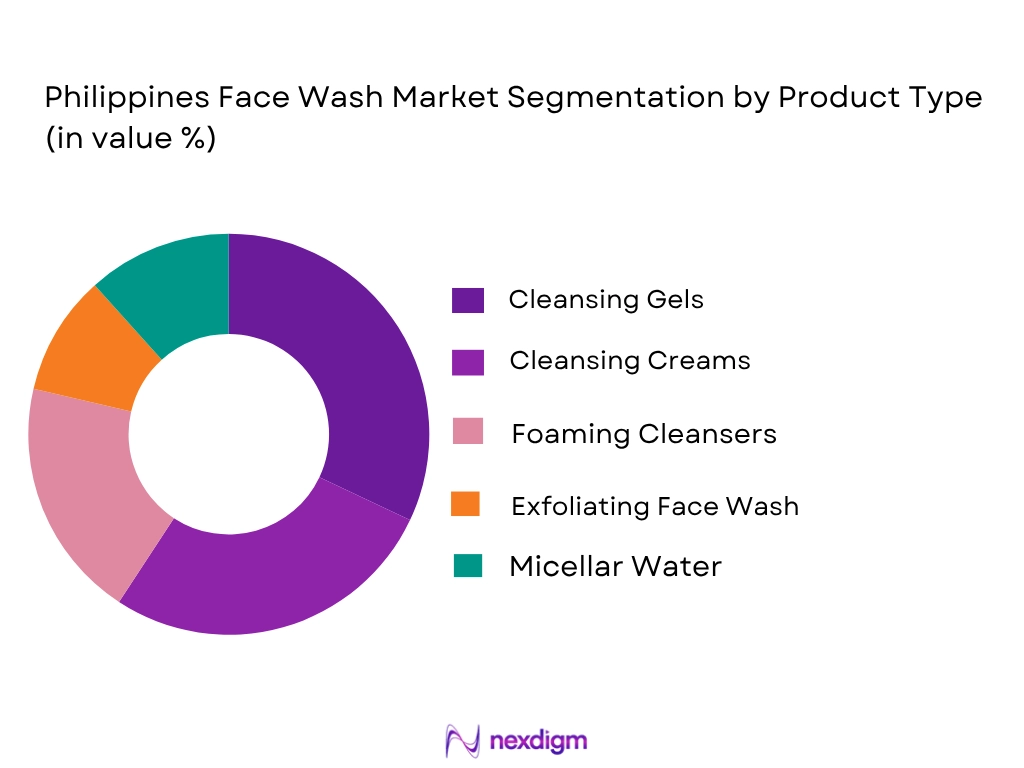
The Philippines Face Wash market is partitioned into foaming, gel, cream and other specialized formats. Foaming face wash holds the dominant share in 2024, largely because it aligns with consumer preferences for deep cleansing and daily use routines in a humid tropical environment. The foaming format’s sensory appeal and associations with effective oil control drive frequent repurchase. Gel face washes are also significant, appreciated for their lightweight feel and suitability for combination and acne‑prone skin types. Cream‑based variants retain relevance among dry skin consumers, but remain secondary to foaming and gel options due to broader applicability of the latter. Innovation in product texture and formulation further reinforces the prominence of these sub‑segments.
By distribution channel
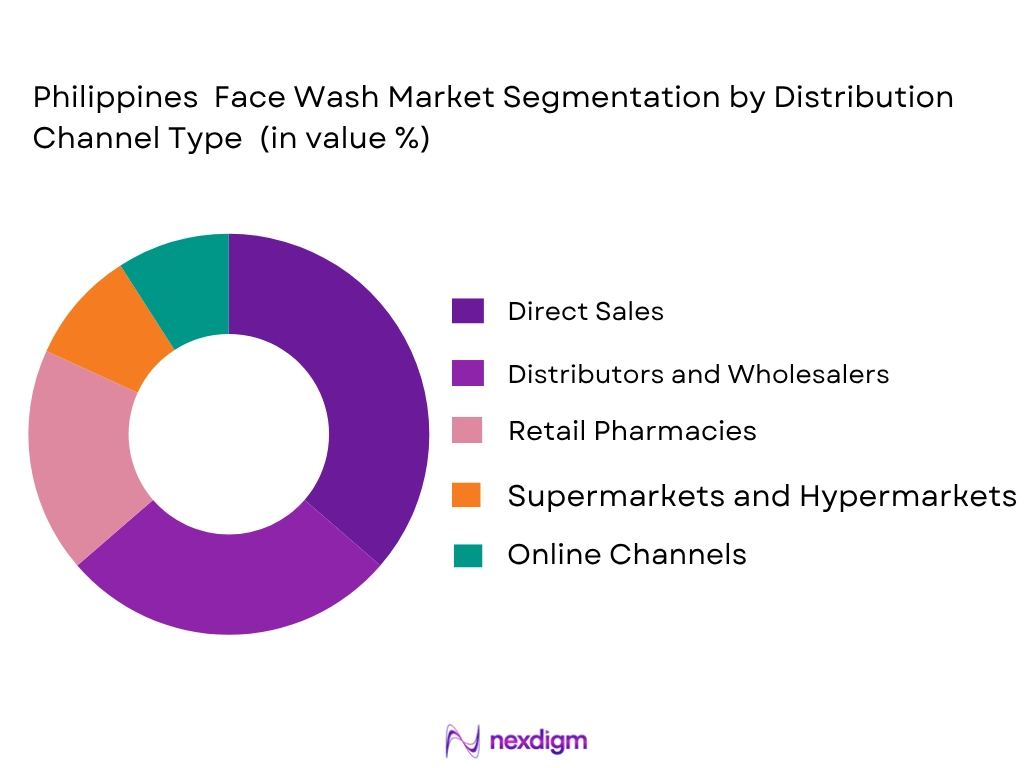
The segmentation of the face wash market by channel reveals that traditional offline retail remains dominant in 2024. Drugstores, supermarkets and hypermarkets command the larger share due to strong physical presence, consumer trust in product authenticity, and established browsing/purchase behavior among Filipino shoppers. Offline channels are particularly effective at reaching a broad demographic that prefers tactile product evaluation and immediate purchase. Online retail, while smaller, shows rapid adoption driven by convenience, promotional pricing and social commerce. Digital channels are increasingly influencing purchase decisions, particularly among younger and urban consumers who engage with beauty content and product reviews through mobile apps and social platforms.
Competitive Landscape
The competitive landscape of the Philippines Face Wash market is characterized by a mix of global personal care brands and strong regional players. These companies leverage brand recognition, diversified portfolios, and multi‑channel distribution to maintain their positions.
| Company | Establishment Year | Headquarters | Product Range Depth | Retail Presence | Online Channel Strength | R&D / Innovation Activities | Local Market Adaptation |
| Procter & Gamble | 1837 | Cincinnati, USA | ~ | ~ | ~ | ~ | ~ |
| Unilever | 1929 | London, UK | ~ | ~ | ~ | ~ | ~ |
| L’Oréal | 1909 | Clichy, France | ~ | ~ | ~ | ~ | ~ |
| Shiseido | 1872 | Tokyo, Japan | ~ | ~ | ~ | ~ | ~ |
| Johnson & Johnson | 1886 | New Brunswick, USA | ~ | ~ | ~ | ~ | ~ |
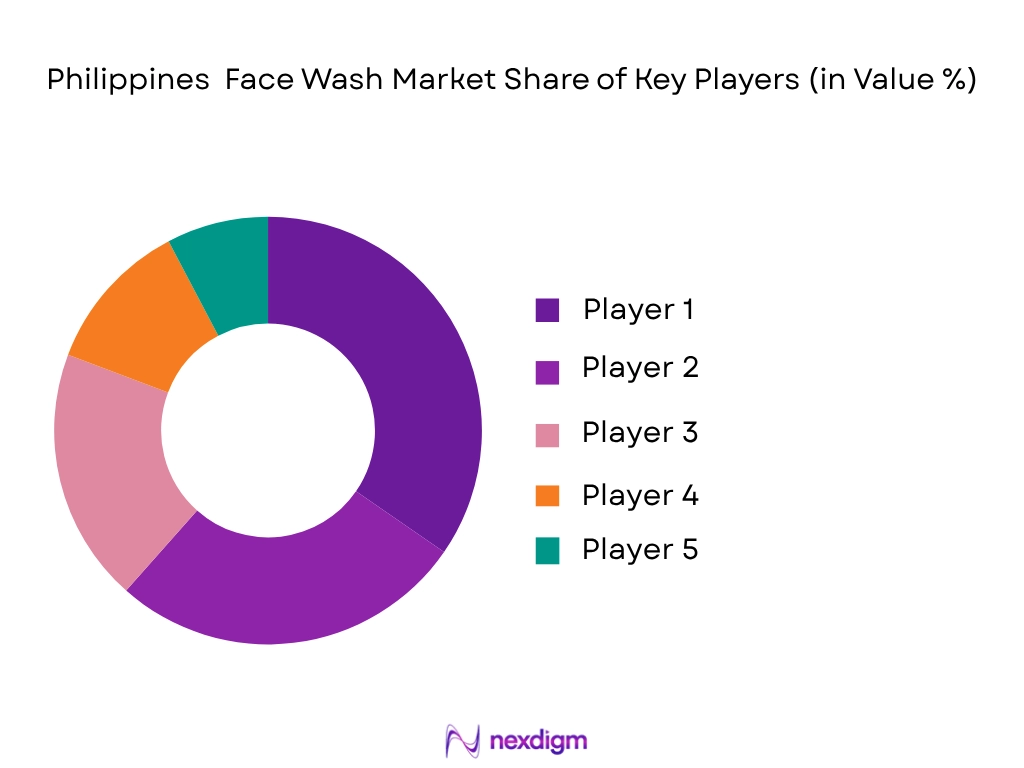
Philippines Face Wash Market Analysis
Growth Drivers
Rising Awareness of Skincare and Personal Hygiene
In the Philippines, growing awareness of personal hygiene and skincare routines has been a key driver of the face wash market. Social media, beauty influencers, and wellness campaigns have educated consumers on the importance of daily cleansing and targeted skin care. Both men and women are increasingly using face washes to address acne, oil control, hydration, and sensitivity issues. Dermatologically tested products and endorsements by skincare professionals have built consumer trust. This growing awareness encourages trial and adoption of new brands and formulations, particularly multifunctional face washes that combine cleansing with other benefits such as exfoliation or brightening, driving consistent demand in both urban and semi-urban markets.
Growing Middle-Class Population with Disposable Income
The expanding middle-class population in the Philippines, combined with rising disposable income, has fueled demand for quality skincare products, including face washes. Consumers are willing to invest in products that offer specific benefits or premium ingredients, enabling the market to introduce higher-priced and specialized offerings. Urban centers provide easy access to modern retail outlets and e-commerce platforms where both local and international brands are available. This economic growth supports experimentation with new formulations, anti-acne solutions, and multifunctional products. Increased purchasing power also encourages adoption of premium and branded face washes, strengthening overall market growth and encouraging companies to innovate in both product design and marketing strategies.
Market Challenges
High Competition and Price Sensitivity
The Philippines face wash market is highly competitive, with numerous local and international brands competing across various price segments. Price-sensitive consumers often prioritize affordability over premium features, creating challenges for brands attempting to introduce higher-priced or specialized products. Frequent promotions and discounting are common strategies to attract buyers, but brand loyalty remains weak, with consumers switching products based on price or perceived value. This dynamic makes it difficult for smaller or emerging brands to establish a foothold, while larger brands must continuously innovate in product offerings, packaging, and marketing campaigns to maintain relevance and capture market share in a highly fragmented and competitive landscape.
Limited Awareness in Rural Areas
While urban consumers in the Philippines are increasingly informed about skincare, awareness and adoption of face washes remain limited in rural and semi-urban areas. Accessibility to modern retail outlets, dermatological advice, and international brands is lower, which constrains market penetration. Rural consumers often rely on traditional cleansing methods or low-cost local products, limiting demand for specialized or premium face washes. Overcoming this challenge requires targeted marketing, distribution expansion, and educational campaigns to raise awareness of product benefits. Brands must also consider affordability and cultural preferences to successfully engage these underserved regions and expand overall market reach.
Opportunities
Growth in Local Manufacturing and Private Label Products
Developing local manufacturing capacity and private label products presents a major opportunity in the Philippines. Domestic production can reduce reliance on imports, lower costs, and better cater to local consumer preferences. Private label offerings in supermarkets, drugstores, and online platforms can provide affordable options for price-sensitive consumers while maintaining quality standards. Local manufacturing enables faster innovation cycles, customized formulations, and culturally relevant marketing campaigns. By leveraging these advantages, brands can increase accessibility, strengthen supply chain efficiency, and capture value in both urban and semi-urban markets, driving long-term growth in the face wash segment.
Rising Demand for Natural, Organic, and Herbal Face Wash
Filipino consumers are increasingly seeking natural, chemical-free, and herbal skincare products. Ingredients such as plant extracts, essential oils, and organic compounds are preferred for perceived safety, gentleness, and long-term skin benefits. Brands that develop eco-friendly, cruelty-free, or dermatologically approved products can differentiate themselves in a competitive market and appeal to premium segments willing to pay higher prices. Marketing campaigns emphasizing sustainability, natural ingredients, and health-conscious benefits resonate with environmentally aware and wellness-focused consumers. This trend presents opportunities to innovate formulations, expand product lines, and attract niche consumers seeking holistic and organic face wash solutions.
Future Outlook
Over the next five to eight years, the Philippines Face Wash market is expected to expand steadily, supported by increasing consumer prioritization of personal skincare, greater health and hygiene consciousness, and broader availability through digital commerce platforms. Continuous product innovation, including natural and functional ingredient formulations, will attract diverse consumer segments. Additionally, marketing strategies leveraging influencer and social media engagement are likely to further stimulate demand and channel penetration across both urban and secondary cities.
Major Players
- Procter & Gamble
- Unilever
- L’Oréal
- Shiseido
- Johnson & Johnson
- Kao Corporation
- Beiersdorf
- Innisfree (Amorepacific)
- The Body Shop
- Human Nature (local)
- Celeteque (local)
- Dermcare (local)
- Neutrogena (Johnson & Johnson brand)
- POND’S (Unilever brand)
- SK‑II (Procter & Gamble brand)
Key Target Audience
- Beauty and skincare product manufacturers
- Retail chain buyers and category managers
- Brand marketing and product development heads
- Investments and venture capital firms (beauty & personal care sector)
- Procurement heads in drugstore and supermarket chains
- Regulatory and standardization bodies
- E‑commerce strategy and channel heads
- Import/export trade analysts focused on beauty products
Research Methodology
Step 1: Identification of Key Variables
The initial phase involves mapping the face wash ecosystem and identifying critical variables such as product formats, distribution channels, consumer demographics and competitive dynamics, using extensive desk research and industry databases.
Step 2: Market Analysis and Construction
In this stage, historical revenue and volume data are compiled and analyzed to establish baseline estimates. This includes assessing product adoption rates, distribution channel contributions, and real‑world sales figures reported through credible industry sources.
Step 3: Hypothesis Validation and Expert Consultation
Hypotheses regarding market drivers and segment leadership are developed and validated through structured interviews with industry professionals and category managers, providing qualitative and quantitative insights to refine market projections.
Step 4: Research Synthesis and Final Output
The final phase integrates findings with direct engagement from major industry stakeholders, verifying assumptions and ensuring alignment with observed market trends, leading to a consolidated and validated market report.

- Executive Summary
- Research Methodology (Market Definitions and Assumptions, Abbreviations, Market Sizing Approach, Consolidated Research Approach, Understanding Market Potential Through In-Depth Industry Interviews, Primary Research Approach, Limitations and Future Conclusions)

- Definition and Scope
- Market Dynamics Overview
- Market Genesis
- Major Players and Market Timeline
- Business Cycle and Trends
- Supply Chain and Value Chain Analysis

- Growth Drivers
Rising Awareness of Skincare and Personal Hygiene
Growing Middle-Class Population with Disposable Income
Expansion of E-Commerce and Online Beauty Retail
Increasing Preference for Natural and Organic Ingredients - Market Challenges
High Competition and Price Sensitivity
Limited Awareness in Rural Areas
Regulatory Compliance and Quality Standards
Fluctuations in Raw Material Supply - Opportunities
Growth in Local Manufacturing and Private Label Products
Rising Demand for Natural, Organic, and Herbal Face Wash
Expansion of Male Grooming and Specialized Skincare Segments
Increasing Online Distribution and Direct-to-Consumer Channels - Key Trends
Shift toward natural and herbal ingredients
Rising preference for multifunctional face washes
Growth in online and e-commerce sales channels
Emergence of customized and targeted skincare products - Government Regulations
- SWOT Analysis
- Porter’s Five Forces

- By Value, 2020–2025
- By Volume, 2020–2025
- By Average Price, 2020–2025

- By Product Type (In Value %)
Cleansing Gels
Cleansing Creams
Foaming Cleansers
Exfoliating Face Wash
Micellar Water - By Ingredient Type (In Value %)
Natural/Herbal
Synthetic
Organic - By Application (In Value %)
Daily Skincare
Acne Treatment
Anti-Aging
Sensitive Skin Care
Men’s Grooming - By Distribution Channel (In Value %)
Direct Sales
Distributors and Wholesalers
Retail Pharmacies
Supermarkets and Hypermarkets
Online Channels - By Region (In Value %)
Metro Manila
Cebu
Davao
Luzon Provinces
Visayas and Mindanao

- Market Share of Major Players by Value/Volume
- Market Share of Major Players by Product Type
- Cross Comparison Parameters (Company Overview, Business Strategies, Recent Developments, Strength, Weakness, Organizational Structure, Revenues, Revenues by Product Type, Number of Touchpoints, Distribution Channels, Number of Dealers and Distributors, Margins, Production Plant, Capacity, Unique Value Offering and Others)
- SWOT Analysis of Major Players
- Pricing Analysis Based on Product Categories for Major Players
- Detailed Profiles of Major Companies
Procter & Gamble Philippines
Unilever Philippines
Johnson & Johnson Philippines
L’Oréal Philippines
GlaxoSmithKline Philippines
Shiseido Philippines
Nivea Philippines
Human Nature Philippines
Celeteque DermoScience
Belo Essentials

- Market Demand and Utilization
- Purchasing Power and Budget Allocations
- Regulatory and Compliance Requirements
- Needs, Desires, and Pain Point Analysis
- Decision-Making Process

- By Value, 2026–2035
- By Volume, 2026–2035
- By Average Price, 2026–2035


 Request a Sample
 Ask for Customization
 Get a Quote
 Enquire Now