
 Download PDF
 Download PDF
Market Overview
The Philippines fitness trackers devices market is valued at USD ~ million in 2024. The market is primarily driven by the growing health consciousness among the Filipino population and the increasing adoption of wearable technologies. As more consumers focus on fitness and well-being, fitness trackers are becoming essential tools to monitor physical activities, heart rate, sleep, and other health metrics. The rise of e-commerce platforms and the availability of affordable models further accelerate market penetration, while government health initiatives also encourage the use of health monitoring devices.
Metro Manila is the dominant region in the Philippines fitness trackers market, driven by its large population, higher disposable income, and greater awareness of health and wellness. Metro Manila’s modern retail infrastructure and e-commerce penetration further support the adoption of fitness trackers. Other growing regions include Cebu and Davao, which are experiencing rising consumer demand due to urbanization and health-conscious communities. Additionally, these regions benefit from government initiatives promoting healthier lifestyles, which contribute to the expansion of the fitness tracker market.
Market Segmentation
By Product Type
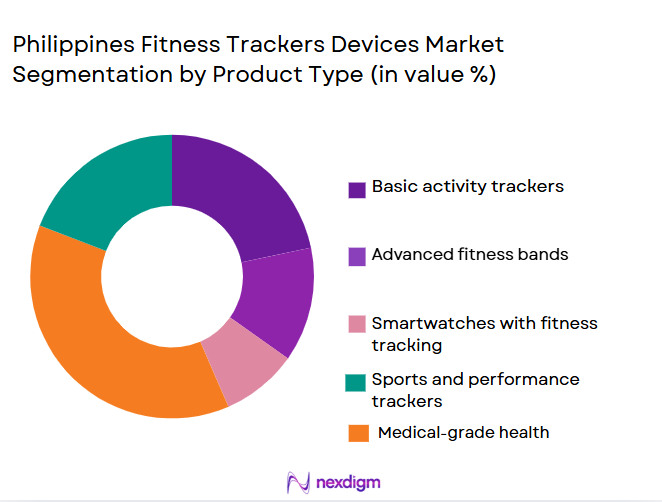
The market for fitness trackers in the Philippines is segmented into wearable fitness trackers, smart sports watches, and health monitoring devices (e.g., smart rings). Wearable fitness trackers currently dominate the market. Their growth is attributed to their affordability and widespread appeal, especially among casual fitness enthusiasts who seek basic activity-tracking functionalities such as step counting and sleep monitoring. These devices are user-friendly and cost-effective, making them the go-to choice for a large segment of the population. With brands like Fitbit, Xiaomi, and Garmin leading the market, the wearable fitness tracker segment continues to capture the largest share, driven by mass adoption in urban areas.
By Application type
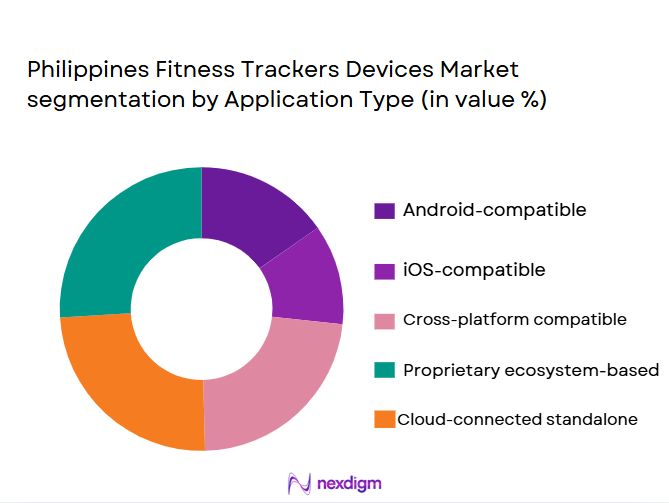
Fitness trackers in the Philippines are used across various applications, including personal health and fitness, corporate wellness programs, and healthcare monitoring. Personal health and fitness is the largest segment, driven by the increasing popularity of fitness trackers among individuals who want to monitor their daily physical activity, heart rate, and sleep quality. This growing demand for personal wellness products is further fueled by the rise of fitness-related challenges and social sharing features of devices. The integration of fitness trackers into corporate wellness programs has also gained traction, with companies offering devices to employees as part of their health initiatives.
Competitive Landscape
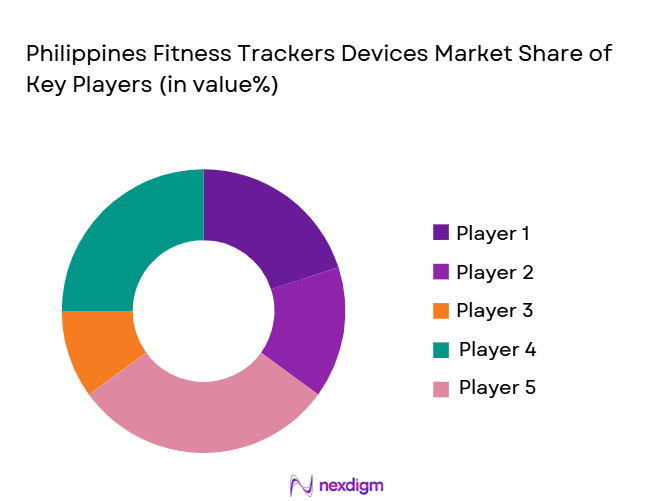
The fitness tracker market in the Philippines is dominated by both global giants and emerging local players. Leading global brands such as Fitbit, Garmin, and Xiaomi maintain significant market shares due to their extensive product ranges and brand recognition. These companies have a strong presence in both online and offline retail channels and benefit from aggressive marketing strategies. The market is also witnessing innovation from niche players offering health-focused devices like smart rings, targeting a growing segment of consumers interested in discreet, all-day health monitoring.
| Company | Year Established | Headquarters | Product Range | Distribution Channels | Retail Presence | Revenue (approx.) |
| Fitbit | 2007 | USA | ~ | ~ | ~ | ~ |
| Garmin | 1989 | USA | ~ | ~ | ~ | ~ |
| Xiaomi | 2010 | China | ~ | ~ | ~ | ~ |
| Huawei | 1987 | China | ~ | ~ | ~ | ~ |
| Samsung | 1938 | South Korea | ~ | ~ | ~ | ~ |
Philippines Air Quality Monitoring System Market Analysis
Growth Drivers
Urbanization
Indonesia’s urbanization rate has seen rapid growth, with ~% of the population living in urban areas as of 2023, a trend that is expected to continue. Urbanization leads to increased vehicle emissions, industrial activities, and construction, all contributing to deteriorating air quality. Jakarta, the capital, consistently ranks among the cities with the highest levels of air pollution in Southeast Asia, prompting the need for comprehensive air quality monitoring. This urban expansion is a major factor driving the demand for more sophisticated air quality monitoring systems across the country.
Industrialization
Indonesia’s industrial output has been growing steadily, with manufacturing contributing ~% to the GDP in 2023. Industries such as mining, energy, and manufacturing are concentrated in urban and peri-urban areas, leading to a rise in pollutants like PM2.5, SO2, and NO2. As the industrial sector expands, air quality monitoring becomes increasingly crucial for compliance with regulations and for mitigating health risks to urban populations. The heavy industrial base, especially in Java and Sumatra, directly drives the market for air quality monitoring systems.
Challenges
High Initial Costs
The high initial cost of installing and maintaining air quality monitoring systems is a significant restraint. Setting up a comprehensive monitoring station can cost anywhere from USD 10,000 to USD 50,000 depending on the complexity and the number of pollutants to be monitored. For local governments and smaller businesses in less developed regions, these upfront costs are a major barrier to the widespread implementation of air quality systems. This issue is compounded by the ongoing maintenance and calibration costs of such sophisticated equipment.
Philippines faces technical challenges
related to the calibration and accuracy of air quality monitoring devices. In 2023, several air quality stations faced issues with sensor reliability, especially during the rainy season or in areas with high humidity, affecting data quality. The technological challenges in ensuring data consistency and long-term sensor durability in Indonesia’s tropical climate make it difficult to deploy monitoring systems at scale, limiting the effectiveness of current infrastructure.
Opportunities
Technological Advancements
The advancement of low-cost, high-accuracy sensors presents a significant opportunity for the air quality monitoring system market in Indonesia. Innovations in sensor technology, such as those that provide real-time air quality data with lower power consumption, are driving down the costs of installation and operation. These advancements make air quality monitoring systems more accessible to a wider range of customers, from government agencies to private companies and even individuals.
International Collaborations
Philippines has entered into several international collaborations to improve its environmental monitoring capabilities. Partnerships with organizations like the United Nations Environment Programme (UNEP) and the World Health Organization (WHO) have enabled Philippines to adopt more advanced air quality monitoring technologies and methodologies. These collaborations provide technical expertise and funding, offering growth potential for the air quality monitoring systems market.
Future Outlook
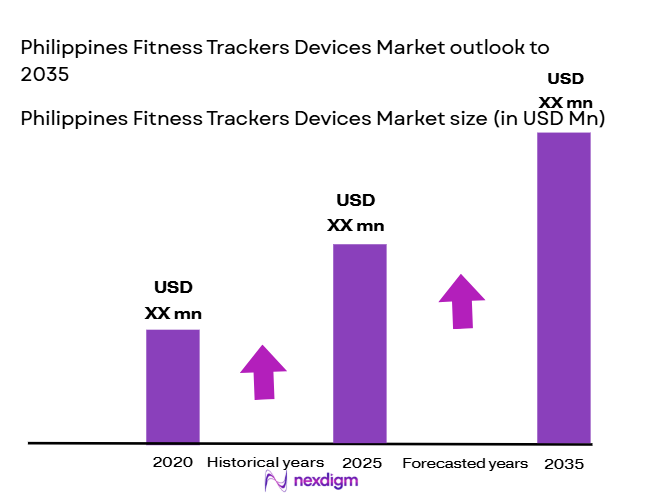
Over the next five years, the fitness tracker market in the Philippines is expected to grow significantly. Increasing consumer interest in personal health management, combined with the growing availability of affordable smartwatches and wearable fitness devices, will drive the market forward. Additionally, the government’s push for healthier living through public wellness programs and an increase in tech-savvy consumers will further fuel market expansion. As fitness trackers evolve to offer more advanced features like stress tracking and health diagnostics, the demand for these devices will continue to rise, leading to strong market growth from 2024 to 2030.
Major Players
- Fitbit
- Garmin
- Xiaomi
- Huawei
- Samsung
- Amazfit
- Polar
- Withings
- WHOOP
- Oura
- Apple
- Suunto
- Realme
- Honor
- Misfit
Key Target Audience
- Fitness Enthusiasts
- Health-Conscious Consumers
- Investments and Venture Capitalist Firms
- Corporate Wellness Program Managers
- Healthcare Providers and Hospitals
- Government and Regulatory Bodies
- Retailers
- Technology Integrators
Research Methodology
Step 1: Identification of Key Variables
The initial phase involves mapping out key variables within the Philippines fitness tracker market, such as consumer preferences, device features, and health trends. This is achieved through secondary research from trusted sources like government publications and industry reports.
Step 2: Market Analysis and Construction
In this phase, historical market data is compiled and analyzed to assess the market penetration of fitness trackers in the Philippines. The analysis will include looking at growth in consumer adoption, retail expansion, and distribution networks.
Step 3: Hypothesis Validation and Expert Consultation
Market hypotheses are validated through consultations with industry experts, fitness technology companies, and healthcare professionals. These interviews provide valuable insights into current and future market dynamics, helping refine the overall market structure.
Step 4: Research Synthesis and Final Output
The final stage involves synthesizing all gathered data and insights to construct a comprehensive market model, including identifying growth drivers, trends, and challenges. The report is validated through feedback from key stakeholders and market players.

- Executive Summary
- Market Research Methodology
Definitions, Scope, Industry Assumptions, Market Sizing Approach, Primary & Secondary Research Framework, Data Collection & Verification Protocol, Analytic Models & Forecast Methodology, Limitations & Research Validity Checks

- Market Definition and Scope
- Value Chain & Stakeholder Ecosystem
- Regulatory / Certification Landscape
- Sector Dynamics Affecting Demand
- Strategic Initiatives & Infrastructure Growth

- Growth Drivers
Rising health awareness and preventive fitness culture
Increasing smartphone penetration and app-based health tracking
Growing popularity of home fitness and digital wellness solutions - Market Challenges
Price sensitivity among mass-market consumers
Data privacy and cybersecurity concerns
Limited differentiation in low-cost device segments - Market Opportunities
Expansion of localized health and wellness ecosystems
Integration of fitness trackers with telemedicine platforms
Rising demand for affordable smart wearables in Tier II cities - Trends
Growing adoption of smartwatch-style fitness trackers
AI-driven health insights and personalized analytics
Increased focus on sleep, stress, and holistic wellness tracking

- By Market Value 2019–2024
- By Installed Units 2019–2024
- By Average System Price 2019–2024
- By System Complexity Tier 2019–2024

- By System Type (In Value%)
Basic activity trackers
Advanced fitness bands
Smartwatches with fitness tracking
Sports and performance trackers
Medical-grade health tracking devices - By Platform Type (In Value%)
Android-compatible devices
iOS-compatible devices
Cross-platform compatible devices
Proprietary ecosystem-based devices
Cloud-connected standalone devices - By Fitment Type (In Value%)
Wrist-worn trackers
Clip-on fitness trackers
Ring-based fitness devices
Chest strap and body-mounted trackers
Hybrid wearable accessories - By EndUser Segment (In Value%)
Urban health-conscious consumers
Fitness enthusiasts and athletes
Corporate wellness program users
Elderly and health-monitoring users
Students and youth consumers - By Procurement Channel (In Value%)
Online e-commerce platforms
Brand-owned retail stores
Consumer electronics retailers
Telecom operator bundles
Corporate and institutional procurement

- Market Share Analysis
- Cross Comparison Parameters
(Product portfolio, Price range, Platform compatibility, Distribution reach, Brand positioning) - SWOT Analysis of Key Competitors
- Pricing & Procurement Analysis
- Key Players
Apple
Samsung
Fitbit
Garmin
Xiaomi
Huawei
Amazfit
Polar
Suunto
Oppo
Realme
Honor
OnePlus
Fossil
Withings

- Consumers prioritize affordability and smartphone compatibility
- Fitness enthusiasts demand accuracy and advanced performance metrics
- Corporate buyers focus on scalability and employee engagement tools
- Older users value ease of use and health monitoring features

- Forecast Market Value 2025–2030
- Forecast Installed Units 2025–2030
- Price Forecast by System Tier 2025–2030
- Future Demand by Platform 2025–2030


 Request a Sample
 Ask for Customization
 Get a Quote
 Enquire Now