
 Download PDF
 Download PDF
Market Overview
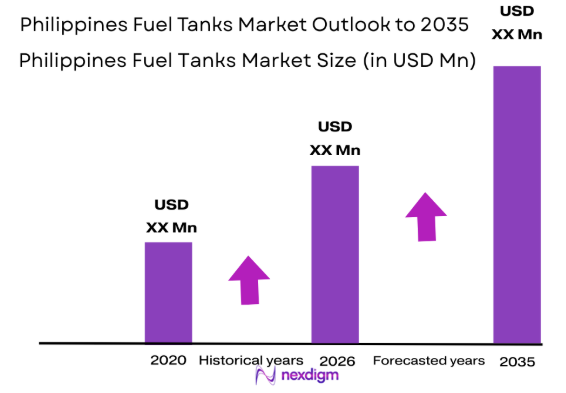
The Philippines Fuel Tanks market is valued at USD ~ million, driven by the rising demand for fuel storage solutions due to growing industrial and transportation sectors. The market is bolstered by investments in infrastructure development, particularly in industries requiring large-scale fuel storage, such as transportation, oil and gas, and marine. The market’s growth is propelled by regulatory changes that push for more efficient fuel storage systems, as well as innovations in safety and monitoring technology. The demand for both fixed and mobile fuel tanks has increased, driven by the expansion of fuel infrastructure in remote areas.
The Philippines remains a dominant player in the Southeast Asian region, with key industrial hubs such as Metro Manila and Cebu leading the way in fuel tank installations. The growth is largely attributed to the ongoing expansion of the energy sector, including the integration of renewable energy storage solutions, as well as government-supported infrastructure projects. The country’s strategic location within the ASEAN bloc and its growing industrial and transport needs make it a central player in the regional fuel tank market.
Market Segmentation
By System Type
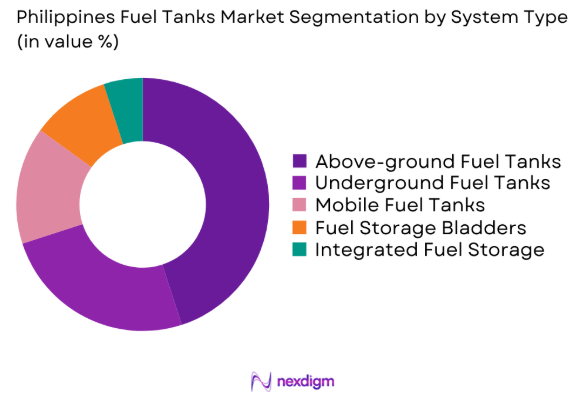
The Philippines fuel tanks market is segmented by system type into above-ground fuel tanks, underground fuel tanks, mobile fuel tanks, fuel storage bladders, and integrated fuel storage systems. Recently, above-ground fuel tanks have a dominant market share due to factors such as ease of installation, lower initial costs, and regulatory flexibility, making them a popular choice for commercial and industrial applications.
By Platform Type
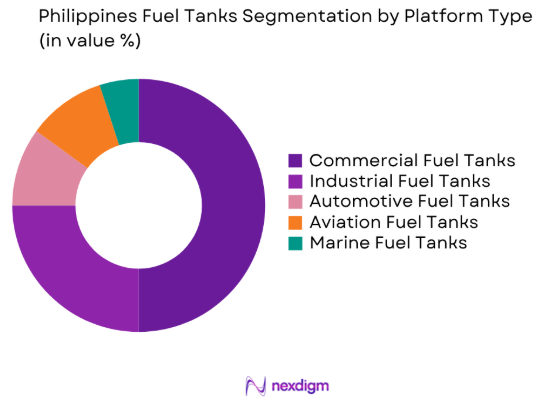
The Philippines fuel tanks market is segmented by platform type into commercial fuel tanks, industrial fuel tanks, automotive fuel tanks, aviation fuel tanks, and marine fuel tanks. Recently, commercial fuel tanks have a dominant market share due to the rapid expansion of retail fuel stations, along with the growing need for fuel storage to meet the increasing demand from both private and public sectors.
Competitive Landscape
The competitive landscape of the Philippines fuel tanks market is marked by a high degree of consolidation. Key players are competing based on factors such as product innovation, safety features, and cost-efficiency. The presence of large multinational corporations and a few strong local manufacturers has led to competitive pricing strategies and significant market penetration. The influence of major players is evident in the widespread adoption of advanced fuel tank technologies, particularly in the automotive and industrial segments.
| Company Name | Establishment Year | Headquarters | Technology Focus | Market Reach | Key Products | Revenue | Additional Parameter |
| Shell Philippines | 1914 | Makati, Philippines | ~ | ~ | ~ | ~ | ~ |
| Chevron Philippines | 1930 | Makati, Philippines | ~ | ~ | ~ | ~ | ~ |
| Pilipinas Shell | 1914 | Manila, Philippines | ~ | ~ | ~ | ~ | ~ |
| Eastern Petroleum | 1997 | Quezon City, PH | ~ | ~ | ~ | ~ | ~ |
| Unioil Petroleum | 1996 | Quezon City, PH | ~ | ~ | ~ | ~ | ~ |
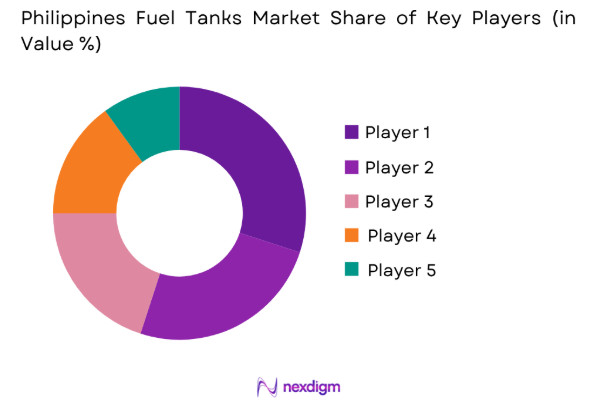
Philippines Fuel Tanks Market Analysis
Growth Drivers
Increase in Industrial Demand
Industrial expansion in the Philippines, particularly within manufacturing, oil and gas, and petrochemical sectors, is significantly driving the demand for fuel storage solutions. The rise in the construction of industrial facilities and factories needing large-scale fuel storage has played a major role in market growth. As industries such as energy generation and petrochemicals continue to expand, the need for efficient and reliable fuel storage systems increases. Furthermore, regulatory frameworks that mandate proper fuel storage and handling standards are also contributing to market growth. The focus on safety, environmental compliance, and operational efficiency further fuels demand for advanced fuel tank systems capable of meeting these stringent requirements.
Advancements in Fuel Tank Technology
Another key growth driver for the Philippines fuel tanks market is the continuous advancement in tank technology. Modern fuel tank designs now incorporate features such as smart monitoring systems, enhanced corrosion resistance, and improved safety mechanisms, all tailored to comply with both local and international standards. These technological innovations boost tank efficiency and safety while significantly lowering maintenance and operational costs. As a result, commercial and industrial users are increasingly adopting these advanced solutions. The ability to monitor tank performance in real time and ensure compliance with stringent safety regulations makes these tanks more attractive, fostering growth in sectors such as manufacturing, energy, and transportation that rely on efficient fuel storage systems.
Market Challenges
Regulatory Compliance
A major challenge in the Philippines fuel tanks market is adhering to the stringent regulatory standards set by the government for fuel storage systems. These regulations, focused on environmental impact and safety, require compliance from all fuel storage solutions. Meeting these standards increases operational costs for both manufacturers and end-users, as significant investments are needed to align with evolving regulations. The frequent updates to these regulations create uncertainty for businesses, making it difficult to stay ahead of compliance requirements. This regulatory complexity adds a layer of financial and operational burden, potentially hindering the growth and adaptability of companies operating within the fuel storage sector.
High Installation and Maintenance Costs
The high cost of installing and maintaining fuel tanks, particularly for large-scale industrial applications, presents a significant challenge in the Philippines fuel tanks market. High-capacity storage tanks require substantial capital investment not only for installation but also for continuous maintenance and repairs. These costs can discourage smaller businesses and individuals from adopting modern fuel tank solutions, limiting market growth. Moreover, fluctuations in raw material prices for tank manufacturing further complicate cost management, making it harder for companies to offer competitive pricing. These factors collectively increase the financial burden on businesses and can impede the widespread adoption of advanced fuel storage systems, especially among smaller players.
Opportunities
Demand for Renewable Energy Storage
As the Philippines accelerates its transition to renewable energy, there is increasing demand for fuel storage systems that can integrate with renewable energy solutions like solar and wind. Fuel tanks designed to complement green energy systems are becoming highly sought after as the country develops a more sustainable energy infrastructure. This shift presents an opportunity for manufacturers to innovate and create fuel storage solutions that work seamlessly with renewable energy systems. These advanced tanks can support efficient energy management, catering to the growing need for reliable and sustainable energy storage. This market trend presents a significant opportunity for innovation in fuel storage technology to align with renewable energy goals.
Expansion of Fuel Retail Stations
The increasing number of fuel retail stations in the Philippines presents a significant opportunity for the fuel tank market. As car ownership rises and transportation networks expand, fuel stations are experiencing higher foot traffic, driving the demand for efficient fuel storage systems. The establishment of new fuel stations, particularly in underserved areas, opens up opportunities for manufacturers to supply advanced storage solutions. Additionally, innovations in compact and mobile fuel storage systems are creating new market segments, especially within urban areas. These developments provide manufacturers with the chance to cater to a rapidly growing and evolving fuel storage demand, driven by both urban and rural expansion.
Future Outlook
The future of the Philippines fuel tanks market looks promising, with anticipated growth over the next five years. This growth will be driven by the continued industrialization of the country, as well as government support for infrastructure development. The adoption of new technologies, such as smart monitoring systems for fuel tanks and integration with renewable energy solutions, will further contribute to the market’s expansion. Regulatory support for safety and environmental standards will continue to shape the industry, ensuring that fuel tanks evolve to meet higher safety and sustainability standards. The market is also expected to see more players enter, spurring competition and driving down prices, while increasing innovation.
Major Players
- Shell Philippines
- Chevron Philippines
- Pilipinas Shell
- Eastern Petroleum
- Unioil Petroleum
- Petron Corporation
- Seaoil Philippines
- Total Philippines
- Phoenix Petroleum
- Isla LPG
- Caltex Philippines
- Phoenix Oil Philippines
- Jetti Petroleum
- Petrogas Energy Corporation
- King Energy
Key Target Audience
- Investments and venture capitalist firms
- Government and regulatory bodies
- E-commerce and retail operators
- Industrial manufacturing companies
- Energy sector stakeholders
- Fuel distribution companies
- Oil and gas industry players
- Transport service providers
Research Methodology
Step 1: Identification of Key Variables
We identified the key factors driving the market, including industry-specific needs, regulatory influences, and technological advancements.
Step 2: Market Analysis and Construction
An in-depth market analysis was conducted, focusing on market size, trends, competitive landscape, and future forecasts.
Step 3: Hypothesis Validation and Expert Consultation
We validated our findings through discussions with industry experts, manufacturers, and government representatives.
Step 4: Research Synthesis and Final Output
The final output was synthesized from primary and secondary data, including market reports, interviews, and expert consultations.

- Executive Summary
- Research Methodology (Definitions, Scope, Industry Assumptions, Market Sizing Approach, Primary & Secondary Research Framework, Data Collection & Verification Protocol, Analytic Models & Forecast Methodology, Limitations & Research Validity Checks)

- Market Definition and Scope
- Value Chain & Stakeholder Ecosystem
- Regulatory / Certification Landscape
- Sector Dynamics Affecting Demand
- Strategic Initiatives & Infrastructure Growth

- Growth Drivers
Increased Demand for Fuel Storage Solutions
Technological Advancements in Fuel Tank Manufacturing
Rising Fuel Consumption in the Transportation Sector - Market Challenges
Regulatory and Environmental Compliance Issues
High Capital Investment for Advanced Fuel Tanks
Vulnerability to Fuel Price Fluctuations - Market Opportunities
Adoption of Smart Fuel Tanks
Increasing Investments in Renewable Energy Solutions
Growing Demand for Portable Fuel Storage - Trends
Shift Towards Eco-friendly Fuel Storage Solutions
Emerging Innovations in Tank Monitoring Systems
Growth of Fuel Storage Infrastructure in Remote Areas - Government Regulations
- SWOT Analysis of Key Competitors
- Porter’s Five Forces

- By Market Value, 2020-2025
- By Installed Units, 2020-2025
- By Average System Price, 2020-2025
- By System Complexity Tier, 2020-2025

- By System Type (In Value%)
Above-ground Fuel Tanks
Underground Fuel Tanks
Mobile Fuel Tanks
Fuel Storage Bladders
Integrated Fuel Storage Systems - By Platform Type (In Value%)
Commercial Fuel Tanks
Industrial Fuel Tanks
Automotive Fuel Tanks
Aviation Fuel Tanks
Marine Fuel Tanks - By Fitment Type (In Value%)
On-premise Fuel Tanks
Portable Fuel Tanks
Hybrid Fuel Tanks
Integrated Fuel Storage Solutions
Custom Fuel Tank Solutions - By End User Segment (In Value%)
Transportation Companies
Oil & Gas Industry
Aviation Industry
Marine Industry
Commercial Sector - By Procurement Channel (In Value%)
Direct Procurement
Government Tenders
Private Sector Procurement
Online Bidding Platforms
Third-party Distributors

- Market Share Analysis
- Cross Comparison Parameters (System Type, Platform Type, Procurement Channel, End User Segment, Fitment Type, Fuel Storage Capacity, Material Type, Tank Design, Safety Features, Regulatory Compliance)
- SWOT Analysis of Key Competitors
- Pricing & Procurement Analysis
- Key Players
Singtel Engineering
Shell Philippines
Fujian Xinlong
Sime Darby Oils
Mitsui O.S.K. Lines
Thermo Fisher Scientific
Tetra Pak
BAE Systems
Navistar International
Tokai Carbon
Toppan Printing
Total Energies
Chevron Philippines
Honda Philippines
Philippine National Oil Company

- Increasing Fuel Demand in the Transportation Sector
- Rising Regulatory Demands for Fuel Storage in Aviation
- Marine Fuel Tank Expansion
- Growth in Fuel Tank Solutions for Industrial Use

- Forecast Market Value, 2026-2035
- Forecast Installed Units, 2026-2035
- Price Forecast by System Tier, 2026-2035
- Future Demand by Platform, 2026-2035


 Request a Sample
 Ask for Customization
 Get a Quote
 Enquire Now