

 Download PDF
Market Overview
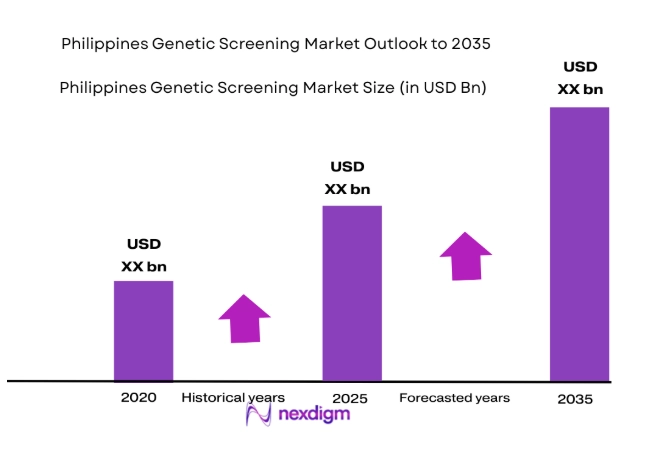
The Philippines genetic screening market is valued at USD ~ million based on a recent historical assessment, driven by the increasing demand for early detection of genetic disorders. Technological advancements in genetic testing have made these services more accessible, contributing to their widespread adoption in clinical and healthcare settings. The market is primarily driven by government support, healthcare infrastructure development, and rising awareness about genetic disorders.
The market’s growth is concentrated in urban centers, particularly Metro Manila, where access to cutting-edge medical technologies is more prevalent. These regions have seen an uptick in demand for genetic screening services, bolstered by government health initiatives and the increasing focus on preventive healthcare. The rising awareness among the population about the benefits of early genetic testing further supports the dominance of these cities in the market.
Market Segmentation
By Product Type
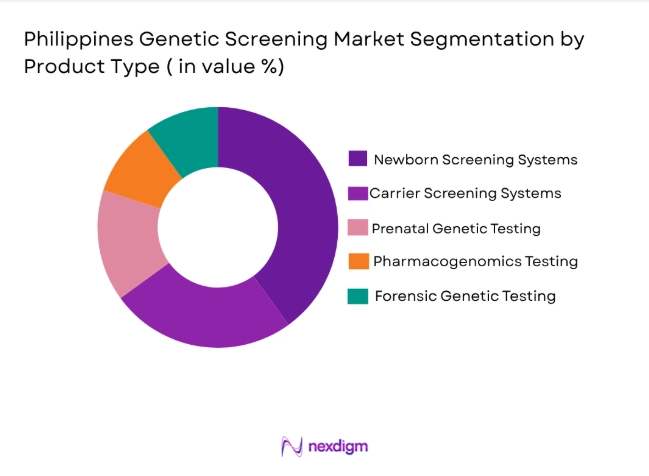
The genetic screening market in the Philippines is segmented by product type into newborn screening, carrier screening, prenatal genetic testing, pharmacogenomics testing, and forensic genetic testing. The dominant sub-segment is newborn screening, driven by its widespread implementation in hospitals and healthcare systems aimed at detecting genetic disorders early in life. Government-backed initiatives and public health programs are the main drivers of this growth, ensuring that newborn screening becomes a standard part of healthcare across the country. As a result, this segment is expected to maintain its dominant position in the market due to its vital role in public health strategies.
By Platform Type
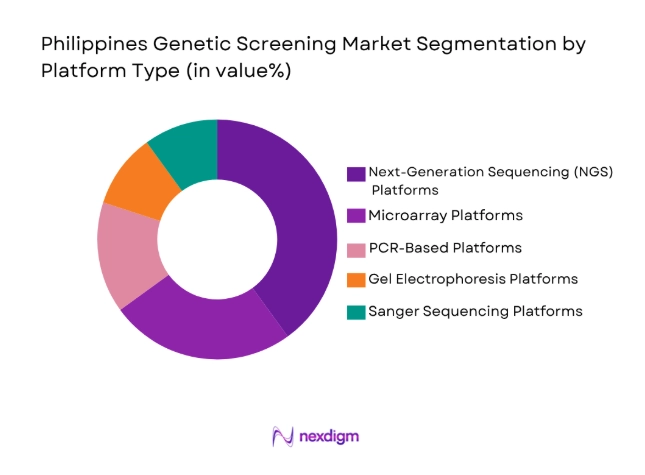
The Philippines genetic screening market is segmented by platform type into PCR-based platforms, next-generation sequencing (NGS) platforms, microarray platforms, gel electrophoresis platforms, and Sanger sequencing platforms. NGS platforms dominate the market due to their ability to analyze a large number of genes simultaneously with high accuracy and cost-effectiveness. This technology is preferred for its speed and comprehensive analysis, making it the leading choice for genetic testing in clinical and research settings.
Competitive Landscape
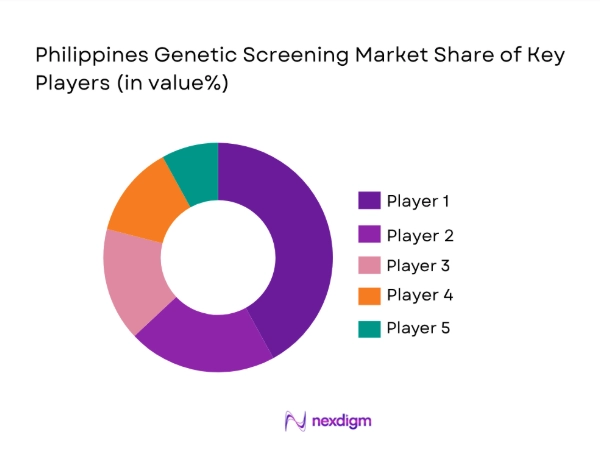
The competitive landscape of the Philippines genetic screening market is characterized by a mix of local and international players, with consolidation in the sector driven by the increasing demand for advanced genetic testing solutions. Major players are focused on expanding their market presence through strategic partnerships and technological innovations. With the government supporting health initiatives and funding for genetic testing, companies are adapting to meet the needs of a growing healthcare system. As more players enter the market, the competition continues to intensify, further driving technological advancements.
| Company Name | Establishment Year | Headquarters | Technology Focus | Market Reach | Key Products | Revenue | Market-specific Parameter |
| Philippine Genome Center | 2006 | Quezon City | ~ | ~ | ~ | ~ | ~ |
| Medilab Asia | 1998 | Manila | ~ | ~ | ~ | ~ | ~ |
| Abbott Laboratories | 1888 | Abbott Park, USA | ~ | ~ | ~ | ~ | ~ |
| Thermo Fisher Scientific | 1956 | Waltham, USA | ~ | ~ | ~ | ~ | ~ |
| Illumina, Inc. | 1998 | San Diego, USA | ~ | ~ | ~ | ~ | ~ |
Philippines Genetic Screening Market Analysis
Growth Drivers
Government Health Initiatives
Government health initiatives play a pivotal role in driving the growth of the genetic screening market in the Philippines. With the implementation of national health programs like mandatory newborn screening, genetic testing has become an essential component of public healthcare. These initiatives are supported by both national and local government funding, which has helped subsidize the costs of genetic testing, making it more affordable for a broader population. Additionally, the government’s focus on expanding healthcare coverage and services through the Universal Health Care Act ensures that genetic screening is increasingly accessible across the country. These initiatives also raise public awareness of the benefits of early genetic testing, encouraging individuals to seek these services as part of routine healthcare. As the government continues to emphasize preventive healthcare and early detection of genetic disorders, the market for genetic screening is expected to grow significantly in the coming years, particularly in urban areas, with a potential for expansion into rural regions as well.
Technological Advancements in Genetic Testing
Technological advancements in genetic testing have transformed the Philippines genetic screening market, making testing faster, more accurate, and increasingly affordable. Innovations in next-generation sequencing (NGS) and polymerase chain reaction (PCR)-based platforms have improved the precision of genetic tests, while reducing the time required for analysis. Additionally, these advancements have helped lower the cost of testing, making it more accessible to the general population, particularly in healthcare settings that are part of government-backed health programs. The development of cost-effective diagnostic tools has allowed genetic screening to reach a larger demographic, including individuals who may not have been able to afford these services previously. The proliferation of mobile health technologies and the growing use of cloud-based data storage for genetic test results are also contributing to the expansion of genetic testing services, making them more convenient for patients. With continuous improvements in technology, the scope for genetic screening in the Philippines is expected to increase, further enhancing its market growth and adoption rates.
Market Challenges
High Cost of Genetic Screening Tests
Despite advancements in genetic testing technology, the high cost of genetic screening tests remains a major challenge for the Philippine market. While the costs of some genetic tests have decreased due to technological innovations, many advanced tests such as whole-genome sequencing, which provide comprehensive insights into genetic disorders, still carry a high price tag. These costs can be prohibitive for individuals without sufficient insurance coverage or those from low-income backgrounds, particularly in rural areas where healthcare access is limited. Additionally, the infrastructure required to support genetic screening, including specialized equipment and trained personnel, further adds to the costs. While government health programs help subsidize some of these costs, they are not universally available to all citizens, limiting the widespread adoption of genetic screening across all demographic groups. As a result, the high cost of genetic testing remains a significant barrier to the market’s expansion, particularly for individuals who may benefit most from early genetic testing but are unable to afford it.
Limited Access in Rural Areas
Another significant challenge for the Philippines genetic screening market is the limited access to these services in rural and remote areas. While major cities such as Metro Manila benefit from advanced healthcare infrastructure and specialized medical facilities, rural areas face considerable barriers to accessing genetic screening services. The lack of specialized laboratories and healthcare providers with the necessary expertise to perform and interpret genetic tests is one of the key reasons for this gap. Moreover, the transportation challenges in reaching remote areas, coupled with lower healthcare budgets in rural regions, prevent many Filipinos from taking advantage of genetic screening services. Government programs aimed at improving healthcare infrastructure in rural areas may help address these issues, but the disparity in service availability continues to hinder the market’s growth potential. Mobile healthcare units and telemedicine solutions could be part of the solution, but the challenges of logistics, funding, and education remain substantial obstacles that need to be addressed to ensure equal access to genetic screening nationwide.
Opportunities
Expansion of Genetic Screening in Rural Areas
A key opportunity for the growth of the Philippines genetic screening market lies in the expansion of genetic testing services to rural and underserved regions. Currently, most genetic screening services are concentrated in urban areas where access to healthcare infrastructure is higher. However, as the government continues to invest in healthcare infrastructure, there is a significant opportunity to extend genetic screening services to rural areas, where genetic testing is often not readily available. This expansion could be supported by mobile health clinics, telemedicine, and the use of telehealth platforms, which would allow healthcare providers to conduct tests and consultations remotely. The government’s push for equitable healthcare access, especially in rural areas, creates a favorable environment for the growth of genetic screening in these regions. Additionally, the increasing demand for healthcare services in rural areas and the recognition of genetic screening’s importance in early diagnosis could contribute to a higher adoption rate. If the infrastructure is developed and awareness campaigns are launched to educate rural populations, genetic screening could become more widespread, improving public health outcomes across the country.
Increasing Public Awareness and Education
The growing awareness about genetic disorders and the importance of early diagnosis presents a significant opportunity for the genetic screening market in the Philippines. Public health campaigns, education programs, and increased media coverage about the benefits of genetic screening are helping to inform the public and healthcare providers about the advantages of genetic testing in preventing and managing genetic disorders. As individuals become more aware of the role that genetic testing can play in detecting potential health risks, they are more likely to seek these services, particularly for conditions that are prevalent in the population. Schools, community health programs, and online platforms can help increase awareness and improve public understanding of genetic disorders, driving demand for genetic screening services. Furthermore, as the healthcare system becomes more focused on personalized medicine, genetic testing will play a key role in delivering tailored healthcare solutions to individuals. With increasing knowledge and understanding, the demand for genetic screening services will continue to rise, providing an opportunity for market expansion and a broader adoption of genetic testing in the country.
Future Outlook
The future outlook for the Philippines genetic screening market is promising, with expected growth driven by increased adoption of genetic testing in both urban and rural areas. The market will benefit from technological advancements, such as more affordable and accessible sequencing technologies, making genetic screening more mainstream. Moreover, ongoing government initiatives and a supportive regulatory environment will foster growth. Rising demand for personalized medicine and preventative healthcare services is expected to further fuel market expansion, with genetic screening becoming an integral part of the healthcare system in the Philippines.
Major Players
- Philippine Genome Center
- Medilab Asia
- Abbott Laboratories
- Thermo Fisher Scientific
- Illumina, Inc.
- PerkinElmer, Inc.
- GeneDx, Inc.
- Quest Diagnostics
- Bio-Rad Laboratories, Inc.
- Laboratory Corporation of America Holdings (LabCorp)
- St. Luke’s Medical Center
- Manila HealthTek, Inc.
- Genetics Institute Philippines, Inc.
- Molecular Diagnostics, Inc.
- Genomic Health Philippines
Key Target Audience
- Investments and venture capitalist firms
- Government and regulatory bodies
- Healthcare providers and hospitals
- Diagnostic laboratories and research institutions
- Pharmaceutical companies
- Biotechnology companies
- Healthcare insurers
Research Methodology
Step 1: Identification of Key Variables
Identifying the most relevant variables for the market, including demographic factors, government policies, and technological advancements that impact genetic screening.
Step 2: Market Analysis and Construction
Analyzing historical data, market trends, and customer preferences to build a comprehensive market model for genetic screening.
Step 3: Hypothesis Validation and Expert Consultation
Validating market assumptions and hypotheses through consultations with industry experts, healthcare professionals, and market participants.
Step 4: Research Synthesis and Final Output
Synthesizing the data and research findings into a final market report that includes analysis, segmentation, and forecasting.

- Executive Summary
- Research Methodology
(Definitions, Scope, Industry Assumptions, Market Sizing Approach, Primary & Secondary Research Framework, Data Collection & Verification Protocol, Analytic Models & Forecast Methodology, Limitations & Research Validity Checks)

- Market Definition and Scope
- Value Chain & Stakeholder Ecosystem
- Regulatory / Certification Landscape
- Sector Dynamics Affecting Demand
- Strategic Initiatives & Infrastructure Growth

- Growth Drivers
Increase in Genetic Disorders Awareness
Government Support for Health Programs
Technological Advancements in Genetic Testing
Rising Healthcare Expenditure
Expanding Healthcare Infrastructure - Market Challenges
High Cost of Genetic Screening Tests
Lack of Skilled Professionals
Regulatory and Ethical Issues
Privacy and Data Protection Concerns
Limited Access in Rural Areas - Market Opportunities
Expansion of Genetic Screening in Rural Areas
Increased Adoption of Personalized Medicine
Collaborations Between Public and Private Sectors - Trends
Shift Toward Non-invasive Testing
Growth in Preventive Healthcare - Government Regulations
Regulatory Policies on Genetic Testing
Data Protection and Privacy Laws
Government Funding for Genetic Research - SWOT Analysis
- Porter’s Five Forces

- By Market Value, 2020-2025
- By Installed Units, 2020-2025
- By Average System Price, 2020-2025
- By System Complexity Tier, 2020-2025

- By System Type (In Value%)
Newborn Screening Systems
Carrier Screening Systems
Prenatal Genetic Testing Systems
Pharmacogenomics Testing Systems
Forensic Genetic Testing Systems - By Platform Type (In Value%)
PCR-Based Platforms
Next-Generation Sequencing (NGS) Platforms
Microarray Platforms
Gel Electrophoresis Platforms
Sanger Sequencing Platforms - By Fitment Type (In Value%)
On-premise Solutions
Cloud-based Solutions
Hybrid Solutions
Mobile Solutions - By End User Segment (In Value%)
Hospitals and Clinics
Diagnostic Laboratories
Government Healthcare Agencies
Research Institutions

- Market Share Analysis
- Cross Comparison Parameters
(System Type, Platform Type, Procurement Channel, End User Segment, Fitment Type, Technology Integration, Service Coverage) - SWOT Analysis of Key Competitors
- Pricing & Procurement Analysis
- Key Players
Philippine Society of Human Genetics
St. Luke’s Medical Center
Philippine Genome Center
Manila HealthTek, Inc.
Medilab Asia
Abbott Laboratories
Thermo Fisher Scientific
Illumina, Inc.
PerkinElmer, Inc.
Invitae Corporation
Laboratory Corporation of America Holdings (LabCorp)
GeneDx, Inc.
Quest Diagnostics
Bio-Rad Laboratories, Inc.
Genetics Institute Philippines, Inc.

- Growing Role of Genetic Screening in Early Diagnosis
- Increasing Investment in Healthcare Infrastructure
- Integration of Genetic Screening into Routine Healthcare
- Demand for Personalized and Preventive Healthcare Solutions

- Forecast Market Value, 2026-2035
- Forecast Installed Units, 2026-2035
- Price Forecast by System Tier, 2026-2035
- Future Demand by Platform, 2026-2035


 Request a Sample
 Ask for Customization
 Get a Quote
 Enquire Now