

 Download PDF
Market Overview
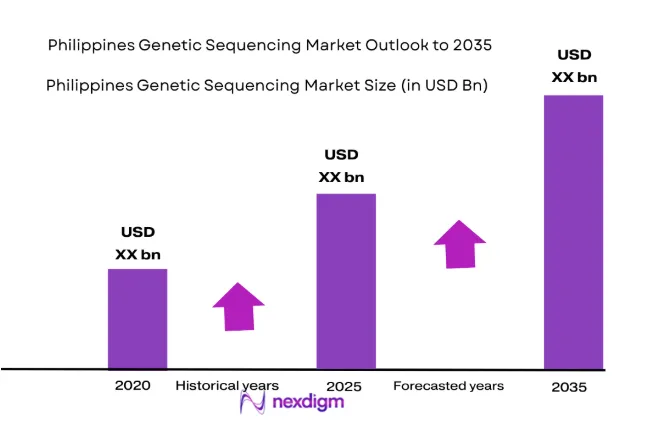
The genetic sequencing market is experiencing significant growth, driven by advancements in sequencing technologies and rising demand for personalized medicine. The market size is projected to reach USD ~ billion by the latest historical assessment, as technological improvements in sequencing platforms, along with government and private investments, boost the demand. These factors, including the growing emphasis on precision medicine, are expected to continue to drive the market forward, enabling faster and more accurate genetic analyses for a wide range of applications.
The dominant markets for genetic sequencing include the United States, Europe, and Asia, with particular growth seen in Southeast Asia due to increasing healthcare investments. The Philippines, in particular, is gaining prominence as a growing hub for genetic research, driven by government initiatives and increasing collaboration between healthcare providers and private enterprises. These markets benefit from robust healthcare systems, evolving regulatory frameworks, and widespread adoption of precision medicine, which support the demand for genetic sequencing technologies.
Market Segmentation
By Product Type
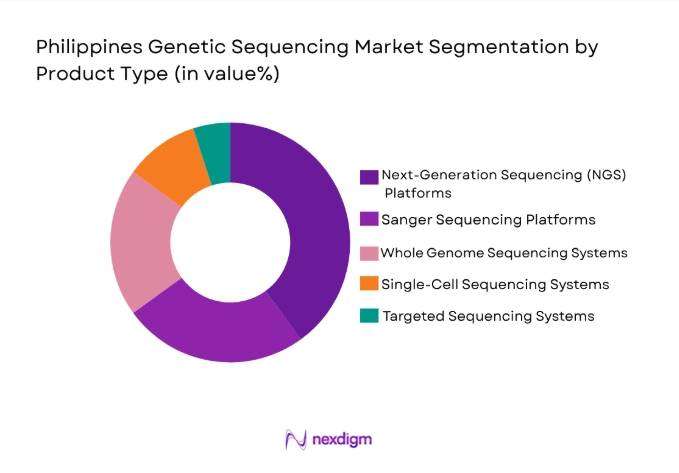
The Philippines genetic sequencing market is segmented by product type into next-generation sequencing (NGS) systems, Sanger sequencing systems, and whole genome sequencing systems. Recently, next-generation sequencing has a dominant market share due to factors such as higher throughput, lower cost per base, and increased accuracy compared to older methods. This has led to a broad adoption across both clinical and research applications, making NGS a cornerstone of modern genetic testing and diagnostic approaches.
By Platform Type
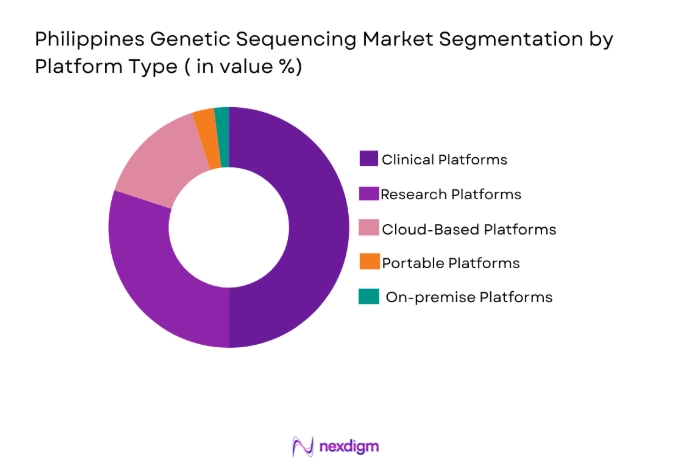
The market is segmented by platform type into clinical platforms, research platforms, and cloud-based platforms. Clinical platforms have recently dominated the market share due to their integration with hospital infrastructure and growing demand for genetic testing in diagnostics. These platforms are highly favored for their reliability, scalability, and ability to provide fast and accurate sequencing results for clinical applications such as genetic disease diagnostics and personalized treatment plans.
Competitive Landscape
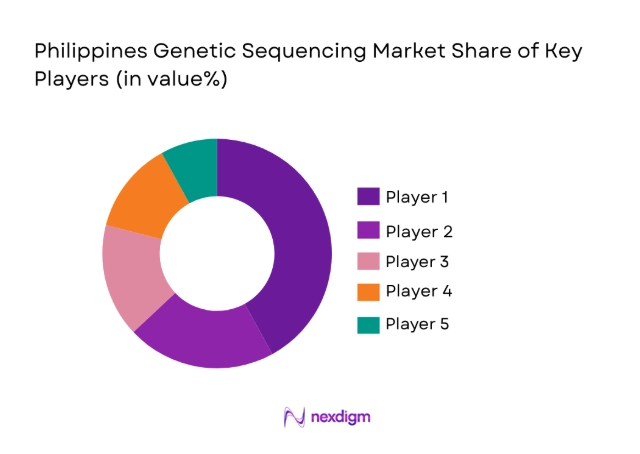
The competitive landscape of the genetic sequencing market is highly fragmented, with both established players and new entrants playing significant roles. Major players continue to consolidate through strategic mergers, acquisitions, and partnerships to enhance their technological capabilities and expand their market reach. These companies invest heavily in R&D to develop cutting-edge sequencing platforms and improve service offerings for clinical and research applications.
| Company Name | Establishment Year | Headquarters | Technology Focus | Market Reach | Key Products | Revenue | Market-Specific Parameter |
| Thermo Fisher Scientific | 1956 | Waltham, USA | ~ | ~ | ~ | ~ | ~ |
| Illumina | 1998 | San Diego, USA | ~ | ~ | ~ | ~ | ~ |
| Pacific Biosciences | 2004 | Menlo Park, USA | ~ | ~ | ~ | ~ | ~ |
| Oxford Nanopore Technologies | 2005 | Oxford, UK | ~ | ~ | ~ | ~ | ~ |
| Qiagen | 1984 | Hilden, Germany | ~ | ~ | ~ | ~ | ~ |
Philippines Genetic Sequencing Market Analysis
Growth Drivers
Rising Prevalence of Genetic Disorders
The growing prevalence of genetic disorders in the Philippines is a major driver of the genetic sequencing market. As healthcare providers focus on early detection and diagnosis of genetic conditions, the demand for genetic testing technologies, such as NGS and whole genome sequencing, continues to rise. This growing demand is further bolstered by increased awareness and government initiatives to support genetic research, especially in rural and underserved areas. The healthcare system is increasingly recognizing the importance of genetic testing in disease prevention and personalized medicine, which is driving the adoption of sequencing technologies. Public health campaigns aimed at raising awareness about genetic diseases also contribute to the expansion of genetic sequencing services across the country. These efforts are resulting in more patients seeking genetic testing as part of their healthcare regimen, significantly increasing the market’s growth potential.
Government Initiatives to Support Healthcare Innovation
The Philippines government has launched various initiatives aimed at enhancing healthcare access and improving the nation’s overall medical infrastructure. These programs include the funding of medical research and the integration of advanced technologies into healthcare systems. Through initiatives such as the Philippine Health Insurance Corporation (PhilHealth), there is a push to integrate advanced diagnostic tools, including genetic sequencing, into routine clinical practice. This government-backed support encourages hospitals and healthcare providers to invest in genetic testing technologies to improve patient outcomes, such as the identification of predispositions to certain genetic disorders. In addition, the government is working closely with biotechnology companies to foster the development and use of genetic sequencing technologies. This support is expected to boost market growth by increasing access to affordable genetic tests for a broader population base.
Market Challenges
High Cost of Genetic Sequencing Technologies
The high upfront cost of genetic sequencing technologies remains a significant barrier to widespread adoption in the Philippines. Despite the growing demand for genetic testing, the financial investment required for acquiring and maintaining advanced sequencing equipment, such as NGS systems, can be prohibitive for many healthcare providers, particularly in rural or less developed regions. This high cost of technology not only limits the accessibility of genetic testing to a smaller segment of the population but also discourages healthcare institutions from investing in these systems. Moreover, the costs associated with training personnel to operate and analyze data from complex sequencing systems further exacerbate the financial burden. This challenge hampers the market’s potential for rapid expansion and makes it difficult for smaller healthcare providers to compete with larger, well-funded institutions.
Regulatory Barriers in Medical Applications
The lack of a robust regulatory framework for the use of genetic sequencing in medical applications presents another challenge for the market. In the Philippines, regulatory agencies such as the Food and Drug Administration (FDA) face difficulties in establishing comprehensive guidelines for the approval and oversight of genetic testing technologies. This regulatory uncertainty creates hesitancy among healthcare providers and limits the widespread adoption of genetic sequencing services, particularly in clinical settings. As genetic testing becomes more integral to personalized medicine, the need for clear and consistent regulations becomes increasingly important. Without such frameworks, healthcare providers are reluctant to invest in genetic sequencing technologies, and patients may be cautious about using these services due to concerns over data privacy and accuracy.
Opportunities
Growing Demand for Personalized Medicine
Personalized medicine is rapidly gaining traction as a treatment paradigm in the Philippines, offering new opportunities for the genetic sequencing market. With the growing emphasis on targeted therapies and precision treatments, there is increasing demand for genetic testing to understand patients’ genetic makeup and provide tailored healthcare solutions. Genetic sequencing plays a crucial role in the development of personalized medicine, allowing healthcare providers to select the most appropriate treatments based on an individual’s genetic profile. The Philippines healthcare sector is increasingly focused on adopting precision medicine to improve patient outcomes, making it a significant growth opportunity for the genetic sequencing market. By integrating genetic sequencing into personalized treatment plans, healthcare providers can offer more effective, customized therapies for patients, leading to better treatment efficacy and reduced healthcare costs.
Expansion of Healthcare Infrastructure
The ongoing expansion of healthcare infrastructure in the Philippines presents a significant opportunity for the genetic sequencing market. With improvements in medical facilities, the opening of new healthcare centers, and the expansion of diagnostic services, there is a growing need for advanced diagnostic tools, including genetic sequencing technologies. The government’s focus on expanding access to healthcare services in both urban and rural areas is expected to increase demand for genetic testing services. As the healthcare infrastructure improves, there will be more opportunities for genetic sequencing providers to partner with hospitals, clinics, and diagnostic laboratories to offer genetic testing solutions. This growth in infrastructure is expected to facilitate greater access to genetic sequencing services across the population, driving the market’s expansion.
Future Outlook
The genetic sequencing market in the Philippines is poised for strong growth over the next five years, driven by technological advancements and expanding healthcare infrastructure. The ongoing shift toward personalized medicine, along with supportive government policies, will contribute to increased adoption of genetic sequencing technologies. Additionally, the rising prevalence of genetic diseases and the growing interest in precision healthcare will create strong demand for genetic testing services. As the cost of sequencing technologies continues to decline and healthcare access improves, genetic sequencing will become more widely available, driving the market’s expansion in the coming years.
Major Players
- Thermo Fisher Scientific
- Illumina
- Pacific Biosciences
- Oxford Nanopore Technologies
- Qiagen
- Roche Diagnostics
- Agilent Technologies
- PerkinElmer
- Bio-Rad Laboratories
- Becton Dickinson
- Danaher Corporation
- Siemens Healthineers
- Illumina Inc.
- Thermo Fisher Scientific Inc.
- Luminex Corporation
Key Target Audience
- Investments and venture capitalist firms
- Government and regulatory bodies
- Pharmaceutical companies
- Biotechnology firms
- Healthcare providers
- Diagnostic laboratories
- Medical device manufacturers
Research Methodology
Step 1: Identification of Key Variables
Identification of key variables including market trends, technological advancements, and regulatory frameworks influencing the market.
Step 2: Market Analysis and Construction
Conducting a comprehensive analysis of the genetic sequencing market, covering market segmentation, growth drivers, and challenges.
Step 3: Hypothesis Validation and Expert Consultation
Validating hypotheses through expert consultations and primary research, ensuring the robustness of market insights.
Step 4: Research Synthesis and Final Output
Synthesizing the research findings into actionable insights and preparing the final market report.

- Executive Summary
- Research Methodology (Definitions, Scope, Industry Assumptions, Market Sizing Approach, Primary & Secondary Research Framework, Data Collection & Verification Protocol, Analytic Models & Forecast Methodology, Limitations & Research Validity Checks)

- Market Definition and Scope
- Value Chain & Stakeholder Ecosystem
- Regulatory / Certification Landscape
- Sector Dynamics Affecting Demand
- Strategic Initiatives & Infrastructure Growth

- Growth Drivers
Rising Prevalence of Genetic Disorders
Increasing Demand for Personalized Medicine
Government Support for Healthcare Innovation - Market Challenges
High Cost of Genetic Sequencing Technologies
Lack of Skilled Workforce
Regulatory Hurdles in Medical Applications - Market Opportunities
Growth in Biotech and Pharmaceutical Industries
Increasing Adoption of Precision Medicine
Expansion of Healthcare Infrastructure - Trends
Technological Advancements in Sequencing Platforms
Integration of AI and Machine Learning in Genetic Sequencing - Government Regulations
- SWOT Analysis
- Porter’s Five Forces

- By Market Value, 2020-2025
- By Installed Units, 2020-2025
- By Average System Price, 2020-2025
- By System Complexity Tier, 2020-2025

- By System Type (In Value%)
Next-Generation Sequencing (NGS) Systems
Sanger Sequencing Systems
Single-Cell Sequencing Systems
Whole Genome Sequencing Systems
Targeted Sequencing Systems - By Platform Type (In Value%)
Clinical Platforms
Research Platforms
Portable Platforms
Cloud-Based Platforms
On-premise Platforms - By Fitment Type (In Value%)
Lab-Based Solutions
Point-of-Care Solutions
Home-based Solutions
Mobile Lab Solutions - By End User Segment (In Value%)
Hospitals and Clinics
Academic and Research Institutions
Diagnostic Laboratories

- Market Share Analysis
- Cross Comparison Parameters (System Type, Platform Type, Fitment Type, End User Segment, Procurement Channel, Market Reach, Technological Integration)
- SWOT Analysis of Key Competitors
- Pricing & Procurement Analysis
- Key Players
Thermo Fisher Scientific
Illumina
Pacific Biosciences
Oxford Nanopore Technologies
Qiagen
Roche Diagnostics
Agilent Technologies
PerkinElmer
Bio-Rad Laboratories
Becton Dickinson
Danaher Corporation
Siemens Healthineers
GE Healthcare
Illumina Inc.
Thermo Fisher Scientific Inc.

- Growing Adoption in Diagnostic Laboratories
- Rising Research and Development Activities
- Increasing Focus on Disease Prevention
- Integration of Genetic Sequencing in Personalized Healthcare

- Forecast Market Value, 2026-2035
- Forecast Installed Units, 2026-2035
- Price Forecast by System Tier, 2026-2035
- Future Demand by Platform, 2026-2035


 Request a Sample
 Ask for Customization
 Get a Quote
 Enquire Now