
 Download PDF
Market Overview
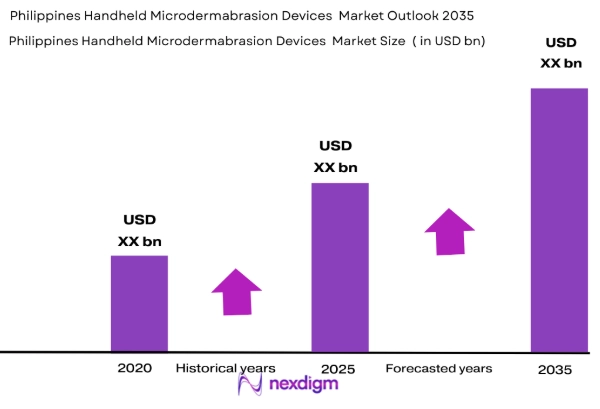
The Philippines handheld microdermabrasion devices market is part of the broader dermatology and skincare devices segment, which recorded revenue of approximately USD ~ billion in 2025 according to industry data for dermatology devices in the Philippines. This reflects rising consumer demand for non‑invasive and at‑home beauty solutions as Filipinos increasingly prefer personal skincare technologies over clinic‑based procedures. Growth is driven by greater spending on personal grooming, increasing disposable income levels, and widespread adoption of beauty tech tools through e‑commerce channels, encouraging penetration of portable microdermabrasion devices in the consumer skincare arsenal
The market is primarily dominated by urban centers in the Philippines, such as Metro Manila, Cebu, and Davao. Metro Manila leads the market due to its dense population, higher disposable income, and growing trend of self-care, where consumers are increasingly investing in skin treatments. Additionally, these cities have a well-established e-commerce ecosystem, making handheld microdermabrasion devices accessible to a broader consumer base. The presence of major beauty retailers and online platforms in these urban centers also fuels demand, making them central to the market’s growth.
Market Segmentation
By Device Type
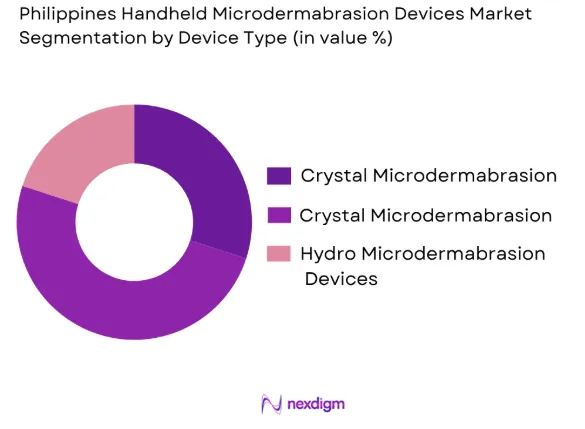
The Philippines handheld microdermabrasion devices market is segmented into crystal microdermabrasion devices, diamond microdermabrasion devices, and hydro microdermabrasion devices. Among these, diamond microdermabrasion devices currently dominate the market. This is due to their versatility and the premium quality of results they offer compared to crystal-based devices. Diamond tips are more durable, provide smoother exfoliation, and are preferred by consumers seeking professional-grade results at home. The increasing consumer interest in anti-aging treatments and skin rejuvenation is also driving the popularity of diamond-based devices. Furthermore, well-known brands are actively marketing diamond microdermabrasion devices as a superior alternative, further strengthening their dominance.
By End User
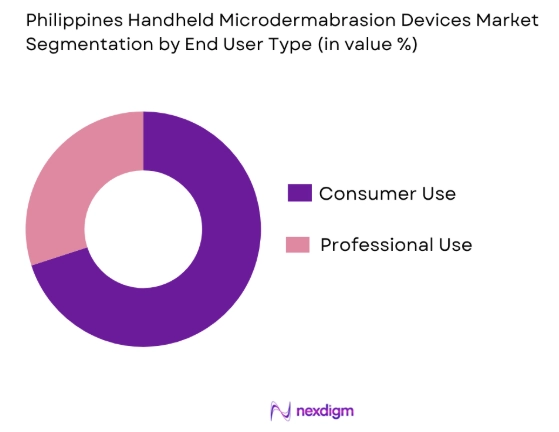
The market is segmented by end user into consumer use and professional use. Consumer use holds the largest market share in the Philippines handheld microdermabrasion devices market. This is due to the growing trend of DIY (do-it-yourself) beauty routines and the increasing availability of affordable, high-quality devices for personal use. Consumers are becoming more conscious about skincare and are opting for at-home treatments to save on the cost and time of professional services. The convenience of using these devices at home, coupled with their affordability and ease of use, has contributed to the growth of this segment.
Competitive Landscape
The Philippines handheld microdermabrasion devices market is competitive, with several global and local players vying for market share. Major players like PMD Beauty, Silk’n, and Nu Skin Enterprises dominate the market due to their strong brand recognition, extensive product offerings, and effective marketing strategies. These companies focus on offering high-quality, durable, and effective devices that cater to both at-home users and professionals. The increasing adoption of e-commerce platforms also provides an additional avenue for these companies to expand their market presence.
| Company | Establishment Year | Headquarters | Key Product | R&D Investment | Market Reach | Brand Recognition | Customer Support |
| PMD Beauty | 2008 | USA | ~ | ~ | ~ | ~ | ~ |
| Silk’n | 2006 | Israel | ~ | ~ | ~ | ~ | ~ |
| Nu Skin Enterprises | 1984 | USA | ~ | ~ | ~ | ~ | ~ |
| DermaMed | 2012 | Philippines | ~ | ~ | ~ | ~ | ~ |
| Microderm GLO | 2013 | USA | ~ | ~ | ~ | ~ | ~ |
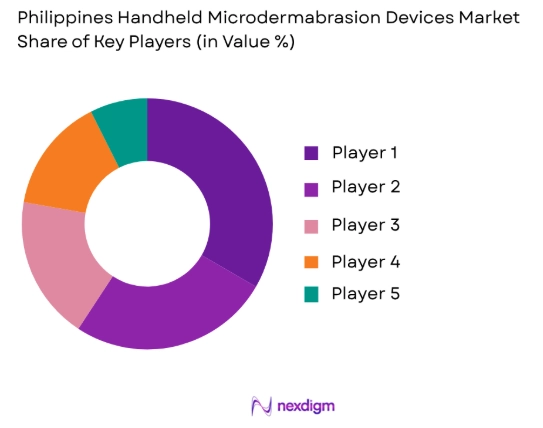
Philippines Handheld Microdermabrasion Devices Market Analysis
Growth Drivers
Rising Demand for At‑Home Skin Care Solutions
The growth of at‑home beauty and personal care expenditure in the Philippines correlates with broader economic and digital adoption trends that support handheld microdermabrasion device demand. The Philippines’ internet user base reached 86.98 million in early 2024, meaning a majority of adults have online access where product discovery and e‑commerce engagement occur — a critical channel for at‑home device marketing and sales. Consumer exposure via digital platforms enables education on at‑home beauty treatments and facilitates peer‑to‑peer recommendations and influencer content that reinforces consumer confidence. In addition, macroeconomic data shows that the digital economy contributed PhP 2.25 trillion (8.5 percent of GDP) in 2024, indicating strong online commercial activity that supports purchasable at‑home beauty solutions.These factors, combined with substantial online penetration, underpin a quantifiable shift toward at‑home skincare adoption where handheld microdermabrasion devices play a role.
Growing Consumer Preference for Non‑Invasive Beauty Treatments
Philippine consumers increasingly allocate discretionary spending toward non‑medical aesthetic services and self‑care devices as part of lifestyle and wellness trends, enabled by broader economic conditions. The country’s Gross Domestic Product per capita reached approximately US$3,925 in 2024, reflecting improved consumer ability to spend on lifestyle goods relative to previous years, even within a developing economy. Although average income levels remain lower than in developed markets, the uplift in per capita output has correlated with higher discretionary spending patterns on beauty products and services. Increased urbanization and a young median population also drive interest in non‑invasive beauty maintenance that avoids clinical procedures. Given this economic backdrop and a stable growth trajectory, consumer preference data suggests that demand for hand‑held, user‑friendly microdermabrasion devices is backed by macro indicators of disposable income and lifestyle prioritization in 2024.
Challenges
High Cost of Devices Relative to Average Income
Handheld microdermabrasion devices often carry a significant price tag relative to average income levels in the Philippines, which can limit market penetration. With GDP per capita at US$3,925 in 2024, average earnings constrain the portion of disposable income available for premium personal care technology purchases.Moreover, despite economic expansion, the average Filipino household still prioritizes essential goods over elective devices. While urban centers have higher purchasing power, national averages indicate that the cost barrier remains a measurable challenge for broad market adoption. This macroeconomic context underscores the tension between device pricing and consumer affordability in a lower‑middle income economy where optional beauty technology must compete with essential expenditures.
Lack of Consumer Awareness on Proper Usage Linked to Digital Literacy Gaps
Despite high internet usage, gaps in consumer knowledge and education about proper product use persist, which can inhibit adoption of handheld microdermabrasion devices. In early 2024, the Philippines recorded 86.98 million internet users, yet offline populations and varying levels of digital literacy mean that a portion of potential consumers may lack access to reliable instructional resources or expert guidance. Without adequate awareness campaigns and clear user education — particularly on safe operation and expected outcomes — hesitation may persist among users who are unfamiliar with handheld technical devices. This challenge is quantifiable through the disparity between high online connectivity figures and persistent gaps in informed usage behavior across different demographic segments.
Opportunities
Technological Innovations in Devices Supported by Digital Economy Growth
Handheld microdermabrasion technology stands to benefit from the Philippines’ expanding digital economy, which reached PhP 2.25 trillion in 2024 and constituted 8.5 percent of the country’s GDP. This macroeconomic indicator reflects robust digital engagement and e‑commerce activity, providing a supportive environment for technology‑enabled beauty devices. Manufacturers can leverage this digital ecosystem to introduce advanced features such as smart app integration, usage tracking, and tailored skin care programs that appeal to tech‑savvy consumers. With widespread online connectivity and a digital economy contributing meaningfully to national output, there is measurable capacity for technological adoption that positions handheld device innovations as competitive and accessible products within the broader consumer market.
Expansion of E‑commerce Platforms Backed by Large Online Population
E‑commerce presence in the Philippines serves as a quantifiable opportunity for the handheld microdermabrasion segment, supported by the large online population. In early 2024 there were 86.98 million internet users — a critical audience for online retail — and e‑commerce market activity reached US $28 billion in 2024, indicating strong platform adoption and purchasing behavior. The sizable digital consumer base provides a measurable channel through which handheld beauty devices can be marketed and distributed nationally without reliance on traditional retail infrastructure. Continued expansion of online shopping, mobile commerce, and digital payment adoption creates a quantifiable pathway for increased product availability and consumer reach, particularly for specialty items such as handheld microdermabrasion tools.
Future Outlook
Over the next six years, the Philippines handheld microdermabrasion devices market is expected to experience steady growth, driven by technological advancements, growing consumer interest in skincare, and a rising trend of self-care and at-home beauty treatments. The increasing influence of social media and beauty influencers is likely to further boost market penetration, as more consumers turn to online platforms for product recommendations and purchasing options. In addition, the market will benefit from innovations in product design and user experience, with devices becoming more affordable and effective.
Major Players
- PMD Beauty
- Silk’n
- Nu Skin Enterprises
- DermaMed
- Microderm GLO
- Revitade
- Angel Kiss
- Trophy Skin
- Vanity Planet
- HANSU
- Amdtech
- DermaRoller
- DermoVibes
- GloveSkin
- ProDerm
Key Target Audience
- Investments and Venture Capitalist Firms
- Government and Regulatory Bodies (Department of Health, Food and Drug Administration – Philippines)
- Beauty and Skincare Product Manufacturers
- E-commerce Platforms
- Online Retailers (Lazada, Shopee)
- Beauty Salons and Spas
- Private Distributors
- Consumer Electronics Retailers
Research Methodology
Step 1: Identification of Key Variables
In this phase, an ecosystem map of stakeholders within the handheld microdermabrasion devices market is constructed. Extensive secondary research is conducted using databases to gather relevant industry data. This step focuses on defining the critical variables affecting market growth, such as technological advancements, consumer trends, and regulatory landscape.
Step 2: Market Analysis and Construction
Historical data is compiled and analyzed, evaluating market penetration and revenue generation. We assess the role of e-commerce, distribution channels, and the popularity of home-use beauty devices to determine key growth drivers.
Step 3: Hypothesis Validation and Expert Consultation
Market hypotheses are tested through consultations with industry experts and practitioners. These interviews help validate market data, refine trends, and gain insights into consumer behavior, ensuring the accuracy of the research.
Step 4: Research Synthesis and Final Output
Data is synthesized by gathering insights from manufacturers and industry leaders. The final phase involves confirming the accuracy of the market estimates and predictions, integrating all collected information to ensure a comprehensive report.

- Executive Summary
- Research Methodology (Market Definitions and Assumptions, Abbreviations, Market Sizing Approach, Consolidated Research Approach, Understanding Market Potential Through In-Depth Industry Interviews, Primary Research Approach , Limitations and Future Conclusions)

- Definition and Scope
- Market Genesis and Historical Development
- Timeline of Major Players
- Business Cycle and Consumer Behavior
- Supply Chain and Value Chain Analysis

- Growth Drivers
Rising Demand for At-Home Skin Care Solutions
Growing Consumer Preference for Non-Invasive Beauty Treatments
Increasing Skin Care Awareness - Market Challenges
High Cost of Devices
Lack of Consumer Awareness on Proper Usage - Opportunities
Technological Innovations in Devices
Expansion of E-commerce Platforms - Trends
Growth of DIY Beauty and Self-care Trends
Shift Towards Sustainable and Eco-friendly Products - Government Regulation
Health and Safety Standards for Beauty Devices
Import Tariffs and Duties - SWOT Analysis
- Stakeholder Ecosystem
- Porter’s Five Forces Analysis
- Competition Ecosystem

- By Value, 2020-2025
- By Volume, 2020-2025
- By Average Price, 2020-2025

- By Device Type (In Value %)
Crystal Microdermabrasion Devices
Diamond Microdermabrasion Devices
Hydro Microdermabrasion Devices - By End User (In Value %)
Consumer Use
Professional Use - By Distribution Channel (In Value %)
Online Retail
Offline Retail
Direct Sales - By Application (In Value %)
Skin Exfoliation
Acne Treatment
Anti-Aging
Scar and Stretch Mark Removal - By Region (In Value %)
Luzon
Visayas
Mindanao

- Market Share of Major Players by Value and Volume
- Cross Comparison Parameters (Company Overview ,Business Strategies , Recent Developments ,Strength and Weakness Analysis, Organizational Structure ,Revenues and Profit Margins ,Distribution Channels ,Number of Dealers and Distributors)
- SWOT Analysis of Major Players
- Pricing Analysis for Major Players in the Philippines Market
- Detailed Profiles of Major Companies
Nu Skin Enterprises
PMD Beauty
Silk’n DermaMed
Neutrogena
Microderm GLO
Angel Kiss
Trophy Skin
Revitade
Amdtech
ProDerm
HANSU
DermoVibes
GloveSkin
Vanity Planet

- Market Demand and Utilization
- Purchasing Power and Budget Allocations
- Regulatory and Compliance Requirements
- Needs, Desires, and Pain Point Analysis
- Decision-Making Process

- By Value, 2026-2035
- By Volume, 2026-2035
- By Average Price, 2026-2035


 Request a Sample
 Ask for Customization
 Get a Quote
 Enquire Now