
 Download PDF
Market Overview
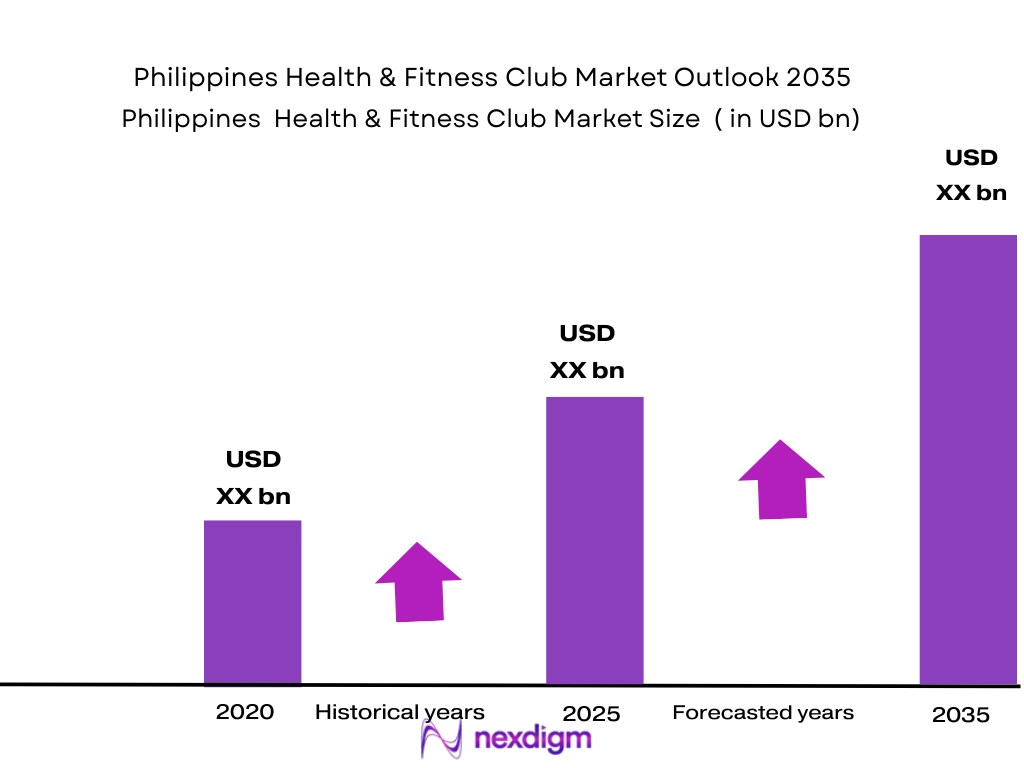
The Philippines sports equipment and fitness market was valued at USD ~ billion, supported by rising health awareness, gym expansion, home workouts, online fitness programs, and increasing participation in fitness-related activities. The health and fitness club segment benefits from this broader ecosystem as consumers shift toward structured gym memberships, personal training, boutique studios, and hybrid fitness models. Demand is also supported by lifestyle disease prevention, urban working populations, and stronger interest in wellness-led services.
Metro Manila dominates the Philippines Health & Fitness Club Market due to its dense urban population, high concentration of commercial offices, premium malls, and higher spending capacity. Cebu and Davao are also major demand centers because of expanding middle-income households, business districts, and growing mall-based fitness infrastructure. The National Capital Region had a population of 14,001,751, strengthening its role as the country’s largest organized fitness consumption hub.
Market Segmentation
By Club Type
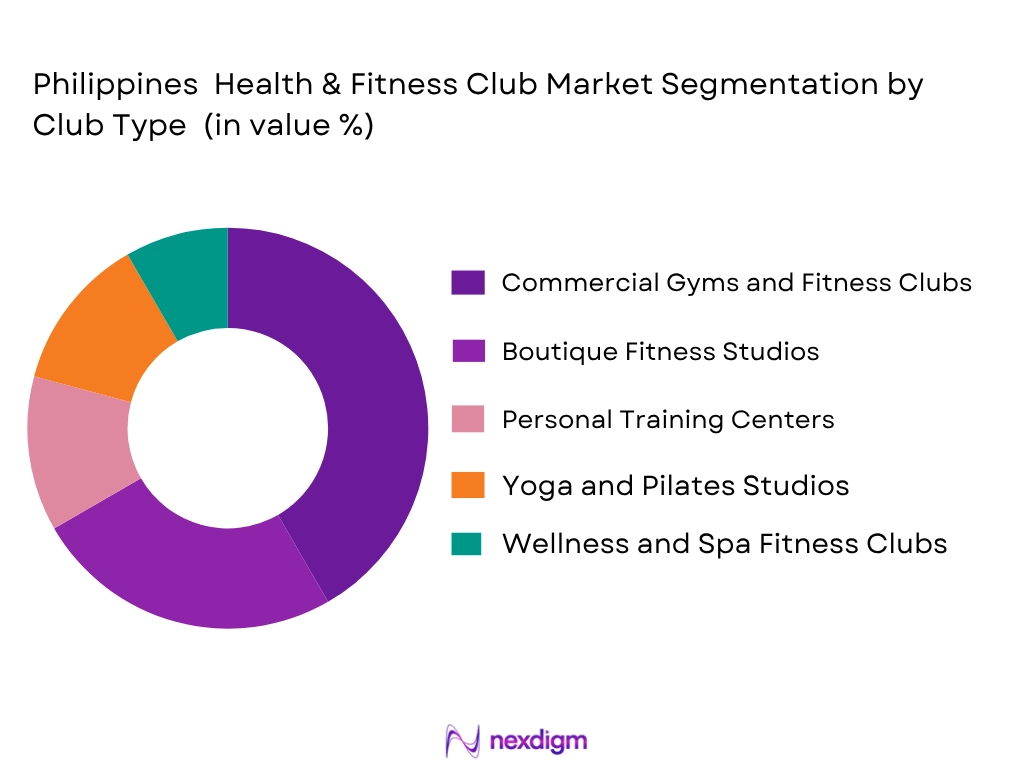
Philippines Health & Fitness Club Market is segmented by club type into commercial gyms and fitness clubs, boutique fitness studios, personal training centers, yoga and Pilates studios, and wellness-integrated fitness clubs. Recently, commercial gyms and fitness clubs have a dominant market share due to wider brand presence, flexible membership packages, broader equipment availability, and stronger consumer familiarity. Large-format gyms attract working professionals, students, and middle-income consumers seeking strength training, cardio equipment, group classes, and personal coaching under one subscription. Their presence inside malls and business districts improves visibility and walk-in conversion. Boutique studios and yoga centers are growing, but they serve more specialized consumer groups and usually carry higher pricing. Commercial gyms remain the most scalable format because operators can combine affordable access, corporate memberships, digital booking, and multi-location convenience.
By Consumer Demographic
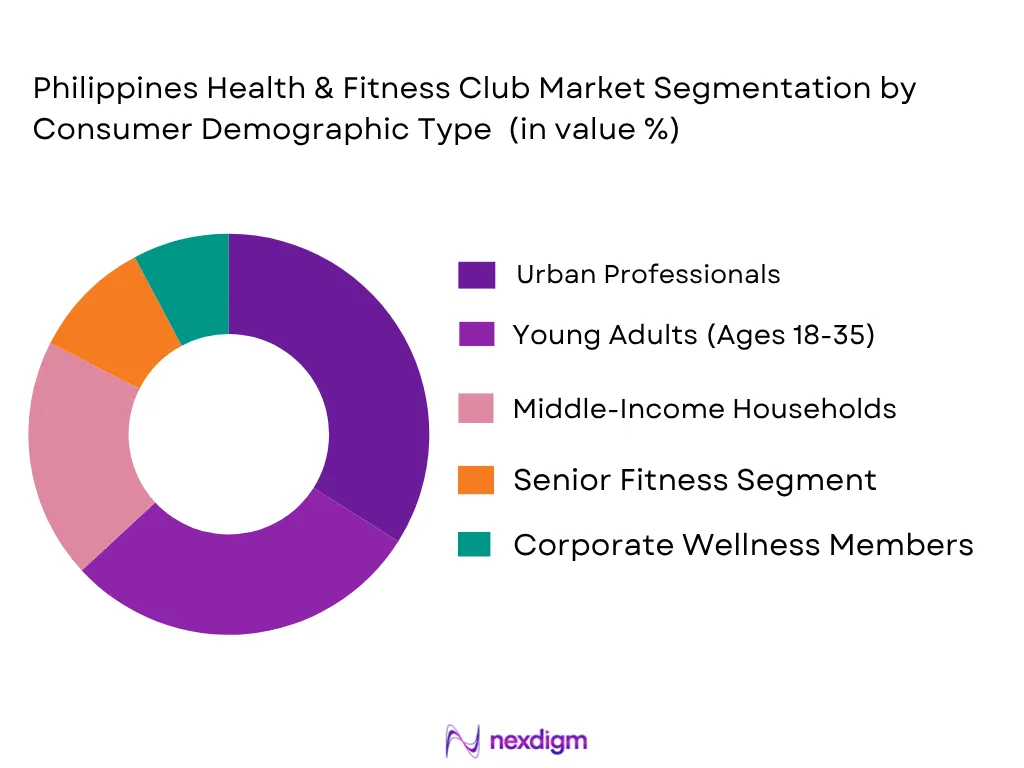
Philippines Health & Fitness Club Market is segmented by consumer demographic into urban professionals, young adults aged 18–35, middle-income households, senior fitness users, corporate wellness members, and women-focused fitness consumers. Recently, young adults aged 18–35 have a dominant market share due to high social media exposure, interest in appearance-driven fitness, flexible spending on lifestyle services, and stronger adoption of app-enabled memberships. This group is more likely to participate in gym workouts, functional training, group classes, and hybrid fitness subscriptions. Urban professionals also represent a strong segment because office-based work increases demand for stress relief, weight management, and structured wellness routines. Middle-income households are increasingly joining budget and mid-tier clubs, while senior fitness and women-focused formats remain smaller but expanding niches.
Competitive Landscape
The Philippines Health & Fitness Club Market is moderately fragmented, with international franchise chains, domestic operators, boutique studios, boxing gyms, and wellness clubs competing across price tiers. Anytime Fitness has the widest visible national footprint, with its official site listing 192 gyms in the Philippines and 5,804 gyms worldwide. Fitness First positions itself as a premium operator with 9 clubs in Metro Manila, while Slimmers World operates 18 centers nationwide. These large brands influence pricing, facility standards, digital booking, corporate wellness, and member retention strategies.
| Company Name | Establishment Year | Headquarters | Technology Focus | Market Reach | Key Products | Revenue | Fitness Club Footprint |
| Anytime Fitness | 2002 | Woodbury, United States | ~ | ~ | ~ | ~ | ~ |
| Fitness First | 1993 | United Kingdom | ~ | ~ | ~ | ~ | ~ |
| Slimmers World | 1976 | Philippines | ~ | ~ | ~ | ~ | ~ |
| Gold’s Gym | 1965 | United States | ~ | ~ | ~ | ~ | ~ |
| Surge Fitness + Lifestyle | Not publicly disclosed | Philippines | ~ | ~ | ~ | ~ | ~ |
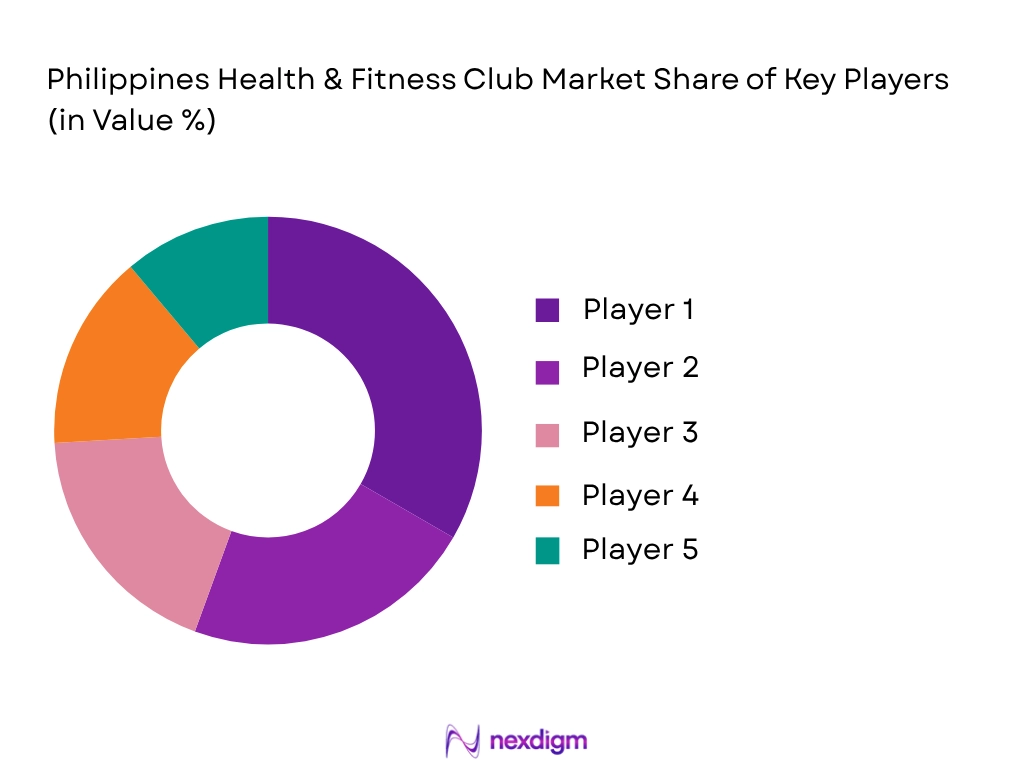
Philippines Health & Fitness Club Market Analysis
Growth Drivers
Increasing Health Awareness and Preventive Healthcare
Health awareness in the Philippines has risen significantly over the past few years, driven by concerns about chronic diseases like diabetes, hypertension, and obesity. More people are recognizing the importance of exercise, balanced nutrition, and overall wellness as preventive measures. As a result, the demand for health and fitness services has increased, and fitness clubs are seen as essential for maintaining a healthy lifestyle. Public campaigns, improved access to health information, and a growing understanding of the benefits of fitness have encouraged a culture of preventive healthcare. Fitness clubs, offering personalized training and wellness services, have thus become increasingly popular, fueling the overall growth of the market.
Growing Urban Population and Disposable Income
The urban population in the Philippines is growing rapidly, particularly in major cities like Metro Manila, Cebu, and Davao. As urbanization continues, the disposable income of city dwellers has risen, allowing them to spend more on fitness services. Fitness clubs are gaining popularity as they cater to an urban lifestyle where convenience and health consciousness are becoming priorities. With higher earnings, consumers are more inclined to invest in gym memberships, fitness classes, and wellness programs. This shift is not only seen in metropolitan areas but is also spreading to other cities as middle-class households increase. This expansion in income levels and urbanization directly supports the growth of the fitness club market.
Challenges
High Price Sensitivity in Core Segments
One of the primary challenges for fitness clubs in the Philippines is the high price sensitivity among a significant portion of the population. While the middle class is growing, there is still a large segment that cannot afford premium memberships and services. For these price-conscious consumers, gym fees can be a barrier to joining fitness clubs, and they may opt for cheaper alternatives like home workouts or community fitness programs. This price sensitivity limits the target market, particularly in regions where disposable income remains lower. Therefore, fitness clubs must find ways to offer competitive pricing, discounts, or flexible membership plans to attract a broader consumer base.
Dependence on Imported Fitness Equipment and Technology
Fitness clubs in the Philippines face challenges due to the heavy reliance on imported fitness equipment and technology. Importing high-quality fitness machines and advanced gym technologies increases the overall setup and maintenance costs for fitness centers. This dependence on foreign suppliers also exposes fitness clubs to fluctuating import tariffs, exchange rates, and shipping costs. Consequently, the financial strain on fitness clubs results in higher membership fees, which can deter cost-conscious customers. Additionally, the availability of alternative low-cost equipment options within the country is limited, further driving up costs for gyms. Overcoming this challenge will require local solutions or strategic partnerships to reduce operational expenses.
Opportunities
Expansion of Fitness Clubs in Tier-2 and Tier-3 Cities
While Metro Manila and other large cities have seen significant growth in fitness clubs, there remains a substantial opportunity in tier-2 and tier-3 cities across the Philippines. These regions are experiencing rising middle-class populations with increasing health awareness and disposable income. Fitness clubs can capitalize on this market by expanding their presence beyond the saturated urban centers. By offering affordable memberships and wellness programs tailored to local needs, fitness clubs can tap into a growing consumer base. Expanding to these underserved areas also helps reduce competition, providing a first-mover advantage and creating a loyal customer base in emerging markets.
Integration of AI and Virtual Fitness Training
The integration of artificial intelligence (AI) and virtual fitness services is a major opportunity in the Philippines’ fitness industry. AI can provide personalized workout recommendations based on individual goals, progress, and fitness levels. Virtual fitness training allows users to participate in classes and workouts from home, offering flexibility and convenience. This trend has accelerated due to the COVID-19 pandemic and the growing demand for digital fitness solutions. Fitness clubs that incorporate AI-driven training programs, virtual fitness platforms, or hybrid models blending in-person and online services can attract tech-savvy customers, especially those looking for personalized experiences or who are unable to attend physical gyms regularly.
Future Outlook
The Philippines Health & Fitness Club Market is expected to grow over the next five years as urban consumers continue prioritizing preventive health, body conditioning, and lifestyle wellness.Digital fitness tools, app-based memberships, virtual coaching, and hybrid service models will become more important for retention and customer engagement.Regulatory support for health promotion and active living can further improve consumer participation in structured exercise.Demand will likely expand in regional cities as mall developments, office clusters, and middle-income households support new club formats.
Major Players
- Anytime Fitness
- Fitness First
- Gold’s Gym
- Slimmers World
- Celebrity Fitness
- UFC Gym
- Kinetix Lab
- Surge Fitness + Lifestyle
- Elorde Boxing Gym
- The Movement Studio
- Options Studio
- F45 Training
- Pound for Pound Fitness
- Kerry Sports Manila
- Saddle Row
Key Target Audience
- Fitness club operators
- Gym franchise owners
- Boutique fitness studio operators
- Corporate wellness providers
- Real estate developers and mall operators
- Fitness equipment distributors
- Investments and venture capitalist firms
- Government and regulatory bodies
Research Methodology
Step 1: Identification of Key Variables
The research begins by identifying market variables such as club type, membership fee, number of members, regional footprint, consumer demographics, and service category revenue. Demand-side variables include health awareness, disposable income, urbanization, and fitness participation. Supply-side variables include club expansion, trainer availability, equipment imports, and digital service integration.
Step 2: Market Analysis and Construction
The market structure is built by mapping commercial gyms, boutique studios, personal training centers, wellness clubs, and hybrid fitness platforms. Public sources, operator websites, industry reports, and company disclosures are reviewed to assess market direction. Segment shares are developed through comparative assessment of brand footprint, service visibility, pricing tiers, and customer access.
Step 3: Hypothesis Validation and Expert Consultation
Market assumptions are validated by comparing secondary research with observable company expansion, location footprint, membership models, and consumer behavior trends. Public company information is used where available, while non-disclosed revenue and membership figures are treated cautiously. The validation process checks whether segment leadership aligns with infrastructure, pricing, and adoption patterns.
Step 4: Research Synthesis and Final Output
The final output combines market size references, segmentation, competition, growth drivers, challenges, opportunities, and future outlook. Findings are structured to support investors, operators, equipment suppliers, and wellness service providers. The report avoids unsupported audited claims where public data is unavailable and clearly separates broader market values from club-specific analysis.

- Executive Summary
- Research Methodology (Market Definitions and Assumptions, Abbreviations and Terminology, Data Sources and Validation Approach, Philippines Health & Fitness Club Market Sizing Methodology, Primary and Secondary Research Benchmarks, Market Reliability and Confidence Intervals)

- Industry Definition and Scope
- Market Genesis and Evolution in the Philippines
- Consumer Adoption Patterns
- Market Value Chain and Distribution Architecture
- Import and Export Dynamics

- Growth Drivers
Increasing Health Awareness and Preventive Healthcare
Growing Urban Population and Disposable Income
Rise in Corporate Wellness Programs
Shift Toward Digital Fitness and Virtual Services
Government Health and Wellness Initiatives - Challenges
High Price Sensitivity in Core Segments
Dependence on Imported Fitness Equipment and Technology
Limited Fitness Club Penetration in Smaller Cities and Rural Areas
Consumer Education and Awareness Gaps
Infrastructure Constraints in Emerging Regions - Opportunities
Expansion of Fitness Clubs in Tier-2 and Tier-3 Cities
Integration of AI and Virtual Fitness Training
Growth of Corporate Wellness Programs and Partnerships
Increasing Adoption of Hybrid Fitness Models
Opportunities in Women-Focused Fitness Clubs and Studios - Trends
Digital and Smart Fitness Solutions
Subscription-Based Models and Fitness App Growth
Corporate Wellness and Employee Fitness Programs
Wellness Tourism and Spa Services
Focus on Holistic Wellness and Mental Health
Rise of Outdoor Fitness and Functional Training - Government Regulations
Health and Safety Standards for Fitness Clubs
Licensing and Regulation of Fitness Professionals
Regulations for Online Fitness and Virtual Training Services
Government Initiatives Promoting Fitness and Healthy Living - SWOT Analysis
- Porter’s Five Forces

- By Market Value, 2020-2025
- By Number of Members, 2020-2025
- By Average Membership Fee, 2020-2025
- By Club Category Revenue Contribution, 2020-2025

- By Club Type (In Value %)
Commercial Gyms and Fitness Clubs
Boutique Fitness Studios
Personal Training Centers
Yoga and Pilates Studios
Wellness and Spa Fitness Clubs - By Distribution Channel (In Value %)
Physical Fitness Clubs
Online Fitness Platforms
Hybrid Fitness Models - By Consumer Demographic (In Value %)
Urban Professionals
Young Adults (Ages 18-35)
Middle-Income Households
Senior Fitness Segment
Corporate Wellness Members
Women’s Fitness Segment - By Price Tier (In Value %)
Budget / Entry-Level
Mid-Tier
Premium / High-End
Luxury / Exclusive Memberships - By Region (In Value %)
Metro Manila
Cebu
Davao
Calabarzon
Other Regions

- Market Share by Club Category
- Number of Members by Major Brands
- Cross Comparison Parameters (Company Overview, Service Portfolio Strength, Location Footprint, Technology and Digital Integration, Pricing Strategy, Brand Equity, Consumer Preference Score, Annual Revenue, Growth Trajectory
- Company Profiles
Anytime Fitness
Fitness First
Gold’s Gym
Slimmers World
Celebrity Fitness
UFC Gym
Kinetix Lab
Surge Fitness + Lifestyle
Elorde Boxing Gym
The Movement Studio
Options Studio
F45 Training

- Buying Decision Drivers
- Brand Loyalty and Membership Renewal Cycle
- Payment Preferences and Financing Options
- Post-Service Usage Patterns
- Pain Points in Club Usage and Membership Renewal

- By Market Value, 2026-2035
- By Number of Members, 2026-2035
- By Average Membership Fee, 2026-2035
- By Club Category Revenue Contribution, 2026-2035


 Request a Sample
 Ask for Customization
 Get a Quote
 Enquire Now