

 Download PDF
Market Overview
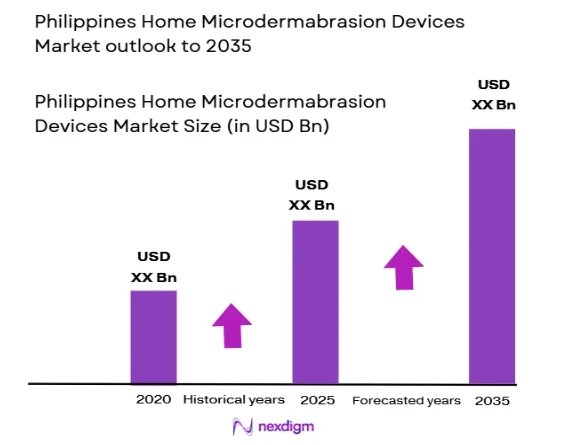
The Philippines home microdermabrasion devices market operates within the broader global microdermabrasion devices industry, which reached a value of USD 0.5734 billion based on a recent historical assessment, supported by rising demand for non-invasive aesthetic procedures and increasing consumer focus on skin rejuvenation treatments. Growth is largely driven by expanding adoption of home-use skincare devices, technological improvements in portable dermatology tools, and growing spending on personal care devices, supported by the wider dermatology devices sector valued at USD 0.0588 billion in the country.
Metro Manila remains the dominant demand center due to higher disposable income, concentration of dermatology clinics, and stronger exposure to international beauty trends. Cebu and Davao also show strong adoption due to urbanization and growing retail penetration of beauty electronics. Internationally, the United States, South Korea, and Japan influence product innovation due to strong beauty technology ecosystems, advanced skincare awareness, and strong consumer electronics integration within personal care routines.
Market Segmentation
By System Type
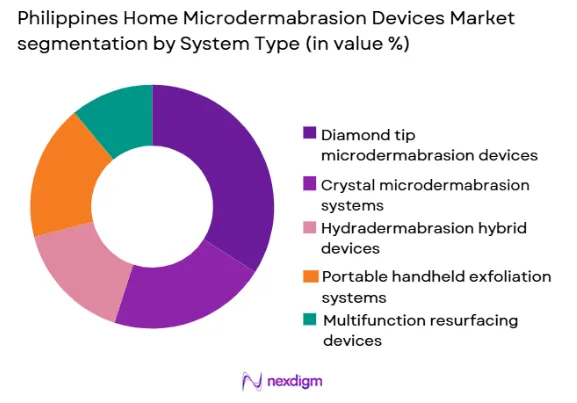
Philippines Home Microdermabrasion Devices market is segmented by product type into diamond tip microdermabrasion devices, crystal microdermabrasion systems, hydradermabrasion hybrid devices, portable handheld exfoliation systems, and multifunction resurfacing devices. Recently, diamond tip microdermabrasion devices have a dominant market share due to their durability, absence of consumable crystals, improved safety perception among home users, and strong product availability across online marketplaces. Their reusable abrasive heads reduce long-term ownership costs, making them attractive to cost-sensitive consumers. Additionally, manufacturers prioritize these systems due to easier maintenance requirements and compatibility with compact device formats. Consumer preference is also shaped by dermatologist recommendations favoring controlled exfoliation systems, while social media demonstrations frequently highlight diamond tip devices due to their visible results and perceived premium positioning in the home skincare device category.
By Platform Type
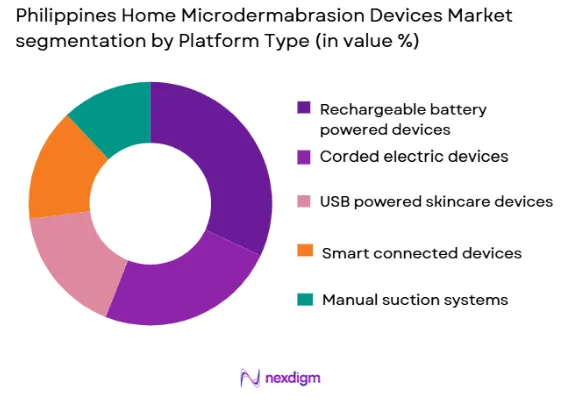
Philippines Home Microdermabrasion Devices market is segmented by platform type into corded electric devices, rechargeable battery powered devices, USB powered skincare devices, smart connected devices, and manual suction systems. Recently, rechargeable battery powered devices have a dominant market share due to convenience, portability, and compatibility with modern consumer lifestyles. Their ability to support cordless operation aligns with growing consumer demand for flexible home treatments. Increasing availability of lithium battery based compact electronics and improvements in charging efficiency further support this segment’s leadership. E-commerce product listings frequently highlight portability as a core selling feature, while younger users increasingly prefer rechargeable solutions compatible with travel use. The segment also benefits from improvements in device ergonomics and durability, encouraging repeat purchases and upgrades within the personal beauty electronics category.
Competitive Landscape
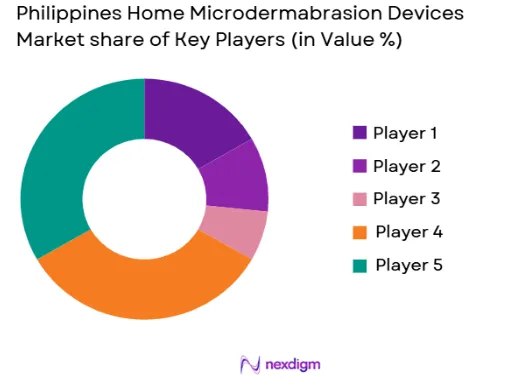
The Philippines home microdermabrasion devices market shows moderate consolidation with international skincare device brands dominating premium segments while Asian consumer electronics manufacturers compete in the mid-price category. Market competition is influenced by product innovation, pricing strategies, online distribution strength, and device safety certifications. Major players leverage strong brand recall, dermatology partnerships, and influencer marketing to maintain competitive positioning, while smaller entrants focus on affordability and multifunction capabilities to capture first-time buyers.
| Company Name | Establishment Year | Headquarters | Technology Focus | Market Reach | Key Products | Revenue | Device Category Focus |
| PMD Beauty | 2011 | United States | ~ | ~ | ~ | ~ | ~ |
| Trophy Skin | 2012 | United States | ~ | ~ | ~ | ~ | ~ |
| Silk’n | 2006 | Israel | ~ | ~ | ~ | ~ | ~ |
| Panasonic Beauty | 1918 | Japan | ~ | ~ | ~ | ~ | ~ |
| Philips Personal Health | 1891 | Netherlands | ~ | ~ | ~ | ~ | ~ |
Philippines Home Microdermabrasion Devices Market Analysis
Growth Drivers
Rising Consumer Preference for At-Home Aesthetic Treatments
The growing preference for at-home aesthetic treatments continues to significantly influence demand for home microdermabrasion devices in the Philippines. Consumers increasingly seek cost-effective alternatives to clinic procedures due to affordability concerns and convenience advantages. At-home treatments eliminate the need for repeated clinical appointments, saving both time and travel costs. The increasing influence of social media skincare routines is encouraging experimentation with personal skincare technology. Younger consumers are particularly attracted to devices promising visible results without medical intervention. The normalization of self-care routines has strengthened demand for personal beauty devices. Improved product safety features such as adjustable suction levels are also improving adoption confidence. Online tutorials and product demonstrations are further supporting user familiarity. Growing beauty awareness among male consumers is also expanding the addressable market. These factors collectively strengthen long-term adoption trends.
Expansion of E-Commerce Beauty Device Distribution Channels
The rapid development of digital retail infrastructure is strongly supporting the growth of the home microdermabrasion devices market. Online marketplaces provide access to international brands previously unavailable through traditional retail channels. Consumers benefit from price comparisons, customer reviews, and promotional discounts that encourage purchases. The rise of direct-to-consumer brand websites has also strengthened product accessibility. Logistics improvements have reduced delivery timelines even for imported beauty electronics. Social commerce through short video platforms is also driving impulse purchases. Influencer marketing is creating awareness about device benefits and usage safety. Payment flexibility through digital wallets is further enabling consumer adoption. Retailers also benefit from lower overhead costs compared to physical stores. These distribution advantages continue to support strong device penetration among urban populations.
Market Challenges
Risk of Skin Damage Due to Improper Consumer Usage
Improper usage remains a major concern affecting adoption of home microdermabrasion devices. Consumers without dermatological training may apply excessive suction pressure or repeat treatments too frequently. Such practices may lead to skin irritation, redness, or barrier damage. Negative user experiences can reduce repeat purchases and affect brand trust. Lack of standardized consumer training materials also contributes to misuse risks. Some low-cost devices lack adequate safety controls, increasing injury potential. Regulatory oversight remains limited compared to professional dermatology equipment. This creates uneven product quality across the market. Brands must invest in education campaigns to improve safe usage awareness. Instruction clarity and ergonomic design improvements are becoming critical competitive factors. These safety concerns continue to influence cautious adoption among first-time buyers.
Presence of Low-Quality Imported Devices Affecting Market Trust
The availability of low-cost imported beauty electronics presents quality consistency challenges within the market. Some devices fail to meet international safety or durability standards. Consumers purchasing based solely on price may encounter performance issues. This can reduce confidence in the entire product category. Warranty limitations also discourage consumer trust in unknown brands. Informal import channels can bypass quality verification processes. This creates pricing pressure on established brands maintaining compliance standards. Market fragmentation increases marketing costs for premium players attempting to differentiate. Consumer education about certification marks remains limited. Counterfeit branding also presents risks to legitimate manufacturers. These structural issues continue to challenge long-term market credibility development.
Opportunities
Growth Potential of Smart Connected Skincare Devices
Smart skincare technology integration presents strong growth opportunities in the Philippines home microdermabrasion devices market. Devices incorporating sensors capable of measuring skin moisture or sensitivity may improve treatment personalization. Integration with mobile applications can enable usage tracking and treatment scheduling. These features improve consumer engagement and brand loyalty. Technology differentiation can also justify premium pricing strategies. Younger consumers demonstrate strong interest in connected personal care ecosystems. Partnerships with dermatology platforms could enable remote skin monitoring services. Data driven skincare recommendations may further strengthen perceived product value. Manufacturers investing in artificial intelligence driven diagnostics may gain competitive advantages. The convergence of beauty and digital health technology presents strong innovation potential. This trend is expected to create a new premium category within the market.
Expansion into Male Grooming and Preventive Skincare Segments
The growing acceptance of male grooming presents a significant expansion opportunity for home microdermabrasion device manufacturers. Men increasingly seek solutions for acne scars, oil control, and skin texture improvement. Marketing campaigns targeting male consumers remain relatively underdeveloped. Gender neutral product design may help attract wider audiences. Preventive skincare awareness is also expanding beyond traditional beauty users. Devices positioned for maintenance rather than correction may gain traction. Corporate professionals seeking presentable appearances represent a key demand segment. Product bundles including cleansers and serums may improve adoption. Education campaigns focusing on long-term skin health could further expand the customer base. This demographic expansion could significantly increase the addressable consumer pool.
Future Outlook
The Philippines home microdermabrasion devices market is expected to witness steady expansion driven by increasing consumer awareness and product accessibility. Technological innovation in compact skincare electronics is likely to improve product performance and safety. Regulatory improvements may strengthen consumer trust in certified products. Growing digital retail infrastructure is expected to further simplify product access. Rising beauty consciousness among younger consumers is expected to sustain demand momentum.
Major Players
- PMD Beauty
- Trophy Skin
- Silk’n
- Microderm GLO
- Kendal Professional
- New Spa Home
- Michael Todd Beauty
- Liberex
- Beautural
- Conair Skincare
- TouchBeauty
- Rio Beauty
- Philips Personal Health
- Panasonic Beauty
- Ya-Man Ltd
Key Target Audience
- Dermatology device manufacturers
- Beauty device distributors
- Skincare product brands
- Personal care electronics retailers
- E-commerce beauty platforms
- Investments and venture capitalist firms
- Government and regulatory bodies
- Beauty salon chains
Research Methodology
Step 1: Identification of Key Variables
Market variables were identified through review of dermatology device demand patterns, consumer beauty electronics adoption, pricing structures, and technology innovation trends. Supply side factors including manufacturing concentration and import flows were also evaluated. Demand indicators included consumer spending behavior and personal care trends.
Step 2: Market Analysis and Construction
Market construction involved triangulation of dermatology device data, microdermabrasion device industry reports, and regional personal care electronics demand indicators. Segment positioning was determined using product availability, technology adoption, and distribution presence across online and offline channels.
Step 3: Hypothesis Validation and Expert Consultation
Preliminary findings were validated through comparison with industry publications, device manufacturer disclosures, and dermatology technology adoption patterns. Assumptions were tested against product availability trends and consumer behavior observations across Southeast Asian beauty technology markets.
Step 4: Research Synthesis and Final Output
Final analysis was synthesized by aligning quantitative indicators with qualitative market developments. Data consistency checks ensured logical alignment between device adoption trends and industry structure. The final report reflects realistic positioning of market structure and growth factors.

- Executive Summary
- Research Methodology (Definitions, Scope, Industry Assumptions, Market Sizing Approach, Primary & Secondary Research Framework, Data Collection & Verification Protocol, Analytic Models & Forecast Methodology, Limitations & Research Validity Checks)

- Market Definition and Scope
- Value Chain & Stakeholder Ecosystem
- Regulatory / Certification Landscape
- Sector Dynamics Affecting Demand
- Strategic Initiatives & Infrastructure Growth

- Growth Drivers
Rising consumer awareness of at home skincare treatments
Increasing acne and pigmentation concerns among young population
Growth of beauty e commerce platforms in the Philippines
Cost advantage of home devices compared to clinic procedures
Influence of social media skincare trends - Market Challenges
Risk of improper usage causing skin irritation
Availability of counterfeit low quality devices
Limited consumer knowledge about device safety standards
High price sensitivity among middle income consumers
Competition from professional dermatology clinics - Market Opportunities
Expansion of affordable entry level skincare devices
Partnerships with dermatologists for home care programs
Growth of male grooming and skincare segment - Trends
Integration of suction control technology for safer use
Rising popularity of multifunction facial treatment devices
Growth of K beauty inspired skincare routines
Demand for compact and travel friendly skincare tools
Increased preference for rechargeable eco friendly devices - Government Regulations & Defense Policy
FDA Philippines regulation on personal care electronic devices
Product safety certification requirements for imported beauty devices
Consumer protection compliance for electronic skincare products - SWOT Analysis
- Stakeholder and Ecosystem Analysis
- Porter’s Five Forces Analysis
- Competition Intensity and Ecosystem Mapping

- By Market Value, 2020-2025
- By Installed Units, 2020-2025
- By Average System Price, 2020-2025
- By System Complexity Tier, 2020-2025

- By System Type (In Value%)
Diamond tip microdermabrasion devices
Crystal microdermabrasion systems
Hydra dermabrasion hybrid devices
Portable handheld exfoliation systems
Multi-function facial resurfacing devices - By Platform Type (In Value%)
Corded electric devices
Rechargeable battery powered devices
USB powered skincare devices
Smart app connected devices
Manual suction assisted systems - By Fitment Type (In Value%)
Handheld standalone devices
Modular attachment based systems
Multi head interchangeable systems
Compact travel size units
Tabletop personal skincare units - By End User Segment (In Value%)
Individual home users
Beauty and skincare enthusiasts
Home based aesthetic practitioners
Online skincare influencers and content creators
Personal dermatology maintenance users - By Procurement Channel (In Value%)
E commerce marketplaces
Brand owned online stores
Beauty specialty retail stores
Pharmacy and drugstore chains
Direct social media selling channels - By Material / Technology (in Value %)
Diamond abrasive tip technology
Aluminum oxide crystal technology
Silicone suction head systems
Vacuum based pore extraction technology
AI enabled skin sensitivity sensors

- Market structure and competitive positioning
- Market share snapshot of major players
- Cross Comparison Parameters (Product Portfolio Breadth, Average Selling Price, Technology Integration Level, Distribution Network Strength, Online Presence Strength, Brand Recognition, After Sales Support, Product Certification Compliance, Innovation Pipeline Strength, Warranty Period, Rechargeability Features, Attachments Variety, Dermatologist Partnerships, Influencer Marketing Strength, Customer Ratings)
- SWOT Analysis of Key Players
- Pricing & Procurement Analysis
- Key Players
PMD Beauty
Trophy Skin
Silk’n
Microderm GLO
Kendal Professional
New Spa Home
Michael Todd Beauty
Liberex
Beautural
Conair Skincare
TouchBeauty
Rio Beauty
Philips Personal Health
Panasonic Beauty
Ya-Man Ltd

- Increasing adoption among urban millennials focused on skincare maintenance
- Growing usage among consumers managing acne scars at home
- Demand from beauty content creators reviewing skincare gadgets
- Rising preference among working professionals seeking convenient treatments

- Forecast Market Value, 2026-2035
- Forecast Installed Units, 2026-2035
- Price Forecast by System Tier, 2026-2035
- Future Demand by Platform, 2026-2035


 Request a Sample
 Ask for Customization
 Get a Quote
 Enquire Now