

 Download PDF
Market Overview
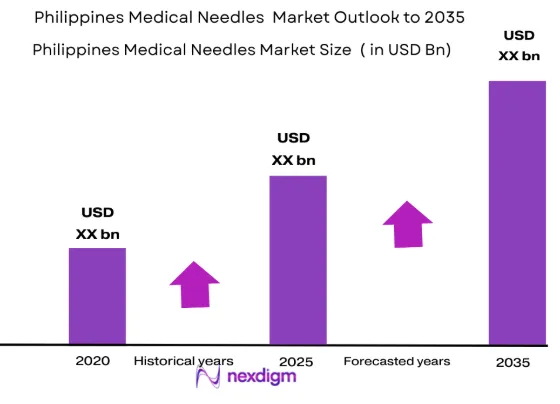
The medical needles market in the Philippines is experiencing substantial growth, driven by the increasing demand for healthcare services, rising healthcare expenditure, and the growing prevalence of chronic diseases. Based on a recent historical assessment, the medical needles market size in the Philippines has been valued at approximately USD ~ billion. Key growth drivers include technological advancements, increasing healthcare access in rural areas, and the rapid adoption of injectable drugs, all contributing to the expansion of the market in this region. The market is also supported by government initiatives to improve healthcare infrastructure.
Dominant cities in the Philippines, including Metro Manila, Cebu, and Davao, play a crucial role in the growth of the medical needles market. Metro Manila, being the healthcare hub, contributes significantly due to the presence of advanced medical facilities, private hospitals, and clinics. Cebu and Davao are also seeing growth as healthcare services improve and demand for self-administration of medications rises. These urban centers benefit from high healthcare investments, proximity to pharmaceutical companies, and growing middle-class populations.
Market Segmentation
By Product Type
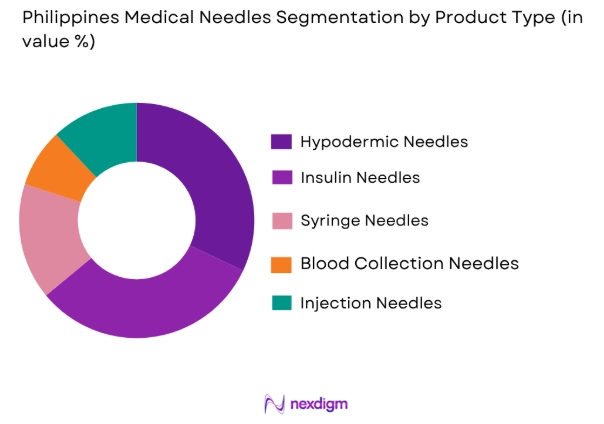
The medical needles market is segmented by product type into hypodermic needles, insulin needles, syringe needles, blood collection needles, and injection needles. Recently, hypodermic needles have dominated the market due to their widespread use in various medical applications, such as vaccines, injections, and blood tests. The demand for these needles is driven by the increasing prevalence of chronic diseases such as diabetes and the growth of vaccination programs. In addition, hypodermic needles are preferred due to their availability, affordability, and widespread use in hospitals and clinics.
By Platform Type
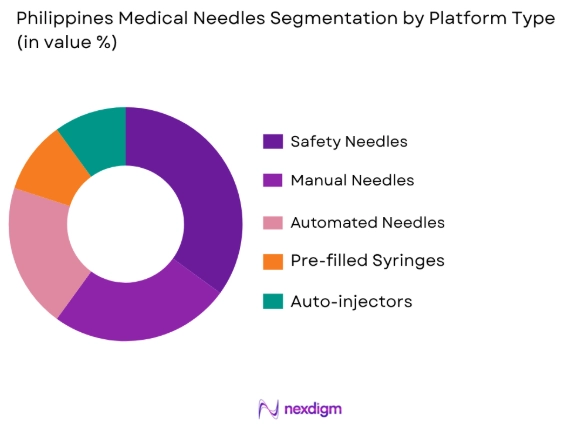
The market is segmented by platform type into manual needles, automated needles, safety needles, pre-filled syringes, and auto-injectors. Safety needles have recently emerged as the dominant sub-segment due to growing concerns about needle-stick injuries and the subsequent need for safer injection practices. Safety needles are designed to minimize the risk of accidental needle-stick injuries, which is a major concern in hospitals, clinics, and healthcare settings. These needles are also widely used in public health programs due to their safety features, which drive their increasing adoption.
Competitive Landscape
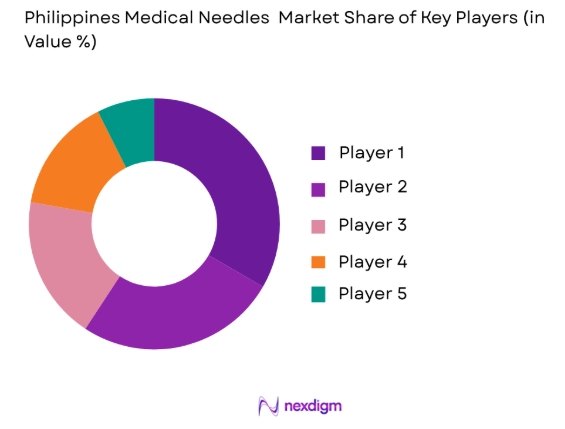
The competitive landscape of the medical needles market is characterized by strong consolidation, with major players dominating the market through strategic acquisitions and partnerships. Leading companies such as Becton Dickinson and Company, Medtronic, and Cardinal Health continue to expand their influence by focusing on technological advancements and broadening their product portfolios. These companies also leverage economies of scale, robust supply chains, and strong distribution networks to maintain their leadership positions. Their influence is further amplified by ongoing regulatory support for safe injection devices and the increasing awareness of safe healthcare practices.
| Company Name | Establishment Year | Headquarters | Technology Focus | Market Reach | Key Products | Revenue (USD) |
| Becton Dickinson and Company | 1897 | Franklin Lakes, NJ, USA | ~ | ~ | ~ | ~ |
| Medtronic plc | 1949 | Dublin, Ireland | ~ | ~ | ~ | ~ |
| Cardinal Health, Inc. | 1979 | Dublin, OH, USA | ~ | ~ | ~ | ~ |
| Terumo Corporation | 1921 | Tokyo, Japan | ~ | ~ | ~ | ~ |
| Smiths Medical | 1940 | Minneapolis, MN, USA | ~ | ~ | ~ | ~ |
Philippines Medical Needles Market Analysis
Growth Drivers
Rising Prevalence of Diabetes and Other Chronic Diseases
The rising prevalence of diabetes and other chronic diseases in the Philippines is a significant growth driver for the medical needles market. According to the Department of Health (DOH), approximately 4.5 million Filipinos were diagnosed with diabetes in 2022, with the number expected to rise steadily in the coming years. The World Health Organization (WHO) reports that the Philippines has a rapidly increasing rate of hypertension and diabetes, both of which require regular insulin injections and blood tests, fueling demand for insulin needles and other medical needles. This growing healthcare burden creates a continuous need for medical needles.
Government Initiatives to Improve Healthcare Access
The Philippine government has been increasing its focus on improving healthcare access, particularly in underserved areas, driving the need for medical needles. In 2023, the Philippine government allocated over PHP 15 billion for healthcare programs aimed at improving access to essential medical supplies, including needles for diabetes care and immunizations. The expansion of healthcare programs, such as the Philippine Health Insurance Corporation (PhilHealth), covers more services and patients, ensuring access to necessary medical equipment, including needles. This government investment is expected to lead to an increased demand for needles across hospitals, clinics, and homecare settings.
Challenges
High Capital Investment and Maintenance Costs
The high capital investment and maintenance costs associated with medical needles and associated equipment pose a challenge to widespread adoption. The Department of Health (DOH) reports that public healthcare facilities in the Philippines are often limited by budgets, leading to challenges in procuring advanced medical equipment, including automated injection systems. In 2022, over PHP 2 billion was needed to meet the growing demand for diabetic supplies, yet hospitals often face difficulties with procurement due to high initial costs, leading to delays in equipment acquisition and limited access to the latest needle technologies. Source: Department of Health
Regulatory and Compliance Hurdles
Regulatory hurdles related to the approval and compliance of medical needles are a significant challenge in the Philippines. The Philippine Food and Drug Administration (FDA) ensures that all medical devices, including needles, comply with stringent safety and quality standards. In 2023, the FDA reported that the approval process for medical needles and devices often faces delays, especially when it comes to foreign-manufactured needles, which must go through a lengthy certification process. This affects the speed at which new needle technologies can reach the market, further limiting access to the latest medical needle innovations.
Opportunities
Growing Demand for Home Healthcare and Self-Administration Needles
The demand for home healthcare and self-administration needles in the Philippines is growing, driven by the increasing number of individuals requiring chronic disease management. According to the Philippine Health Insurance Corporation (PhilHealth), the number of individuals with diabetes and hypertension is rising, leading to an increased demand for home-based care solutions. In 2022, over 3.5 million Filipinos with diabetes required insulin injections regularly, many of whom rely on self-administration at home. The government’s efforts to improve home healthcare access further supports the growth of the medical needle market for self-administration devices.
Expansion of Medical Tourism in the Philippines
The expansion of medical tourism in the Philippines presents a significant growth opportunity for the medical needles market. The Philippines has become a popular destination for medical tourists, particularly for procedures such as dental care, cosmetic surgeries, and chronic disease treatments, including diabetes management. According to the Department of Tourism, over 1.5 million medical tourists visited the Philippines in 2022, with the number expected to rise annually. This surge in medical tourism is driving the demand for high-quality medical needles, including insulin and injection needles, as foreign patients require access to advanced healthcare services while visiting the country.
Future Outlook
Over the next five years, the medical needles market in the Philippines is expected to witness steady growth, driven by technological advancements, regulatory support for safe needle devices, and increasing healthcare access. The market will likely see a rise in the adoption of innovative needle technologies, such as smart needles and auto-injectors, which will cater to the growing demand for self-administered injectable drugs. Additionally, as healthcare infrastructure improves, particularly in rural regions, demand for medical needles is expected to increase across various segments, including hospitals, clinics, and home healthcare settings.
Major Players
- Becton Dickinson and Company
- Medtronic plc
- Cardinal Health, Inc.
- Terumo Corporation
- Smiths Medical
- C.R. Bard, Inc.
- Kangdelai
- Fresenius Kabi
- Nipro Corporation
- MediPoint
- Shanghai United Cell
- Hindustan Syringes & Medical Devices Limited
- Biocorp
- Lepu Medical Technology
- Mylan
- AbbVie
Key Target Audience
- Investments and venture capitalist firms
- Government and regulatory bodies
- Hospitals and healthcare institutions
- Medical needle manufacturers
- Pharmaceutical companies
- Healthcare distributors
- Home healthcare service providers
- Medical device retailers
Research Methodology
Step 1: Identification of Key Variables
The first step involves identifying the key variables that impact the medical needles market, including market demand, technological innovations, and regulatory factors.
Step 2: Market Analysis and Construction
This step involves constructing the market landscape by analyzing historical data, current trends, and segmentation to determine market size and forecasts.
Step 3: Hypothesis Validation and Expert Consultation
Consultation with industry experts is crucial for validating hypotheses related to market drivers, challenges, and opportunities.
Step 4: Research Synthesis and Final Output
The final step synthesizes the research findings into actionable insights and generates the final report with market forecasts and segmentation data.

- Executive Summary
- Research Methodology (Market Definitions and Assumptions, Abbreviations, Market Sizing Approach, Primary Research Insights, Secondary Data Integration, Industry Expert Interviews, Limitations, and Forecast Methodology)

- Market Definition and Scope
- Evolution and Trends in the Medical Needles Industry
- Regulatory Landscape (Philippine FDA and Health Regulations)
- Key Market Dynamics and Value

- Growth Drivers
Rising Prevalence of Diabetes and Other Chronic Diseases
Government Initiatives to Improve Healthcare Access
Technological Advancements in Needle Design and Materials
Increasing Demand for Insulin and Vaccination Services - Market Challenges
High Capital Investment and Maintenance Costs
Regulatory and Compliance Hurdles
Counterfeit Needle Products in the Market
Limited Awareness of Proper Needle Disposal Practices - Market Opportunities
Growing Demand for Home Healthcare and Self-Administration Needles
Expansion of Medical Tourism in the Philippines
Rising Focus on Needle-Free Injection Systems
Development of Safe Needle Technologies - Trends
Adoption of Safety and Self-Injectable Needles
Needle Innovations
Focus on Sustainability in Needle Manufacturing
Shift Towards Disposable and Single-Use Products - Government Regulations
- SWOT Analysis
- Porter’s Five Forces

- By Value, 2020-2025
- By Volume, 2020-2025
- By Average Selling Price, 2020-2025

- By Product Type (In Value%)
Hypodermic Needles
Insulin Needles
Syringe Needles
Blood Collection Needles
Injection Needles - By Platform Type (In Value%)
Manual Needles
Automated Needles
Safety Needle
Pre-filled Syringes
Auto-Injectors - By End-User (In Value%)
Hospitals and Healthcare Institutions
Clinics and Physician Offices
Diagnostic Laboratories
Home Care Settings
Pharmacies and Retail Outlets - By Distribution Channel (In Value%)
Direct Sales to Hospitals and Healthcare Providers
Pharmaceutical Distribution Networks
Online Sales Platforms
Government Health Programs and Initiatives - By Region (In Value%)
Luzon
Visayas
Mindanao
Metro Manila

- Market Share of Major Players
- Cross-Comparison Parameters (Company Overview, Business Strategies, Product Portfolios, Geographic Reach, Regulatory Compliance, R&D Investment, Manufacturing Capacities, Distribution Channels)
- SWOT Analysis of Major Players
- Pricing and Profitability Analysis for Major Players
- Profiles of Major Companies
B. Braun Melsungen AG
Terumo Corporation
Medtronic
Johnson & Johnson
Nipro Corporation
Smiths Medical
Syringe & Needle Co. Philippines
C.R. Bard
Hindustan Syringes & Medical Devices Ltd.
Vygon
Unilife CorporationKang
Yuan Medical
Shanghai Kindly Enterprise Development Group Co. Ltd.
Alcon
Becton, Dickinson and Company

- Hospitals & Healthcare Providers
- Pharmaceutical Companies
- Home Healthcare Services
- Research Laboratories

- By Value, 2026-2035
- By Volume, 2026-2035
- By Average Selling Price, 2026-2035


 Request a Sample
 Ask for Customization
 Get a Quote
 Enquire Now