
 Download PDF
Market Overview
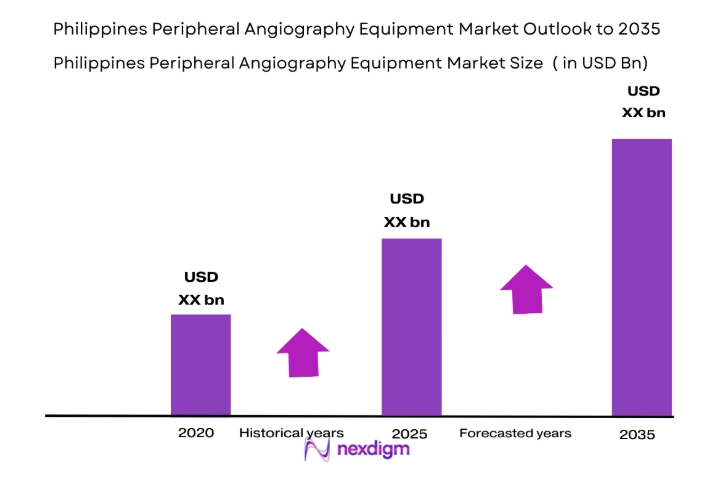
The Philippines Peripheral Angiography Equipment Market is expected to continue expanding significantly, with a market size estimated at USD ~ million based on a recent historical assessment. The market is driven by increasing incidences of cardiovascular diseases, a growing demand for advanced diagnostic tools, and the adoption of minimally invasive procedures in the healthcare sector. The country’s rising healthcare expenditure and government initiatives in improving healthcare infrastructure are major contributors to this growth. Furthermore, innovations in imaging technology, such as hybrid and portable angiography systems, are expected to accelerate the market’s development.
In terms of geographical dominance, Metro Manila stands as the central hub for the peripheral angiography equipment market. This is due to the concentration of leading healthcare facilities and diagnostic centers in the region, which drive the demand for cutting-edge medical technology. Additionally, the increasing awareness of healthcare among the population and growing access to specialized treatments further contribute to Metro Manila’s dominance. Other key areas showing growth include Cebu and Davao, driven by the expansion of regional healthcare services and infrastructure.
Market Segmentation
By Product Type:
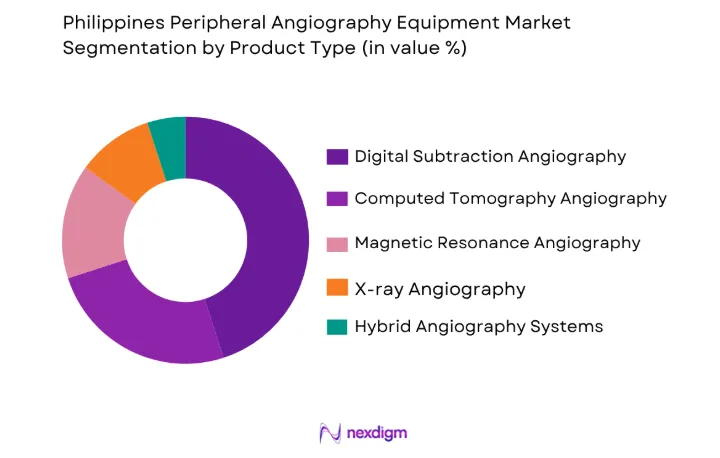
The market is segmented by product type into digital subtraction angiography (DSA), computed tomography angiography (CTA), magnetic resonance angiography (MRA), x-ray angiography, and hybrid angiography systems. Currently, digital subtraction angiography (DSA) leads the market due to its extensive use in peripheral vascular imaging, its high accuracy, and its ability to detect blockages and other vascular conditions with minimal patient discomfort. The widespread availability of DSA technology in major hospitals, the high preference for non-invasive diagnostic techniques, and its proven clinical efficacy all contribute to DSA’s dominant market position. The segment is expected to maintain its lead, owing to continued technological advancements that enhance its diagnostic capabilities, including higher image resolution and improved patient safety.
By Platform Type:
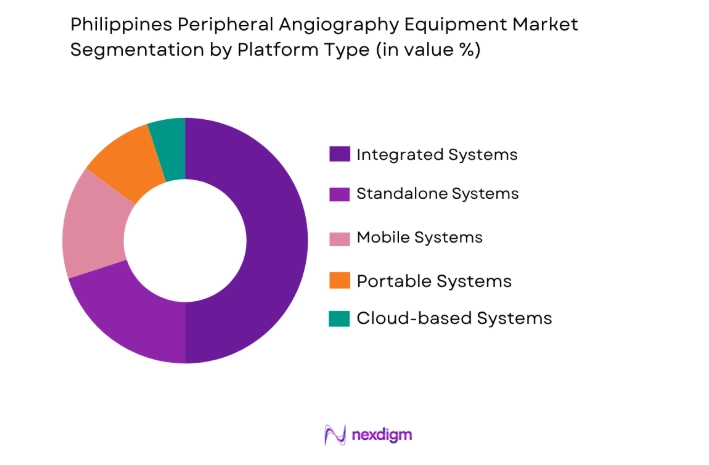
The market is segmented by platform type into standalone systems, integrated systems, mobile systems, portable systems, and cloud-based systems. Integrated systems dominate the market due to their ability to combine various imaging modalities in a single platform, offering hospitals and clinics enhanced diagnostic efficiency. These systems are particularly popular in large hospitals and specialized healthcare centers where multiple imaging procedures are required in a single session. The integration of technologies such as DSA, CTA, and MRI in one system has made integrated systems highly attractive due to cost savings, improved workflow, and better patient outcomes, further boosting their market dominance.
Competitive Landscape
The competitive landscape of the Philippines Peripheral Angiography Equipment Market is marked by a presence of global and regional players, with consolidation seen as companies seek to improve their market positioning and expand their technological portfolios. Major players in the market have focused on product innovation and strategic partnerships to offer advanced systems that meet the growing demand for high-quality diagnostic imaging. Key companies are investing in research and development to enhance imaging technologies, reduce procedure times, and improve patient outcomes. The influence of these major players is significant, shaping industry trends and driving competition based on product features, quality, and cost-efficiency.
| Company Name | Establishment Year | Headquarters | Technology Focus | Market Reach | Key Products | Revenue | Additional Parameter |
| Siemens Healthineers | 1847 | Germany | ~ | ~ | ~ | ~ | ~ |
| GE Healthcare | 1892 | USA | ~ | ~ | ~ | ~ | ~ |
| Philips Healthcare | 1891 | Netherlands | ~ | ~ | ~ | ~ | ~ |
| Medtronic | 1949 | Ireland | ~ | ~ | ~ | ~ | ~ |
| Canon Medical Systems | 1933 | Japan | ~ | ~ | ~ | ~ | ~ |
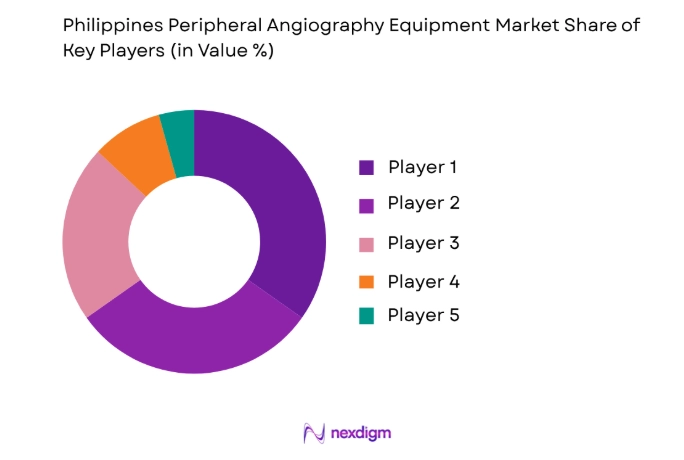
Philippines Peripheral Angiography Equipment Market Analysis
Growth Drivers
Technological Advancements in Imaging Systems:
The growth of the Philippines Peripheral Angiography Equipment Market is largely driven by continuous technological advancements in medical imaging systems. The development of hybrid angiography systems that integrate multiple imaging modalities, such as computed tomography and magnetic resonance, has revolutionized the diagnosis and treatment of vascular conditions. These systems provide more accurate and detailed images, enabling healthcare providers to offer better treatment plans for patients. The growing shift towards non-invasive procedures further accelerates the adoption of these advanced systems. Additionally, the introduction of artificial intelligence (AI) in imaging systems is improving diagnostic accuracy and reducing procedure times, which is a significant factor driving market growth. The adoption of these technologies in hospitals and diagnostic centers is expanding rapidly, as they not only enhance the quality of diagnosis but also improve overall patient care, making these systems indispensable in modern healthcare. As the healthcare sector continues to modernize, investments in high-tech diagnostic tools are expected to increase, further boosting demand for these advanced systems.
Rising Incidences of Cardiovascular Diseases:
The increasing prevalence of cardiovascular diseases (CVDs) is one of the key growth drivers for the Philippines Peripheral Angiography Equipment Market. As more individuals experience vascular health issues, there is a growing demand for diagnostic tools that can effectively detect and monitor these conditions. Peripheral angiography, which is widely used to diagnose peripheral artery disease (PAD) and other vascular disorders, plays a critical role in identifying blockages or other issues in blood vessels. The rise in CVD cases is partly attributed to the aging population, as well as lifestyle factors such as poor diet, smoking, and lack of physical activity. The Philippines is experiencing a demographic shift, with a growing elderly population who are at higher risk for cardiovascular diseases. This trend increases the demand for medical imaging technologies, including angiography systems, as they offer accurate, non-invasive diagnostic methods. As healthcare providers focus on improving early detection and treatment of vascular diseases, the demand for advanced peripheral angiography equipment is expected to surge.
Market Challenges
High Cost of Advanced Imaging Systems:
One of the major challenges facing the Philippines Peripheral Angiography Equipment Market is the high cost of advanced imaging systems. The initial purchase price of cutting-edge angiography systems, particularly those with hybrid functionalities or advanced AI capabilities, can be prohibitively expensive for many healthcare facilities. In a developing country like the Philippines, hospitals and diagnostic centers may struggle with the financial burden of investing in these high-end systems. While the long-term benefits of improved diagnostic accuracy and patient outcomes are evident, the upfront cost remains a significant barrier. Additionally, the maintenance, training, and operational costs associated with these sophisticated devices further increase the financial strain on healthcare providers. This challenge is particularly pronounced in smaller healthcare facilities or rural areas where budget constraints are more severe. To overcome this, the government and private sector must work together to facilitate more affordable access to these technologies, such as through subsidized pricing or financing options, to enable wider adoption across the country.
Regulatory Hurdles and Compliance Issues:
The regulatory environment in the Philippines presents another significant challenge for the peripheral angiography equipment market. The approval and certification processes for medical devices in the country can be lengthy and complicated, delaying the availability of new technologies in the market. Regulatory bodies require extensive documentation, clinical trial data, and compliance with international standards before a new device can be approved for use. This process can be time-consuming, resulting in delayed market entry for companies trying to introduce innovative angiography systems. Moreover, regulatory issues related to device maintenance, servicing, and upgrades can complicate the operational aspects of healthcare providers who wish to keep up with technological advancements. The complexity of navigating these regulatory hurdles, combined with the cost of ensuring compliance, adds additional pressure on companies in the market. Streamlining regulatory processes and fostering collaboration between device manufacturers and regulatory bodies could help alleviate these challenges.
Opportunities
Expansion of Healthcare Infrastructure:
The Philippines presents significant opportunities for market expansion due to the ongoing development of healthcare infrastructure. As the country’s healthcare system continues to grow, there is an increasing demand for advanced diagnostic equipment, including peripheral angiography systems. The government’s focus on improving healthcare access in underserved regions has spurred the construction of new hospitals, clinics, and diagnostic centers in both urban and rural areas. These facilities need to be equipped with state-of-the-art diagnostic tools to meet the growing healthcare needs of the population. Moreover, as more private healthcare providers enter the market, the demand for peripheral angiography equipment is likely to increase. This creates an opportunity for manufacturers to expand their product offerings and reach a wider audience by providing affordable, high-quality systems that meet the specific needs of the Philippines’ evolving healthcare infrastructure.
Government Initiatives and Health Programs:
The Philippine government has implemented various healthcare programs aimed at improving healthcare outcomes and addressing the rising burden of non-communicable diseases, including cardiovascular diseases. The government’s health initiatives, such as the Universal Health Care Act, focus on expanding access to medical care for all Filipinos, particularly in rural areas. As part of these initiatives, there is a significant push to enhance diagnostic and treatment capabilities in the healthcare system, which presents opportunities for the peripheral angiography equipment market. Government-funded programs may provide subsidies or financial assistance to hospitals and diagnostic centers, enabling them to invest in advanced imaging systems. Furthermore, collaborations between the public and private sectors can drive the adoption of these technologies, making them more affordable and accessible to healthcare providers across the country.
Future Outlook
The future outlook for the Philippines Peripheral Angiography Equipment Market is optimistic, driven by continued technological advancements, government initiatives, and a growing demand for high-quality healthcare. Over the next five years, the market is expected to witness steady growth, supported by increasing healthcare expenditure and the expansion of healthcare infrastructure, particularly in underserved regions. New technological developments, including AI-driven imaging solutions and hybrid systems, are anticipated to shape the market’s trajectory. The government’s support for expanding access to healthcare will also contribute to market growth, as more healthcare facilities upgrade their diagnostic capabilities. As awareness of vascular diseases grows, the demand for advanced diagnostic tools like peripheral angiography systems is expected to rise, making the market increasingly dynamic and competitive.
Major Players
- Siemens Healthineers
- GE Healthcare
- Philips Healthcare
- Medtronic
- Canon Medical Systems
- Toshiba Medical Systems
- Hologic
- Samsung Medison
- Fujifilm Healthcare
- Hitachi Medical Systems
- Neusoft Medical Systems
- Carestream Health
- Mindray Medical International
- Esaote
- Shimadzu Corporation
Key Target Audience
- Investments and venture capitalist firms
- Government and regulatory bodies
- Private healthcare providers
- Hospitals and healthcare facilities
- Diagnostic imaging centers
- Medical equipment distributors
- Healthcare technology developers
- Insurance companies
Research Methodology
Step 1: Identification of Key Variables
The key variables affecting the market, such as technological advancements, regulatory frameworks, and market demand drivers, are identified and analyzed.
Step 2: Market Analysis and Construction
An in-depth market analysis is conducted to segment the market and evaluate key growth factors, including product types, platform types, and geographical trends.
Step 3: Hypothesis Validation and Expert Consultation
Expert consultations are carried out to validate the findings, ensuring that the analysis is accurate and reflective of current industry dynamics.
Step 4: Research Synthesis and Final Output
The research findings are synthesized to create the final report, offering insights and forecasts based on the collected data.

- Executive Summary
- Research Methodology (Definitions, Scope, Industry Assumptions, Market Sizing Approach, Primary & Secondary Research Framework, Data Collection & Verification Protocol, Analytic Models & Forecast Methodology, Limitations & Research Validity Checks)

- Market Definition and Scope
- Value Chain & Stakeholder Ecosystem
- Regulatory / Certification Landscape
- Sector Dynamics Affecting Demand

- Growth Drivers
Rising Cardiovascular Diseases
Advancements in Medical Imaging Technologies
Government Healthcare Investments - Market Challenges
High Initial Cost of Equipment
Regulatory Barriers and Compliance Issues
Shortage of Skilled Professionals - Market Opportunities
Growing Elderly Population
Increase in Awareness for Early Diagnosis
Technological Advancements in Imaging Techniques - Trends
Adoption of Hybrid Imaging Systems
Growth of Mobile and Portable Devices
Increase in Demand for Non-invasive Diagnostic Tools - Government Regulations

- By Market Value, 2020-2025
- By Installed Units, 2020-2025
- By Average System Price, 2020-2025
- By System Complexity Tier, 2020-2025

- By System Type (In Value%)
Digital Subtraction Angiography (DSA)
Computed Tomography Angiography (CTA)
Magnetic Resonance Angiography (MRA)
X-Ray Angiography
Hybrid Angiography Systems - By Platform Type (In Value%)
Standalone Systems
Integrated Systems
Mobile Systems
Portable Systems
Cloud-based Systems - By Fitment Type (In Value%)
Fixed Systems
Modular Systems
Portable Systems
Hybrid Systems
Mobile Systems - By EndUser Segment (In Value%)
Hospitals
Diagnostic Centers
Ambulatory Surgical Centers
Clinics

- Market Share Analysis
- CrossComparison Parameters (Market Value, Installed Units, Average System Price, Growth Rate, Market Share)
- SWOT Analysis of Key Competitors
- Pricing & Procurement Analysis
- Porter’s Five Forces
- Key Players
Siemens Healthineers
GE Healthcare
Philips Healthcare
Canon Medical Systems
Medtronic
Hitachi Medical Systems
Fujifilm Healthcare
Koninklijke Philips N.V.
Hologic
Samsung Medison
Toshiba Medical Systems
Carestream Health
Neusoft Medical Systems
Esaote
Mindray Medical International

- Hospitals’ Rising Demand for Advanced Imaging Systems
- Expansion of Diagnostic Centers and Ambulatory Centers
- Shift Towards Minimally Invasive Surgeries
- Demand for Mobile Solutions in Rural Areas

- Forecast Market Value, 2026-2035
- Forecast Installed Units, 2026-2035
- Price Forecast by System Tier,, 2026-2035
- Future Demand by Platform 2026-2035


 Request a Sample
 Ask for Customization
 Get a Quote
 Enquire Now