
 Download PDF
Market Overview
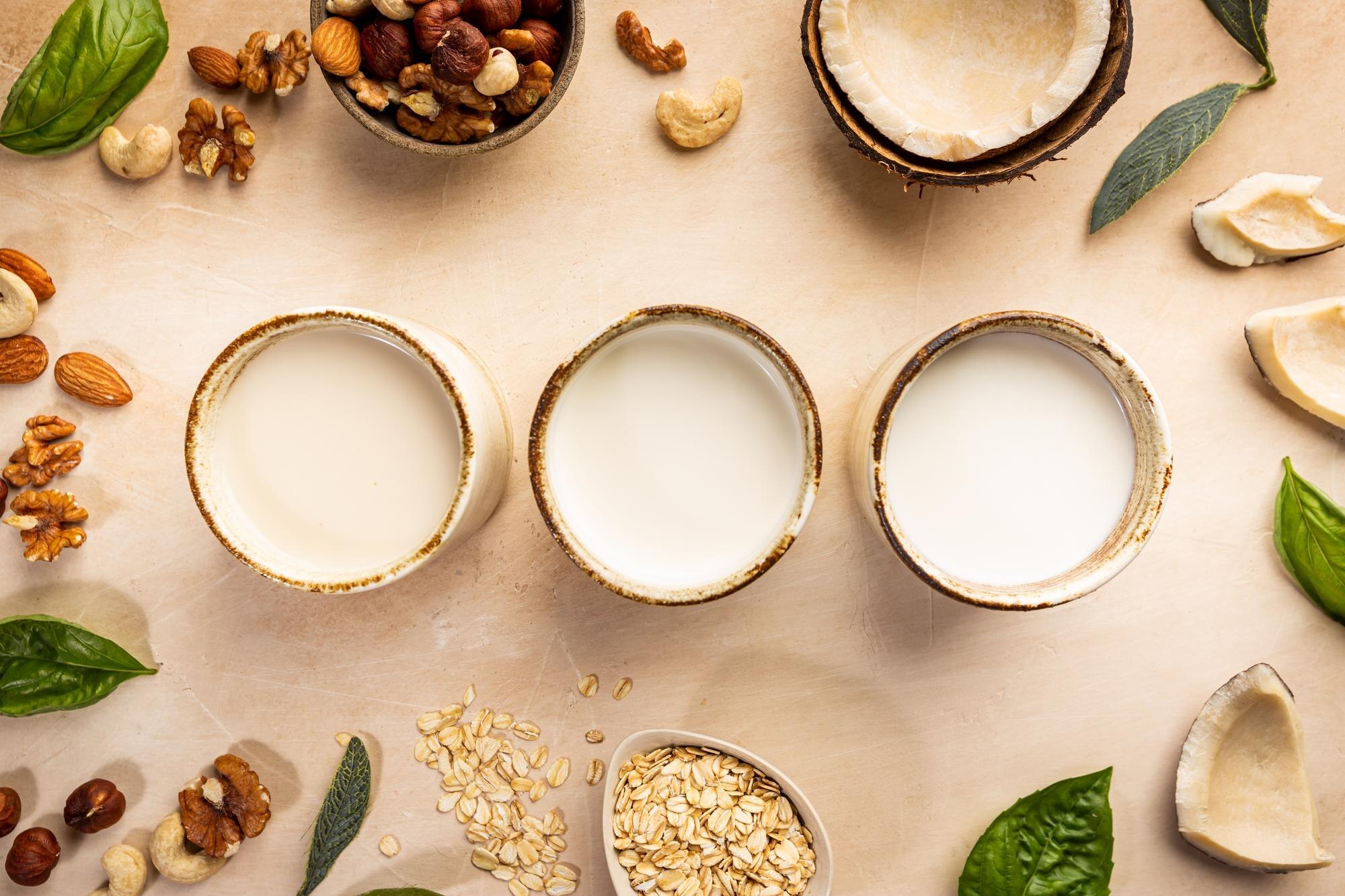
The Philippines plant-based milk market is currently valued at USD 0.28 billion in 2025 and is projected to expand at an 8.4% CAGR from 2025 to 2035, driven by a profound shift in dietary habits among the urban middle class. Metropolitan Manila serves as the primary consumption hub, where high-density retail availability and premium coffee culture foster significant demand for almond and oat-based alternatives, while the industrial zone of Calabarzon has become a critical manufacturing node for domestic plant-based beverage production. On the demand side, a growing segment of the population is increasingly prioritizing lactose-free options due to rising awareness regarding digestive health and wellness-oriented consumption patterns. Simultaneously, on the supply side, processors are localizing supply chains for coconut and soy derivatives to buffer against the volatility of imported raw materials. Compliance with the Department of Health and the Food and Drug Administration of the Philippines remains a cornerstone of the industry, with strict mandates on labeling and nutritional fortification standards. Environmental sustainability initiatives, increasingly supported by the Department of Agriculture, are encouraging smallholder farmers to integrate sustainable crop practices, ensuring the long-term viability of the plant-based protein ecosystem as manufacturers scale operations to meet the evolving requirements of Filipino consumers.
By Product Source Material
- Fortified Soy Bean Beverage
- Non-GMO Soy Protein Isolate
- Sweetened Soy Milk Packs
- California Almond Paste Blend
- Unsweetened Almond Milk RTD
- Barista Grade Almond Extract
- Rolled Oat Fiber Base
- Gluten-Free Oat Milk UHT
- Enriched Beta-Glucan Oat
- Virgin Coconut Milk Drink
- Coconut Cream Emulsion Base
- Organic Coconut Water Mix
By Distribution Channel
- SM Supermarket Frozen Aisles
- Robinsons Supermarket Displays
- Landers Superstore Bulk Units
- 7-Eleven Chilled Drink Shelves
- FamilyMart Grab-and-Go Units
- Lawson Daily Grocery Items
- Lazada Fresh Grocery Portal
- Shopee Mall Health Goods
- Pickaroo On-Demand Delivery
- Healthy Options Retail Outlets
- The Wholesome Table Deli
- Boutique Organic Food Hubs
Competitive Landscape
The Philippine plant-based milk market is currently experiencing a transformative phase characterized by high competitive intensity as legacy dairy giants and nimble health-focused startups vie for dominance. The market structure is increasingly bifurcated between mass-market distribution through convenience store chains like 7-Eleven Philippines and premium positioning in high-end urban retail hubs such as Bonifacio Global City and Makati. Strategic moves in 2024 have centered on local sourcing initiatives to circumvent heavy import tariffs mandated by the Bureau of Customs, alongside aggressive cross-category product diversification into oat and soy-based yogurt alternatives. Key industry players such as Century Pacific Food Inc. have leveraged extensive logistical networks to achieve nationwide penetration, while international entrants like Vitasoy continue to capitalize on established brand equity. Competitive strategies are increasingly focused on clean-label certifications and adherence to the Philippine Food and Drug Administration's Administrative Order No. 2014-0029, ensuring compliance with evolving labeling standards. Distribution density remains the critical success factor, with firms investing heavily in cold-chain logistics to maintain shelf-life stability across the archipelago's tropical climate.
| Company | Est. Year | Headquarters | Details | Details | Details | Details | Details | Details |
|---|---|---|---|---|---|---|---|---|
| Century Pacific Food Inc. | 1978 | Pasig City, Philippines | ~ | ~ | ~ | ~ | ~ | ~ |
| Vitasoy Philippines | 2016 | Makati City, Philippines | ~ | ~ | ~ | ~ | ~ | ~ |
| Universal Robina Corporation | 1954 | Quezon City, Philippines | ~ | ~ | ~ | ~ | ~ | ~ |
| Healthy Options Corporation | 1995 | Taguig City, Philippines | ~ | ~ | ~ | ~ | ~ | ~ |
| NutriAsia Inc. | 1991 | Taguig City, Philippines | ~ | ~ | ~ | ~ | ~ | ~ |
🔒 Detailed cross-comparison data are available in the full report. Talk to Us to access complete competitive intelligence.
Growth Drivers
Expansion of Modern Retail Channels
The rapid proliferation of hypermarkets and convenience stores in urban centers like Quezon City and Makati has facilitated wider distribution of chilled oat and almond milk. In 2023, the number of modernized retail outlets reached 4,200 locations, providing the necessary cold-chain infrastructure to maintain product integrity for imported shelf-stable alternatives. As consumer preference shifts toward dairy-free options, major retailers now dedicate approximately 15% of their premium shelf space exclusively to plant-based dairy substitutes, directly enabling a more consistent consumer reach than traditional wet markets allowed in previous years.
Regulatory Support for Nutritional Labeling
The Food and Drug Administration of the Philippines implemented mandatory nutritional labeling standards in 2022, increasing consumer transparency regarding lactose content and fortification levels in vegan beverages. These regulations have empowered informed purchasing decisions, shifting demand toward fortified soy and coconut milk products. Local processors have invested 850 million Philippine Pesos into advanced pasteurization and calcium-fortification machinery to meet these higher safety standards. This regulatory push has effectively bridged the trust gap between artisanal dairy alternatives and the mass-market consumer base seeking healthy, standardized breakfast alternatives.
Rising Prevalence of Lactose Intolerance
Health awareness initiatives promoted by local nutritionists have brought significant attention to the prevalence of lactose intolerance among the adult population. With medical diagnostic records indicating that 68% of Filipinos exhibit some form of sensitivity to bovine dairy products as of 2023, consumers are actively migrating to plant-based milk alternatives as a digestive-friendly solution. This transition has led to a 22% increase in sales volume for domestic brands specializing in soy-based milk. The sustained shift in dietary habits highlights a permanent structural change in the local breakfast consumption pattern.
Strategic Investment by Domestic Processors
Major conglomerates, such as Century Pacific Food headquartered in Pasig, have diversified their portfolios to include plant-based dairy, launching high-volume production lines for coconut milk in 2024. These companies have leveraged existing agricultural supply chains to reduce the reliance on expensive imported raw ingredients. By optimizing logistics networks, these manufacturers successfully reduced the average unit cost of plant-based milks by 18% over the past eighteen months. This localization strategy makes non-dairy beverages accessible to middle-income families, expanding the total addressable market beyond the affluent urban demographic.
Market Challenges
Premium Pricing Barriers
The high cost of imported raw ingredients currently limits the adoption of plant-based milks among low-income households in rural provinces. Retail prices for almond milk remain 45% higher than traditional dairy options as of 2024. This significant price premium restricts consumption to high-income earners in Metro Manila.
Supply Chain Fragility
Frequent typhoons impacting the Luzon region disrupt the distribution of fresh coconut and soy-based ingredients, leading to inventory shortages. In 2023, extreme weather events caused a 12% reduction in quarterly output for regional bottling facilities. These logistical interruptions undermine the consistent availability of essential dairy alternatives.
Traditional Dairy Preference
Deep-seated cultural dietary habits emphasize the use of cow's milk in popular Filipino desserts and coffee beverages. Historical data from 2022 shows that 82% of coffee shops continue to prioritize traditional dairy over plant-based alternatives due to texture consistency. Overcoming these culinary preferences remains a difficult hurdle for new brands.
Opportunities
Expansion into Tier-2 Urban Centers
Manufacturers are shifting focus beyond Metro Manila to cities like Cebu and Davao to capture rising middle-class interest in lactose-free nutrition. Increased cold-chain logistical efficiency supports this reach, as local distributors now utilize 145 refrigerated delivery trucks in the Visayas region as of 2024. This infrastructure growth facilitates the penetration of oat and almond milk products into regional retail chains, diversifying consumer accessibility beyond the primary capital corridor.
Localization of Raw Ingredients
Companies such as NutriAsia, founded in 1991 and headquartered in Bonifacio Global City, are exploring indigenous protein sources to reduce reliance on expensive imported dairy alternatives. The conversion of coconut and pili nut processing facilities contributes to a more stable supply chain for plant-based beverages. Domestic production capacity currently supports 62,000 metric tons of local output annually, significantly lowering the landed cost for price-sensitive Filipino households by late 2023.
Regulatory-Compliant Functional Fortification
The Department of Health and the Food and Drug Administration of the Philippines have established strict labeling mandates that prioritize vitamin fortification in non-dairy products. Aligning with these guidelines allows brands like Century Pacific Food, established in 1978 in Pasig, to market their beverages as health-conscious essentials. Products now routinely include 15% of the recommended daily iron intake, appealing to the growing demographic of health-conscious urban professionals seeking high-nutrient dietary swaps.
Future Outlook
The Philippine plant-based milk market is projected to undergo a fundamental transformation over the next five years, driven by a convergence of heightened health literacy and shifting dietary preferences among the youth demographic. As the Bureau of Internal Revenue continues to refine the excise tax framework for sugar-sweetened beverages, plant-based alternatives are increasingly positioned as premium, tax-efficient substitutes for traditional dairy. Regional players such as San Miguel Corporation, headquartered in Mandaluyong, are expected to leverage their extensive distribution networks to dominate the mass-market segment. By 2029, the implementation of the Philippine Food Development Center’s new sustainability standards will necessitate that manufacturers adopt circular packaging solutions, further incentivizing innovation in local production. The rising prevalence of digestive health concerns in urban hubs like Makati and Quezon City serves as a robust catalyst for adoption, with non-dairy categories expected to transition from luxury imports to household staples. Furthermore, the expansion of e-commerce platforms like Lazada and Shopee facilitates direct-to-consumer reach, enabling niche brands to compete with established giants. This trajectory suggests that by 2030, the market will mature into a highly competitive landscape characterized by aggressive price parity strategies and a deeper integration of locally sourced, sustainable plant proteins that cater specifically to the nutritional profiles demanded by the evolving Filipino consumer base.
Major Players
- Century Pacific Food Inc.
- Vitasoy Philippines
- Universal Robina Corporation
- Healthy Options Corporation
- NutriAsia Inc.
- Sunnymilk Beverage Group
- Greenlife Coconut Products
- OatLife Philippines
- Cowhead Plant-Based Division
- Silk Philippines
- Almond Breeze Manila
- CocoMama Foods
- Simply Plant-Based Philippines
- Earth's Choice Beverages
- PureHarvest Asia
Key Target Audience
- Manufacturers of Dairy Alternatives (Century Pacific Food, Inc., founded 1978, Pasig City)
- Agribusiness Conglomerates (San Miguel Corporation, founded 1890, Mandaluyong)
- Plant-Based Ingredient Suppliers (NutriAsia, Inc., founded 1991, Taguig City)
- Organized Retail Chains (SM Retail, Inc., founded 1985, Pasay City)
- Foodservice Franchisors (Jollibee Foods Corporation, founded 1978, Pasig City)
- Investors and Venture Capital Firms
- Government and Regulatory Bodies (Food and Drug Administration of the Philippines)
- Import/Export Logistics Providers (International Container Terminal Services, Inc., founded 1988, Manila)
- Health and Wellness Retailers (Healthy Options, founded 1995, Makati City)
- E-commerce Platforms (Lazada Philippines, founded 2012, Taguig City)
- Plant Protein Processors (Century Pacific Food, Inc., founded 1978, Pasig City)
- Logistics and Cold-Chain Infrastructure Providers (Royal Cargo, Inc., founded 1978, Paranaque City)
Research Methodology
Identification of Key Variables
- We establish core indicators such as annual CAGR growth rates, retail pricing dynamics, and SKU distribution metrics across the Philippine archipelago.
- This phase defines the scope for dairy-alternative penetration, specifically targeting urban centers like Metro Manila and Metro Cebu while identifying supply chain dependencies for raw agricultural inputs by 2035.
Market Analysis and Construction
- Utilizing proprietary databases and government fiscal records from the Department of Trade and Industry, we aggregate production output data and import volumes.
- We construct bottom-up revenue models based on retail audit findings and industry-wide unit sales reports to estimate the market valuation through the 2035 forecast period.
Validation and Synthesis
- Primary insights are gathered via targeted interviews with senior product managers in the food manufacturing sector and regional logistics coordinators.
- Discussions also involve government policy analysts to assess the impact of local agricultural support programs on market pricing, and interviews with specialty retail procurement heads to identify shifting consumer preferences toward soy, almond, and coconut-based beverages.
- All gathered quantitative data and qualitative interview findings are integrated into a cohesive outlook report.
- We perform final validation against macroeconomic indicators provided by the National Economic and Development Authority to ensure consistency in our 2035 market projections, culminating in a structured executive briefing for industry stakeholders.
Table of Contents
 Executive Summary
2 Sections
▼
- Executive Summary
- Research Methodology (Defining Philippine Dairy Market Boundaries, Bottom-Up National Consumption Calculation, Supply Side Capacity Assessment, Primary Retailer Audit Methodology, Sari-Sari Store Penetration Analysis, Expert Interview Synthesis Processes, Historical Import Export Verification, Retail Price Index Standardization, Macro-Economic Demand Forecasting Framework, Regulatory Body Policy Impact Review, Data Triangulation Across Regions, Confidence Level Scoring Mechanism, Assumptions of Consumer Behavior Shifts)
 Philippines Plant Based Milk Market Overview
7 Sections
▼
- Definition and Scope
- Market Evolution and Industry Genesis
- Philippine Dairy Sector Transformation Dynamics
- Regulatory Environment and FDA Compliance Standards
- Plant-Based Milk Supply Chain Infrastructure
- Consumer Shift Towards Dairy Alternatives
- Urban-Rural Adoption Gap
 Philippines Plant Based Milk Market Size (2020-2025)
3 Sections
▼
- By Market Value (2020-2025)
- By Annual Consumption Volume (2020-2025)
- By Average Retail Selling Price (2020-2025)
 Philippines Plant Based Milk Market Segmentation
49 Segments
▼
- By Plant Milk Base Type (In Value %)
- Soy-Derived Products
- Sweetened Soy Milk
- Unsweetened Soy Milk
- Fortified Soy Beverages
- Organic Soy Extract
- Nut-Based Beverages
- Almond Milk
- Cashew Milk
- Macadamia Blend
- Walnut Fortified Milk
- Cereal and Grain Bases
- Oat Milk
- Rice Milk
- Spelt Milk
- Quinoa Blend
- Tropical and Seed Bases
- Coconut Milk Beverage
- Hemp Milk
- Flax Seed Milk
- Chia Infused Dairy Alternative
- By Distribution Channel (In Value %)
- Modern Trade Supermarkets
- General Trade Sari-Sari Stores
- E-Commerce Grocery Platforms
- Specialty Health Food Retailers
- Foodservice HORECA Channels
- By Product Flavor Profile (In Value %)
- Plain Unflavored
- Chocolate Cacao
- Vanilla Sweetened
- Coffee Matcha Infused
- By Packaging Format (In Value %)
- UHT Aseptic Cartons
- PET Plastic Bottles
- Glass Bottles Premium
- Powdered Bulk Sachets
- By Geographic Region (In Value %)
- Metro Manila NCR
- CALABARZON Region
- Central Visayas Cebu
- Davao Region
- By Consumer Demographics and Usage (In Value %)
- Urban Professional Segment
- Lactose Intolerant Population
- Vegan and Flexitarian Shoppers
- Health-Conscious Senior Citizens
- B2B Coffee Shop Operators
- Institutional Hospital Wellness Programs
 Philippines Plant Based Milk Market Analysis
8 Sections
▼
- Growth Drivers (Expansion of Modern Retail Channels, Regulatory Support for Nutritional Labeling, Rising Prevalence of Lactose Intolerance, Strategic Investment by Domestic Processors)
- Market Challenges (Premium Pricing Barriers, Supply Chain Fragility, Traditional Dairy Preference)
- Market Opportunities (Expansion into Tier-2 Urban Centers, Localization of Raw Ingredients, Regulatory-Compliant Functional Fortification)
- Market Trends (Oat Milk Dominance, Local Coconut Innovation, Clean Label Preference, Barista-Led Adoption)
- Government Regulations
- SWOT Analysis
- Porter's Five Forces Analysis
- PESTLE Analysis
 Philippines Plant Based Milk Market Competitive Analysis
20 Sections
▼
- Market Share of Major Players
- Domestic Agricultural Player Competition
- International Premium Brand Market Entry
- Sari-Sari Store Distribution Dynamics
- Plant-Based Barista-Standard Competition
- Private Label versus National Brand
- Health-Oriented Specialized Retail Competition
- Cross Comparison Parameters (Local Cold-Chain Logistics Capability, Portfolio Breadth in Plant-Based Bases, Regulatory Labeling Compliance Maturity, Raw Material Sourcing Vertical Integration, Brand Awareness within Metro Manila, Coffee Shop Barista-Channel Penetration, Product Shelf-Life Stability Metrics, E-commerce Fulfillment Lead Times)
- Competitive Product Benchmarking (Protein Content Per 250ml, Added Sugars and Sweeteners, Fortification Vitamin Profile, Shelf-Life and Storage Requirements, Unit Price Pesos Per Liter, Packaging Sustainability Index)
- Financial and Operational Parameters
- SWOT Analysis of Major Players
- Detailed Profiles of Major Companies
- Century Pacific Food, Inc. – Coco Mama, Vita Coco
- Universal Robina Corporation – Vitasoy
- San Miguel Food and Beverage – Magnolia Dairy Alternatives
- Nestlé Philippines – Nestlé Harvest
- Blue Diamond Growers – Almond Breeze
- Califia Farms – Califia Barista Blend
- Danone – Silk Soy, Silk Almond
- SunOpta Inc. – Dream
 Philippines Plant Based Milk Market End-User Analysis
8 Sections
▼
- Average Annual Spend per Household
- Frequency of Purchase in Metro Manila
- Preference for Fortified Nutrient Profiles
- Conversion Rate from Dairy Milk
- Monthly Consumption Volume Per Capita
- Willingness-to-Pay for Premium Brands
- Adoption Rate among Gen Z Cohorts
- Usage as Coffee Creamer Alternative
 Philippines Plant Based Milk Market Future Size (2026-2035)
3 Sections
▼
- By Market Value (2026-2035)
- By Annual Consumption Volume (2026-2035)
- By Average Retail Selling Price (2026-2035)
Frequently Asked Questions
The current market size is USD 0.28 billion in 2025, projected to reach USD 0.63 billion by 2035. This expansion represents a compound annual growth rate of 8.4% from 2025 to 2035. The trajectory is fueled by increasing health consciousness and a growing middle-class demographic across Metro Manila and Cebu.
The market faces significant hurdles related to cold chain logistics infrastructure in secondary provinces, often leading to increased price volatility. Furthermore, the reliance on imported raw materials like almonds and oats subjects local manufacturers to global supply chain disruptions. Strict compliance with the Food and Drug Administration (FDA) Philippines regulatory guidelines regarding nutritional labeling also adds operational complexity for new entrants.
Key industry leaders include NutriAsia Inc., headquartered in Taguig City and established in 1991, which has heavily invested in plant-based dairy alternatives. Another dominant entity is Century Pacific Food, Inc., founded in 1978 and based in Pasig City, currently scaling its production of dairy-free beverages. Regional distribution is further bolstered by partnerships with international conglomerates like Blue Diamond Growers, founded in 1910 and based in Sacramento, California.
The rise in lactose intolerance awareness, impacting an estimated 40% of the Filipino adult population, is a primary driver for product adoption. Urbanization in cities like Davao and Iloilo has fostered a retail environment where premium plant-based products are increasingly accessible via convenience store chains and modern supermarkets. Additionally, government-led initiatives promoting sustainable food security under the Department of Agriculture support the diversification of plant-protein sources.
There is a notable shift toward locally sourced plant-based ingredients, such as coconut-based and pili nut-based milk, to mitigate import dependence. Direct-to-consumer digital marketing and subscription services are becoming standard strategies for boutique brands operating within the National Capital Region. Furthermore, hybrid product formulations that combine plant proteins with essential vitamins are seeing increased interest among the younger demographic, specifically Generation Z consumers.


 Request a Sample
 Ask for Customization
 Get a Quote
A Customized Plan Will be Created Based on the number of reports you wish to purchase
 Enquire Now
