

 Download PDF
 Download PDF
Market Overview
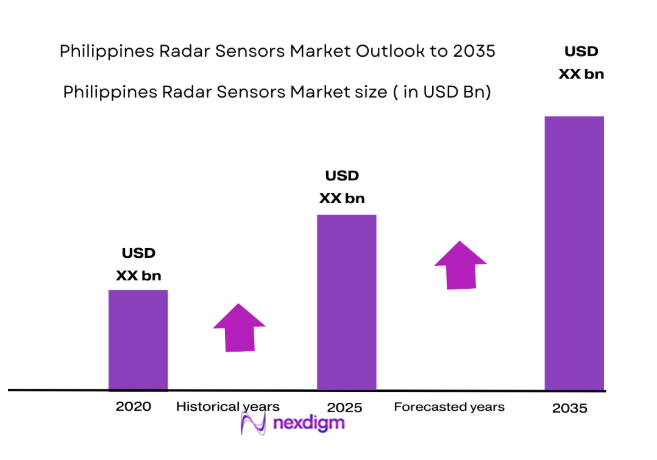
The Philippines radar sensors market is valued at approximately USD ~ billion, driven by increasing investments in automotive safety systems, defense infrastructure, and weather monitoring applications. The demand for radar sensors is fueled by technological advancements, such as higher resolution and longer-range capabilities, which are essential for applications ranging from autonomous vehicles to military surveillance systems. Based on a recent historical assessment, the market’s growth trajectory is propelled by both public and private sector investments in infrastructure development, defense technologies, and the adoption of smart technologies across key industries.
Metro Manila, Cebu, and Davao are dominant regions due to their rapid urbanization and growing automotive industries, fostering significant demand for advanced radar sensors. The Philippines’ strategic location within the ASEAN region also drives investments in defense and surveillance systems, which utilize radar technologies for security and monitoring purposes. Additionally, the country’s focus on modernizing infrastructure, including smart city projects, further accelerates the adoption of radar systems to enhance traffic management and disaster response efforts.
Market Segmentation
By Product Type
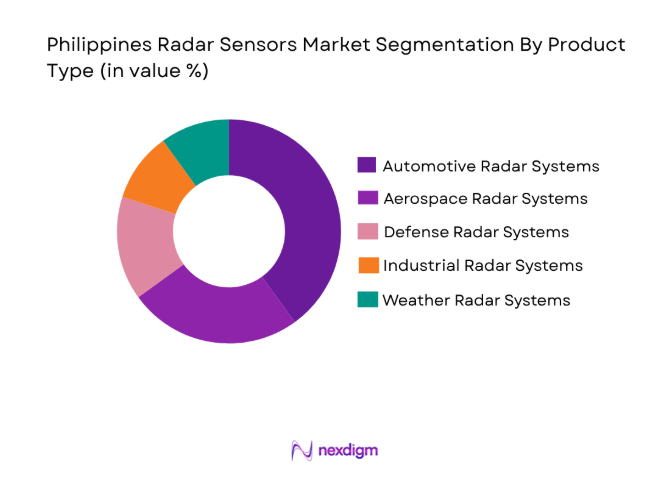
The radar sensors market in the Philippines is segmented by product type into various sub-segments. Recently, automotive radar systems have gained a dominant market share due to the increasing demand for safety features such as adaptive cruise control and collision avoidance in vehicles. These systems are highly sought after by both automotive manufacturers and consumers due to their crucial role in enhancing vehicle safety and driving experience. The rise of electric vehicles (EVs) and government initiatives to promote safer road infrastructure further drive the growth of automotive radar systems, making them the leading sub-segment in the market.
By Platform Type
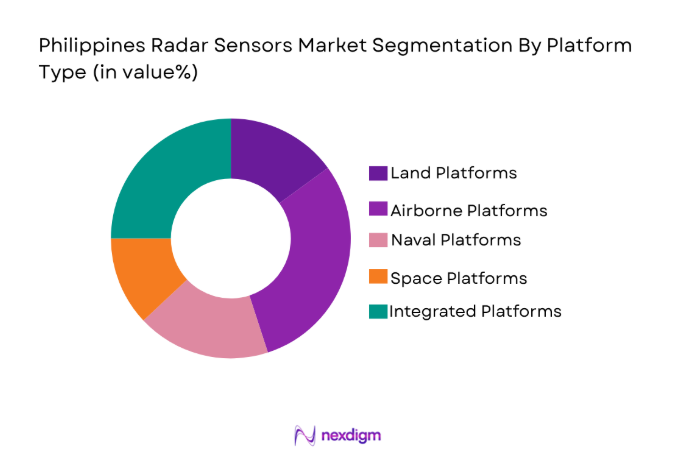
The market is segmented by platform type into land-based, airborne, naval, space, and integrated platforms. Among these, land-based platforms dominate the market share, primarily due to the increasing deployment of radar systems for surveillance, defense, and weather monitoring applications. The rise in infrastructure projects, particularly in urban areas and along the coastlines, has led to heightened demand for land-based radar systems for various uses, including traffic monitoring and disaster management. Their versatility and ability to cover large geographic areas have contributed to their market dominance.
Competitive Landscape
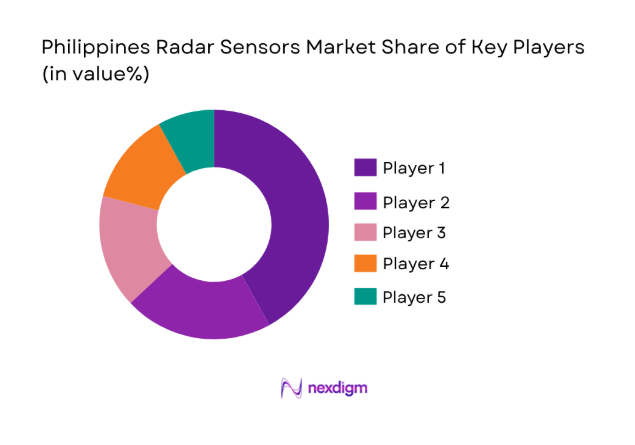
The competitive landscape of the Philippines radar sensors market is shaped by significant consolidation, with major players increasing their footprint to cater to diverse application needs. Companies are focusing on technological advancements such as the integration of AI and machine learning to enhance the functionality and accuracy of radar systems. These players are also forging strategic partnerships and joint ventures to expand their market presence and product offerings.
| Company Name | Establishment Year | Headquarters | Technology Focus | Market Reach | Key Products | Revenue | Additional Parameter |
| Raytheon | 1922 | USA | ~ | ~ | ~ | ~ | ~ |
| Thales Group | 2000 | France | ~ | ~ | ~ | ~ | ~ |
| Lockheed Martin | 1912 | USA | ~ | ~ | ~ | ~ | ~ |
| BAE Systems | 1999 | UK | ~ | ~ | ~ | ~ | ~ |
| Northrop Grumman | 1939 | USA | ~ | ~ | ~ | ~ | ~ |
Philippines Radar Sensors Market Analysis
Growth Drivers
Technological Advancements in Radar Systems
Technological advancements have significantly contributed to the growth of radar sensor systems in the Philippines, particularly in the automotive and defense sectors. As vehicle manufacturers increasingly incorporate advanced safety features like adaptive cruise control and collision avoidance, the demand for radar sensors has surged. These sensors are essential for ensuring the accuracy and efficiency of features that enhance vehicle safety, particularly as more consumers demand cutting-edge safety technologies in their vehicles. Additionally, the integration of artificial intelligence (AI) and machine learning into radar technologies has significantly enhanced the precision and reliability of these systems, making them more attractive to industries like defense, aviation, and meteorology. In defense applications, radar sensors are being used to monitor and track objects in real time, providing critical situational awareness for military and security forces. In aviation, radar systems are essential for air traffic control, ensuring safe and efficient flight operations. Furthermore, AI-enabled radar systems can automatically adjust and improve signal processing, allowing for real-time adaptation to changing environmental conditions and increasing the overall performance of radar systems. Government initiatives to promote safer roads, improve infrastructure, and strengthen national security have also driven investments in radar sensor systems. These innovations have not only improved performance but have also made radar sensors more cost-effective, further boosting their adoption across various sectors. As a result, radar sensors are increasingly becoming more accessible to small and medium enterprises (SMEs), broadening their application range beyond defense and into commercial sectors such as transportation, smart cities, and environmental monitoring.
Increased Government Focus on Defense and Infrastructure
The Philippines government’s strategic initiatives to enhance national security and improve public infrastructure have created a strong growth driver for the radar sensor market. The Philippines’ defense sector has witnessed significant investments in surveillance and radar technologies, with radar systems playing a crucial role in border control, maritime security, and disaster management. These technologies help secure the nation’s territorial waters, manage airspace, and protect critical infrastructure. Radar systems are now pivotal in the Philippines’ defense modernization program, where they are being integrated into naval and airborne platforms for advanced detection and tracking capabilities. The country’s geographic location and proximity to key international shipping routes have made the Philippines a critical player in regional security, further amplifying the demand for radar sensors. Additionally, the government has made significant strides in urban development and infrastructure projects, which has driven the demand for radar systems in monitoring traffic, weather patterns, and construction sites. As cities like Metro Manila expand and improve their infrastructure, the demand for radar systems to monitor air traffic, guide transportation networks, and manage natural disasters continues to increase, boosting the radar sensor market’s growth prospects. Radar systems are now essential tools for managing complex urban environments, from automated traffic management systems to disaster response systems that use radar to detect and predict natural events such as floods, earthquakes, and typhoons. The continuous urbanization and rising population also contribute to the growing need for radar systems in monitoring pollution levels, vehicle emissions, and waste management in smart city initiatives.
Market Challenges
High Initial Investment Costs
A major challenge in the Philippines radar sensor market is the high initial investment required for both the installation and maintenance of radar sensor systems. These systems often involve complex infrastructure, including integration with existing technology and the adaptation of advanced components such as sensors, controllers, and software. The costs involved in training personnel to operate and maintain these systems also contribute to the high initial investment, making it difficult for smaller businesses and municipalities to deploy radar solutions. The high upfront costs are particularly evident in sectors like defense, where advanced radar systems for surveillance, tracking, and communication require specialized equipment and expertise. This high investment requirement poses a barrier for local governments and small to medium-sized enterprises (SMEs) that are interested in implementing radar systems for traffic monitoring, weather forecasting, or environmental monitoring. While the long-term benefits of radar systems, such as improved security, increased efficiency, and enhanced safety, outweigh the initial investment, the challenge remains significant. Moreover, radar systems often require costly maintenance contracts, spare parts, and software upgrades, further discouraging potential adopters. These costs are compounded by the need for regular calibration and testing to ensure that the radar systems continue to perform at peak efficiency. In regions with limited budgets, the investment in such technologies can be seen as prohibitive, hindering the widespread adoption of radar systems across various industries.
Regulatory Compliance and Standardization Issues
Another key challenge for the radar sensor market in the Philippines is the lack of uniform regulatory standards and certification requirements for radar systems. While radar technology is crucial for sectors like defense, transportation, and meteorology, the absence of clear and consistent standards can lead to delays in market adoption. Radar system manufacturers must ensure their products meet various local and international regulations, which can vary by region or sector. For example, in defense, radar systems must meet stringent national security standards, while in the automotive sector, there are safety standards that govern the use of radar sensors in vehicles. These inconsistencies in regulatory compliance not only increase costs but also slow down the overall market expansion, as companies must navigate different regulations for deployment in defense and commercial applications. The regulatory landscape for radar systems is still evolving, and this lack of uniformity can cause confusion among manufacturers and end-users. For example, the guidelines for radar systems used in smart cities or for traffic monitoring may differ from those for military or aerospace applications. Additionally, the enforcement of existing regulations is often inconsistent, leading to further uncertainty in the market. This regulatory fragmentation not only hampers innovation but also stifles competition, as smaller companies may struggle to meet the complex compliance requirements necessary to enter the market.
Opportunities
Integration of Radar Sensors in Autonomous Vehicles
One of the most promising opportunities for the radar sensor market in the Philippines is the growing demand for autonomous vehicles (AVs). With the rise of electric vehicles (EVs) and the country’s push for cleaner energy, autonomous vehicles are expected to gain traction in the coming years. Radar sensors are essential for AVs, providing critical functionality such as object detection, collision avoidance, and adaptive cruise control. These sensors allow AVs to detect obstacles, pedestrians, and other vehicles in their surroundings, ensuring safer and more reliable operation in diverse traffic conditions. The Philippines’ growing urban population and traffic congestion make autonomous vehicles an attractive solution for improving mobility, reducing accidents, and lowering carbon emissions. Radar sensors play a crucial role in the success of AVs by enabling them to operate autonomously in complex and dynamic environments. As the country’s infrastructure adapts to accommodate AVs, radar sensor technologies will play a pivotal role in ensuring the safety and efficiency of these vehicles, making them a significant growth area for radar sensor manufacturers. Moreover, government policies and incentives promoting EV adoption will further drive the demand for radar systems in the automotive sector. The potential for autonomous vehicles to address traffic congestion, improve fuel efficiency, and reduce road accidents presents a significant opportunity for radar sensor manufacturers to capture a large portion of this emerging market.
Deployment of Radar Systems in Smart Cities
The continued expansion of smart cities in the Philippines presents a significant opportunity for radar sensor integration. As urban areas like Metro Manila invest in smart city technologies, radar sensors will play a vital role in managing traffic flow, monitoring public spaces, and enhancing disaster preparedness. Radar systems are capable of detecting and tracking various objects, making them ideal for smart city applications such as autonomous traffic management, smart parking systems, and weather forecasting. These systems can monitor traffic congestion in real-time, helping optimize traffic light timings and reduce accidents. Additionally, radar sensors are being integrated into smart infrastructure, enabling more efficient urban planning and management of resources such as electricity, water, and waste. As more cities in the Philippines adopt smart technologies to improve urban living conditions, the demand for radar sensors will continue to grow, creating a lucrative market for innovative solutions that enhance safety, efficiency, and sustainability. Furthermore, radar systems are instrumental in disaster management efforts, as they can detect and predict natural events such as floods, earthquakes, and typhoons, allowing authorities to issue early warnings and mitigate potential damage. The continued expansion of smart cities and the integration of radar technologies into urban infrastructure will further fuel the demand for radar sensors, positioning the market for long-term growth.
Future Outlook
The Philippines radar sensors market is expected to experience steady growth in the next five years, driven by technological innovations and increasing adoption of radar systems in diverse industries such as automotive, defense, and urban infrastructure. The rise of electric vehicles and autonomous driving technologies will further boost demand for advanced radar systems, while government investments in defense and public infrastructure will create additional opportunities for growth. Regulatory support for smart city initiatives and disaster management will also drive the integration of radar sensors into these sectors, paving the way for an expanded market. With continued advancements in radar technologies, the market is poised to meet the growing demands of urbanization and security, creating a favorable growth trajectory.
Major Players
- Raytheon
- Thales Group
- Lockheed Martin
- BAE Systems
- Northrop Grumman
- Saab Group
- Leonardo
- Honeywell
- L3 Technologies
- Harris Corporation
- General Dynamics
- Rheinmetall AG
- Elbit Systems
- MAXAR Technologies
- Mitsubishi Electric
Key Target Audience
- Investments and venture capitalist firms
- Government and regulatory bodies
- Automotive manufacturers
- Aerospace and defense contractors
- Industrial automation companies
- Infrastructure development agencies
- Technology solution providers
Research Methodology
Step 1: Identification of Key Variables
The first step involves identifying and defining key market variables such as market size, trends, and competitive forces.
Step 2: Market Analysis and Construction
This step analyzes the market by gathering data from primary and secondary sources, including industry reports, interviews, and market surveys.
Step 3: Hypothesis Validation and Expert Consultation
Experts are consulted to validate hypotheses and assumptions made during the market analysis phase, ensuring the accuracy of the findings.
Step 4: Research Synthesis and Final Output
Finally, the collected data is synthesized to generate a comprehensive report, providing actionable insights and strategic recommendations for stakeholders.

- Executive Summary
- Research Methodology (Definitions, Scope, Industry Assumptions, Market Sizing Approach, Primary & Secondary Research Framework, Data Collection & Verification Protocol, Analytic Models & Forecast Methodology, Limitations & Research Validity Checks)

- Market Definition and Scope
- Value Chain & Stakeholder Ecosystem
- Regulatory / Certification Landscape
- Sector Dynamics Affecting Demand
- Strategic Initiatives & Infrastructure Growth

- Growth Drivers
Increasing demand for automotive safety systems
Government investment in defense and aerospace
Technological advancements in radar technology - Market Challenges
High cost of radar sensor systems
Complex regulatory requirements in defense and aerospace
Technological integration challenges - Market Opportunities
Growth of electric vehicle (EV) market
Increasing investments in smart infrastructure
Demand for radar sensors in autonomous systems - Trends
Shift towards high-resolution radar systems
Rise in use of radar for smart cities - Government Regulations
Compliance with automotive safety standards
Defense sector regulatory policies
Environmental regulations for radar technology - SWOT Analysis
- Porter’s Five Forces

- By Market Value, 2020-2025
- By Installed Units, 2020-2025
- By Average System Price, 2020-2025
- By System Complexity Tier, 2020-2025

- By System Type (In Value%)
Automotive Radar Systems
Aerospace Radar Systems
Defense Radar Systems
Industrial Radar Systems
Weather Radar Systems - By Platform Type (In Value%)
Land-based Platforms
Airborne Platforms
Naval Platforms
Space Platforms
Integrated Platforms - By Fitment Type (In Value%)
OEM Solutions
Aftermarket Solutions
Embedded Solutions
Modular Solutions - By End User Segment (In Value%)
Automotive Manufacturers
Aerospace and Defense Contractors
Industrial Automation Companies

- Market Share Analysis
- Cross Comparison Parameters (System Type, Platform Type, Procurement Channel, EndUser Segment, Fitment Type, Temperature Control Capability, Automation Level)
- SWOT Analysis of Key Competitors
- Pricing & Procurement Analysis
- Key Players
Philippine Radar Systems
MaxiRadar Technologies
Raytheon Technologies
Thales Group
BAE Systems
Lockheed Martin
Northrop Grumman
Sierra Nevada Corporation
L3 Technologies
Harris Corporation
Saab Group
General Dynamics
Leonardo
Rheinmetall AG
Elbit Systems

- Automotive manufacturers’ increasing reliance on radar sensors for safety features
- Defense sector’s demand for radar in surveillance and security applications
- Growth of industrial automation with radar systems for quality control
- Government agencies adopting radar for weather forecasting and disaster management

- Forecast Market Value, 2026-2035
- Forecast Installed Units, 2026-2035
- Price Forecast by System Tier, 2026-2035
- Future Demand by Platform, 2026-2035


 Request a Sample
 Ask for Customization
 Get a Quote
 Enquire Now