
 Download PDF
Market Overview
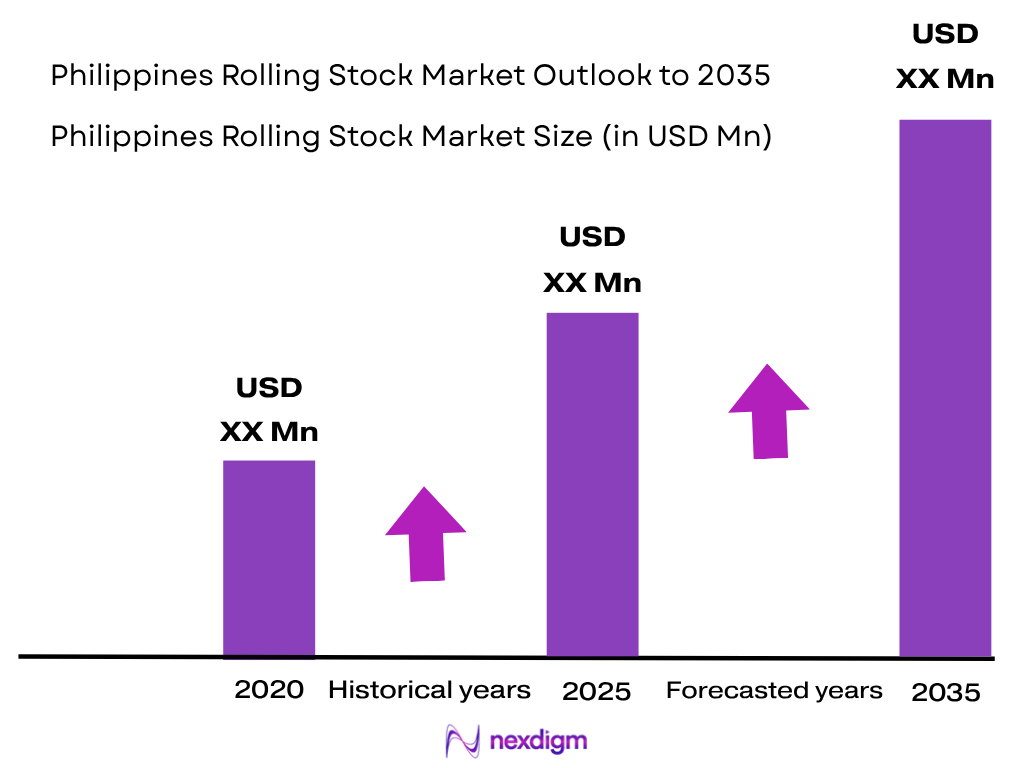
The Singapore rolling stock market is primarily driven by continuous MRT fleet renewal, network expansion, and reliability enhancement programs. The market size is estimated at ~USD XX billion in 2024, supported by replacement demand from aging fleets, new urban rail projects, and technology upgrades. Singapore’s rail network expansion strategy includes increasing the rail network length to approximately 360 km by the early 2030s, creating sustained demand for new trainsets, signaling-compatible rolling stock, and maintenance solutions. (Ministry of Transport) The replacement of first-generation MRT fleets with new-generation trains, including the deployment of 106 Alstom Movia R151 trains for the North-South and East-West Lines, represents a major contributor to market activity.
Singapore represents the complete national market for rolling stock due to its highly urbanized transport structure and dependence on mass rapid transit systems. The central Singapore metropolitan area dominates rolling stock demand because MRT and LRT systems serve as the backbone of daily mobility. The city-state operates extensive MRT infrastructure across multiple lines, including North-South Line, East-West Line, Circle Line, Downtown Line, Thomson-East Coast Line, and upcoming Jurong Region Line and Cross Island Line networks. (Land Transport Authority) The concentration of population, commercial districts, and transport demand within Singapore drives continuous requirements for passenger train procurement, fleet upgrades, and advanced railway technologies.
Market Segmentation
By Rolling Stock Type
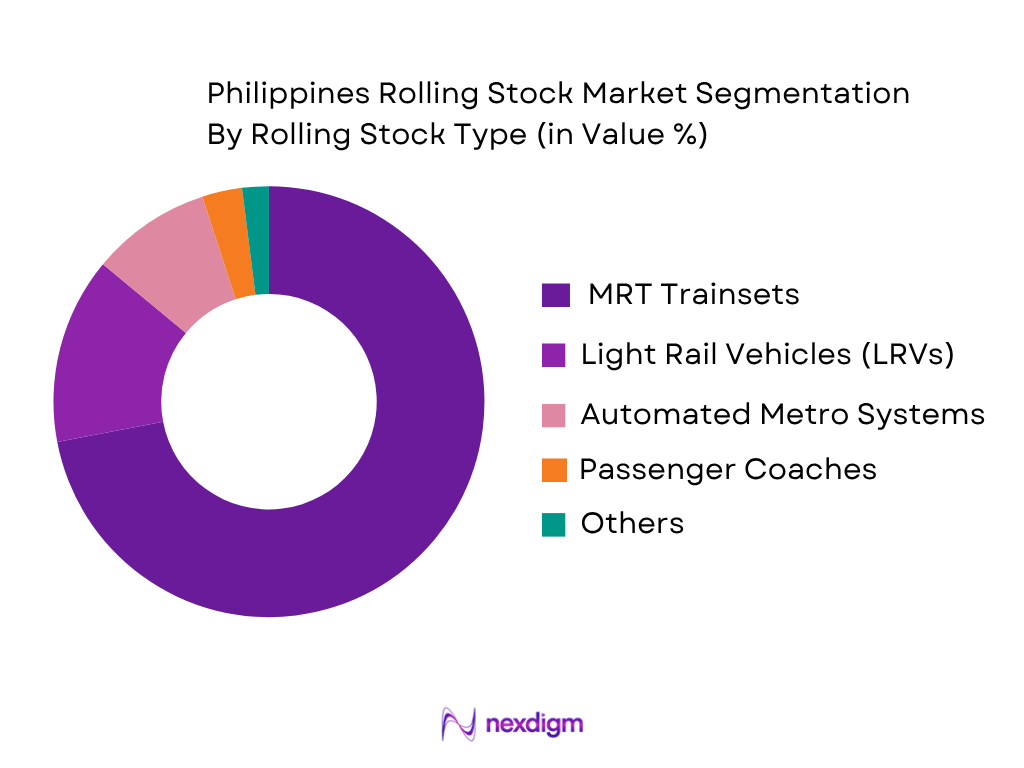
The Singapore rolling stock market is segmented by rolling stock type into MRT trainsets, light rail vehicles, automated metro systems, passenger coaches, and maintenance vehicles. MRT trainsets dominate the market due to Singapore’s heavy reliance on urban metro transportation and ongoing fleet renewal programs. The replacement of older North-South and East-West Line trains with new-generation rolling stock has created strong procurement demand. Singapore’s MRT fleet includes more than 500 MRT trains, demonstrating the scale of passenger rail operations. (SGTrains) Additionally, automated metro systems remain significant due to Singapore’s early adoption of driverless rail technology, particularly on the North East Line, Circle Line, Downtown Line, and Thomson-East Coast Line. Fleet modernization programs increasingly focus on reliability improvement, energy efficiency, and condition monitoring technologies.
By Propulsion Technology Analysis
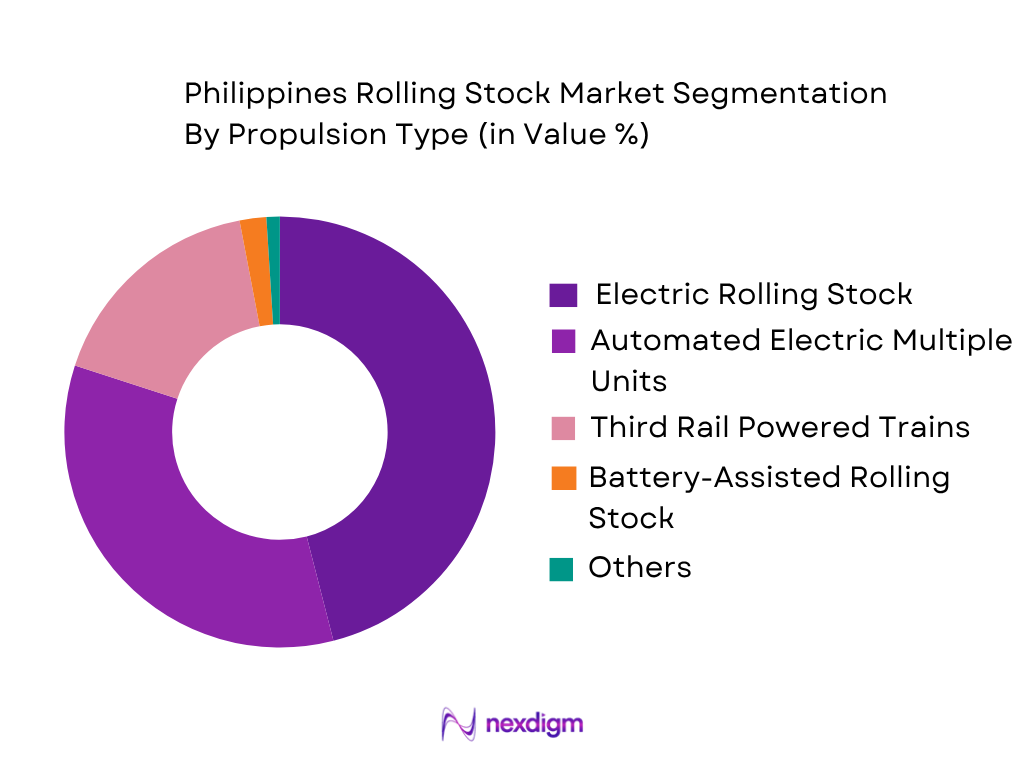
Electric rolling stock dominates Singapore’s propulsion segment due to the country’s fully electrified urban rail network. All major MRT and LRT systems operate using electric traction technology, enabling high-frequency operations within a densely populated urban environment. The adoption of automated electric multiple units has increased because Singapore prioritizes operational reliability, passenger capacity, and lower emissions from public transportation. The Land Transport Authority continues to upgrade existing fleets with improved energy efficiency systems and condition-monitoring technologies. (Ministry of Transport) Future demand is expected to focus on energy-efficient propulsion systems, regenerative braking technologies, and digitally integrated train systems rather than conventional diesel-based solutions.
Competitive Landscape
The Singapore rolling stock market is characterized by strong participation from global railway manufacturers due to limited domestic manufacturing capability. The competitive environment is shaped by international OEMs supplying MRT trainsets, signaling systems, and maintenance technologies through partnerships with government agencies and railway operators. Major suppliers compete based on technological capability, lifecycle support, automation expertise, and railway project execution experience. Singapore’s fleet renewal programs have involved manufacturers such as Alstom, Kawasaki Heavy Industries, CRRC Qingdao Sifang, Siemens Mobility, and Bombardier.
| Company | Establishment Year | Headquarters | Key Rolling Stock Capability | Singapore Market Presence | Technology Focus | Maintenance Capability | Major Projects |
| Alstom | 1928 | France | ~ | ~ | ~ | ~ | ~ |
| CRRC Corporation | 2007 | China | ~ | ~ | ~ | ~ | ~ |
| Siemens Mobility | 2018 | Germany | ~ | ~ | ~ | ~ | ~ |
| Kawasaki Heavy Industries | 1896 | Japan | ~ | ~ | ~ | ~ | ~ |
| Hitachi Rail | 2015 | Japan | ~ | ~ | ~ | ~ | ~ |
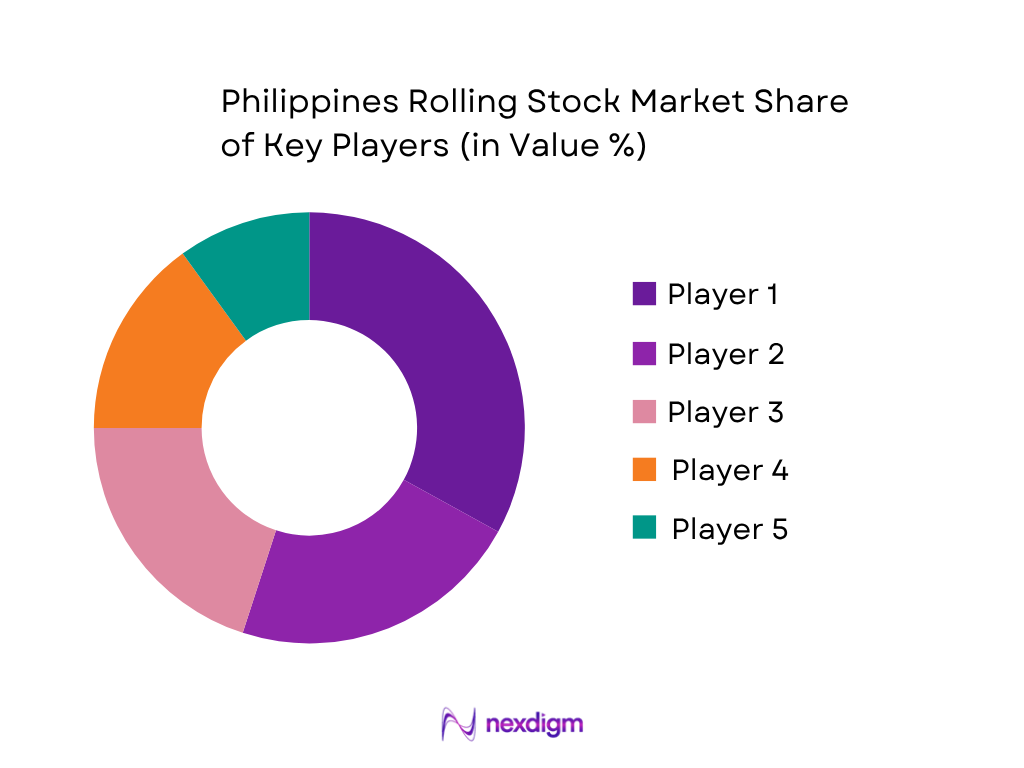
Philippines Rolling Stock Market Analysis
Growth Drivers
Fleet Modernization Programs
Fleet modernization programs are a major growth driver for the Philippines rolling stock market as existing railway assets require replacement and upgrading to improve reliability, passenger capacity, and operational efficiency. The Philippine railway system has historically operated with aging fleets, creating demand for new electric multiple units, commuter trains, and maintenance vehicles. The Department of Transportation has prioritized railway rehabilitation and fleet renewal under national transport infrastructure programs. The Philippine National Railways (PNR) modernization initiatives include replacement of older diesel-powered trains with modern electric trainsets under new commuter railway projects. The North-South Commuter Railway (NSCR) project alone involves the deployment of 37 eight-car electric multiple unit trainsets, increasing demand for advanced rolling stock technologies. The country’s population reached approximately 117 million people in 2024, increasing pressure on public transport capacity and supporting investment in higher-capacity railway systems. Urban mobility requirements, passenger safety improvements, and operational reliability targets continue to encourage government agencies and operators to procure modern rolling stock equipped with energy-efficient propulsion, automated systems, and improved passenger amenities.
Metro Manila Railway Expansion
Metro Manila railway expansion is accelerating rolling stock demand due to increasing urban transportation requirements and congestion challenges. The National Capital Region accommodates more than 13 million residents, creating significant daily commuting demand and requiring higher-capacity mass transit solutions. Major projects including the Metro Manila Subway, MRT-4, and MRT-7 are expected to introduce additional electric train fleets and modern railway technologies. The Metro Manila Subway project includes approximately 25 trainsets, each consisting of eight cars, designed to provide high-capacity underground transportation. The government’s infrastructure development strategy has focused on increasing rail connectivity to reduce dependence on road transportation. The Philippines economy recorded GDP growth of around 5.6 trillion Philippine pesos in 2024, supporting continued public infrastructure investments. Expansion of urban rail networks requires new rolling stock procurement, signaling integration, maintenance systems, and passenger information technologies. Growing commuter demand and government commitment toward mass transit development are expected to strengthen rolling stock requirements across metropolitan railway systems.
Market Challenges
High Dependence on Imported Rolling Stock
The Philippines rolling stock market faces challenges due to significant dependence on imported railway vehicles, components, and technology systems. The country has limited domestic manufacturing capability for complete trainsets, propulsion systems, bogies, and advanced railway electronics. Most major rolling stock requirements are fulfilled through international suppliers from Japan, China, South Korea, and Europe. The Philippines imported machinery and transport equipment worth billions of US dollars annually, reflecting dependence on foreign industrial technology. Railway projects such as the North-South Commuter Railway and Metro Manila Subway rely on international contractors and rolling stock manufacturers for train supply and technical support. This dependency increases exposure to foreign exchange fluctuations, international supply chain disruptions, and longer procurement timelines. Additionally, limited domestic production capacity restricts opportunities for localized manufacturing and technology transfer. Developing local railway component capabilities remains challenging due to limited industrial infrastructure, specialized engineering requirements, and the need for significant technical expertise.
Railway Infrastructure Compatibility Issues
Infrastructure compatibility remains a major challenge for rolling stock deployment in the Philippines due to variations in existing railway systems, track conditions, signaling standards, and electrification requirements. Different railway networks operate with different technical specifications, requiring manufacturers to customize rolling stock designs according to operational requirements. The country’s existing railway infrastructure has historically experienced limitations related to track capacity, signaling modernization, and maintenance standards. The Philippine railway network requires extensive upgrades to support new-generation electric rolling stock and higher operating frequencies. The World Bank reported that transport infrastructure development remains essential for improving connectivity and economic productivity in developing economies, including the Philippines. Integration challenges become more complex when introducing automated systems, advanced signaling technologies, and high-capacity trains. Compatibility issues can increase project complexity, extend implementation periods, and require additional investments in infrastructure upgrades before new rolling stock can achieve optimal performance.
Market Opportunities
North-South Commuter Railway Expansion
The North-South Commuter Railway expansion represents a significant opportunity for rolling stock suppliers due to large-scale passenger rail development requirements. The project is designed to connect major urban centers between Clark in Central Luzon and Calamba in Laguna, creating demand for modern electric commuter trains. The NSCR project includes approximately 147 kilometers of railway alignment and requires new electric multiple units, maintenance facilities, and railway technology systems. The expansion supports increasing commuter mobility demand as the Philippines continues to experience urbanization, with the urban population exceeding 50 million people in 2024. Development of additional commuter railway capacity creates opportunities for rolling stock manufacturers specializing in electric trains, automated systems, and lifecycle maintenance services. The project also supports technology transfer opportunities through partnerships between international suppliers and domestic railway stakeholders. Increasing passenger rail connectivity will create long-term demand for fleet expansion, replacement vehicles, and railway modernization solutions.
Smart Railway Technologies and Predictive Maintenance Solutions
Smart railway technologies and predictive maintenance solutions provide significant opportunities for improving operational efficiency within the Philippines rolling stock market. Railway operators are increasingly adopting digital monitoring systems, artificial intelligence-based diagnostics, and condition-based maintenance solutions to improve fleet reliability. The integration of Internet of Things sensors, real-time monitoring platforms, and automated inspection technologies enables operators to identify equipment failures before service disruptions occur. The Philippines’ digital economy continues expanding, supported by increasing broadband connectivity and technology adoption across infrastructure sectors. Modern rolling stock procurement programs increasingly emphasize digital capabilities, including remote diagnostics, automated fault detection, and energy management systems. Predictive maintenance solutions can reduce downtime, improve asset utilization, and extend train lifecycle performance. As new railway projects such as Metro Manila Subway and NSCR introduce advanced train fleets, demand for smart maintenance technologies, railway software platforms, and digital asset management solutions is expected to increase.
Future Outlook
The Singapore rolling stock market is expected to experience sustained development driven by MRT network expansion, replacement of aging fleets, and adoption of smart railway technologies. Future demand will focus on automated metro systems, predictive maintenance solutions, energy-efficient trains, and digital railway platforms. The government’s long-term transport strategy aims to strengthen rail connectivity and increase accessibility through new MRT lines and capacity improvements.
Major Players
- Alstom
- CRRC Corporation
- Siemens Mobility
- Kawasaki Heavy Industries
- Hitachi Rail
- Bombardier Transportation
- Hyundai Rotem
- Mitsubishi Heavy Industries
- Stadler Rail
- CAF
- Toshiba Infrastructure Systems
- Thales Rail Signalling
- Knorr-Bremse Rail Systems
- Wabtec Corporation
- Talgo
Key Target Audience
- Rolling Stock Manufacturers and Railway OEMs
- Railway Operators (SMRT Trains, SBS Transit)
- Government and Regulatory Bodies (Land Transport Authority, Ministry of Transport Singapore)
- Infrastructure Development Companies
- Railway Technology and Signaling Solution Providers
- Maintenance, Repair and Overhaul (MRO) Service Providers
- Investments and Venture Capitalist Firms (Infrastructure Funds, Transportation Technology Investors)
- Component Manufacturers (Traction Systems, Bogies, Signaling Equipment, Railway Electronics)
Research Methodology
Step 1: Identification of Key Variables
The initial phase involves developing a comprehensive ecosystem map of the Singapore rolling stock market covering railway operators, government authorities, rolling stock manufacturers, technology suppliers, and maintenance providers. Secondary research is conducted to identify fleet composition, railway infrastructure development, procurement programs, and technology adoption trends influencing market dynamics.
Step 2: Market Analysis and Construction
This stage involves analyzing historical railway procurement activities, fleet replacement programs, passenger transportation requirements, and infrastructure expansion initiatives. Market assessment includes evaluation of rolling stock deployment, railway project pipelines, technology integration, and demand from MRT and LRT systems.
Step 3: Hypothesis Validation and Expert Consultation
Market assumptions are validated through discussions with railway industry stakeholders, including rolling stock suppliers, railway operators, maintenance providers, and transportation specialists. These consultations provide operational insights regarding procurement trends, technology preferences, lifecycle management, and future fleet requirements.
Step 4: Research Synthesis and Final Output
The final stage combines primary and secondary findings to develop a validated assessment of the Singapore rolling stock market. Data from railway authorities, operators, manufacturers, and infrastructure programs is integrated to provide strategic insights into market opportunities, competitive positioning, and future developments.

- Executive Summary
- Research Methodology (Market Definition and Scope, Rolling Stock Classification Framework, Market Sizing Approach, Top-Down Assessment, Bottom-Up Validation, Railway Infrastructure Assessment, Demand-Side Analysis, Supply-Side Analysis, Primary Stakeholder Interviews, Government Data Analysis, Data Triangulation, Forecasting Methodology, Research Limitations)

- Definition and Scope
- Evolution of Philippine Railway Transportation System
- Historical Development of Railway Infrastructure
- Major Railway Modernization Milestones
- Philippines Railway Ecosystem Analysis
- Rolling Stock Value Chain Analysis

- Growth Drivers (Fleet Modernization Programs, Metro Manila Railway Expansion, North-South Commuter Railway Development, Urban Population Mobility Demand, Railway Electrification Initiatives, Freight Transportation Development)
- Market Challenges (High Dependence on Imported Rolling Stock, Limited Domestic Rolling Stock Manufacturing Capability, Railway Infrastructure Compatibility Issues, Long Procurement Processes, High Maintenance Requirements, Skilled Railway Workforce Availability)
- Market Opportunities (North-South Commuter Railway Expansion, Metro Rail Network Development, Electric Rolling Stock Adoption, Smart Railway Technologies, Predictive Maintenance Solutions, Freight Rail Automation)
- Market Trends (Driverless Metro Technology Adoption, Railway Digitalization, Energy-Efficient Train Deployment, Modern Signaling System Integration, Sustainable Railway Transportation, Rolling Stock Fleet Upgradation)
- Government Regulations and Industry Standards (Department of Transportation Railway Policies, Philippine Railway Safety Standards, Environmental Compliance Requirements, Public Procurement Regulations, Railway Infrastructure Development Framework)
- SWOT Analysis
- Porter’s Five Forces Analysis
- PESTLE Analysis

- By Market Value (2020-2025)
- By Rolling Stock Units (2020-2025)
- By Fleet Addition Demand (2020-2025)
- By Replacement Demand (2020-2025)
- By Railway Project Pipeline Demand (2020-2025)

- By Rolling Stock Type (In Value %)
Passenger Coaches
Electric Multiple Units (EMUs)
Diesel Multiple Units (DMUs)
Metro Trainsets
Light Rail Vehicles (LRVs)
Locomotives
Freight Wagons
High-Speed Rail Rolling Stock
Maintenance and Service Vehicles - By Propulsion Type (In Value %)
Electric Rolling Stock
Diesel-Electric Rolling Stock
Diesel Hydraulic Rolling Stock
Battery Electric Rolling Stock
Hybrid Rolling Stock
Hydrogen Fuel Cell Rolling Stock - By Railway Application (In Value %)
Urban Metro Transportation
Commuter Rail Services
Intercity Passenger Rail
Freight Railway Operations
Airport Railway Connectivity - By Railway Project Type (In Value %)
New Railway Construction Projects
Railway Expansion Projects
Fleet Replacement Programs
Railway Modernization Projects
Railway Rehabilitation Projects - By Ownership and Operator Type (In Value %)
Government-Owned Railway Systems
Public Transportation Operators
Private Railway Operators
Public-Private Partnership Railway Projects

- Market Share Analysis of Major Players (By Rolling Stock Supply, Railway Projects, Train Type, Technology Capability, Maintenance Contracts)
- Cross Comparison Parameters (Rolling Stock Portfolio Breadth, Metro Train Manufacturing Capability, Electric Train Technology Capability, Railway Project Execution Experience, Signaling Integration Capability, Maintenance and After-Sales Network, Localization Capability, Digital Railway Technology Solutions)
- SWOT Analysis of Major Players
- Detailed Profiles of Major Companies
Global Rolling Stock Manufacturers
Alstom
Siemens Mobility
CRRC Corporation
Hitachi Rail
Hyundai Rotem
Kawasaki Heavy Industries
Stadler Rail
CAF
Talgo
Škoda Transportation
Railway Operators and Local Stakeholders
Philippine National Railways
Light Rail Transit Authority
Metro Rail Transit Corporation
Department of Transportation Philippines
Mitsubishi Heavy Industries

- Railway Passenger Demand Assessment
- Passenger Demographic Analysis
- Public Transportation Usage Analysis
- Railway Service Preference Assessment
- Passenger Experience Analysis
- Freight Rail Demand Analysis
- Railway Operator Requirements Analysis

- By Market Value (2026-2035)
- By Rolling Stock Units (2026-2035)
- By Fleet Addition Demand (2026-2035)
- By Replacement Demand (2026-2035)
- By Railway Project Pipeline Demand (2026-2035)


 Request a Sample
 Ask for Customization
 Get a Quote
 Enquire Now