
 Download PDF
Market Overview
The Philippines seafood market is currently valued at USD 6.42 billion in 2025 and is projected to expand at a 5.8% CAGR through 2035, driven by robust domestic consumption and an export-oriented aquaculture sector. Key industrial hubs include Zamboanga City, which serves as the primary sardine processing capital, and General Santos City, globally recognized for its high-capacity tuna landing centers and advanced cold-chain logistics facilities. Demand-side trends are increasingly characterized by a shift toward value-added, pre-processed convenience products among the burgeoning middle class in Metro Manila, while supply-side strategies are focusing on the modernization of aquaculture infrastructure to mitigate the impact of fluctuating wild-catch yields. The market is under rigorous oversight by the Bureau of Fisheries and Aquatic Resources, which enforces the Philippine Fisheries Code to manage sustainable exploitation levels and curb illegal, unreported, and unregulated fishing activities. Furthermore, the industry is transitioning toward eco-certified production methods to satisfy stringent international quality mandates, particularly for exports destined for the European Union market, ensuring that small-scale artisanal fishers and large-scale industrial operations alike align with long-term climate-resilient maritime regulations to sustain food security and economic stability across the archipelago.
By Product Category
- Milkfish Bangus aquaculture
- Yellowfin Tuna exports
- Tilapia pond harvests
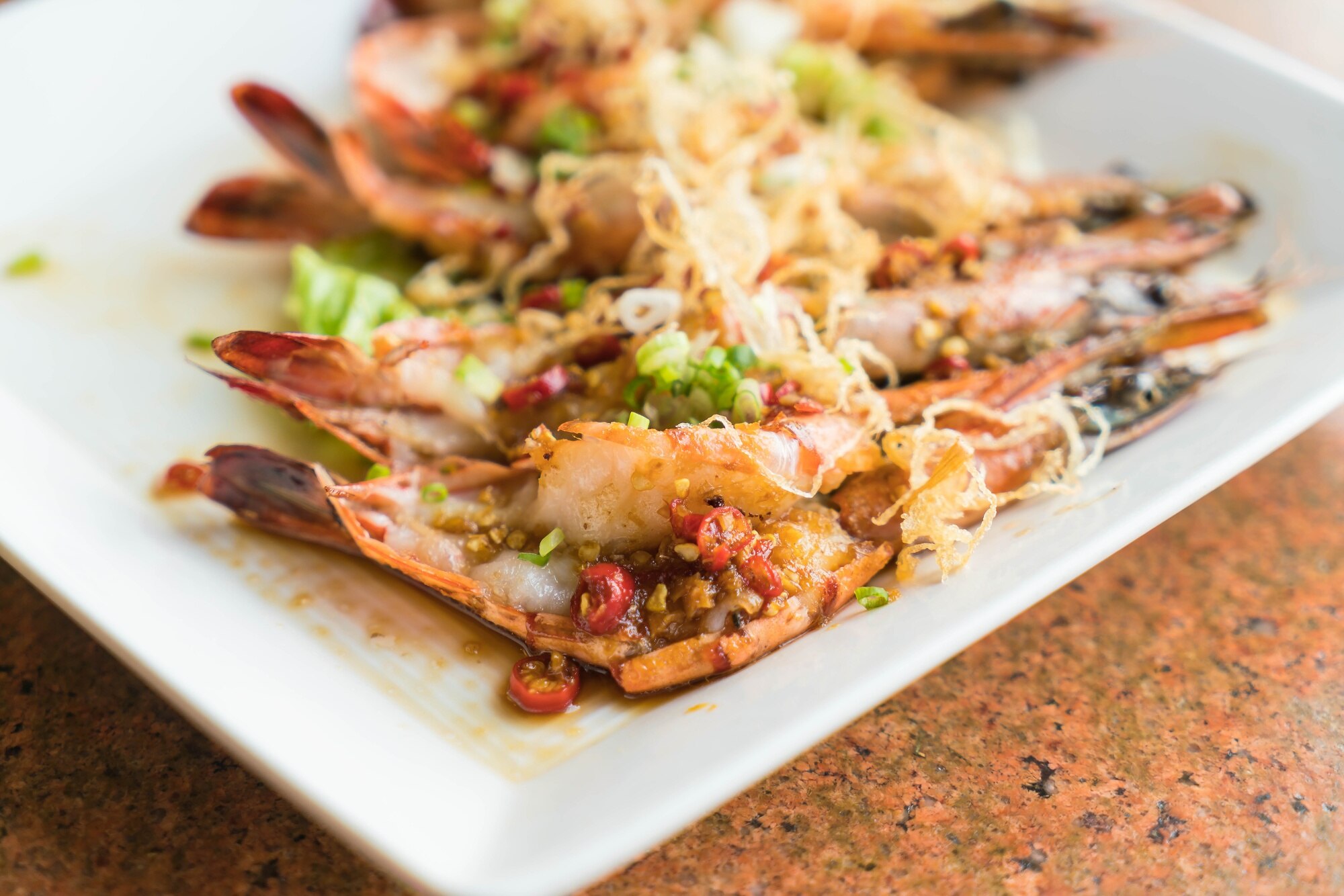
- Black Tiger Prawns
- Giant Freshwater Prawns
- Mud Crab farming
- Green Mussels harvest
- Pacific Oysters culture
- Scallop seabed farming
- Common Squid harvest
- Cuttlefish jigging fleets
- Octopus trawling operations
By Distribution Channel
- Public market stalls
- Bangka boat landings
- Community seafood trading
- SM Supermarket seafood
- Landers Superstore aisles
- Robinsons Supermarket counters
- High-end resort hotels
- Seafood chain restaurants
- Catering supply chains
- International frozen shipments
- Wholesale broker networks
- Direct-to-cannery logistics
Competitive Landscape
The Philippines seafood market is characterized by a highly fragmented landscape, dominated by a mix of traditional artisanal fishing cooperatives and large-scale industrial aquaculture conglomerates. Competition is driven by cold chain infrastructure efficiency and direct access to major consumption hubs in Metro Manila and Cebu. Regulatory oversight by the Bureau of Fisheries and Aquatic Resources (BFAR) under the Fisheries Code of 1998, as amended by Republic Act 10654, has significantly increased compliance costs, favoring players with vertically integrated operations and international quality certifications. Leading firms such as Bounty Fresh Food and Century Pacific Food have pivoted towards value-added frozen and canned segments to bypass volatility in fresh wet-market pricing. Strategic consolidation is ongoing as companies invest in proprietary logistics fleets to mitigate post-harvest losses, which historically account for 25% of annual catch volume. Market leaders are increasingly adopting blockchain-based traceability to meet the export standards of the European Union, while smaller regional players focus on high-margin local supply chains for the domestic hospitality sector.
| Company | Est. Year | Headquarters | Details | Details | Details | Details | Details | Details |
|---|---|---|---|---|---|---|---|---|
| Century Pacific Food | 1978 | Pasig, Philippines | ~ | ~ | ~ | ~ | ~ | ~ |
| Bounty Fresh Food | 1986 | Quezon City, Philippines | ~ | ~ | ~ | ~ | ~ | ~ |
| San Miguel Foods | 1967 | Mandaluyong, Philippines | ~ | ~ | ~ | ~ | ~ | ~ |
| Mega Global Corp | 1975 | Valenzuela, Philippines | ~ | ~ | ~ | ~ | ~ | ~ |
| Frabelle Fishing Corp | 1966 | Navotas, Philippines | ~ | ~ | ~ | ~ | ~ | ~ |
🔒 Detailed cross-comparison data are available in the full report. Talk to Us to access complete competitive intelligence.
Growth Drivers
Expansion of Aquaculture Infrastructure
The Philippines Bureau of Fisheries and Aquatic Resources has prioritized the intensification of mariculture parks in regions like Davao Gulf and Pangasinan to boost domestic supply. This strategic pivot focuses on high-value species like bangus and tilapia, integrating sensor-based feeding systems to optimize yields. Production levels hit 4.7 million metric tons in 2023, reflecting significant technological adoption among smallholder cooperatives. Government incentives for sustainable aquaculture practices are incentivizing large-scale investments from firms like San Miguel Foods, headquartered in Mandaluyong, which has successfully modernized hatchery facilities to meet rising consumer demand.
Rapid Growth in Cold Chain Logistics
The integration of advanced cold chain infrastructure is drastically reducing post-harvest losses, which previously impacted 30 percent of the catch in coastal municipalities like General Santos City. Companies such as Cold Chain Association of the Philippines, founded in 2003 and based in Makati, are deploying refrigerated warehousing solutions to stabilize pricing for exporters. In 2024, the storage capacity reached 650,000 pallet positions, facilitating better access to global markets. This logistical efficiency ensures the delivery of high-quality seafood products to urban centers while minimizing spoilage rates during long-distance transit across the archipelago.
Rising Domestic Consumption Patterns
The shifting dietary preferences among the burgeoning middle class in Metro Manila and Cebu are driving significant demand for premium seafood varieties including crustacean and mollusk products. Per capita annual seafood consumption reached 33.2 kilograms in 2023, sustained by the increasing popularity of high-end dining experiences and home-delivery food applications. Major retail chains like SM Prime Holdings, established in 1994 and headquartered in Pasay City, have expanded their dedicated fresh-fish counters to capture this segment. The trend highlights a robust transition toward diversified protein sources in the national diet.
Strategic Export Market Development
Government-led trade agreements, particularly with the European Union under the GSP+ scheme, have opened lucrative corridors for Filipino tuna exports. Processors like Century Pacific Food, founded in 1978 and based in Pasig City, have aligned production standards with stringent international sanitary protocols to secure these opportunities. The total value of processed seafood exports exceeded 1.2 billion US dollars in 2023, driven by increased demand for canned tuna and dried seaweed. This export-oriented framework provides the necessary capital infusion to modernize traditional fishing fleets operating throughout the Visayas region.
Market Challenges
High Energy and Fuel Costs
Rising operational expenses for deep-sea fishing fleets remain a critical barrier to profitability for local operators. Fuel prices accounted for nearly 45 percent of total vessel operating costs throughout 2023. These high input prices continue to strain the profit margins of independent fishers and commercial fleets alike.
Regulatory and Maritime Compliance
Navigating complex international fishing regulations and the Philippines' maritime boundaries complicates sustainable development for commercial exporters. Nearly 20 percent of artisanal fishing grounds experienced increased localized conflicts in 2024 due to territorial overlapping. These geopolitical uncertainties create significant operational risks for companies attempting to secure consistent raw material supplies.
Vulnerability to Climate Instability
The frequent occurrence of extreme weather events directly disrupts fishing cycles and devastates vital mariculture infrastructure. Tropical storm events caused physical damage to aquaculture facilities estimated at 850 million Philippine pesos in 2023 alone. This ongoing climate volatility forces firms to allocate increasing capital toward disaster mitigation and insurance premiums.
Opportunities
Cold Chain Infrastructure Expansion
Investment in automated blast freezing and temperature-controlled logistics in General Santos City will drastically mitigate post-harvest losses. Current logistical gaps account for 35 percent of total fish spoilage before reaching retail hubs in Manila by 2024. Establishing regional micro-cold storage facilities will ensure consistent product quality and enable producers to command higher premium prices for export-grade tuna and crustaceans.
Aquaculture Technology Integration
The adoption of precision aquaculture sensors and automated feeding systems is essential for increasing yields in the inland fisheries of Laguna de Bay. These technologies reduce feed waste by 18 percent as of 2023, directly improving the profitability of local fish farmers. Shift toward intensive high-density farming models will satisfy the increasing protein demand from urban centers across the Visayas region.
Value-Added Product Processing
Developing ready-to-eat and processed seafood products creates significant value for small-to-medium enterprises. Companies like Alliance Select Foods International, founded in 2003 and headquartered in Pasig City, have demonstrated that processing fish fillets for domestic distribution increases margins by 22 percent compared to selling raw catch. Transitioning from commodity supply to branded consumer goods allows processors to capture a larger share of the retail wallet.
Future Outlook
The Philippine seafood market is poised for a significant structural transformation through 2035, driven by the Bureau of Fisheries and Aquatic Resources' Fisheries Management Area initiatives. As regulatory frameworks under the Philippine Fisheries Code harmonize to curb illegal, unreported, and unregulated fishing, the industry will shift from traditional capture-heavy operations toward sustainable, technology-driven aquaculture. By 2029, the implementation of localized marine spatial planning is expected to increase domestic harvest volumes by 1.2 million metric tons annually. Urbanization trends in metropolitan areas like Cebu City and Davao City will continue to accelerate the demand for convenient, packaged seafood, necessitating deeper investment in sanitary processing facilities. Furthermore, the integration of block-chain enabled traceability will become a standard requirement for exporters targeting European and North American markets to meet stringent sustainability certifications. By 2035, the industry will likely see a diversification of farmed species, including high-value tilapia and vannamei shrimp, which are currently gaining traction in the Central Luzon corridor. Despite challenges posed by climate-induced sea temperature fluctuations, the concerted focus on climate-resilient hatcheries and public-private partnerships will solidify the nation's position as a critical seafood provider in the Southeast Asian trade bloc. Sustained growth will rely on the successful modernization of wholesale fish ports, ensuring that the supply chain remains competitive against regional imports through reduced operational friction and enhanced food security protocols.
Major Players
- Century Pacific Food
- Bounty Fresh Food
- San Miguel Foods
- Mega Global Corp
- Frabelle Fishing Corp
- Tuna Masters
- RD Tuna Canners
- Phil-Fresh Seafood
- Alsons Aquaculture
- Seapride Foods
- Sunpride Foods
- Delfin Seafoods
- Aquashells
- Blue Harvest
- Oceanic Catch
Key Target Audience
- Commercial Fishing Fleets (General Santos City operations)
- Seafood Processors and Exporters (Century Pacific Food Inc., founded 1978, Pasig City)
- Cold Chain Logistics Providers (Royal Cargo, founded 1978, Parañaque City)
- Aquaculture Farm Operators (Tuna and Bangus focus)
- Government and Regulatory Bodies (Bureau of Fisheries and Aquatic Resources - BFAR)
- Investors and Venture Capital Firms (Philippines-focused private equity funds)
- International Seafood Distributors (Japan and European Union import groups)
- Retail Chains and Supermarket Procurement Departments (SM Prime Holdings, founded 1994, Pasay City)
- Marine Biotechnology and Feed Additives Manufacturers (San Miguel Foods, founded 1890, Mandaluyong City)
- Seafood Packaging and Technology Suppliers (Flexo Manufacturing, founded 1972, Quezon City)
- Port Authorities and Maritime Infrastructure Developers (Philippine Ports Authority)
- Wholesale Seafood Market Associations (Navotas Fish Port Complex traders)
Research Methodology
Identification of Key Variables
- We establish core research parameters by evaluating historical production data from the Philippine Statistics Authority and trade flow statistics from the Philippine Customs Bureau.
- This phase identifies critical variables such as export volume of yellowfin tuna, aquaculture yield of bangus, and prevailing energy costs affecting cold chain operations, ensuring alignment with national targets set by the Department of Agriculture for 2035.
Market Analysis and Construction
- Our team constructs a comprehensive market sizing model using primary financial reports from major entities like Frabelle Fishing Corporation and Alliance Select Foods International.
- By reconciling total output volume with regional consumption metrics in Metro Manila and Cebu, we build a granular forecast that accounts for sustainable catch policies, climate-related production risks, and projected growth in high-value seafood exports to international markets.
Validation and Synthesis
- We conduct targeted semi-structured interviews with senior aquaculture production managers, marine biologists specializing in coastal ecosystems, and regulatory policy experts within regional maritime agencies.
- These consultations validate our growth assumptions regarding infrastructure investment, shifts in consumer demand, and compliance with international trade agreements, ensuring our projections remain grounded in technical reality while avoiding institutional bias by focusing exclusively on independent operational perspectives.
- The final phase integrates validated datasets and expert qualitative insights into a cohesive long-term outlook for the Philippine seafood industry.
- We synthesize these findings into strategic intelligence reports, incorporating scenario-based forecasts for 2035 that detail fiscal impacts, regulatory evolution under the Fisheries Code of 1998, and competitive positioning of local versus imported seafood products within the Southeast Asian market.
Table of Contents
 Executive Summary
2 Sections
▼
- Executive Summary
- Research Methodology (Market Definition and Product Taxonomy, Top-Down Aggregate Supply Analysis, Bottom-Up Retail Sales Triangulation, Philippine Statistics Authority Data Integration, BFAR Aquaculture Permit Data Modeling, Industry Stakeholder Expert Interviews, Cold Chain Logistics Facility Mapping, Domestic Consumption Pattern Surveys, Export Revenue Deflation Analysis, Production Volume Forecast Modeling, Regulatory Compliance Impact Assessment, Data Limitation and Variance Handling)
 Philippines Seafood Market Overview
8 Sections
▼
- Definition and Scope
- Market Evolution and Industry Genesis
- Definition and Scope of Philippines Seafood
- Market Evolution and Industry Genesis
- Philippine Bureau of Fisheries Regulatory Framework
- Cold Chain Infrastructure and Logistics Ecosystem
- Coastal Aquaculture and Capture Fisheries Dynamics
- Domestic versus Export Seafood Consumption Patterns
 Philippines Seafood Market Size (2020-2025)
3 Sections
▼
- By Market Value (2020-2025)
- By Annual Tonnage Production Volume (2020-2025)
- By Ex-Vessel Price per Metric Ton (2020-2025)
 Philippines Seafood Market Segmentation
51 Segments
▼
- By Species Category (In Value %)
- Finfish
- Milkfish (Bangus)
- Tilapia
- Yellowfin Tuna
- Skipjack Tuna
- Round Scad (Galunggong)
- Sardinella
- Crustaceans
- Tiger Prawn (Sugpo)
- Whiteleg Shrimp
- Mud Crab (Alimango)
- Blue Swimming Crab
- Mollusks
- Green Mussels (Tahong)
- Oysters (Talaba)
- Squid (Pusit)
- Cuttlefish
- Seaweeds
- Carrageenan-grade Eucheuma
- Gracilaria
- Caulerpa (Lato)
- By Production Method (In Value %)
- Municipal Capture
- Commercial Capture
- Brackish-water Aquaculture
- Marine Cage Farming
- Freshwater Inland Fisheries
- By Distribution Channel (In Value %)
- Traditional Wet Markets (Palengke)
- Supermarket Seafood Counters
- Direct-to-Consumer e-Commerce
- Direct Fisherfolk-to-Buyer Networks
- By Product Format (In Value %)
- Fresh Chilled
- Frozen Whole
- Canned/Retort
- Dried/Smoked
- Value-Added Processed
- By Consumer Segment (In Value %)
- Household Kitchens
- HORECA Sector
- Wet Market Retailers
- Institutional Food Service
- Export Processing Plants
- By Geographic Region (In Value %)
- Central Luzon
- Western Visayas
- Zamboanga Peninsula
- SOCCSKSARGEN
- Bicol Region
 Philippines Seafood Market Analysis
8 Sections
▼
- Growth Drivers (Expansion of Aquaculture Infrastructure, Rapid Growth in Cold Chain Logistics, Rising Domestic Consumption Patterns, Strategic Export Market Development)
- Market Challenges (High Energy and Fuel Costs, Regulatory and Maritime Compliance, Vulnerability to Climate Instability)
- Market Opportunities (Cold Chain Infrastructure Expansion, Aquaculture Technology Integration, Value-Added Product Processing)
- Market Trends (Sustainability Standards, Cold Chain Expansion, Direct-to-Consumer Digitalization, Value-Added Processing)
- Government Regulations
- SWOT Analysis
- Porter's Five Forces Analysis
- PESTLE Analysis
 Philippines Seafood Market Competitive Analysis
19 Sections
▼
- Market Share of Major Players
- Municipal vs Commercial Fishery Competition
- Export-Oriented vs Domestic-Focused Producers
- Wet Market vs Organized Retail Dominance
- Traditional vs Modern Cold-Chain Logistics
- Processing Giant Competitive Positioning
- Cross Comparison Parameters (Cold Chain Storage Capacity, Export Market Compliance Certification, Aquaculture Feed Conversion Ratio, Vertical Integration across Supply Chain, Traceability Technology Implementation, Processing Facility Throughput Efficiency)
- Competitive Product Benchmarking (Species Origin and Wild/Farmed Status, Net Drained Weight, Shelf-life Under Standard Refrigeration, Certifications (HACCP/ISO), Packaging Barrier Properties, Price per Kilogram at Wholesale)
- Financial and Operational Parameters
- SWOT Analysis of Major Players
- Detailed Profiles of Major Companies
- Century Pacific Food (est. 1978, Pasig City) – Century Tuna, 555 Sardines, Blue Bay
- San Miguel Foods (est. 1890, Mandaluyong) – Magnolia Seafood, Purefoods
- Alliance Select Foods (est. 2003, Pasig City) – Prime Catch, Sea's Spring
- Frabelle Fishing Corp (est. 1966, Manila) – Frabelle Foods, Bossing
- Mega Global Corp (est. 1975, Valenzuela City) – Mega Sardines, Mega Creations
- R.S. Sarmiento Aquaculture (est. 1962, Davao) – Sarmiento Farm Prawns
- Mariscos Philippines (est. 1982, Cavite) – Mariscos Fresh
- Fisher Farms Inc (est. 2010, Bulacan) – Fisher Farms Whole Milkfish
 Philippines Seafood Market End-User Analysis
7 Sections
▼
- Annual Per Capita Seafood Consumption Rates
- Household Share of Budget for Seafood
- Daily versus Weekly Purchase Frequency
- Wet Market Penetration in Urban Centers
- Premiumization Trends in Modern Retail
- Average Seafood Spending per Household
- Substitution Rate between Protein Sources
 Philippines Seafood Market Future Size (2026-2035)
3 Sections
▼
- By Market Value (2026-2035)
- By Annual Tonnage Production Volume (2026-2035)
- By Ex-Vessel Price per Metric Ton (2026-2035)
Frequently Asked Questions
The current market size is USD 6.42 billion in 2025, projected to reach USD 11.23 billion by 2035. This growth represents a 5.8% CAGR from 2025 to 2035. The expansion is supported by increased domestic consumption and the modernization of cold-chain logistics across the archipelago.
The industry faces significant hurdles including the rising frequency of typhoons in regions like Bicol and Eastern Visayas which disrupt supply chains. Overfishing remains a critical concern monitored by the Bureau of Fisheries and Aquatic Resources (BFAR) to prevent stock depletion. Additionally, the high cost of energy for freezing facilities continues to compress profit margins for processors.
Key market participants include Century Pacific Food, founded in 1978 and headquartered in Pasig, and San Miguel Foods, a division of the 1890-established San Miguel Corporation based in Mandaluyong. Other influential entities such as Fisher Farms Inc., founded in 1998 and headquartered in Bulacan, maintain extensive aquaculture operations. These companies dominate the market through integrated supply chains and advanced processing capabilities.
Government initiatives such as the Fisheries Development Program spearheaded by the Department of Agriculture play a pivotal role in upgrading aquaculture technology. Rapid urbanization in Metro Manila and Cebu has fueled demand for processed and shelf-stable seafood products. Furthermore, the expansion of modern trade retail channels is increasing the accessibility of frozen seafood for the middle-income demographic.
Sustainability is becoming a core focus with firms increasingly obtaining certification from the Marine Stewardship Council to access international markets. Consumers are shifting toward premium value-added products like ready-to-cook marinated fish fillets and artisanal canned goods. Digital transformation is also trending, with cold-storage providers implementing IoT-enabled tracking to ensure quality control from coastal harvesting sites to urban supermarket shelves.


 Request a Sample
 Ask for Customization
 Get a Quote
A Customized Plan Will be Created Based on the number of reports you wish to purchase
 Enquire Now
