
 Download PDF
 Download PDF
Market Overview
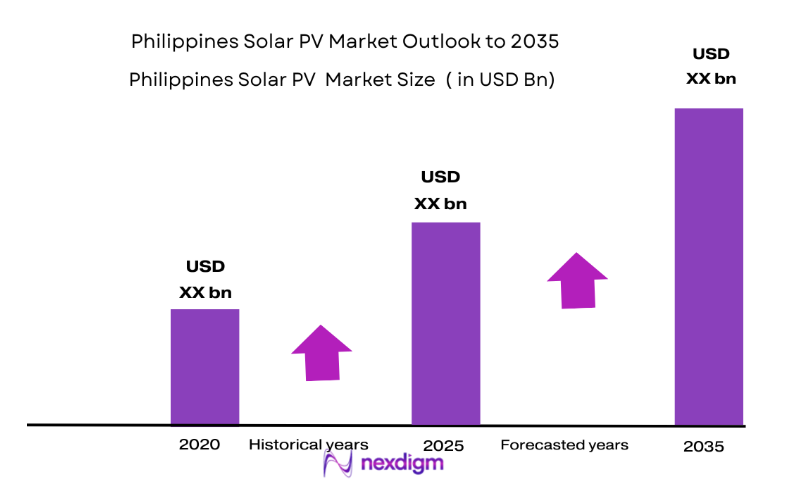
The Philippines Solar PV market is estimated to be valued at approximately USD ~ billions. The market is primarily driven by government incentives, such as tax breaks and subsidies, aimed at encouraging the adoption of renewable energy solutions. Furthermore, the demand for solar PV systems is growing, with consumers and businesses alike becoming more conscious of their carbon footprint and energy costs. Technological advancements in solar panels, as well as a push for clean energy across various sectors, have also supported this market’s expansion, establishing solar energy as a feasible solution for the country.
The dominant players in the Philippines Solar PV market are primarily concentrated in key urban areas, such as Metro Manila and Cebu, driven by the country’s focus on renewable energy sources and the demand for more sustainable energy systems. This concentration is also fueled by the availability of infrastructure, government support, and a higher rate of commercial and industrial adoption in these regions. As solar energy continues to gain popularity, particularly in these urban centers, growth is expected to accelerate, thanks to the increasing reliance on clean energy in both residential and commercial sectors.
Market Segmentation
By Product Type:
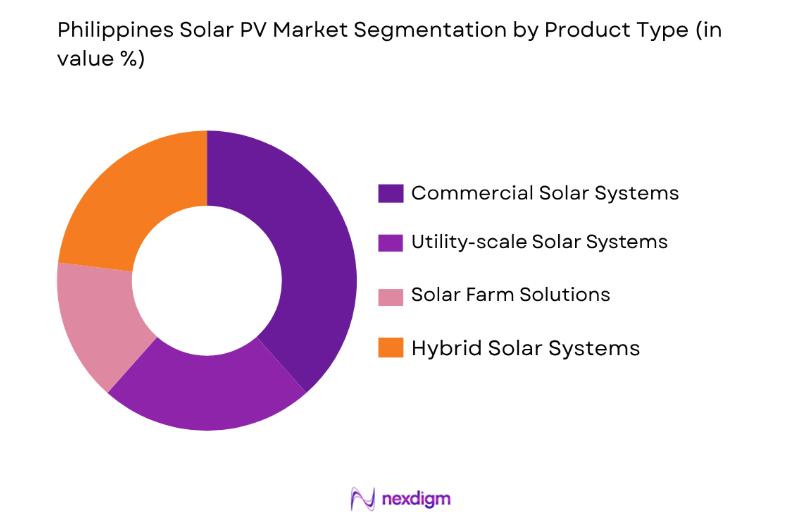
Philippines Solar PV market is segmented by product type into residential solar systems, commercial solar systems, utility-scale solar systems, solar farm solutions, and hybrid solar systems. Recently, residential solar systems have been dominating the market share due to the increasing adoption of sustainable energy solutions and growing concerns over electricity costs among homeowners. Government incentives, such as tax benefits and net metering policies, further support the widespread implementation of these systems, especially in areas where grid connection is less reliable. Furthermore, technological advancements have made residential solar systems more affordable and efficient, further accelerating their uptake.
By Platform Type:
Philippines Solar PV market is segmented by platform type into roof-mounted systems, ground-mounted systems, floating solar systems, BIPV (Building Integrated Photovoltaics), and hybrid systems. Recently, roof-mounted systems have emerged as the dominant platform type due to the increasing adoption of solar solutions in residential and commercial properties. These systems are particularly popular in urban areas, where space is limited but the demand for sustainable energy solutions is high. Roof-mounted solar panels are cost-effective, easy to install, and leverage existing infrastructure, making them an attractive option for homeowners and businesses looking to reduce their energy bills and carbon footprint. Additionally, government incentives for residential installations and the growth of net metering policies further support the widespread use of roof-mounted systems.

Competitive Landscape
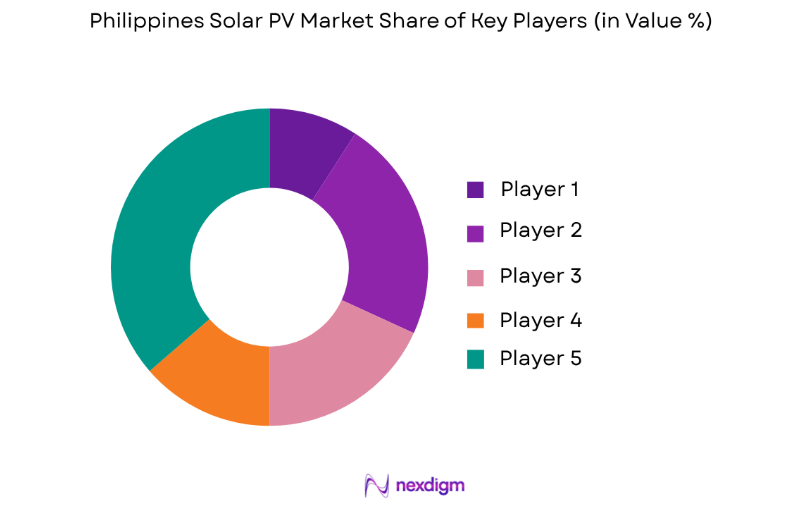
The Philippines Solar PV market is highly competitive, with a mix of local and international players striving to capture market share. Major players focus on technological innovations, such as increased panel efficiency and energy storage integration, to enhance their market position. Consolidation in the sector is occurring as firms seek to strengthen their supply chain networks, diversify product offerings, and expand their geographic reach. Market leaders are also benefiting from government support, which incentivizes solar PV adoption and long-term investments in clean energy infrastructure.
| Company Name | Establishment Year | Headquarters | Technology Focus | Market Reach | Key Products | Revenue |
| First Gen Corporation | 1998 | Philippines | ~ | ~ | ~ | ~ |
| Solar Philippines | 2013 | Philippines | ~ | ~ | ~ | ~ |
| JinkoSolar | 2006 | China | ~ | ~ | ~ | ~ |
| AC Energy | 2009 | Philippines | ~ | ~ | ~ | ~ |
| Hanwha Q CELLS | 1999 | South Korea | ~ | ~ | ~ | ~ |
Philippines Solar PV Market Analysis
Growth Drivers
Government Support for Renewable Energy:
The Philippine government has demonstrated significant commitment to supporting renewable energy, particularly solar power, through favorable policies such as tax incentives, feed-in tariffs, and net metering schemes. These initiatives not only make solar installations more affordable for consumers but also encourage large-scale investments from both local and international companies. The Philippines’ renewable energy goals, which include increasing the share of renewable energy in the national energy mix, create a conducive environment for solar PV adoption. Furthermore, with the increasing energy demand across the country, the push for cleaner, more sustainable sources of energy has driven widespread interest in solar energy solutions. Government-backed financing options and regulatory support have made it more accessible to both residential and commercial sectors, fueling a sharp rise in solar PV adoption. The strong regulatory framework and commitment to sustainable energy development are expected to continue supporting market growth in the coming years.
Technological Advancements in Solar PV:
Technological innovations have greatly contributed to the growth of the solar PV market in the Philippines, making solar panels more efficient, durable, and cost-effective. Advancements such as bifacial panels and improved energy storage solutions have led to increased energy yields and enhanced system performance, making solar power more competitive with traditional energy sources. Moreover, the continuous development of smart grid technology and energy storage systems has improved the efficiency of solar power in both residential and commercial settings. The reduction in the cost of solar panels, coupled with higher efficiency, is making solar power a more attractive option for a wider consumer base. Additionally, energy storage technology has gained significant traction, ensuring that excess energy generated during peak hours can be stored for later use, enhancing the reliability and stability of solar energy systems. As technology continues to evolve, the Philippines’ solar PV market is expected to experience even greater growth.
Market Challenges
High Initial Capital Costs:
Despite the benefits and long-term cost savings, the initial capital required for the installation of solar PV systems remains a significant challenge in the Philippines market. Solar panels, inverters, and other necessary infrastructure require substantial upfront investments, which may be unaffordable for many residential consumers, particularly in rural areas. Even with government subsidies and financial support, the high initial costs can deter potential customers from adopting solar energy, slowing down the overall market growth. While the cost of solar systems has declined over the years, the financial burden remains a key hurdle, especially when compared to conventional energy sources that require lower upfront investment. Additionally, financing options, though available, may still not be sufficient to cover the full costs of installation for some consumers. Addressing the financial barriers to solar energy adoption is crucial for the continued growth of the market in the Philippines.
Grid Connectivity and Interconnection Issues:
One of the major challenges facing the solar PV market in the Philippines is the issue of grid connectivity, especially in remote or rural areas. The existing power grid infrastructure is often insufficient to support the integration of large-scale renewable energy systems, resulting in delays and inefficiencies in connecting solar power systems to the grid. Additionally, some regions still lack reliable access to the grid, making off-grid solar solutions more attractive. However, these solutions require their own set of infrastructure and technical support, which can be costly. The lack of proper grid integration not only hinders the growth of solar PV systems but also limits the scalability of solar energy projects. Enhancing grid infrastructure and addressing interconnection challenges will be essential to unlocking the full potential of solar PV in the Philippines.
Opportunities
Expanding Hybrid Solar Systems:
Hybrid solar systems, which combine solar power with energy storage and sometimes other renewable sources like wind or hydropower, present a significant opportunity for growth in the Philippines Solar PV market. With frequent power interruptions and an increasing need for reliable and cost-effective energy solutions, hybrid systems are increasingly being seen as a viable option for both residential and commercial consumers. These systems provide the flexibility of solar energy while ensuring energy storage for times of low sunlight or peak demand, making them an attractive choice for areas with unreliable power grids. Furthermore, the integration of hybrid solutions supports the country’s move towards a more sustainable energy future. The demand for hybrid systems is anticipated to rise in the coming years, creating a promising opportunity for market players to offer integrated energy solutions that meet the diverse needs of Filipino consumers.
Emerging Rural Market Demand:
There is a growing opportunity to serve rural and off-grid communities in the Philippines, where access to reliable electricity remains limited. The country’s government initiatives to improve electrification and the increasing availability of solar technology in remote areas present a significant growth opportunity. Rural areas are increasingly turning to solar power as a solution for their energy needs, thanks to its affordability, scalability, and the availability of off-grid solutions. As the cost of solar systems continues to decrease, more rural areas are likely to adopt solar energy solutions, providing companies with an expanding market for their products and services. By focusing on rural electrification and offering affordable, tailored solar solutions, companies can tap into a new and underserved market segment.
Future Outlook
Over the next five years, the Philippines Solar PV market is expected to continue its upward trajectory, driven by technological advancements, regulatory support, and increasing energy demands. The country’s push for renewable energy solutions, combined with a growing focus on sustainability, will create a strong foundation for solar energy adoption. The adoption of hybrid systems and energy storage solutions is expected to expand, catering to both urban and rural areas. Furthermore, the government’s continued support for solar energy projects and clean energy initiatives will help drive further growth, positioning solar PV as a key player in the Philippines’ energy landscape.
Major Players
- First Gen Corporation
- Solar Philippines
- JinkoSolar
- AC Energy
- Hanwha Q CELLS
- SunPower Corporation
- Vena Energy
- PowerMaxEnergy
- CleanTechGlobal
- Yingli Green Energy
- Longi Solar
- Trina Solar
- Canadian Solar
- SolEnergySystems
- Sunseap Group
Key Target Audience
- Investments and venture capitalist firms
- Government and regulatory bodies
- Solar system manufacturers
- Renewable energy solution providers
- Residential consumers
- Commercial enterprises
- Utility providers
- Energy storage solution providers
Research Methodology
Step 1: Identification of Key Variables
The research begins by identifying critical variables that impact the solar PV market, such as market demand, technological advancements, regulatory policies, and consumer preferences.
Step 2: Market Analysis and Construction
This step involves analyzing market trends, historical data, and consumer behavior to construct a detailed market model that forecasts future growth patterns.
Step 3: Hypothesis Validation and Expert Consultation
The hypotheses formulated in the market model are validated through consultations with industry experts, key stakeholders, and policymakers to ensure the accuracy of the predictions.
Step 4: Research Synthesis and Final Output
The data gathered is synthesized to generate a comprehensive report, incorporating expert insights, trends, and actionable recommendations for stakeholders.

- Executive Summary
- Research Methodology (Definitions, Scope, Industry Assumptions, Market Sizing Approach, Primary & Secondary Research Framework, Data Collection & Verification Protocol, Analytic Models & Forecast Methodology, Limitations & Research Validity Checks)

- Market Definition and Scope
- Value Chain & Stakeholder Ecosystem
- Regulatory / Certification Landscape
- Sector Dynamics Affecting Demand

- Growth Drivers
Government Incentives for Solar Energy
Increasing Energy Demand
Technological Advancements in PV Systems - Market Challenges
High Initial Capital Costs
Grid Connectivity Issues
Regulatory Barriers - Market Opportunities
Growing Investment in Solar Farms
Emerging Demand from Rural Areas
Expanding Hybrid System Integration - Trends
Increased Adoption of Hybrid Systems
Rise in Utility-Scale Solar Projects
Integration of Solar Energy with Energy Storage - Government Regulations
- SWOT Analysis of Key Competitors

- By Market Value, 2020-2025
- By Installed Units, 2020-2025
- By Average System Price, 2020-2025
- By System Complexity Tier, 2020-2025

- By System Type (In Value%)
Residential Solar Systems
Commercial Solar Systems
Utility-scale Solar Systems
Solar Farm Solutions
Hybrid Solar Systems - By Platform Type (In Value%)
Roof-mounted Systems
Ground-mounted Systems
Floating Solar Systems
BIPV (Building Integrated Photovoltaics)
Hybrid Systems - By Fitment Type (In Value%)
On-grid Solutions
Off-grid Solutions
Hybrid Systems
Integrated Solar Systems
Standalone Systems - By EndUser Segment (In Value%)
Residential Consumers
Commercial Enterprises
Government Institutions
Industrial Clients

- Market Share Analysis
- CrossComparison Parameters (System Type, Platform Type, Procurement Channel, EndUser Segment, Fitment Type)
- SWOT Analysis of Key Competitors
- Pricing & Procurement Analysis
- Porter’s Five Forces
- Key Players
First Gen CorporationAC
Energy
Solar Philippines
Sungrow Power Supply
Enel Green Power
Hanwha Q CELLS
JinkoSolar
LONGi Solar
Trina Solar
Canadian Solar
SMA Solar Technology
Tigo Energy
Fronius International
Huawei Technologies
Enphase Energy

- Residential Consumers’ Focus on Energy Independence
- Commercial Enterprises’ Adoption of Sustainable Energy Solutions
- Government’s Role in Solar PV Deployment
- Industrial Sector’s Push for Cost-efficient Power Solutions

- Forecast Market Value, 2026-2035
- Forecast Installed Units, 2026-2035
- Price Forecast by System Tier, 2026-2035
- Future Demand by Platform, 2026-2035


 Request a Sample
 Ask for Customization
 Get a Quote
 Enquire Now