
 Download PDF
Market Overview
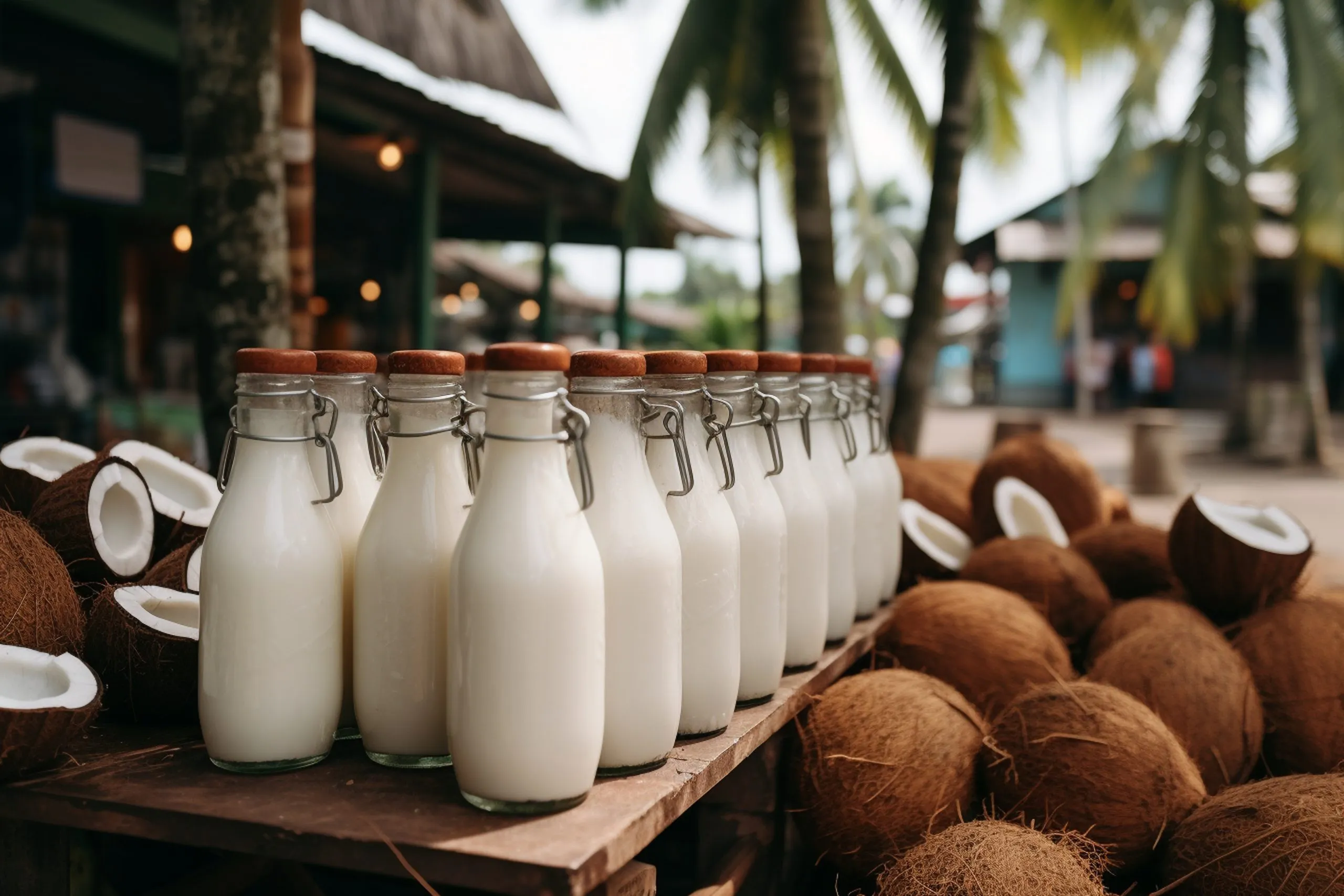
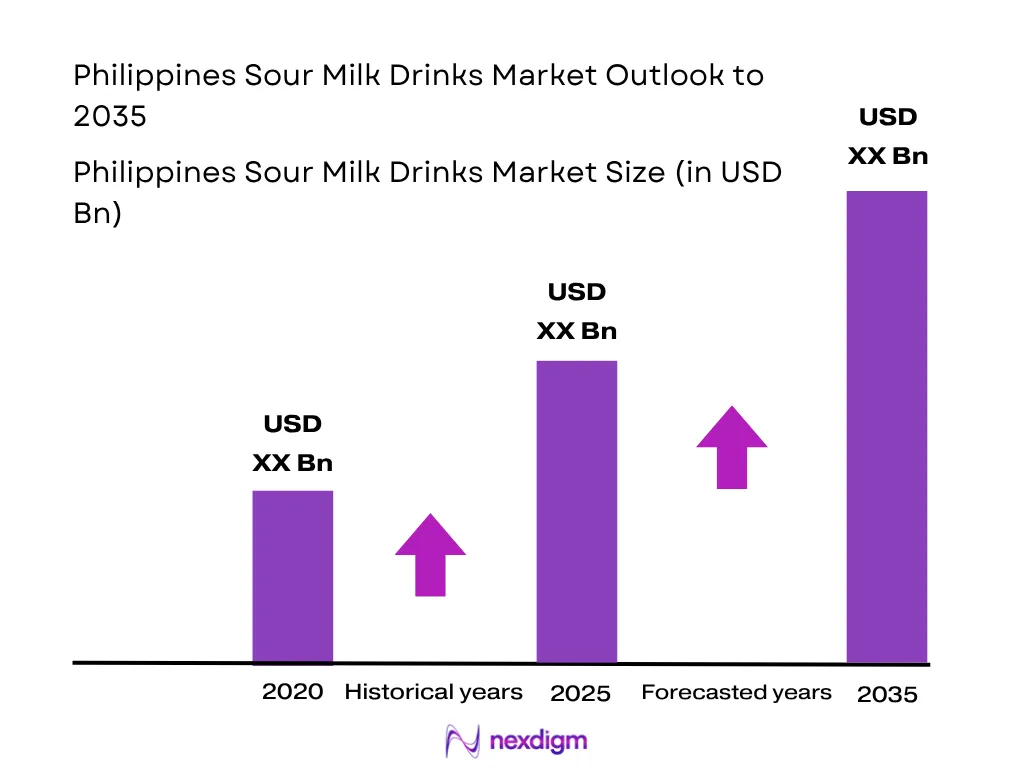
The Philippines Sour Milk Drinks Market, proxied through the yogurt and probiotic drink category, is valued at USD ~ billion, based on a five-year historical analysis. The market is driven by digestive health awareness, demand for functional beverages, rising disposable incomes, and wider availability of probiotic cultured milk drinks. Category expansion is reinforced by the country’s dairy import base, with the Philippines importing 99% of dairy requirements and dairy demand reaching around 3 million metric tons in liquid milk equivalent.
Metro Manila, Cebu, and Davao dominate the Philippines Sour Milk Drinks Market due to dense urban populations, higher modern retail penetration, and stronger cold-chain availability. Metro Manila benefits from supermarket, convenience store, drugstore, and online grocery density; Cebu anchors Visayas demand; and Davao supports Mindanao distribution. The Philippines’ population count stands at 112,729,484, while sari-sari store activity remains important, with Packworks tracking more than 200,000 stores and 8.2 million transactions in its dataset.
Market Segmentation
By Product Format
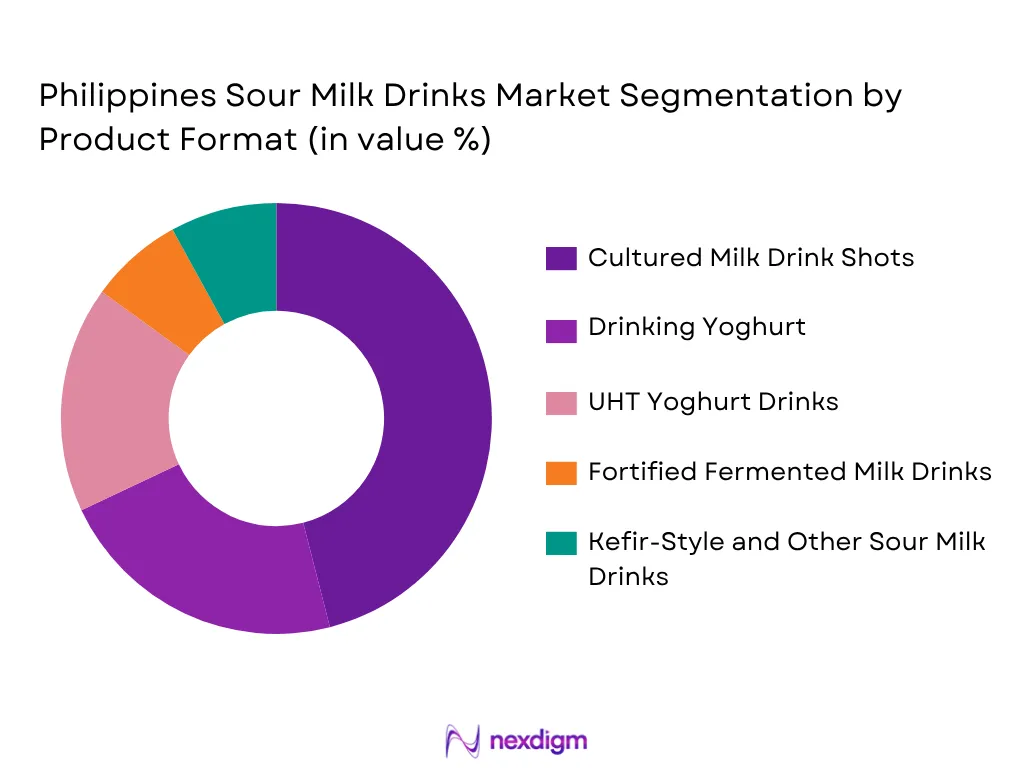
The Philippines Sour Milk Drinks Market is segmented by product format into probiotic cultured milk shots, drinking yoghurt, UHT yoghurt drinks, Greek-style yoghurt drinks, kefir-style fermented dairy drinks, and fortified fermented milk drinks. Probiotic cultured milk shots dominate the product format segmentation due to strong habit-based consumption, small affordable bottle size, daily digestive-health positioning, and high recall of brands such as Yakult and Dutch Mill Delight. Their dominance is also linked to ease of stocking across sari-sari stores, convenience stores, supermarkets, and school-adjacent retail points. Compared with Greek-style or kefir-style drinks, probiotic shots require lower consumer education and fit the Philippines’ tingi-style retail behavior, where low-unit-price products move faster. The segment also benefits from parent-led purchases for children and after-meal usage among adults seeking digestive comfort.
By Distribution Channel
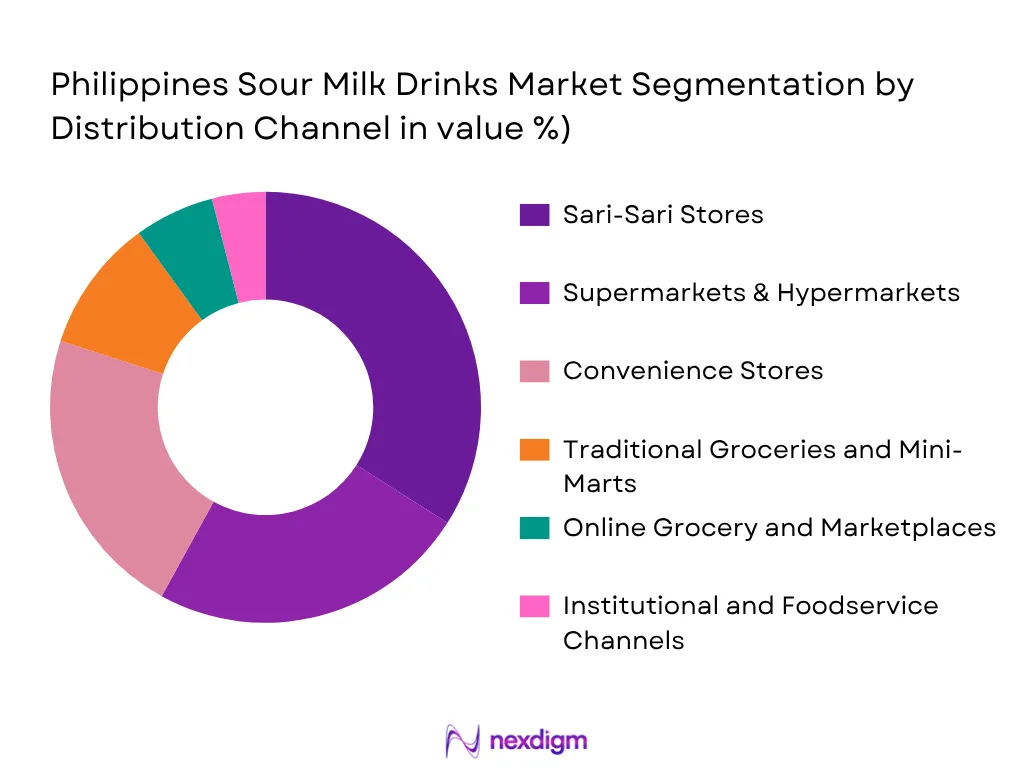
The Philippines Sour Milk Drinks Market is segmented by distribution channel into sari-sari stores, supermarkets and hypermarkets, convenience stores, drugstores and pharmacies, traditional groceries and mini-marts, online grocery and marketplaces, and institutional channels. Sari-sari stores dominate the distribution channel segmentation because they are embedded in daily neighborhood purchasing behavior and support low-ticket, single-serve beverage transactions. Sour milk drinks are often bought as immediate-consumption products, especially by children, students, and household shoppers. The channel’s dominance is supported by frequent replenishment, proximity to households, and the suitability of smaller bottles and multipacks for micro-retail. Modern trade remains important for chilled visibility and family basket purchases, but sari-sari stores provide broader consumer access, especially outside premium urban shopping districts.
Competitive Landscape
The Philippines Sour Milk Drinks Market is concentrated around probiotic credibility, strong chilled distribution, mass-market affordability, and multipack availability. Yakult Philippines leads the probiotic cultured milk shot space through daily-consumption positioning and strain-based credibility, while Dutch Mill Delight competes through probiotic plus prebiotic communication and broader flavor-led appeal. Pascual, Nestlé, and San Miguel/Magnolia participate through yoghurt, dairy, nutrition, and chilled beverage portfolios, creating a competitive structure shaped by brand trust, retailer access, and functional health messaging.
| Company | Establishment Year | Headquarters | Product Focus | Core Sour Milk Drink Positioning | Key Format | Distribution Strength | Functional Claim Focus | Target Consumer Base |
| Yakult Philippines Incorporated | 1978 | Calamba, Laguna, Philippines | ~ | ~ | ~ | ~ | ~ | ~ |
| Dutch Mill Philippines / Monde Nissin | 1984 parent brand; Philippines launch via Monde Nissin | Bangkok, Thailand / Philippines operations | ~ | ~ | ~ | ~ | ~ | ~ |
| Pascual Consumer Healthcare / Pascual Dairy | 1946 | Quezon City / Makati, Philippines | ~ | ~ | ~ | ~ | ~ | ~ |
| Nestlé Philippines | 1911 local presence | Makati City, Philippines | ~ | ~ | ~ | ~ | ~ | ~ |
| San Miguel Food and Beverage / Magnolia | 1925 food entry via Magnolia Ice Cream | Mandaluyong / Pasig, Philippines | ~ | ~ | ~ | ~ | ~ | ~ |
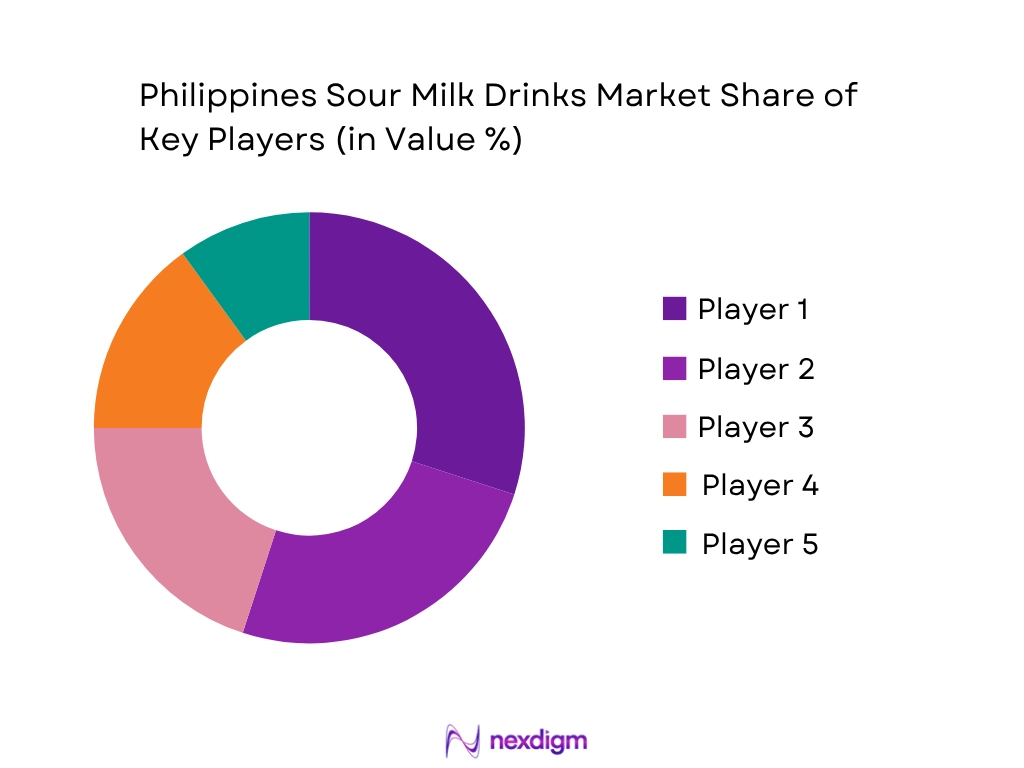
Philippines Sour Milk Drinks Market Analysis
Growth Drivers
Functional Beverage Adoption
Functional beverage adoption is strengthening the Philippines Sour Milk Drinks Market because cultured milk drinks sit at the intersection of daily refreshment, gut-health positioning, and mass household consumption. The macro base is supportive: the Philippines recorded GDP of USD 461.62 billion, GDP per capita of USD 3,984.8, and population of 115,843,670 people in World Bank’s latest 2024 country data. Household demand is also large in absolute terms, with Household Final Consumption Expenditure reaching PHP 20,140,904 million, while GDP at current prices reached PHP 26,449,443 million, according to BSP data sourced from the Philippine Statistics Authority. This matters for sour milk drinks because single-serve probiotic bottles and yoghurt drinks are bought from household food-and-beverage budgets, not only discretionary wellness budgets. With urban population reported at 56,316,242 people, brands can scale functional dairy beverages through supermarkets, convenience stores, drugstores, online grocery, and sari-sari-linked distribution in dense consumption corridors. These macro conditions support higher repeatability for gut-health beverages positioned as affordable, everyday nutrition rather than premium supplements.
Probiotic Awareness
Probiotic awareness is a direct growth driver for the Philippines Sour Milk Drinks Market because the category is anchored in digestive wellness, live culture credibility, and habit-based daily intake. Dairy-sector fundamentals support this positioning: USDA’s Manila dairy report states that the Philippines imports 99 out of every 100 units of dairy requirement, while annual dairy consumption is around 27 kilograms per capita, leaving meaningful room for manufacturers to promote fermented dairy formats such as probiotic cultured milk, drinking yoghurt, and UHT yoghurt drinks. The same USDA report notes that domestic dairy output remains structurally constrained, with average milk production of 10 liters per day for dairy cows, 4.5 liters per day for buffalo, and 1.5 liters per day for goats, which reinforces reliance on imported dairy inputs for processed products. Probiotic sour milk drinks benefit from this system because they use concentrated dairy inputs, controlled fermentation, small-bottle packaging, and scalable urban distribution. Population scale also matters: the World Bank records 115,843,670 people in the country, creating a large addressable base for family-oriented “healthy tummy” and digestive-health communication.
Market Challenges
Cold-Chain Leakage
Cold-chain leakage is a major operational challenge for the Philippines Sour Milk Drinks Market because probiotic cultured milk and chilled yoghurt drinks require consistent temperature control from plant, warehouse, distributor, retailer, and final point of purchase. The country’s geography makes this structurally difficult: the Philippines is an archipelago of 7,641 islands, with demand dispersed across Luzon, Visayas, and Mindanao. World Bank data shows a total population of 115,843,670 people and an urban population of 56,316,242 people, meaning a very large consumer base remains outside the most concentrated urban cold-chain corridors. For chilled sour milk drinks, this creates higher risk of temperature breaks during inter-island movement, last-mile wholesale distribution, and sari-sari store handling. The electricity and distribution-utility environment adds another layer: a 2025 distribution-utility survey for the Philippines identifies 148 electricity distribution utilities, including 19 private investor-owned utilities, 121 electric cooperatives, 5 EnerZones, 2 local government units, and 1 multi-purpose cooperative, indicating fragmented infrastructure conditions across territories. For brands, this pushes investment toward refrigerated logistics, shelf-stable UHT yoghurt drinks, tighter distributor monitoring, and faster inventory rotation.
Imported Dairy Input Volatility
Imported dairy input volatility is a central challenge for the Philippines Sour Milk Drinks Market because probiotic drinks, yoghurt drinks, and fortified fermented milk products rely heavily on skim milk powder, whole milk powder, buttermilk powder, whey powder, cream, and other dairy ingredients. USDA’s Manila dairy report states that the Philippines produces only 1 out of every 100 units of dairy requirement, while the country imports the remaining 99 units, making sour milk drink manufacturers exposed to international sourcing conditions, shipping schedules, foreign exchange movement, and supplier-country availability. In the first half of 2024, overall dairy imports reached 1.653 million metric tons in liquid milk equivalent, compared with 1.464 million metric tons in the first half of the previous year. Product-level dependency is clear: first-half 2024 imports included 658,000 metric tons LME of skim milk powder, 62,000 metric tons LME of whole milk powder, 215,000 metric tons LME of buttermilk powder, and 338,000 metric tons LME of whey powder. These inputs are directly relevant for cultured milk drinks and yoghurt formulations, so supply volatility can affect production planning, SKU availability, and formulation consistency.
Market Opportunities
Low-Sugar SKUs
Low-sugar SKUs represent a strong future opportunity for the Philippines Sour Milk Drinks Market because fermented dairy drinks are commonly consumed by children, teens, and families, while public-health pressure around sugar and weight management is rising. The opportunity is market-specific because many probiotic cultured milk drinks and yoghurt drinks are fruit-flavored and sweetened to improve child acceptance. WHO Philippines, citing the DOST-FNRI Expanded National Nutrition Survey, reports that 14 in every 100 children aged 5 to 10, 13 in every 100 individuals aged 10 to 19, and 40.2 in every 100 adults are living with overweight and obesity. At the same time, the World Bank reports 115,843,670 people in the Philippines, giving low-sugar sour milk drinks a broad addressable consumer base across households and school-age cohorts. PSA’s inflation report also identifies food and non-alcoholic beverages as the largest contributor to annual average inflation, with 1.7 percentage points of contribution to headline inflation, making healthier reformulation relevant for both public-health positioning and consumer trust. Brands can use reduced-sugar probiotic shots, lower-sugar yoghurt drinks, and calcium-fortified low-sugar variants to differentiate without leaving the mass dairy beverage category.
Affordable Multipacks
Affordable multipacks are a clear opportunity for the Philippines Sour Milk Drinks Market because consumption is highly repeat-oriented: probiotic drinks are often positioned for daily intake, while yoghurt drinks are purchased for children’s snacks, lunchboxes, breakfast, and household stocking. The macro consumption base is large and current: Household Final Consumption Expenditure reached PHP 20,140,904 million, and first-quarter 2026 household spending reached PHP 5,452,905 million, according to BSP data sourced from PSA. The population base is also substantial at 115,843,670 people, while urban population reached 56,316,242 people, creating dense clusters where multipacks can be sold through supermarkets, convenience stores, online grocery, and wholesale-to-sari-sari distribution. Multipacks are especially relevant for sour milk drinks because they convert one-off bottle purchases into planned family replenishment, reduce purchase friction for parents, and support routine consumption across school days and workdays. The opportunity is not only in modern trade; sari-sari and neighborhood grocery channels can benefit from smaller multipack break-bulk formats. For manufacturers, pack architecture can support higher volume velocity while keeping fermented dairy beverages accessible to value-conscious households.
Future Outlook
The Philippines Sour Milk Drinks Market is expected to grow steadily as consumers shift from basic refreshment beverages toward digestive-health and wellness-led dairy drinks. The market is forecast to expand at a 3.6% CAGR during the 2026–2035 period, aligned with the global yoghurt and sour milk drinks category outlook. Growth will be supported by probiotic awareness, low-sugar innovation, expansion of UHT yoghurt drinks into provincial markets, and higher online grocery penetration. Future growth will be shaped by three structural forces. First, probiotic and prebiotic benefit-stacking will become more important as brands move from simple “healthy tummy” messaging to stronger digestive wellness, immunity, and nutrition claims. Second, provincial expansion will depend on shelf-stable formats and distributor depth, because refrigerated reach remains uneven outside large urban centers. Third, affordability will remain decisive, making small bottles, multipacks, and channel-specific price packs central to market development.
Major Players
- Yakult Philippines Incorporated
- Dutch Mill Philippines / Monde Nissin Corporation
- Pascual Consumer Healthcare Corporation / Pascual Dairy
- Nestlé Philippines
- Magnolia / San Miguel Food and Beverage
- Arla Philippines
- RFM Corporation / Selecta
- Alaska Milk Corporation
- Universal Robina Corporation
- Asia Brewery / AB Pascual Foods
- DVF Dairy Farm
- Madzoon Philippines
- FAGE International
- Chobani
- Bega Group / Farmers Union
Key Target Audience
- Sour milk drink manufacturers
- Probiotic and functional beverage companies
- Dairy processors and importers
- Supermarket, convenience store, and grocery retail chains
- Sari-sari store distribution aggregators and wholesalers
- Cold-chain logistics and refrigerated warehousing companies
- Investments and venture capitalist firms
- Government and regulatory bodies — Food and Drug Administration Philippines, Department of Trade and Industry, National Dairy Authority, Department of Agriculture, Bureau of Customs
Research Methodology
Step 1: Identification of Key Variables
The initial phase involves mapping the Philippines Sour Milk Drinks Market ecosystem, including probiotic drink manufacturers, dairy importers, yoghurt drink brands, distributors, modern trade chains, sari-sari wholesalers, and online grocery platforms. Key variables include product format, probiotic claim, pack size, retail price, channel availability, and cold-chain dependency.
Step 2: Market Analysis and Construction
Historical market construction is conducted by analyzing yogurt and probiotic drink sales, dairy import dependence, channel penetration, and SKU-level retail pricing. Bottom-up validation includes bottle-count assumptions, average price per serving, modern trade shelf checks, online listing analysis, and distributor-level availability across Metro Manila, Cebu, and Davao.
Step 3: Hypothesis Validation and Expert Consultation
Market hypotheses are validated through structured interviews with category managers, dairy distributors, retail buyers, cold-chain operators, and brand representatives. These discussions support verification of channel margins, product velocity, pack-price architecture, consumer adoption, and functional claim differentiation in probiotic cultured milk and yoghurt drink categories.
Step 4: Research Synthesis and Final Output
The final phase consolidates secondary research, retail checks, expert inputs, and bottom-up market sizing into a validated market model. The output includes market size, channel mix, product segmentation, competitor benchmarking, future growth outlook, and strategic recommendations for participants targeting the Philippines Sour Milk Drinks Market.

- Executive Summary
- Research Methodology (Market definitions and assumptions, sour milk drink classification, probiotic and yoghurt drink inclusion-exclusion, live culture threshold, SKU-level price tracking, top-down dairy demand approach, bottom-up retail off-take approach, importer-distributor mapping, channel checks, primary trade interviews, consumer purchase diary, limitations and future conclusions)

- Definition and Scope
- Market Genesis and Evolution
- Timeline of Major Players
- Business Cycle
- Supply Chain and Value Chain Analysis
- Regulatory and Product Identity Landscape
- Category Architecture and Consumption Occasions
- Import Dependency and Local Dairy Production Context

- Growth Drivers (Functional beverage adoption, probiotic awareness, school-snacking demand, convenience retail expansion, affordable single-serve packs, household health spending)
- Market Challenges (Cold-chain leakage, imported dairy input volatility, high sugar content perception, probiotic claim substantiation, low domestic milk self-sufficiency, price sensitivity)
- Market Opportunities (Low-sugar SKUs, affordable multipacks, school-safe nutrition packs, adult digestive wellness, localized flavors, shelf-stable yoghurt drinks, subscription delivery)
- Market Trends (Probiotic plus prebiotic positioning, multipack affordability, Greek-style indulgence, tetra-pack convenience, school snack occasions, wellness-led claims, TikTok-led brand discovery)
- Government Regulations (FDA product registration, fermented milk identity, nutrition and health claims, allergen labeling, sugar declaration, import permits, cold-chain handling, Codex fermented milk reference)
- SWOT Analysis (Brand equity, probiotic credibility, cold-chain infrastructure, affordability, imported input risk, channel expansion, wellness white space)
- Stakeholder Ecosystem (Dairy ingredient importers, local processors, contract packers, distributors, sari-sari wholesalers, supermarket chains, convenience chains, e-commerce grocers, regulators, nutritionists, schools)
- Porter’s Five Forces (Supplier power of milk powder importers, buyer power of modern trade, threat from juice/tea/RTD milk, entry barriers in cold-chain, rivalry in probiotic shots)
- Pricing Analysis (PHP per bottle, PHP per 100 ml, multipack discount, channel price variance, promo depth, refrigerator placement fee, imported premium index)
- Brand Positioning Map (Gut health, immunity, kids’ nutrition, indulgence, affordability, low sugar, premium dairy, convenience)
- Route-to-Market and Channel Margin Analysis (Distributor margin, wholesaler margin, sari-sari mark-up, supermarket listing fee, convenience store cold shelf charge, online fulfilment cost)

- By Value (2020-2025)
- By Volume (2020-2025)
- By Average Selling Price (2020-2025)
- By Retail Off-Take Volume (2020-2025)
- By Per Capita Consumption (2020-2025)
- By Household Penetration (2020-2025)

- By Product Format (In Value%)
Probiotic Cultured Milk Shots
Drinking Yoghurt
UHT Yoghurt Drink
Greek-Style Yoghurt Drink
Kefir-Style Fermented Dairy Drink
Fortified Fermented Milk Drink - By Culture and Functional Claim (In Value%)
Live Probiotic Drinks
Probiotic plus Prebiotic Drinks
Yoghurt Culture-Based Drinks
Calcium-Fortified Sour Milk Drinks
Protein-Enriched Sour Milk Drinks
Pasteurized/Heat-Treated Yoghurt-Flavored Drinks - By Packaging Size (In Value%)
Below 90 ml
90 ml–110 ml
111 ml–180 ml
181 ml–250 ml
Above 250 ml
Multipack Formats - By Flavor Profile (In Value%)
Original/Plain
Strawberry
Mango
Orange/Citrus
Mixed Berry
Vanilla/Creamy - By Sugar and Nutrition Positioning (In Value%)
Regular Sweetened
Reduced Sugar
Low-Fat/Non-Fat
Calcium-Fortified
Protein-Enriched
Kids’ Nutrition Positioned - By Distribution Channel (In Value%)
Sari-Sari Stores
Supermarkets and Hypermarkets
Convenience Stores
Drugstores and Pharmacies
Traditional Groceries and Mini-Marts
Online Grocery and Marketplaces
Institutional and Foodservice Channels - By Consumer Cohort (In Value%)
Children
Teens and Students
Working Adults
Mothers and Household Decision Makers
Seniors
Health and Wellness Consumers - By Region (In Value%)
National Capital Region
North and Central Luzon
South Luzon
Visayas
Mindanao - By Price Tier (In Value%)
Economy
Mass Market
Mid-Premium
Premium
Imported Super-Premium

- Market Share of Major Players (Value share, volume share, bottles sold, modern trade off-take, traditional trade off-take, online share)
- Cross Comparison Parameters (Company overview, product format portfolio, probiotic strain/live culture claim, prebiotic or fortification claim, pack size architecture, price per 100 ml, cold-chain and shelf-stability model, sari-sari and modern trade reach, flavor portfolio, sugar and nutrition positioning, manufacturing/import model, distributor network, promotional strategy, recent developments, strengths and weaknesses)
- Cross Comparison Parameters: Market-Specific Metrics (Live culture/CFU claim, fermented milk content, refrigerated versus UHT format, PHP per 100 ml, multipack discount depth, weighted retail distribution, sari-sari penetration, online grocery availability)
- SWOT Analysis of Major Players (Brand trust, gut-health credibility, price accessibility, SKU breadth, cold-chain dependency, provincial coverage, claim defensibility)
- Pricing Analysis Basis SKUs for Major Players (80 ml probiotic shot, 100 ml cultured milk, 180 ml yoghurt drink, 200 ml tetra pack, multipack five-bottle format, six-pack family format)
- Distribution Benchmarking of Major Players (Sari-sari store availability, supermarket chilled shelf presence, convenience store refrigerator presence, drugstore availability, online grocery listing, provincial distributor reach)

- Consumer Demand and Utilization (Daily probiotic habit, weekly multipack purchase, single-serve impulse, lunchbox beverage, breakfast accompaniment, after-meal digestive usage)
- Purchasing Power and Budget Allocation (PHP per serving, family multipack affordability, modern trade basket size, sari-sari daily cash purchase, premium willingness to pay)
- Needs, Desires and Pain-Point Analysis (Digestive comfort, child acceptance, taste, sweetness, trust in live cultures, cold availability, pack convenience, price accessibility)
- Decision-Making Process (Mother-led purchase, child flavor preference, doctor/nutritionist influence, retailer visibility, brand habit, promo responsiveness)
- Consumer Cohort Matrix (Children, mothers, students, office workers, seniors, wellness consumers, gym consumers, urban middle-income households)
- Usage Occasion Mapping (Breakfast, baon/lunchbox, school recess, after meals, work break, post-workout, family grocery stock-up, digestive discomfort occasions)

- By Value (2026-2035)
- By Volume (2026-2035)
- By Average Selling Price (2026-2035)
- By Retail Off-Take Volume (2026-2035)
- By Per Capita Consumption (2026-2035)
- By Household Penetration (2026-2035)


 Request a Sample
 Ask for Customization
 Get a Quote
 Enquire Now