

 Download PDF
 Download PDF
Market Overview
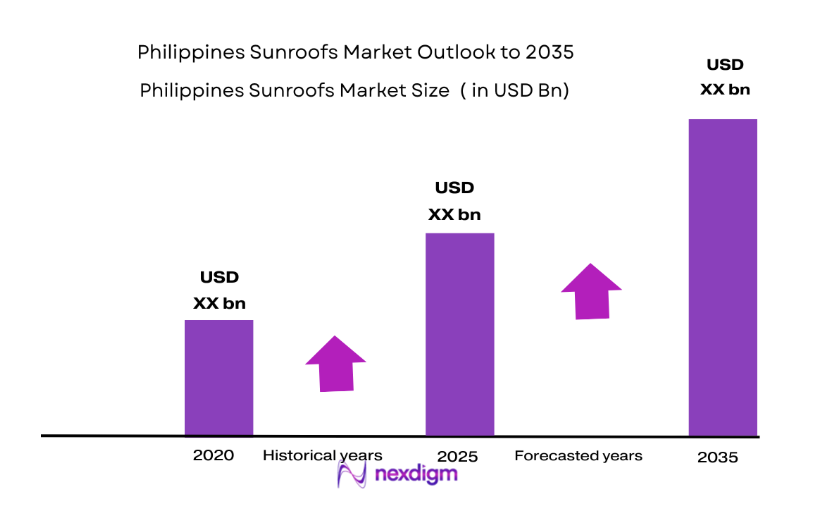
The Philippines sunroofs market has seen significant growth, driven by rising automotive sales and increasing consumer interest in enhancing vehicle aesthetics and comfort. Based on a recent historical assessment, the market is projected to continue expanding, with the market size expected to reach USD ~ billion as the automotive sector thrives in the country. Demand for sunroofs is further boosted by the rise of premium vehicles and consumer preference for advanced features that improve the driving experience. The sunroof segment benefits from growing disposable income and the adoption of technologies such as panoramic and electric sunroofs.
Major cities like Metro Manila, Cebu, and Davao play a crucial role in driving market growth. These areas have a higher concentration of automotive sales, largely due to urbanization, better infrastructure, and a higher disposable income. Additionally, these regions are hubs for automotive dealerships, which increase the availability of vehicles equipped with sunroofs. The focus on premium and luxury vehicles in urban settings further accelerates the adoption of sunroof technology, positioning these cities as dominant players in the market.
Market Segmentation
By Product Type:
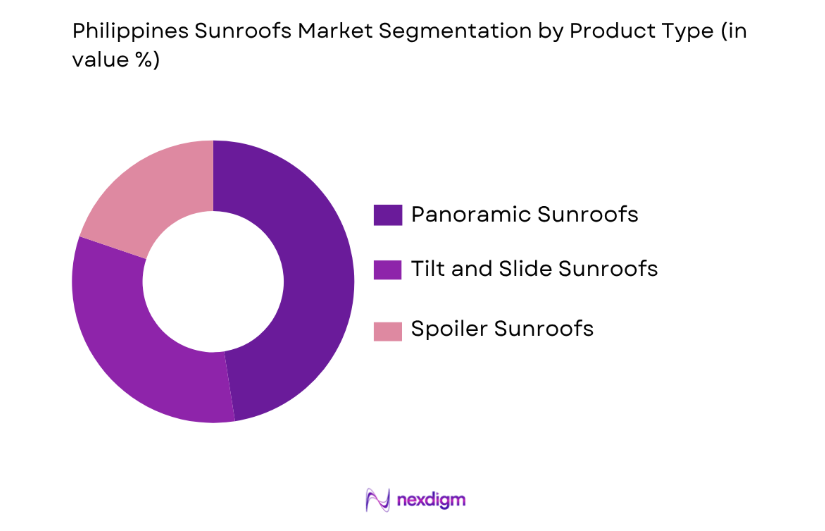
The Philippines sunroofs market is segmented by product type into tilt and slide, panoramic, and spoiler sunroofs. Panoramic sunroofs have gained a dominant market share due to increasing consumer preference for enhanced views and a luxurious driving experience. Their ability to provide a more open, airy feel inside the vehicle aligns with the rising demand for premium features in both SUVs and sedans. This trend is driven by consumer expectations for higher-end features and aesthetic appeal in vehicles, further bolstered by advancements in manufacturing technology and the affordability of panoramic systems.
By Platform Type:
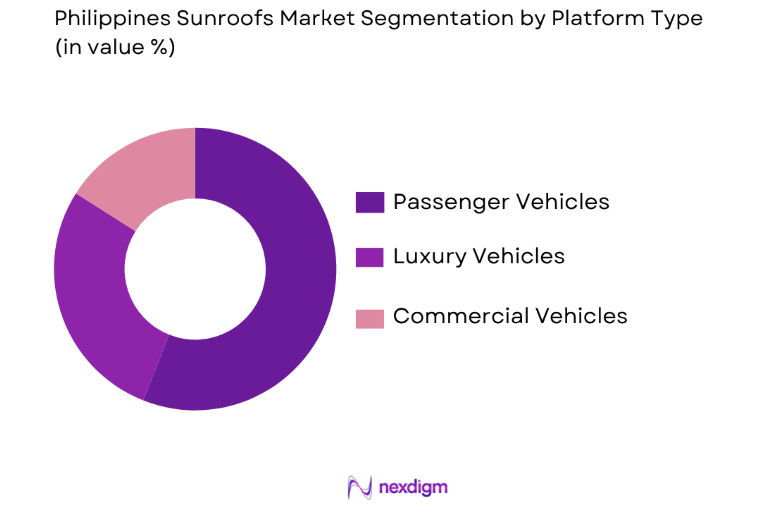
The market is segmented by platform type into passenger vehicles, commercial vehicles, and luxury vehicles. Recently, passenger vehicles have captured the largest market share due to their widespread adoption and rising demand for additional comfort and luxury features. As the middle class expands and disposable incomes increase, consumers are more likely to opt for vehicles equipped with sunroofs. This trend is particularly evident in urban areas, where consumers show a preference for more advanced, feature-rich cars. Additionally, the entry of new vehicle models and the rising popularity of electric vehicles contribute to the strong demand for passenger vehicles.
Competitive Landscape
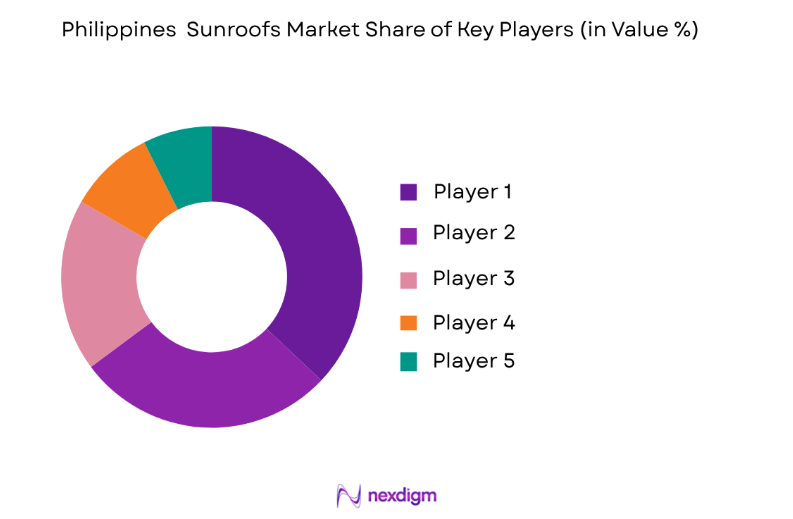
The competitive landscape of the Philippines sunroofs market is characterized by the presence of key players in the automotive industry, including manufacturers of both OEM and aftermarket products. Consolidation is prevalent as global and regional automotive suppliers collaborate with local manufacturers to offer innovative solutions. Major players are focusing on technological advancements, such as integrated sunroof systems, electric sunroofs, and the inclusion of solar panels in sunroof designs. Competition among these players is high, with companies striving to offer differentiated products to meet consumer demands.
| Company Name | Establishment Year | Headquarters | Technology Focus | Market Reach | Key Products | Revenue (USD) | Additional Parameter |
| Webasto Group | 1901 | Germany | ~ | ~ | ~ | ~ | ~ |
| Inalfa Roof Systems | 1998 | Netherlands | ~ | ~ | ~ | ~ | ~ |
| Magna International | 1957 | Canada | ~ | ~ | ~ | ~ | ~ |
| Aisin Seiki Co. Ltd. | 1949 | Japan | ~ | ~ | ~ | ~ | ~ |
| Pininfarina | 1930 | Italy | ~ | ~ | ~ | ~ | ~ |
Philippines Sunroofs Market Analysis
Growth Drivers
Rising Consumer Demand for Premium Features:
The demand for premium features in vehicles has significantly contributed to the growth of the sunroofs market in the Philippines. Consumers are increasingly seeking advanced features that enhance the driving experience and aesthetic appeal of their vehicles. This trend is particularly noticeable among middle- and upper-class consumers who prioritize comfort, luxury, and technology in their vehicle purchases. The availability of sunroof options, such as panoramic and electric sunroofs, aligns with consumer desires for more luxurious and stylish vehicles. The automotive sector’s growth, coupled with rising disposable incomes, fuels this demand for high-end features, further pushing the adoption of sunroofs in the market. The growing interest in electric vehicles (EVs) also plays a role in this driver, as manufacturers integrate more advanced features into their electric models to attract environmentally-conscious consumers who seek both innovation and luxury. As a result, the sunroofs market continues to expand with a strong outlook for the coming years.
Technological Advancements in Sunroof Designs:
Innovations in sunroof technology are driving significant market growth in the Philippines. The introduction of electric sunroofs, solar-powered systems, and panoramic sunroofs has opened new opportunities for manufacturers to appeal to a wider consumer base. As technological advancements make sunroofs more accessible and affordable, they are becoming increasingly popular among consumers across different vehicle segments. These developments have led to enhanced functionality, such as the integration of sensors for automatic opening and closing, as well as improved material durability and energy efficiency. Additionally, the use of lightweight materials and improved sealing technologies ensures that sunroofs can withstand extreme weather conditions while providing excellent insulation. This trend is expected to continue, with further innovations in solar-powered sunroofs contributing to energy-efficient vehicles and eco-friendly driving solutions. With a focus on safety, comfort, and sustainability, manufacturers are expected to continue developing new technologies that will drive market expansion.
Market Challenges
High Cost of Installation and Maintenance:
One of the key challenges affecting the growth of the Philippines sunroofs market is the high initial cost of installation and maintenance. While sunroofs enhance vehicle aesthetics and comfort, they also increase the overall price of a vehicle. For consumers in emerging markets, the added expense can be a significant barrier to adoption, especially in a price-sensitive environment. This challenge is compounded by the costs associated with the maintenance and repair of sunroofs, which may involve specialized parts and skilled labor. As a result, many consumers may opt for more affordable vehicles without sunroof options, which limits the market potential for sunroof manufacturers. The perception of high maintenance costs may also deter some consumers from investing in vehicles equipped with sunroofs, particularly in regions where automotive repair services are less accessible or more expensive.
Supply Chain and Manufacturing Constraints:
Another challenge faced by the sunroof market in the Philippines is the ongoing supply chain disruptions caused by global economic factors, such as trade tensions, the COVID-19 pandemic, and logistical delays. These disruptions have impacted the availability of raw materials, components, and finished products, leading to delays in manufacturing and higher costs for sunroof systems. The automotive sector, which relies heavily on timely delivery and production schedules, has been particularly affected by these supply chain issues. In addition, the global shortage of semiconductor chips has resulted in production slowdowns, further exacerbating challenges for sunroof manufacturers. As supply chain constraints persist, the market may experience delays in product launches, increased costs, and limited availability, ultimately affecting the overall market growth.
Opportunities
Growth in Electric Vehicle Adoption:
The rising adoption of electric vehicles (EVs) presents a significant growth opportunity for the sunroofs market in the Philippines. As consumers become more environmentally conscious and seek sustainable alternatives to traditional combustion engine vehicles, EVs have gained popularity. This trend is further supported by government incentives, such as tax breaks and subsidies, that encourage the purchase of EVs. Sunroof manufacturers can capitalize on this opportunity by offering EV-friendly sunroof options that align with the eco-friendly nature of these vehicles. Solar-powered sunroofs, for instance, provide an energy-efficient solution that complements the sustainability efforts of EVs. By targeting the growing EV market, manufacturers can expand their customer base and increase the adoption of sunroof technology in the Philippines.
Expansion of Aftermarket Segment:
The aftermarket segment for sunroofs presents another lucrative opportunity for growth in the Philippines market. With an increasing number of vehicles on the road, many consumers are seeking ways to enhance their existing vehicles with advanced features, including sunroofs. This growing demand for aftermarket sunroofs provides manufacturers with an opportunity to cater to a wider audience, including those who may not have purchased a sunroof-equipped vehicle initially. Aftermarket sunroof installation offers consumers the flexibility to personalize their vehicles without the need for purchasing a new car. As vehicle owners look for ways to upgrade their cars, the aftermarket segment is expected to experience continued growth, benefiting both OEMs and aftermarket suppliers in the sunroof industry.
Future Outlook
The future outlook for the Philippines sunroofs market is promising, with significant growth expected over the next five years. Technological advancements, such as solar-powered and panoramic sunroofs, will continue to drive consumer interest, particularly in the premium and electric vehicle segments. Government support for electric vehicles, coupled with increasing disposable incomes, will create strong demand for sunroof-equipped vehicles. As urbanization continues, consumers in metropolitan areas will likely continue to seek out vehicles with enhanced comfort and luxury features, such as sunroofs. This trend, coupled with the expansion of the aftermarket segment, will provide further opportunities for manufacturers to tap into new markets and customer segments.
Major Players
- Webasto Group
- InalfaRoof Systems
- Magna International
- Aisin Seiki Co. Ltd.
- Pininfarina
- Yachiyo Industry Co., Ltd.
- CIE Automotive
- IntevaProducts
- SmrAutomotive
- Saint-GobainSekurit
- Asahi Glass Co., Ltd.
- Gentex Corporation
- Valeo Group
- Delphi Technologies
- Mitsubishi Chemical Corporation
Key Target Audience
- Investments and venture capitalist firms
- Government and regulatory bodies
- Automotive manufacturers
- OEM suppliers
- Vehicle owners
- Car dealerships
- Aftermarket retailers
- Electric vehicle manufacturers
Research Methodology
Step 1: Identification of Key Variables
Key market variables such as consumer demand, product types, and technological advancements are identified and analyzed to create a comprehensive market overview.
Step 2: Market Analysis and Construction
Data is collected from primary and secondary sources to build a detailed market model, focusing on market dynamics, trends, and growth potential.
Step 3: Hypothesis Validation and Expert Consultation
Market hypotheses are validated through consultations with industry experts, manufacturers, and consumers to ensure the accuracy of market assumptions.
Step 4: Research Synthesis and Final Output
The data is synthesized into a final report, which provides actionable insights and recommendations based on the findings from the analysis.

- Executive Summary
- Research Methodology (Definitions, Scope, Industry Assumptions, Market Sizing Approach, Primary & Secondary Research Framework, Data Collection & Verification Protocol, Analytic Models & Forecast Methodology, Limitations & Research Validity Checks)

- Market Definition and Scope
- Value Chain & Stakeholder Ecosystem
- Regulatory / Certification Landscape
- Sector Dynamics Affecting Demand

- Growth Drivers
Increase in Consumer Preference for Premium Features
Rising Demand for Electric Vehicles
Growing Disposable Income - Market Challenges
High Initial Cost of Sunroof Installation
Technological Limitations in Material Durability
Supply Chain Constraints - Market Opportunities
Development of Solar-Powered Sunroofs
Expansion in Aftermarket Fitment
Integration of Advanced Materials for Lightweight Sunroofs - Trends
Integration of Smart Features in Sunroofs
Rise of Panoramic Sunroofs in Luxury Vehicles
Technological Advancements in Sunroof Durability - Government Regulations
- SWOT Analysis of Key Competitors

- By Market Value, 2020-2025
- By Installed Units, 2020-2025
- By Average System Price, 2020-2025
- By System Complexity Tier, 2020-2025

- By System Type (In Value%)
Panoramic Sunroofs
Tilt and Slide Sunroofs
Spoiler Sunroofs
Top-Mount Sunroofs
Electric Sunroofs - By Platform Type (In Value%)
Passenger Vehicles
Commercial Vehicles
Electric Vehicles
Luxury Vehicles
Sports Utility Vehicles - By Fitment Type (In Value%)
OEM
Aftermarket
Modular
Integrated Solutions
Custom Fitment - By EndUser Segment (In Value%)
Automotive Manufacturers
Tier-1 Suppliers
Vehicle Owners
Car Dealerships

- Market Share Analysis
- CrossComparison Parameters (System Type, Platform Type, Procurement Channel, EndUser Segment, Fitment Type)
- SWOT Analysis of Key Competitors
- Pricing & Procurement Analysis
- Porter’s Five Forces
- Key Players
Webasto Group
Inalfa Roof Systems
Magna International
Yachiyo Industry Co., Ltd.
CIE Automotive
Aisin Seiki Co., Ltd.
Pininfarina
Inteva Products
Smr Automotive
Saint-Gobain Sekurit
Asahi Glass Co., Ltd.
Gentex Corporation
Valeo Group
Delphi Technologies
Mitsubishi Chemical Corporation

- Rising Demand from Luxury Vehicle Owners
- Increased Interest from Electric Vehicle Manufacturers
- Expansion of Aftermarket Segment
- Growth of Car Dealerships and Retail Networks

- Forecast Market Value, 2026-2035
- Forecast Installed Units, 2026-2035
- Price Forecast by System Tier, 2026-2035
- Future Demand by Platform, 2026-2035


 Request a Sample
 Ask for Customization
 Get a Quote
 Enquire Now