
 Download PDF
 Download PDF
Market Overview
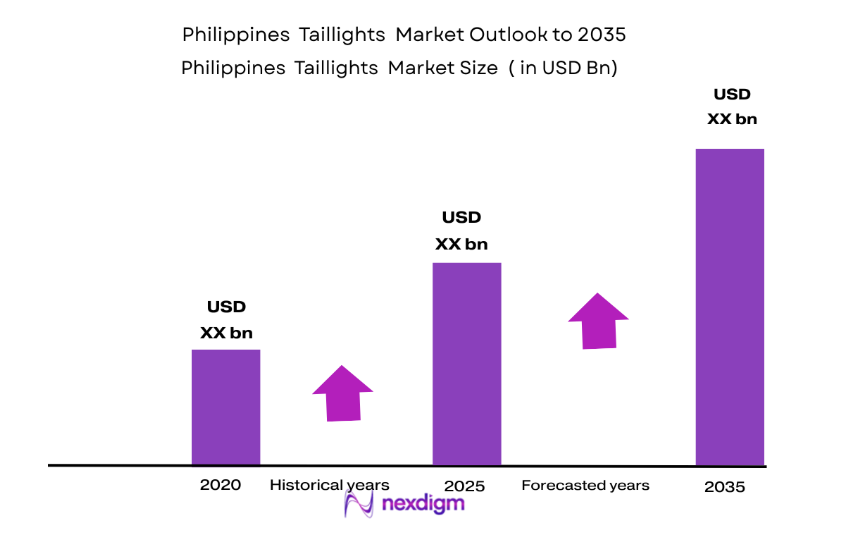
The Philippines Taillights market is witnessing steady growth, driven by the increasing demand for automotive components due to rising vehicle production and sales. Based on a recent historical assessment, the market is expected to reach USD ~ million. Several factors such as advancements in automotive lighting technologies, including LED and OLED taillights, alongside consumer preference for energy-efficient and aesthetic vehicle components, are fueling this expansion. Automotive OEMs and aftermarket suppliers are increasingly focusing on innovative taillight systems to meet regulatory requirements and consumer expectations.
The Philippines market for taillights is dominated by key urban centers like Metro Manila, Cebu, and Davao. These regions have become hubs for vehicle manufacturing, automotive component suppliers, and distribution channels. Metro Manila, being the capital, serves as a focal point for both the automotive industry and consumer demand. The demand for taillights is further influenced by the thriving vehicle export sector and strong domestic vehicle sales, driven by infrastructure development and increased disposable income. The Philippine government’s support for green automotive technologies and energy-efficient products also plays a crucial role in driving the market’s growth.
Market Segmentation
By Product Type:
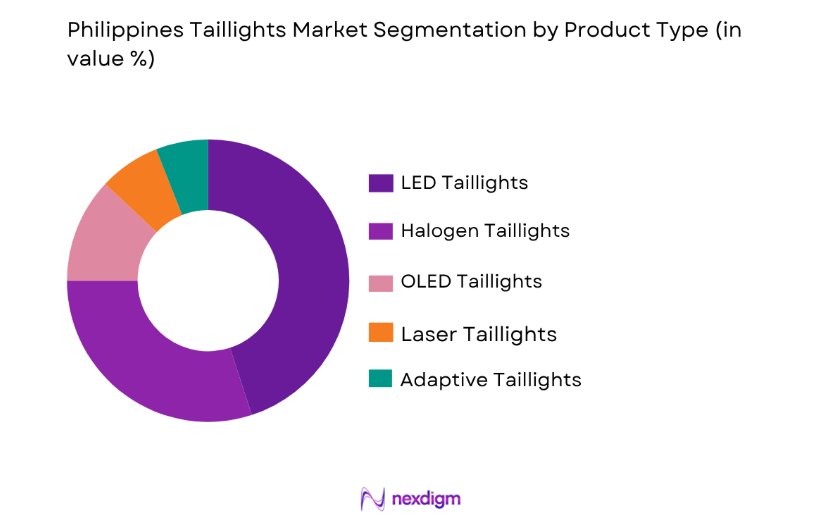
The Philippines Taillights market is segmented by product type into LED taillights, halogen taillights, OLED taillights, laser taillights, and adaptive taillights. Among these, LED taillights have a dominant market share due to factors such as their energy efficiency, durability, and increasing consumer preference for modern lighting solutions in vehicles. These taillights also offer better visibility, which aligns with the growing demand for safety features in automobiles. LED taillights are highly favored in both passenger and commercial vehicle segments because they offer superior performance compared to traditional lighting systems, making them a preferred choice for both OEMs and aftermarket suppliers.
By Fitment Type:
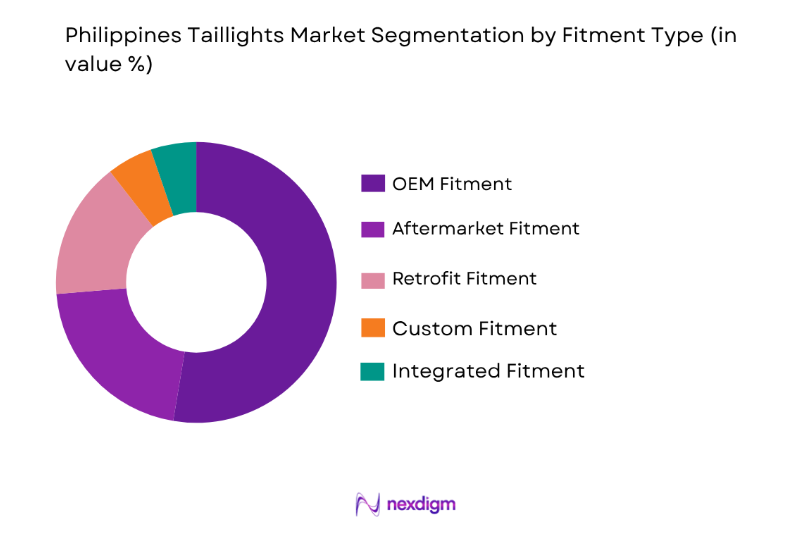
The market for taillights in the Philippines is segmented by fitment type into OEM fitment, aftermarket fitment, retrofit fitment, custom fitment, and integrated fitment. The OEM fitment sub-segment holds the largest share due to the increasing demand from vehicle manufacturers for high-quality, original taillights that adhere to safety standards and regulatory requirements. OEM fitment is preferred as it ensures the integration of taillights with other vehicle components and offers warranty coverage. Additionally, consumers seeking factory-installed solutions are also contributing to the dominance of this sub-segment.
Competitive Landscape
The competitive landscape of the Philippines Taillights market is characterized by the presence of several global and regional players. The market is consolidating, with major manufacturers establishing a strong foothold to cater to both OEM and aftermarket demand. Leading companies are investing in R&D to develop advanced lighting solutions such as adaptive and OLED taillights, focusing on meeting the demand for energy-efficient, long-lasting, and customizable lighting solutions. These players also compete on product pricing, innovation, and after-sales service to strengthen their market position.
| Company Name | Establishment Year | Headquarters | Technology Focus | Market Reach | Key Products | Revenue (USD) | Key Technology Developments |
| Philips Automotive Lighting | 1891 | Netherlands | ~ | ~ | ~ | ~ | ~ |
| Valeo SA | 1923 | France | ~ | ~ | ~ | ~ | ~ |
| Koito Manufacturing Co. Ltd | 1915 | Japan | ~ | ~ | ~ | ~ | ~ |
| Osram Licht AG | 1906 | Germany | ~ | ~ | ~ | ~ | ~ |
| Stanley Electric Co. Ltd | 1920 | Japan | ~ | ~ | ~ | ~ | ~ |
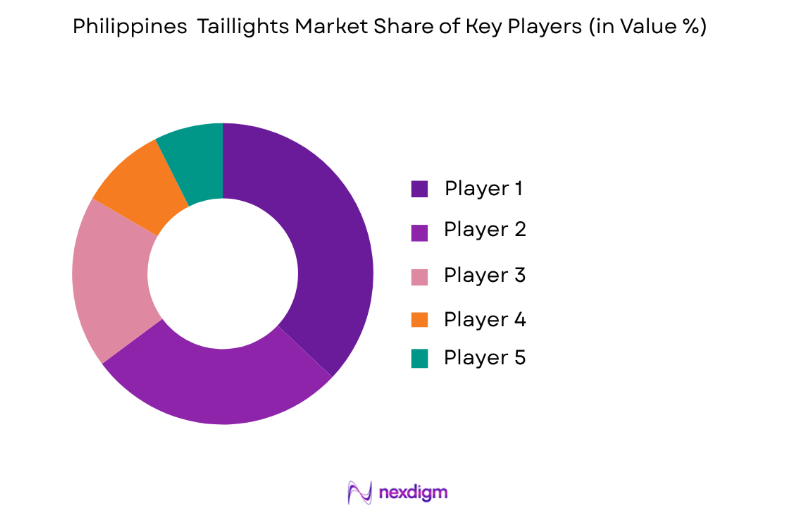
Philippines Taillights Market Analysis
Growth Drivers
Rising Vehicle Production and Sales:
The growth in vehicle production and sales in the Philippines significantly contributes to the increasing demand for taillights. As the automotive industry continues to expand, there is a higher need for both OEM and aftermarket lighting solutions. This surge in vehicle production is driven by growing consumer spending, improving economic conditions, and an expanding automotive ecosystem in key urban centers. The Philippines’ automotive market is benefiting from the increasing presence of both local and international car manufacturers, which has further boosted the demand for taillights. As vehicle manufacturers adopt newer technologies and features, there is a growing emphasis on integrating advanced lighting systems such as LED and OLED taillights in newer models. This demand for modern, energy-efficient lighting solutions is expected to drive market growth.
Technological Advancements in Automotive Lighting:
Technological advancements in automotive lighting solutions, particularly in LED and OLED taillights, are driving growth in the market. These technologies offer energy-efficient solutions that enhance vehicle visibility while reducing the environmental impact. The growing consumer demand for vehicles with modern, aesthetically appealing features has led to the increased adoption of LED and OLED taillights, which provide superior performance and longevity compared to traditional lighting systems. Additionally, developments in adaptive taillights, which adjust to road conditions and driving speeds, are gaining traction. These advancements not only enhance the safety and driving experience but also meet evolving regulatory requirements for lighting systems in vehicles, further boosting their adoption across the Philippines automotive market.
Market Challenges
High Production and Manufacturing Costs:
One of the key challenges facing the Philippines Taillights market is the high production and manufacturing costs associated with advanced lighting technologies such as LED, OLED, and adaptive taillights. The production of these sophisticated lighting solutions requires specialized materials and technologies, which increases manufacturing costs. These costs are further exacerbated by the need for strict adherence to safety and environmental regulations. While consumers are increasingly demanding these advanced solutions, the price sensitivity in emerging markets like the Philippines poses a challenge for manufacturers who must balance innovation and affordability. Additionally, the complexity of integrating modern lighting systems into vehicles adds to the costs, creating a financial burden for both OEMs and aftermarket suppliers.
Supply Chain Disruptions:
Supply chain disruptions have also become a significant challenge in the Philippines Taillights market. The global supply chain has been affected by various factors, including the COVID-19 pandemic, geopolitical tensions, and natural disasters, which have led to shortages of raw materials and delays in production timelines. These disruptions have led to increased prices of key components such as LEDs, OLEDs, and other essential materials required for manufacturing taillights. Manufacturers are facing challenges in sourcing high-quality materials and components on time, which affects the overall production capacity. The reliance on international suppliers further complicates matters, as delays in shipments and logistics can result in stock shortages, affecting the availability of taillights in the market and impeding growth.
Opportunities
Growing Demand for Electric Vehicles:
The shift towards electric vehicles (EVs) presents a significant opportunity for the Philippines Taillights market. With the Philippine government pushing for greener transportation solutions and the rising awareness among consumers about environmental sustainability, the demand for electric vehicles is growing rapidly. EVs require specialized components, including advanced lighting solutions that are energy-efficient and durable. As more EV manufacturers enter the Philippine market, there is an increasing need for customized taillights that meet the specific needs of electric vehicles. Manufacturers can leverage this trend by developing lighting solutions that cater to the unique requirements of EVs, such as low energy consumption and long lifespan, opening up new avenues for growth in the taillights market.
Emerging Trends in Smart Automotive Features:
The increasing integration of smart automotive technologies presents another lucrative opportunity for the Philippines Taillights market. Consumers are increasingly seeking vehicles with enhanced connectivity and advanced safety features, and taillights are becoming an integral part of these innovations. Smart taillights that offer features like adaptive lighting, automated brightness adjustment, and integration with autonomous driving systems are gaining traction in the market. The demand for such high-tech, feature-rich taillights is expected to increase as car manufacturers focus on providing enhanced driving experiences. As the automotive industry continues to embrace smart features, taillight manufacturers can explore opportunities to develop and integrate smart technologies into their lighting solutions, thereby expanding their market reach and driving growth.
Future Outlook
The future of the Philippines Taillights market looks promising, with a robust growth trajectory expected over the next few years. The market is set to benefit from ongoing advancements in automotive lighting technologies, especially in LED and OLED systems, which offer improved energy efficiency and aesthetics. As the automotive sector continues to expand, both in terms of production and vehicle sales, the demand for advanced taillight solutions will rise. Technological innovations such as smart taillights and adaptive lighting are expected to further fuel market growth. Additionally, the growing adoption of electric vehicles and the regulatory support for energy-efficient automotive solutions will create further opportunities for market players to capitalize on emerging trends.
Major Players
- Philips Automotive Lighting
- Valeo SA
- Koito Manufacturing Co. Ltd
- Osram Licht AG
- Stanley Electric Co. Ltd
- Hella GmbH & Co. KGaA
- Magneti Marelli S.p.A.
- Ichikoh Industries Ltd
- ZKW Group
- Marelli Holdings
- LG Innotek
- Toshiba Corporation
- BASF SE
- Sungwoo Hitech Co. Ltd
- Unilumin Group Co. Ltd
Key Target Audience
- Investments and venture capitalist firms
- Government and regulatory bodies
- Vehicle manufacturers
- Automotive suppliers
- Automotive aftermarket retailers
- Vehicle fleet operators
- Electric vehicle manufacturers
- OEM fitment providers
Research Methodology
Step 1: Identification of Key Variables
The first step involves identifying the key variables influencing the market, such as market size, growth drivers, and trends. This helps define the scope of the research.
Step 2: Market Analysis and Construction
In this step, the market is analyzed in detail using historical data, current trends, and forecasts to construct a comprehensive market model.
Step 3: Hypothesis Validation and Expert Consultation
The hypotheses derived from initial market analysis are validated through expert consultations with industry leaders and market participants.
Step 4: Research Synthesis and Final Output
The final research output is synthesized by combining all insights from the previous steps to provide a clear and actionable report.

- Executive Summary
- Research Methodology (Definitions, Scope, Industry Assumptions, Market Sizing Approach, Primary & Secondary Research Framework, Data Collection & Verification Protocol, Analytic Models & Forecast Methodology, Limitations & Research Validity Checks)

- Market Definition and Scope
- Value Chain & Stakeholder Ecosystem
- Regulatory / Certification Landscape
- Sector Dynamics Affecting Demand

- Growth Drivers
Rising Automotive Production and Sales
Growing Demand for Energy-Efficient Lighting
Increase in Consumer Preference for Vehicle Customization - Market Challenges
High Manufacturing Costs for Advanced Lighting Solutions
Technological Complexity in Smart Taillight Integration
Supply Chain Disruptions Affecting Raw Material Availability - Market Opportunities
Expansion of Electric Vehicle Market
Rising Demand for Advanced Safety Features in Vehicles
Increasing Government Support for Green and Energy-Efficient Vehicles - Trends
Adoption of Smart and Connected Taillights
Increase in Demand for Customizable Automotive Lighting
Growth in LED and OLED Lighting Technologies - Government Regulations
- SWOT Analysis of Key Competitors

- By Market Value, 2020-2025
- By Installed Units, 2020-2025
- By Average System Price, 2020-2025
- By System Complexity Tier, 2020-2025

- By System Type (In Value%)
LED Taillights
Halogen Taillights
Laser Taillights
OLED Taillights
Adaptive Taillights - By Platform Type (In Value%)
Passenger Vehicles
Commercial Vehicles
Electric Vehicles
Luxury Vehicles
Heavy Duty Trucks - By Fitment Type (In Value%)
OEM Fitment
Aftermarket Fitment
Retrofit Fitment
Custom Fitment
Integrated Fitment - By EndUser Segment (In Value%)
OEM Manufacturers
Aftermarket Retailers
Automobile Manufacturers
End Consumers

- Market Share Analysis
- CrossComparison Parameters (System Type, Platform Type, Procurement Channel, EndUser Segment, Fitment Type)
- SWOT Analysis of Key Competitors
- Pricing & Procurement Analysis
- Porter’s Five Forces
- Key Players
Philips Automotive Lighting
Valeo SA
Osram Licht AG
Hella GmbH & Co. KGaA
Stanley Electric Co. Ltd
Koito Manufacturing Co. Ltd
Magneti Marelli S.p.A.
Ichikoh Industries Ltd
ZKW Group
Marelli Holdings
LG Innotek
Toshiba Corporation
BASF SE
Sungwoo Hitech Co. Ltd
Unilumin Group Co. Ltd

- OEM Manufacturers’ Push for Advanced Taillight Solutions
- Aftermarket Retailers Adapting to Consumer Preferences
- End Consumers Seeking Better Aesthetic and Functional Features
- Vehicle Fleet Operators’ Demand for Durable and Cost-Effective Solutions

- Forecast Market Value, 2026-2035
- Forecast Installed Units, 2026-2035
- Price Forecast by System Tier, 2026-2035
- Future Demand by Platform, 2026-2035


 Request a Sample
 Ask for Customization
 Get a Quote
 Enquire Now