
 Download PDF
 Download PDF
Market Overview
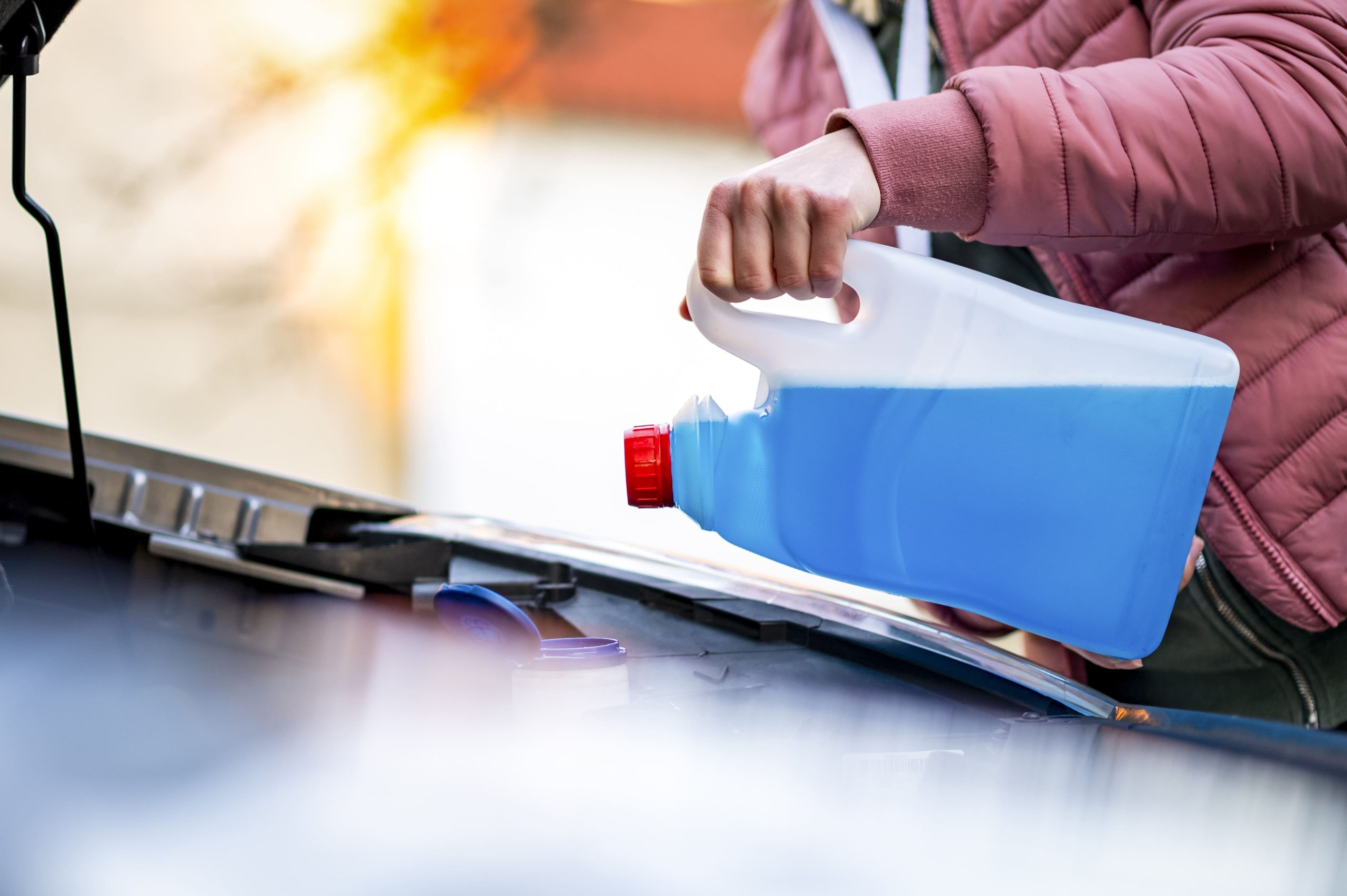
The Philippines windshield washer fluids market is valued at USD ~ million, with the market expanding due to rising car ownership and increased focus on vehicle maintenance. The demand for windshield washer fluids is predominantly driven by the automotive sector, with an increasing number of vehicles requiring frequent cleaning solutions. In 2024, an estimated ~million vehicles are on the road in the Philippines, contributing to the demand for windshield washer fluids. Other contributing factors include the expanding retail distribution channels and consumer awareness about the importance of vehicle visibility, especially during monsoon seasons, which boosts the market’s growth.
Metro Manila, Cebu, and Davao dominate the windshield washer fluids market in the Philippines due to their higher vehicle penetration rates and substantial urban population. Metro Manila, as the capital region, sees a larger concentration of vehicles, thereby pushing the demand for windshield washer fluids. Additionally, Cebu and Davao’s growing urbanization and improvement in infrastructure are major contributors to the increasing vehicle maintenance and care products market in these areas. The weather patterns in these regions also necessitate frequent vehicle cleaning, which boosts the demand for washer fluids.
Market Segmentation
By Product Type
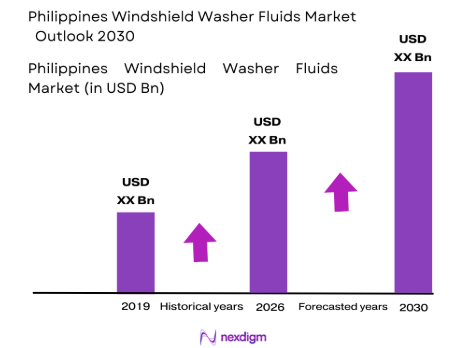
The Philippines windshield washer fluids market is segmented into ready-to-use fluids, concentrates, and specialty fluids (such as anti-freeze or water-repellent). The ready-to-use fluid segment holds a dominant market share in the Philippines. This is primarily due to the ease of use, with customers preferring pre-mixed fluids for convenience, especially in urban areas. Ready-to-use fluids eliminate the need for additional mixing, making them popular among consumers who are looking for hassle-free products. Additionally, these fluids are widely available in both retail and automotive service centres across major cities.
By Application Channel
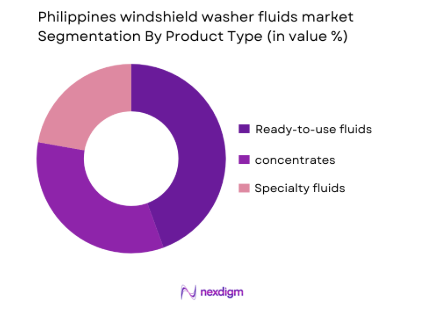
The market is further segmented by application channel, including OEM (Original Equipment Manufacturer) and aftermarket. The aftermarket segment holds a larger share due to the increasing number of vehicles that require windshield washer fluids after they leave the OEM. Independent service centres and automotive workshops are the primary consumers of these fluids, as they cater to a large portion of the vehicle service market. The trend of maintaining older cars and increasing maintenance frequency among drivers in urban centres also adds to the dominance of the aftermarket segment.
Competitive Landscape
The Philippines windshield washer fluids market is moderately consolidated, with key players including both international brands and local manufacturers. Some of the major players in the market include Prestone, Rain-X, Sonax, and local brands like Cargill and ITW Global Brands. These players focus on product innovation, distribution network expansion, and consumer loyalty to maintain a competitive edge. The market remains competitive, with companies continually offering new formulations designed for specific weather conditions such as anti-freeze or water-repellent types to cater to consumer needs.
| Company | Establishment Year | Headquarters | Market Strategy | Product Range | Distribution Network | Pricing Strategy | Innovation Focus |
| Prestone Products Corp | 1927 | USA | ~ | ~ | ~ | ~ | ~ |
| Rain-X | 1972 | USA | ~ | ~ | ~ | ~ | ~ |
| Sonax GmbH | 1950 | Germany | ~ | ~ | ~ | ~ | ~ |
| Cargill | 1865 | USA | ~ | ~ | ~ | ~ | ~ |
| ITW Global Brands | 1912 | USA | ~ | ~ | ~ | ~ | ~ |
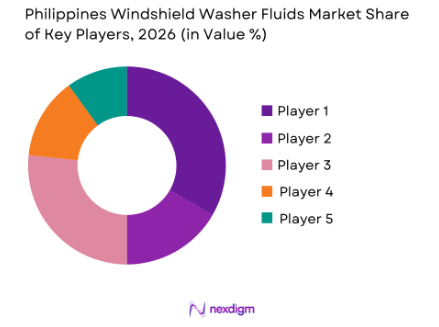
Philippines windshield washer fluids market Analysis
Growth Drivers
Vehicle Parc Growth & Maintenance Spend Uplift
The Philippines is experiencing a consistent rise in vehicular presence on roads, which directly fuels demand for windshield washer fluids used in routine vehicle maintenance and safety. As of May 2024, over ~motor vehicles were registered in the country, including cars, motorcycles, and utility vehicles — a figure that continued to grow into 2024 and 2025 given rising automotive sales and registrations. Road transport remains critical to both personal mobility and commercial activity across the archipelago, with growth driven by household transport needs and logistics services. This expanding motorization rate — driven by population growth and stronger domestic consumption — translates into higher aggregate maintenance spending, including consumables like windshield washer fluids as vehicles age and require regular upkeep.
Consumer Shift to All‑Season Visibility Solutions
Visibility products such as advanced washer fluids that resist rain, dust, or haze are gaining traction in the Philippines due to demanding climatic conditions. With over ~million people in 2024 and ~ million in 2025, the country’s large population underpins massive road usage, especially in urban agglomerations where air quality issues, tropical downpours, and dust exposure are recurrent concerns. This demographic generates significant vehicle movement throughout the year, necessitating products that offer year‑round performance and enhanced visibility. Increased private vehicle ownership and usage — partly reflecting improved overall economic activity confirmed by a steady labour market and domestic consumption — encourages drivers to choose windshield washer fluids suited to varied weather challenges rather than basic, one‑season solutions.
Market Challenges
Weather Seasonality
While weather seasonality increases demand for windshield washer fluids during rainy periods, it also leads to demand fluctuations across dry seasons. The Philippines is exposed to intense monsoon rains and tropical cyclones, causing spikes in washer fluid usage during wet periods but relatively lower demand during prolonged dry spells. Seasonal variation complicates inventory planning and creates demand peaks and troughs for manufacturers and distributors. Although specific vehicle usage statistics for dramatic seasonal changes are not centrally tracked, the Philippines’ climate realities reflect consistent rainfall patterns concentrated in certain months, resulting in uneven annual demand for weather‑specific automotive consumables. Given the tropical climate where heavy rainfall can be unpredictable, sales spikes during monsoon inundations contrast sharply with periods of lower consumption during dry spells, challenging stable production and distribution planning across retail and service networks.
Counterfeit Fluid Influx
A significant challenge for the automotive consumables market in the Philippines is the proliferation of counterfeit or substandard products. While exact sales figures for fake automotive fluids are not published by national bodies, the Philippine Bureau of Customs and Department of Trade and Industry (DTI) frequently highlight that counterfeit automotive and chemical products are seized at ports, reflecting ongoing quality and safety enforcement issues. Counterfeit imports — particularly in chemicals and automotive fluids — strain the legitimate supply chain and lower consumer confidence. The national PICCS inventory now lists over 22,200 chemical substances, an indicator of the complex chemical import landscape where identifying genuine products requires rigorous regulation. Substandard products undermine user safety and can cause damage to vehicles, prompting stricter regulatory monitoring and increased industry‑wide quality control measures.
Opportunities
Eco‑Friendly Formulations
The Philippines’ increasing environmental awareness among consumers and regulators creates an opportunity for eco‑friendly windshield washer fluid formulations. The PICCS register includes more than 22,200 chemical substances currently used or allowed in commerce, demonstrating a baseline from which manufacturers must innovate safely. Eco‑friendly products — such as low‑VOC (volatile organic compound) formulations — appeal to urban drivers concerned about air quality and water runoff impact on the environment. With a large population exceeding 115 million people living in densely populated areas, government agencies like the Department of Environment and Natural Resources (DENR) are actively monitoring chemical inventories and updates to regulate hazardous substances more strictly. Developing low‑impact formulations helps firms align with upcoming environmental regulations, build brand trust, and capture demand from environmentally conscious segments of the automotive market.
E‑Commerce Expansion
The Philippines e‑commerce ecosystem — valued at USD ~billion in 2025 with widespread mobile wallet adoption — presents a significant opportunity for firewalling windshield washer fluid sales through digital channels. Consumers and automotive workshops increasingly purchase parts and consumables online due to convenience, broader selection, and delivery reach, especially in regions outside major cities. The high prevalence of mobile wallets highlights strong digital payment adoption, enabling frictionless online purchasing. All this occurs in a context where national logistics improvements help service island geographies more efficiently. This digital expansion supports niche product categories such as automotive fluids, which benefit from product availability information, online reviews, and direct shipment — broadening market presence beyond traditional retail outlets.
Future Outlook
Over the next six years, the Philippines windshield washer fluids market is expected to show steady growth. The increasing vehicle fleet, along with heightened consumer awareness around vehicle maintenance and visibility, is likely to be a driving force. The market will continue to be influenced by factors such as urbanization, climate change (rain-heavy seasons), and the growing aftermarket sector. Additionally, manufacturers’ efforts to innovate with eco-friendly and specialized formulations will boost demand.
Major Players
- Prestone Products Corporation
- Rain-X
- Sonax GmbH
- Cargill
- ITW Global Brands
- 3M
- Wagner Spray Tech
- Gunk
- CarPlan
- Zymol
- Fram
- Chevron
- Valvoline
- Shell
- Castrol
Key Target Audience
- Automotive OEMs
- Automotive Aftermarket Service Providers
- Car Care Product Manufacturers
- Retail Chains & E-commerce Platforms
- Vehicle Fleet Operators
- Automotive Distributors & Dealers
- Government and Regulatory Bodies
- Investments and Venture Capitalist Firms
Research Methodology
Step 1: Identification of Key Variables
The first step in this research involves identifying all key market drivers, such as vehicle fleet expansion, consumer behaviour trends, and regulatory factors. Data is gathered from credible automotive databases and industry reports to understand the key drivers influencing the windshield washer fluids market.
Step 2: Market Analysis and Construction
In this phase, historical data for the Philippines market is compiled and analyzed, focusing on segment-wise performance (product types, distribution channels). The data is then used to develop a projection model for future market performance.
Step 3: Hypothesis Validation and Expert Consultation
Market hypotheses will be validated by consulting industry experts from automotive service providers, manufacturers, and distributors. These consultations will ensure that the assumptions made during the initial phases are valid and provide industry-specific insights.
Step 4: Research Synthesis and Final Output
The final stage involves synthesizing all collected data, from both primary and secondary sources, to generate actionable insights. Interviews with key industry players will be conducted to refine and validate the data before producing the final research output.

- Executive summary
- Research Methodology (Market Definition & Scope, Data Sources & Verification Logic, Volume vs. Value Estimation Protocol, Competitive Intelligence Framework, Regional Market Normalization Method)

- Market Definition & Scope
- PH Demand Enablers & Inhibitors
- Supply Chain & Trade Flow
- Philippines Market Size Metrics

- Growth Drivers
Vehicle parc growth & maintenance spend uplift
Consumer shift to all‑season visibility solutions
Rising online auto care procurement - Restraints & Challenges
Weather seasonality
Counterfeit fluid influx
Regulation of chemical imports - Opportunities
Eco‑friendly formulations
E‑commerce expansion
B2B fleet contracts - Market Trends
High‑performance water‑repellent segment
Additive‑enriched fluid demand

- Market Value, 2019-2025
- Market Volume, 2019-2025
- Average Selling Price Trends, 2019-2025

- By Product Type (In Value%)
All‑Season Fluids
Water‑Repellent
Anti‑Freeze/Low Temp
Bug/Residue Removal
Eco/Low VOC - By Application Channel (In Value%)
OEM Fitted
Aftermarket (Independent Garages)
Retail/Automotive Shops
E‑Commerce - By Vehicle Type (In Value%)
Passenger Cars
2‑Wheeler Specific Fluids)
Commercial Vehicles/Lorries|
Public Transport Fleets - By Distribution Channel (In Value%)
Traditional Retail
Auto Parts Chains
Workshops & Service Centers
Online Auto Care Channels
- By Price Tier (In Value%)
Premium
Standard
Economy/Value

- Market Share Estimation (Value & Volume)
- Cross Comparison Parameters (Company Overview, Portfolio Breadth, Formulation Technology, Distribution Network Density, Retail Channel Strength, Brand Equity & Consumer Recognition, Pricing Positioning & Tier Strategy, Compliance & Quality Certifications, Revenue by Fluid Category, Growth Initiatives, Sustainability / Eco Offerings, Import/Local Manufacturing Presence, Marketing & Trade Investments, Aftermarket vs OEM Revenue Split)
- SWOT Analysis
- Price Matrix
- Porter’s Five Forces
- Detailed Competitor Profiles
Prestone Products Corporation
ITW Global Brands (Rain‑X)
Recochem Inc.
Sonax GmbH
3M Company
Dorman Products
Camco
ACDelco
Krystal Kleer
Castrol
Gold Eagle
CRC Industries Inc.
Milazzo Industries Inc.
Soft99 Corporation
Qwix Mix
Local/Regional Blenders & Importers

- Private Vehicle Owners
- Urban Commuters
- Online Shoppers
- Eco-Conscious Consumers

- Forecast by Channel,2026-2030
- Product,2026-2030
- Vehicle Type,2026-2030
- Scenario Mapping,2026-2030


 Request a Sample
 Ask for Customization
 Get a Quote
 Enquire Now