
 Download PDF
 Download PDF
Market Overview
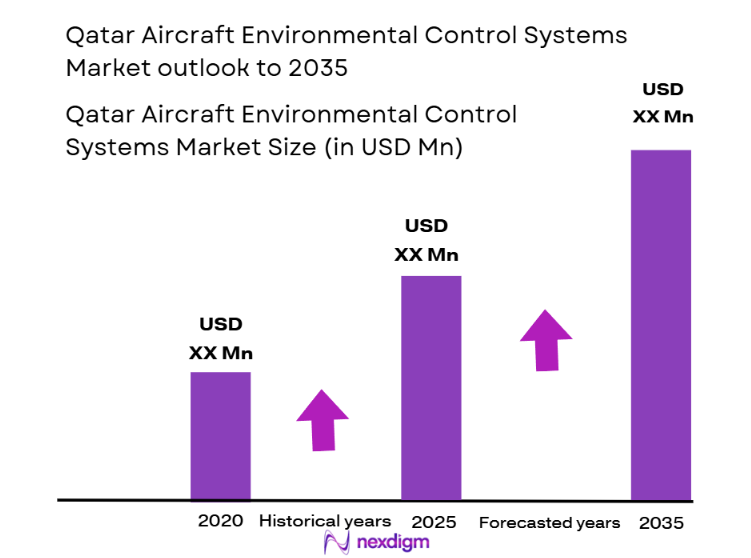
The Qatar Aircraft Environmental Control Systems market is valued at approximately USD ~ million, driven by the ongoing development of the aviation industry in the region. Government investments in infrastructure and the rapidly expanding airline sector are fueling demand for advanced aircraft environmental control solutions. The market is influenced by the growing number of aircraft in service, modernization initiatives, and advancements in energy-efficient and sustainable technologies. The expanding fleet of commercial, cargo, and private aircraft, along with increased air traffic in the Middle East, underpins the market’s growth. According to sources like IATA, air traffic in the Middle East has been on the rise, further contributing to the robust demand for efficient environmental systems onboard aircraft.
Qatar, as a prominent aviation hub in the Middle East, plays a central role in the demand for advanced aircraft environmental control systems. The country’s strategic location between Europe, Africa, and Asia makes it a key player in the global air travel sector. Additionally, Qatar Airways, one of the fastest-growing airlines globally, drives demand for next-generation aircraft environmental systems. Other cities like Dubai and Abu Dhabi also play critical roles in the regional aviation sector, with their expanding fleets of commercial and private aircraft. The combined presence of state-of-the-art airports, increasing international air traffic, and a focus on luxury and efficiency in aircraft systems further solidifies the region’s dominance.
Market Segmentation
By System Type
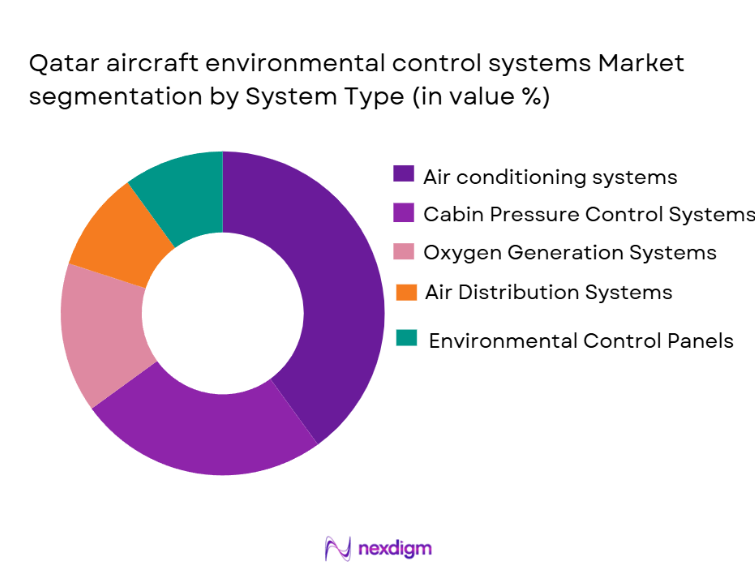
The Qatar Aircraft Environmental Control Systems market is segmented by system type into air conditioning systems, cabin pressure control systems, oxygen generation systems, air distribution systems, and environmental control panels. Among these, air conditioning systems dominate the market. Their widespread use in commercial and private aircraft is driven by their critical role in ensuring passenger comfort and safety during flights. Air conditioning systems are essential for maintaining a controlled environment onboard, especially in long-haul flights. As airlines continue to modernize their fleets with more fuel-efficient aircraft, the demand for advanced, energy-efficient air conditioning systems is growing, making it the dominant subsegment in the region.
By Platform Type
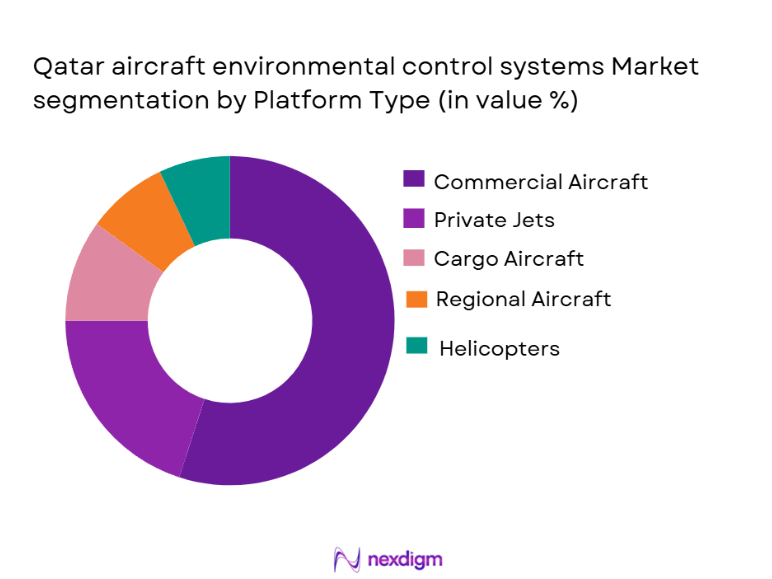
The market is also segmented by platform type into commercial aircraft, private jets, cargo aircraft, regional aircraft, and helicopters. Commercial aircraft are the dominant subsegment, primarily due to the growth in global air travel and the increasing number of long-haul flights operating out of Qatar. Airlines are investing in advanced environmental control systems for their fleets to ensure better energy efficiency and passenger comfort. Qatar Airways, operating a fleet of modern aircraft, plays a pivotal role in driving the demand for these systems. Additionally, the growth of low-cost carriers in the region has led to increased demand for affordable yet efficient environmental systems for commercial aircraft.
Competitive Landscape
The Qatar Aircraft Environmental Control Systems market is dominated by several major global players, including both regional and international companies. The competitive landscape is influenced by a handful of key companies that offer state-of-the-art solutions, including Honeywell Aerospace, Safran, Rockwell Collins, and B/E Aerospace. These companies are known for their technological innovations and the integration of energy-efficient systems that align with the growing demand for sustainability in aviation. Strong brand loyalty, extensive product portfolios, and long-standing partnerships with aircraft manufacturers and airlines in the region reinforce their market positions.
| Company Name | Establishment Year | Headquarters | Product Innovation | Service Network | Technological Advancements | Strategic Partnerships | Market Focus |
| Honeywell Aerospace | 1906 | USA | ~ | ~ | ~ | ~ | ~ |
| Safran | 2005 | France | ~ | ~ | ~ | ~ | ~ |
| Rockwell Collins | 1933 | USA | ~ | ~ | ~ | ~ | ~ |
| B/E Aerospace | 1987 | USA | ~ | ~ | ~ | ~ | ~ |
| Zodiac Aerospace | 1896 | France | ~ | ~ | ~ | ~ | ~ |
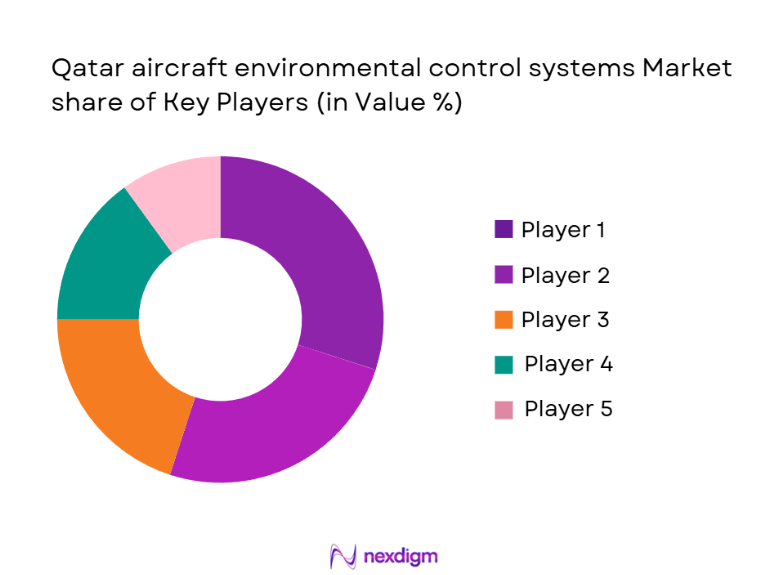
Qatar Aircraft Environmental Control Systems Market Analysis
Growth Drivers
Increasing Air Travel Demand
The rise in passenger traffic, especially within the Middle East, fuels the demand for more advanced and efficient aircraft environmental control systems. This growth is driven by the expansion of both commercial and private aircraft fleets.
Technological Advancements in Environmental Systems
The continuous innovation in environmental control systems, focusing on energy efficiency and passenger comfort, is a major growth driver. Integration of IoT for real-time monitoring and predictive maintenance also plays a key role.
Market Challenges
High Maintenance and Upgrade Costs
Aircraft environmental control systems require regular maintenance and expensive upgrades, which can be a significant cost burden for operators, especially for older aircraft models.
Complex Integration with New Aircraft Models
As new aircraft models are developed with advanced technologies, integrating existing environmental control systems into these new models becomes a technical challenge for both OEMs and MRO service providers.
Opportunities
Adoption of Sustainable Technologies
With the growing emphasis on sustainability, there is an opportunity to develop and implement environmentally friendly environmental control systems that meet the industry’s stricter regulations on emissions and energy consumption.
Expansion of Private Jet Fleets
The rise in the number of private jet owners in the region presents a significant opportunity for suppliers of aircraft environmental control systems, particularly for luxury and comfort-focused innovations in the private jet segment.
Future Outlook
Over the next 5 years, the Qatar Aircraft Environmental Control Systems market is expected to grow significantly, driven by the continuous modernization of the fleet, a surge in international air travel, and a growing emphasis on sustainability and energy efficiency in aviation. The adoption of next-generation environmental systems, designed to reduce energy consumption and improve passenger comfort, is expected to be a key factor in the market’s expansion. Additionally, technological advancements, such as the integration of Internet of Things (IoT) for real-time monitoring and improved system performance, will contribute to the market’s positive growth trajectory.
Major Players in the Market
- Honeywell Aerospace
- Safran
- Rockwell Collins
- B/E Aerospace
- Zodiac Aerospace
- United Technologies Corporation (UTC)
- Lufthansa Technik
- Parker Hannifin
- Aeronamic
- Aero Systems Engineering
- Collins Aerospace
- Airbus
- Boeing
- GE Aviation
- Sabca
Key Target Audience
- Airlines and Aviation Operators
- Aircraft OEMs
- Aircraft Maintenance, Repair, and Overhaul (MRO) Service Providers
- Government and Regulatory Bodies
- Private Jet Operators
- Aviation Investment and Venture Capitalist Firms
- Aerospace Engineering Companies
- Aircraft Component Suppliers
Research Methodology
Step 1: Identification of Key Variables
The first step involves identifying the key factors that influence the Qatar Aircraft Environmental Control Systems market. This includes evaluating the types of environmental systems in use, the technological advancements in the sector, and the key players involved. Extensive secondary research is conducted using databases and industry reports to establish the most critical variables for the market.
Step 2: Market Analysis and Construction
In this phase, historical data and trends are analyzed to construct a robust model of the Qatar Aircraft Environmental Control Systems market. This includes evaluating the market size, product types, platform types, and consumer demand. Service quality and pricing models are also considered to ensure accuracy in revenue estimates.
Step 3: Hypothesis Validation and Expert Consultation
We validate the market hypotheses through interviews and consultations with industry experts, including representatives from OEMs, airlines, and system suppliers. These consultations offer critical insights into market dynamics, helping refine and corroborate the data obtained from secondary research.
Step 4: Research Synthesis and Final Output
The final phase includes direct engagement with major players in the market, such as airlines, OEMs, and MRO service providers. This step provides a deeper understanding of the product segments, sales performance, and evolving consumer preferences, ensuring a comprehensive and accurate analysis of the Qatar Aircraft Environmental Control Systems market.

- Executive Summary
- Research Methodology (Definitions, Scope, Industry Assumptions, Market Sizing Approach, Primary & Secondary Research Framework, Data Collection & Verification Protocol, Analytic Models & Forecast Methodology, Limitations & Research Validity Checks)

- Market Definition and Scope
- Value Chain & Stakeholder Ecosystem
- Regulatory / Certification Landscape
- Sector Dynamics Affecting Demand
- Strategic Initiatives & Infrastructure Growth

- Growth Drivers
Increase in air travel demand in the Middle East
Investment in aircraft fleet modernization
Rising focus on energy-efficient aircraft systems - Market Challenges
High maintenance costs
Complexity of integration with new aircraft models
Limited availability of skilled technicians for advanced systems - Market Opportunities
Expansion of private jet fleets in the region
Adoption of sustainable aviation technologies
Government initiatives for aviation infrastructure development - Trends
Integration of IoT for real-time system monitoring
Shift towards lightweight and energy-efficient components
Growth in demand for advanced air purification systems

- By Market Value 2020-2025
- By Installed Units 2020-2025
- By Average System Price 2020-2025
- By System Complexity Tier 2020-2025

- By System Type (In Value%)
Air Conditioning Systems
Cabin Pressure Control Systems
Oxygen Generation Systems
Air Distribution Systems
Environmental Control Panels - By Platform Type (In Value%)
Commercial Aircraft
Private Jets
Cargo Aircraft
Regional Aircraft
Helicopters - By Fitment Type (In Value%)
Line Fit
Retrofit
OEM Fitments
Upgrades
Custom Modifications - By EndUser Segment (In Value%)
Airlines
Military Aviation
Private Aircraft Operators
OEMs (Original Equipment Manufacturers)
MRO (Maintenance, Repair, Overhaul) Service Providers - By Procurement Channel (In Value%)
Direct Purchases from OEMs
Third-Party Distributors
Online Marketplaces
Government Contracts
Leasing & Rentals

- Market Share Analysis
- CrossComparison Parameters (Market Share, Product Innovation, Service Network, Technological Advancements, Pricing Strategies)
- SWOT Analysis of Key Competitors
- Pricing & Procurement Analysis
- Key Players
Airbus
Boeing
Honeywell Aerospace
Lufthansa Technik
Rockwell Collins
Safran
United Technologies Corporation (UTC)
GE Aviation
SABCA
Aero Systems Engineering
B/E Aerospace
Parker Hannifin
Zodiac Aerospace
C&D Zodiac
Sundstrand

- Airlines seeking cost-effective, energy-efficient systems
- Military aviation requiring specialized environmental controls
- Private aircraft owners focusing on luxury and comfort
- MRO service providers adapting to technological advancements

- Forecast Market Value 2026-2035
- Forecast Installed Units 2026-2035
- Price Forecast by System Tier 2026-2035
- Future Demand by Platform 2026-2035


 Request a Sample
 Ask for Customization
 Get a Quote
 Enquire Now