
 Download PDF
 Download PDF
Market Overview
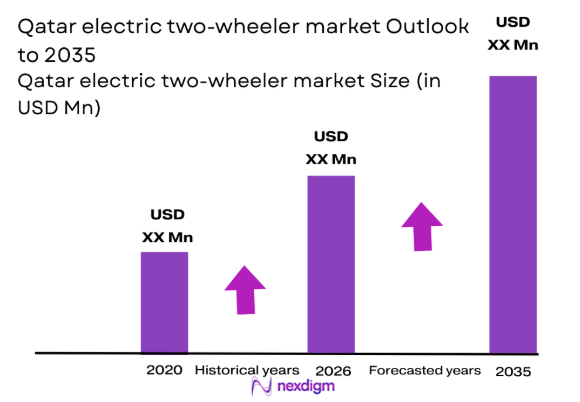
The Qatar electric two-wheeler market is poised for significant growth, driven by increased government initiatives promoting clean energy and sustainable transportation solutions. Based on a recent historical assessment, the market size valued at USD ~ million. The government’s commitment to reducing carbon emissions, coupled with financial incentives for consumers adopting electric vehicles, is expected to be the primary driver of this growth. Additionally, the shift in consumer preference towards greener alternatives is accelerating demand for electric two-wheelers in urban areas.
Qatar’s major cities, especially Doha, are leading the adoption of electric two-wheelers. The country’s strategic vision to promote clean energy and reduce dependency on fossil fuels, supported by infrastructure developments and policy initiatives, makes it an ideal market for electric vehicles. With Qatar’s ongoing investments in electric vehicle charging infrastructure and policies encouraging sustainable mobility, the adoption of electric two-wheelers is expected to expand, especially in urban mobility and fleet management solutions.
Market Segmentation
By Product Type
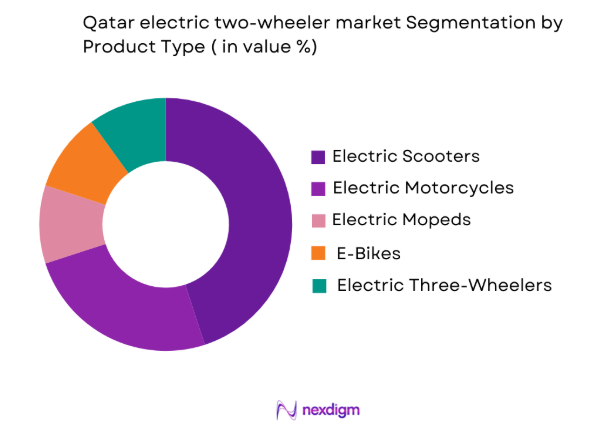
The Qatar electric two-wheeler market is segmented by product type into electric scooters, electric motorcycles, electric mopeds, e-bikes, and electric three-wheelers. Among these, electric scooters have emerged as the dominant product type due to their affordability, convenience, and suitability for urban commuting. As Qatar experiences rapid urbanization, demand for compact and eco-friendly transportation solutions like electric scooters is expected to continue rising, making them the most popular choice among consumers looking for cost-effective and sustainable mobility solutions.
By Platform Type
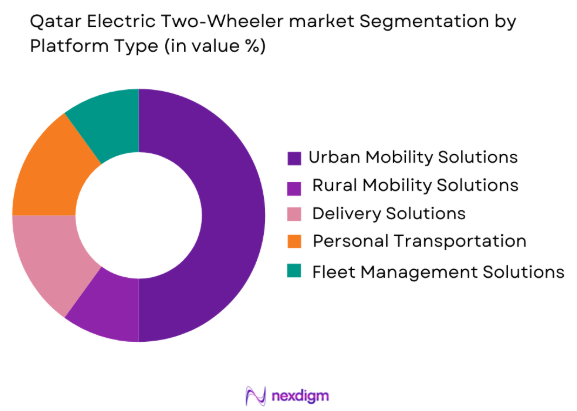
The market for electric two-wheelers in Qatar is also segmented by platform type, including urban mobility solutions, rural mobility solutions, delivery solutions, personal transportation, and fleet management solutions. Urban mobility solutions dominate this segment, driven by the growing demand for efficient and environmentally friendly transportation options in densely populated cities like Doha. With an increasing focus on reducing traffic congestion and pollution, electric two-wheelers, particularly in the form of scooters and e-bikes, are becoming the preferred mode of transport for daily commuters in urban areas.
Competitive Landscape
The competitive landscape of the Qatar electric two-wheeler market is characterized by a mix of international and local players striving to establish their presence. The market is highly competitive, with manufacturers offering a variety of models that cater to different consumer needs, from eco-conscious individuals to businesses looking for delivery solutions. Major players are focusing on technology innovation, product diversification, and strategic collaborations with local governments to capitalize on the increasing demand for electric two-wheelers.
| Company Name | Establishment Year | Headquarters | Technology Focus | Market Reach | Key Products | Revenue | Market-Specific Parameter |
| Tesla | 2003 | Palo Alto, USA | ~ | ~ | ~ | ~ | ~ |
| Honda Motor Co. | 1948 | Tokyo, Japan | ~ | ~ | ~ | ~ | ~ |
| Yamaha Motor Co. | 1953 | Iwata, Japan | ~ | ~ | ~ | ~ | ~ |
| NIU Technologies | 2014 | Beijing, China | ~ | ~ | ~ | ~ | ~ |
| Hero Electric | 1956 | Ludhiana, India | ~ | ~ | ~ | ~ | ~ |
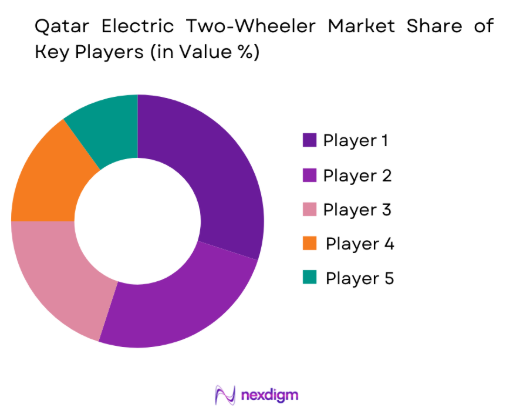
Qatar Electric Two-Wheeler Market Analysis
Growth Drivers
Government Incentives for Electric Vehicles
The Qatari government has implemented policies such as subsidies, tax exemptions, and grants to encourage the adoption of electric vehicles, including electric two-wheelers. These incentives help reduce the cost of these vehicles, making them more affordable for consumers. Additionally, the government’s focus on expanding charging infrastructure plays a vital role in supporting market growth by addressing concerns about accessibility and convenience. As more charging stations are introduced, potential consumers are more likely to embrace electric two-wheelers, knowing they have the necessary infrastructure in place. These combined efforts aim to accelerate the transition to sustainable transportation and strengthen the electric vehicle market in Qatar.
Urbanization and Traffic Congestion
Rapid urbanization in Qatar, especially in cities like Doha, has resulted in increased traffic congestion and a growing need for efficient transportation solutions. Electric two-wheelers present an eco-friendly, space-saving option that helps reduce parking demand and eases daily commutes. Their compact size and low environmental impact make them an appealing alternative to traditional vehicles, particularly in congested urban areas. As the government focuses on improving urban mobility through smart city initiatives and infrastructure development, electric two-wheelers align with these goals by providing a sustainable and efficient mode of transport. This growing trend toward greener mobility makes electric two-wheelers an attractive solution for the future of transportation in Qatar.
Market Challenges
High Initial Costs of Electric Two-Wheelers
Despite government incentives aimed at offsetting costs, the high initial price of electric two-wheelers remains a significant challenge. The advanced technology and battery systems required to power electric vehicles contribute to the elevated upfront cost, making them less affordable for many consumers when compared to traditional gasoline-powered alternatives. This price disparity limits the adoption of electric two-wheelers, especially among price-sensitive buyers. To drive broader market acceptance, more affordable models with competitive pricing will be essential. Manufacturers need to focus on reducing production costs and improving battery efficiency to offer budget-friendly options, ensuring that electric two-wheelers become more accessible to a wider range of consumers.
Limited Charging Infrastructure
The availability of charging stations remains a key barrier to the widespread adoption of electric two-wheelers. Despite government efforts to expand infrastructure, coverage is still limited, particularly in rural and suburban areas. The lack of charging stations in these regions contributes to range anxiety, making potential consumers hesitant to switch to electric two-wheelers. As a result, market growth is constrained, as many individuals remain unsure about the convenience and accessibility of charging options. To drive higher adoption rates, expanding the charging infrastructure, especially in less urbanized areas, is crucial for ensuring consumers feel confident in transitioning to electric mobility.
Opportunities
Integration of Smart Technology
The integration of smart technology, including IoT and real-time data analytics, into electric two-wheelers offers significant benefits for consumers, providing enhanced control, monitoring, and convenience. This technology allows riders to track performance, monitor battery health, and receive real-time alerts, improving the overall user experience. For manufacturers, incorporating smart features presents a unique opportunity to differentiate their products in an increasingly competitive market. This aligns with Qatar’s focus on developing sustainable, technology-driven transportation solutions, positioning electric two-wheelers as a key component in the country’s push towards green mobility. By leveraging these advancements, manufacturers can meet growing consumer demand for innovative and eco-friendly transportation options.
Government Infrastructure Investments
Ongoing government investments in electric vehicle infrastructure, particularly the expansion of charging stations, present a major opportunity for the electric two-wheeler market. The increased accessibility of charging points will address one of the key challenges to EV adoption—range anxiety—making it more convenient for consumers to transition to electric two-wheelers. Coupled with government subsidies and incentives for both infrastructure development and vehicle purchases, these investments will accelerate the adoption of electric two-wheelers, expanding the consumer base. As charging infrastructure grows and becomes more widespread, the market for electric two-wheelers is expected to experience significant growth, supporting the broader shift towards sustainable transportation.
Future Outlook
The future outlook for the Qatar electric two-wheeler market is highly promising, driven by a combination of government initiatives, consumer demand for sustainable mobility solutions, and technological advancements. Over the next five years, the market is expected to witness strong growth, fueled by the expansion of electric vehicle infrastructure and the introduction of new, more affordable electric two-wheeler models. The government’s continued investments in green technologies and sustainability, coupled with efforts to enhance the urban mobility ecosystem, will further contribute to the market’s expansion. As charging infrastructure improves, and consumer awareness grows regarding the long-term benefits of electric two-wheelers, Qatar is poised to become a regional leader in the electric mobility sector, with electric two-wheelers playing a significant role in the country’s transportation landscape.
Major Players
- Tesla
- Honda Motor Co.
- Yamaha Motor Co.
- NIU Technologies
- Hero Electric
- Gogoro
- BMW Motorrad
- EnergicaMotor Company
- Zero Motorcycles
- Razor USA
- Vespa
- Piaggio Group
- Revibike
- Ampere Vehicles
- OkinawaAutotech
Key Target Audience
- Investments and venture capitalist firms
- Government and regulatory bodies
- Fleet operators
- Ride-hailing services
- Delivery companies
- Private consumers
- EV infrastructure providers
- Charging station operators
Research Methodology
Step 1: Identification of Key Variables
The research begins with identifying key factors affecting the market, such as demand patterns, government incentives, and technological advancements.
Step 2: Market Analysis and Construction
A thorough analysis of market dynamics is conducted, covering trends, growth drivers, and challenges, using primary and secondary research sources.
Step 3: Hypothesis Validation and Expert Consultation
The findings from the market analysis are validated through consultations with industry experts, key stakeholders, and market participants.
Step 4: Research Synthesis and Final Output
The data is synthesized into a comprehensive market report, providing insights into the market’s current state and future potential.

- Executive Summary
- Research Methodology (Definitions, Scope, Industry Assumptions, Market Sizing Approach, Primary & Secondary Research Framework, Data Collection & Verification Protocol, Analytic Models & Forecast Methodology, Limitations & Research Validity Checks)

- Market Definition and Scope
- Value Chain & Stakeholder Ecosystem
- Regulatory / Certification Landscape
- Sector Dynamics Affecting Demand
- Strategic Initiatives & Infrastructure Growth

- Growth Drivers
Increasing Environmental Awareness
Government Incentives for Clean Transportation
Urbanization and Congestion Challenges - Market Challenges
High Initial Costs of Electric Two-Wheelers
Limited Charging Infrastructure
Regulatory Challenges - Market Opportunities
Integration of Smart Technologies in Electric Vehicles
Government Initiatives for Sustainable Mobility
Expansion of Charging Networks - Trends
Shift Toward Sustainable Urban Mobility
Growth in Last-Mile Delivery Services
Rising Adoption of Ride-Sharing Platforms - Government Regulations
- Porter’s Five Forces
- SWOT Analysis of Key Competitors

- By Market Value, 2020-2025
- By Installed Units, 2020-2025
- By Average System Price, 2020-2025
- By System Complexity Tier, 2020-2025

- By System Type (In Value%)
Electric Scooters
Electric Motorcycles
Electric Mopeds
E-Bikes
Electric Three-Wheelers - By Platform Type (In Value%)
Urban Mobility Solutions
Rural Mobility Solutions
Delivery Solutions
Personal Transportation
Fleet Management Solutions - By Fitment Type (In Value%)
Original Equipment Manufacturer (OEM)
Aftermarket Solutions
Integrated Mobility Solutions
Ride-Sharing Solutions
Customized Fitments - By End User Segment (In Value%)
Private Consumers
Fleet Operators
Ride-Hailing Services
Delivery Companies
Government and Public Transport - By Procurement Channel (In Value%)
Direct Procurement
Dealer Networks
Online Platforms
Government Tenders
Corporate Fleet Orders

- Market Share Analysis
- Cross Comparison Parameters (System Type, Platform Type, Procurement Channel, End User Segment, Fitment Type, Charging Infrastructure, Regulatory Compliance, Battery Technology, Market Adoption Rate, Fleet Management Solutions)
- SWOT Analysis of Key Competitors
- Pricing & Procurement Analysis
- Key Players
Tesla
Honda Motor Co.
Yamaha Motor Co.
Energica Motor Company
Zero Motorcycles
BMW Motorrad
Gogoro
NIU Technologies
Hero Electric
Razor USA
Vespa
Piaggio Group
Revibike
Ampere Vehicles
Okinawa Autotech

- Government Fleet Procurement Initiatives
- Private Consumer Adoption Trends
- Growth of E-commerce and Delivery Services
- Rural Areas’ Potential for Electric Two-Wheelers

- Forecast Market Value, 2026-2035
- Forecast Installed Units, 2026-2035
- Price Forecast by System Tier, 2026-2035
- Future Demand by Platform, 2026-2035


 Request a Sample
 Ask for Customization
 Get a Quote
 Enquire Now