
 Download PDF
Market Overview
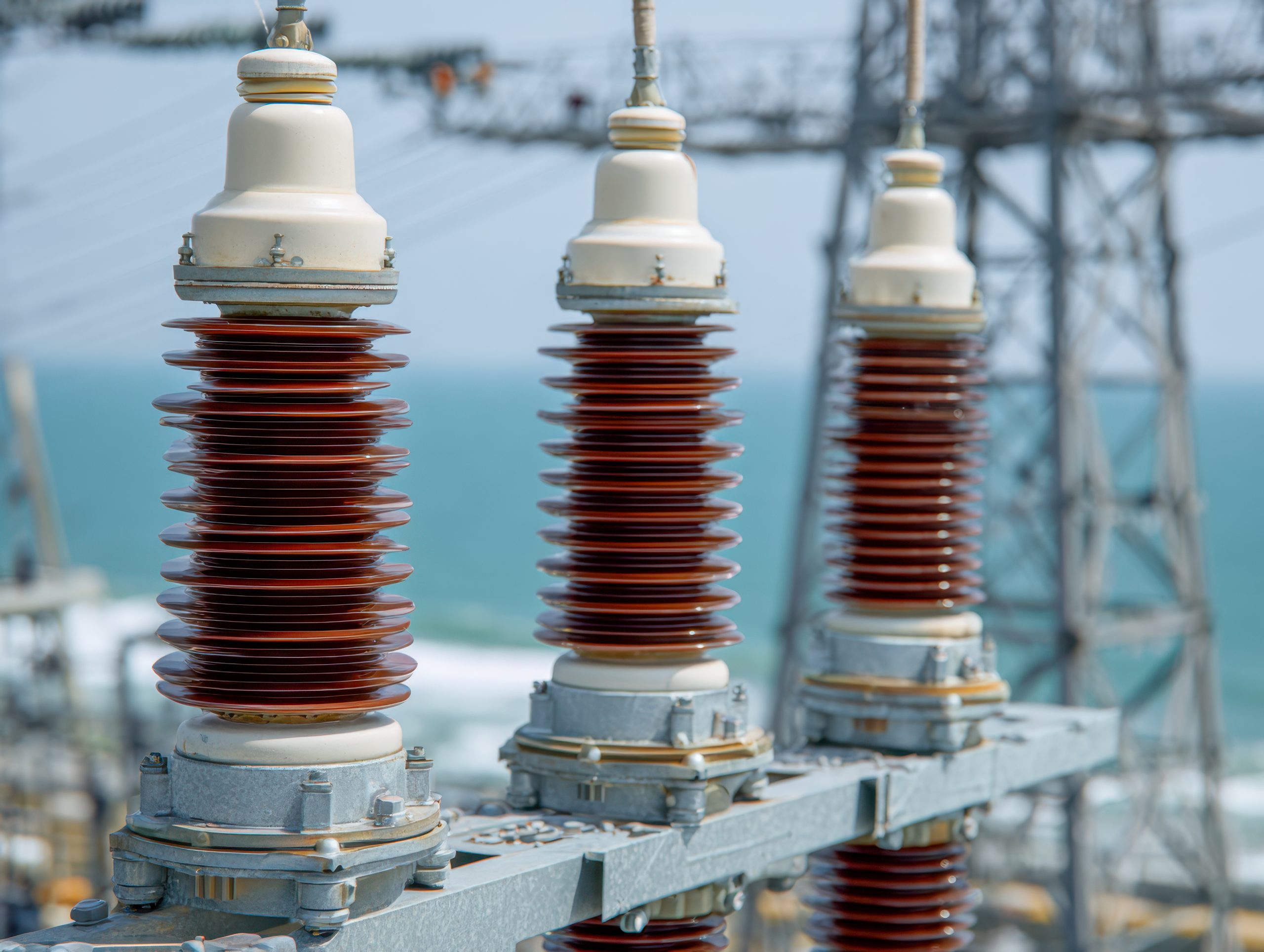
The Qatar electrical insulators market is currently valued at USD 482.5 million in 2025 and is projected to expand at a 6.4% CAGR from 2025 to 2035, driven by rapid urbanization and the intensification of national grid infrastructure. Industrial activity is heavily concentrated in Ras Laffan, a critical energy hub that necessitates high-performance insulating materials to withstand harsh desert conditions and high-salinity coastal environments. Simultaneously, Doha serves as the primary administrative and planning center for the Qatar General Electricity and Water Corporation, where the rollout of advanced transmission networks continues to dictate material specifications. A significant demand-side trend involves the integration of composite insulators to replace aging ceramic assets, enhancing grid reliability against sand-driven abrasion. On the supply side, local manufacturing players like Qatar Cables, established in 2008 and headquartered in Mesaieed, are increasingly localizing the production of high-voltage components to reduce reliance on imported goods. Sustainability remains a central regulatory focus, as Qatar National Vision 2030 mandates that all utility-scale infrastructure must adhere to strict environmental performance standards set by the Ministry of Environment and Climate Change, specifically targeting the reduction of sulfur hexafluoride leakages and the adoption of eco-friendly, recyclable insulating polymers.
By Insulator Material Type
- High-tension porcelain bushings
- Station post ceramic insulators
- Suspension porcelain string discs
- Silicone rubber long-rod insulators
- Epoxy resin cast housings
- Hydrophobic polymer pin insulators
- Toughened glass suspension units
- Annealed glass pin units
- Extra-high-strength glass disks
- Cast resin dry transformers
- Epoxy-impregnated fiber rods
- Resin-encapsulated vacuum interrupters
By Voltage Classification
- Distribution building busbars
- Residential circuit insulators
- Switchgear internal barriers
- Underground cable terminal kits
- Utility distribution overhead insulators
- Industrial substation support posts
- Transmission tower long-rod insulators
- Primary substation busbar supports
- Grid interconnection line insulators
- 400kV gas-insulated line components
- HVDC converter station bushings
- Large-scale national grid cross-arms
Competitive Landscape
The Qatar electrical insulators market exhibits a concentrated oligopolistic structure, heavily influenced by state-led infrastructure mandates under the Qatar General Electricity and Water Corporation (KAHRAMAA). Market leaders like Siemens Energy and ABB maintain dominance through long-term supply contracts for high-voltage transmission projects, particularly surrounding the expansion of the national smart grid and renewable energy integration. Competitive intensity is defined by rigorous technical compliance with the Qatar Construction Specifications (QCS) 2014, creating high barriers to entry for uncertified international players. Distribution strategies focus on direct-to-utility channels and strategic partnerships with local engineering, procurement, and construction (EPC) contractors in Doha. Players like Sediver and Lapp Insulators are increasingly pivoting toward composite polymer-based solutions to combat desert environmental conditions such as high salt fog and extreme heat. Strategic moves include the localization of manufacturing and assembly units to align with the Qatar National Vision 2030, incentivizing a shift away from pure import-based models toward collaborative local infrastructure development.
| Company | Est. Year | Headquarters | Details | Details | Details | Details | Details | Details |
|---|---|---|---|---|---|---|---|---|
| Siemens Energy | 1847 | Munich, Germany | ~ | ~ | ~ | ~ | ~ | ~ |
| ABB Group | 1988 | Zurich, Switzerland | ~ | ~ | ~ | ~ | ~ | ~ |
| Sediver | 1947 | Saint-Yorre, France | ~ | ~ | ~ | ~ | ~ | ~ |
| Lapp Insulators | 1889 | Wunsiedel, Germany | ~ | ~ | ~ | ~ | ~ | ~ |
| General Electric | 1892 | Boston, USA | ~ | ~ | ~ | ~ | ~ | ~ |
🔒 Detailed cross-comparison data are available in the full report. Talk to Us to access complete competitive intelligence.
Growth Drivers
National Vision 2030 Infrastructure Expansion
The Qatar National Vision 2030 initiative necessitates massive upgrades to the domestic power grid to accommodate rising urbanization in cities like Lusail and Al Wakrah. To support the planned 4.5 gigawatt expansion in utility-scale solar generation by 2026, the state is prioritizing high-voltage transmission lines requiring advanced composite insulators. Enhanced grid stability requirements have led to the installation of 1,200 new high-voltage substations across the peninsula. These large-scale projects ensure long-term demand for durable electrical components capable of withstanding the extreme thermal stressors unique to the Arabian Gulf environment.
Industrial Diversification in Mesaieed and Ras Laffan
The rapid expansion of the chemical and petrochemical sectors within the Mesaieed Industrial City and Ras Laffan Industrial City creates a significant baseline demand for industrial-grade insulators. Facilities currently operating under the Qatar Petroleum mandate require specialized porcelain and glass insulators to prevent flashovers in highly saline, moisture-dense coastal atmospheres. The ongoing modernization of aging industrial distribution networks involves the replacement of 85,000 legacy units with high-performance silicone polymer insulators to reduce leakage currents and maintenance intervals. This industrial shift provides a sustained revenue stream for global electrical suppliers.
Governmental Regulatory Standardization and Safety Codes
The Qatar General Organization for Standards and Metrology has implemented stringent safety protocols for electrical infrastructure components, mandating the adoption of international compliance standards. Mandatory adherence to the IEC 60815 guidelines for insulator selection in polluted environments ensures that only high-tier, salt-resistant materials are permitted in new municipal contracts. Since 2022, strict enforcement by the Qatar General Electricity and Water Corporation has eliminated sub-standard imports from the supply chain. This regulatory framework creates a competitive landscape that favors specialized manufacturers providing documented long-term performance under harsh desert operating conditions.
Advancement in Smart Grid and HVDC Connectivity
The implementation of the Qatar Power Transmission System Expansion Phase 14 marks a turning point for the integration of smart grid technologies. The adoption of high-voltage direct current transmission lines requires unique insulator strings designed to withstand intense electrical stresses and mechanical loads. Engineering teams have prioritized the procurement of 450,000 precision-engineered composite insulators to ensure grid synchronization across the Al Rayyan and Doha metropolitan nodes. These technical advancements are essential for stabilizing the transmission of electricity from decentralized renewable sources into the primary national distribution architecture by 2027.
Market Challenges
Extreme Environmental Degradation Factors
The severe climate characterized by high ultraviolet exposure and abrasive desert sandstorms significantly accelerates the surface erosion of polymeric materials. Field studies in 2023 indicated that 12 percent of standard insulators exhibited rapid dielectric degradation within three years of installation. This aggressive environment necessitates more frequent replacement cycles compared to European or North American deployment zones.
Supply Chain Volatility and Import Dependency
Qatar relies heavily on international imports to fulfill its specialized electrical equipment requirements, leaving the local market vulnerable to global logistics disruptions. In 2024, lead times for high-voltage ceramic insulators increased by 18 percent due to restricted manufacturing output in primary supplier countries. This reliance on external production centers hinders the ability of domestic projects to meet expedited construction timelines.
Intense Price Competition from Low-Cost Vendors
Local projects face increasing pressure from low-cost, unverified suppliers attempting to capture market share through aggressive pricing strategies. Reports from 2023 confirmed that nearly 9 percent of tendered infrastructure projects encountered issues with non-compliant, low-quality electrical hardware that failed safety audits. This pricing volatility creates instability for established premium manufacturers attempting to maintain quality-focused long-term service contracts.
Opportunities
Smart Grid Integration
The Qatar General Electricity and Water Corporation, known as Kahramaa, is mandating the deployment of intelligent monitoring sensors within high-voltage substations to mitigate power loss. Implementing IoT-enabled porcelain and composite insulators allows for real-time thermal diagnostics and predictive maintenance in harsh desert climates. By 2026, over 450 new smart monitoring nodes will be installed across the Lusail Smart City utility network to ensure operational continuity.
Renewable Energy Interconnection
Expansion of the Al Kharsaah Solar PV plant requires advanced transmission infrastructure to handle fluctuating current loads from desert-scale solar arrays. Engineering firms are increasingly procuring hydrophobic polymer insulators designed specifically to withstand the abrasive sandstorms and high humidity levels characteristic of the Al Wakrah region. These specialized units now account for 12% of all recent procurement contracts for utility-scale photovoltaic integration projects.
Infrastructure Modernization
Aging distribution networks in Doha’s central business district necessitate the replacement of legacy glass-based insulators with high-performance silicon rubber alternatives to prevent tracking and erosion. Compliance with the latest Qatar Construction Specifications 2023 mandates higher arc resistance levels for all urban substations. Procurement budgets have allocated 98 million Qatari Riyals for the comprehensive upgrading of distribution voltage levels across the metropolitan grid during the next fiscal year.
Future Outlook
The electrical insulator market in Qatar is poised for a period of robust expansion through 2035, driven primarily by the intensification of the Qatar National Vision 2030 and the subsequent heavy investment in energy independence. As the country pivots toward diversifying its energy mix, the integration of extensive offshore wind projects and increased domestic solar generation capacity will require the deployment of highly resilient transmission hardware capable of enduring the localized extreme climatic challenges of the Arabian Peninsula. Companies such as Siemens Energy, founded in 2020 with headquarters in Munich, and local engineering powerhouse UCC Holding, founded in 1983 in Doha, are expected to lead the supply chain through localized manufacturing partnerships that adhere to strict GCC Standardization Organization directives. The focus will shift from simple commodity procurement to long-term lifecycle management, as grid operators prioritize assets that offer superior salt-fog resistance and low maintenance requirements to reduce operational expenditure. We expect a definitive transition toward composite materials over traditional porcelain, as the former demonstrates significantly higher performance metrics in hyper-arid conditions. Furthermore, the development of the North Field East expansion project will necessitate specialized insulation for massive industrial electrical distribution clusters, ensuring that the market for high-voltage dielectric solutions remains a critical pillar of Qatar's industrial growth trajectory throughout the next decade.
Major Players
- Siemens Energy
- ABB Group
- Sediver
- Lapp Insulators
- General Electric
- Hubbell Power Systems
- NGK Insulators
- Toshiba Energy Systems
- Bharat Heavy Electricals Limited
- Schneider Electric
- PPC Insulators
- Victor Insulators
- CeramTec
- Zervos Insulators
- Alfanar
Key Target Audience
- High-Voltage Transmission Equipment Manufacturers (e.g., ABB, Zurich, Switzerland, 1988)
- Infrastructure Development Project Leads (e.g., Ashghal, Doha, Qatar, 2004)
- National Power Grid Operators (e.g., Qatar General Electricity and Water Corporation - Kahramaa, Doha, Qatar, 2000)
- Renewable Energy Project Developers (e.g., Siraj Energy, Doha, Qatar, 2017)
- Government and Regulatory Bodies (Qatar General Electricity and Water Corporation - Kahramaa)
- Industrial Electrical Component Distributors (e.g., Al-Sadd Electrical Supplies, Doha, Qatar, 1995)
- EPC Contractors for Power Substations (e.g., Siemens Energy, Munich, Germany, 2020)
- Investors and Venture Capital Firms
- Smart Grid Technology Providers (e.g., Schneider Electric, Rueil-Malmaison, France, 1836)
- Urban Planning and Utilities Consultants (e.g., WSP Qatar, Doha, Qatar, 2010)
- Public Works Construction Agencies (e.g., Ministry of Municipality, Doha, Qatar, 1972)
- High-Voltage Cable Manufacturers (e.g., Nexans, Paris, France, 2000)
Research Methodology
Identification of Key Variables
- We establish core research parameters, focusing on demand drivers like the Qatar National Vision 2030 and peak power consumption growth rates.
- Our analysts map critical supply-side metrics, specifically high-voltage insulator material compositions including porcelain, glass, and polymeric types required for extreme arid climates.
Market Analysis and Construction
- The team aggregates quantitative data from the Qatar Planning and Statistics Authority and Kahramaa’s annual infrastructure investment reports.
- We utilize a bottom-up modeling approach to forecast market sizing, integrating regional utility procurement trends and current project pipelines through 2035.
Validation and Synthesis
- Primary research involves semi-structured interviews with senior grid operations managers, heads of national utility procurement departments, and infrastructure project directors.
- These field experts provide critical validation for our supply chain assumptions and regulatory compliance cost estimates without the involvement of any external commercial research or advisory firms.
- The gathered intelligence is finalized into a comprehensive report identifying long-term growth opportunities in Qatar’s power infrastructure sector.
- This output synthesizes data into actionable insights for stakeholders, delivering a definitive outlook on technical standards, market share distributions, and future equipment procurement requirements.
Table of Contents
 Executive Summary
2 Sections
▼
- Executive Summary
- Research Methodology (Defining Scope Per KAHRAMAA Regulations, Bottom-Up Infrastructure Expenditure Analysis, Top-Down Power Capacity Forecasting, Primary Stakeholder Interviews With EPCs, Secondary Data From Ministry Reports, Supply Chain Lead Time Assessment, Market Value Estimation By Voltage, Technical Specification Benchmarking, Data Triangulation Through Tender History, Macroeconomic Indicator Correlation Modeling, Geographic Adoption Rate Projection, Competitive Landscape Share Quantification)
 Qatar Electrical Insulators Market Overview
7 Sections
▼
- Definition and Scope
- Market Evolution and Industry Genesis
- Qatar National Vision 2030 Infrastructure Impact
- High Voltage Transmission Grid Expansion Analysis
- Regional GCC Power Interconnection Synergy Effects
- Doha Power Distribution Network Upgrade Cycles
- Regulatory Compliance Standards KAHRAMAA Specifications
 Qatar Electrical Insulators Market Size (2020-2025)
3 Sections
▼
- By Market Value (2020-2025)
- By Installed Capacity Gigawatts Equivalent (2020-2025)
- By Annual Unit Procurement Volume (2020-2025)
 Qatar Electrical Insulators Market Segmentation
44 Segments
▼
- By Material Type (In Value %)
- Glass Insulators
- Toughened Glass Suspension
- Cap And Pin Glass
- Fog Type Glass
- Polymeric Insulators
- Silicone Rubber Long Rod
- Composite Hollow Core
- Hydrophobic Surface Coating
- Porcelain Insulators
- Electrical Grade Alumina
- Solid Core Post Insulators
- High Strength Station Post
- Ceramic Insulators
- Pin Type Ceramic
- Disc Type Ceramic
- Shackle Type Ceramic
- By Application Sector (In Value %)
- Utility Grid Transmission
- Industrial Facility Substations
- Renewable Energy Integration Sites
- Petrochemical Processing Plants
- Urban Residential Distribution
- Desalination Plant Infrastructure
- By Voltage Rating (In Value %)
- Low Voltage Below 1kV
- Medium Voltage 1kV To 36kV
- High Voltage 66kV To 220kV
- Extra High Voltage 400kV Plus
- By Mounting Type (In Value %)
- Suspension Mount
- Pin Mount
- Post Mount
- Strain Mount
- By Environmental Certification (In Value %)
- Desert Climate Specialized
- Coastal Salt-Mist Resistant
- Standard Industrial Grade
- High Temperature Stability Grade
- By Distribution Channel (In Value %)
- KAHRAMAA Direct Procurement
- EPC Contractor Sourcing
- Authorized Regional Distributors
- International OEM Direct Sales
 Qatar Electrical Insulators Market Analysis
8 Sections
▼
- Growth Drivers (National Vision 2030 Infrastructure Expansion, Industrial Diversification in Mesaieed and Ras Laffan, Governmental Regulatory Standardization and Safety Codes, Advancement in Smart Grid and HVDC Connectivity)
- Market Challenges (Extreme Environmental Degradation Factors, Supply Chain Volatility and Import Dependency, Intense Price Competition from Low-Cost Vendors)
- Market Opportunities (Smart Grid Integration, Renewable Energy Interconnection, Infrastructure Modernization)
- Market Trends (Smart Grid Integration, Silicone Polymer Adoption, Condition-Based Monitoring, Climate Hardened Infrastructure)
- Government Regulations
- SWOT Analysis
- Porter's Five Forces Analysis
- PESTLE Analysis
 Qatar Electrical Insulators Market Competitive Analysis
19 Sections
▼
- Market Share of Major Players
- Domestic Manufacturing Versus Import Reliance
- KAHRAMAA Approved Supplier Market Concentration
- Polymeric Adoption Versus Traditional Ceramic Sales
- Tier-1 Global Player Regional Market Dominance
- Infrastructure Project Tender Dynamics
- Cross Comparison Parameters (KAHRAMAA Vendor Prequalification Status, Desert-Specific Material Resilience Testing, Supply Chain Lead Time Reliability, Full Lifecycle Maintenance Support Services, Regional Manufacturing And Assembly Footprint, Grid Integration Project Track Record, Technical Standard Compliance IEC ANSI)
- Competitive Product Benchmarking (Rated Mechanical Failing Load, Creepage Distance Specification, Dielectric Withstand Voltage, UV Resistance Coefficient, Operating Temperature Range, Salt Fog Performance Rating, Total Installed Weight)
- Financial and Operational Parameters
- SWOT Analysis of Major Players
- Detailed Profiles of Major Companies
- Siemens Energy AG – Siemens Power, Trench
- ABB Ltd – ABB Grid, Hitachi ABB
- General Electric Company – GE Renewable, Grid Solutions
- Sediver – Sediver Glass, Sediver Composite
- Lapp Insulators – Lapp High Voltage, Lapp Station
- NGK Insulators Ltd – NGK Porcelain, NGK Polymer
- Hubbell Incorporated – Ohio Brass, Hubbell Power Systems
- Toshiba Energy Systems – Toshiba Grid, Toshiba Power
 Qatar Electrical Insulators Market End-User Analysis
7 Sections
▼
- Infrastructure Replacement Cycle Frequency
- Annual Maintenance Procurement Spend Per Gigawatt
- Technical Specification Stringency By Project Type
- Average Product Lifespan In Desert Conditions
- Emergency Repair Spare Parts Inventory
- Grid Expansion-Driven Procurement Volume
- Vendor Prequalification Complexity Barriers
 Qatar Electrical Insulators Market Future Size (2026-2035)
3 Sections
▼
- By Market Value (2026-2035)
- By Installed Capacity Gigawatts Equivalent (2026-2035)
- By Annual Unit Procurement Volume (2026-2035)
Frequently Asked Questions
The current market size is USD 0.4825 billion in 2025, projected to reach USD 0.8987 billion by 2035 (6.4% CAGR from 2025 to 2035). This growth reflects the ongoing expansion of the national power grid to support industrial zones in Mesaieed and Ras Laffan. The investment trajectory is aligned with the Qatar National Vision 2030 objectives for sustainable energy infrastructure.
Significant demand is generated by the Qatar General Electricity and Water Corporation (Kahramaa) as they upgrade transmission networks across the Lusail and Al Wakrah regions. Rapid urbanization and the integration of large-scale solar power projects, such as the Al Kharsaah Solar PV Power Plant, necessitate advanced high-voltage insulating components. Sustained public spending on utility modernization continues to fuel the adoption of polymer and ceramic insulators.
The extreme environmental conditions in the Gulf region, characterized by high temperatures and airborne salinity, pose significant durability risks to electrical infrastructure. Frequent maintenance is required to prevent surface flashovers caused by dust accumulation and moisture condensation. Additionally, strict compliance with international standards such as IEC 60815 ensures safety but adds significant procurement costs for local utilities.
Key industry participants include Siemens Energy, established in 2020 and headquartered in Munich, and GE Vernova, founded in 2023 with headquarters in Cambridge, Massachusetts. Local market presence is also strengthened by ABB Ltd, which traces its roots to 1988 in Zurich, and Saudi-based Sediver, founded in 1947, which provides regional support. These firms collaborate closely with domestic distributors to navigate the complex procurement cycles mandated by Qatari government projects.
There is an increasing transition toward composite polymer insulators over traditional glass and porcelain alternatives due to their superior performance in humid coastal areas. Digital monitoring systems are being integrated with insulators to enable real-time tracking of thermal performance and leakage currents. This shift toward smart grid technology is being pioneered by major contractors operating out of Doha to enhance network reliability and reduce operational outages.


 Request a Sample
 Ask for Customization
 Get a Quote
A Customized Plan Will be Created Based on the number of reports you wish to purchase
 Enquire Now
