

 Download PDF
 Download PDF
Market Overview
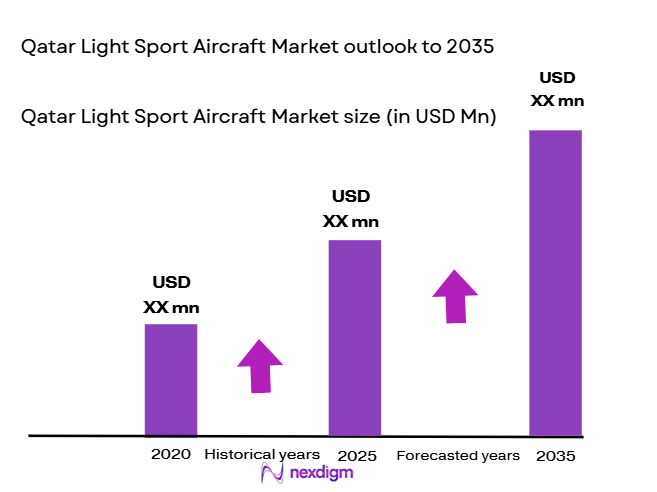
The Qatar Light Sport Aircraft (LSA) market is valued at approximately USD ~million in 2024. This growth is driven by Qatar’s rising number of aviation enthusiasts, hobbyists, and flight schools. Light sport aircraft are becoming increasingly popular due to their affordability, ease of use, and suitability for recreational flying and pilot training. Additionally, Qatar’s aviation infrastructure development, along with government support for aviation-related industries, bolsters the demand for LSAs. The market is also influenced by growing tourism and the country’s focus on becoming a regional aviation hub.
Qatar’s aviation sector is largely centered around Doha, the capital and primary hub for aviation activities. The city’s strategic location between Asia, Europe, and Africa, coupled with a growing affluent population, contributes to its dominance in the light sport aircraft market. Qatar’s rapid infrastructure development, including world-class airports like Hamad International, and a supportive regulatory environment further facilitate the market’s growth. Furthermore, Doha’s increasing interest in tourism and leisure activities also provides a strong base for light aircraft usage for recreational purposes.
Market Segmentation
By Product Type
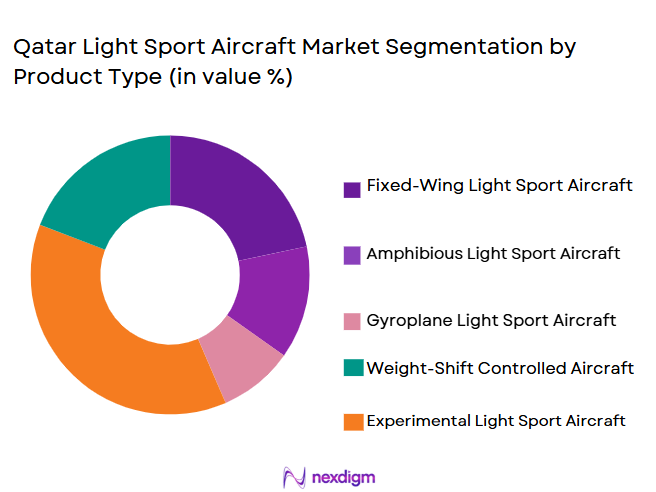
The Qatar Light Sport Aircraft market is primarily segmented into Ultralight Aircraft, 2-Seater Aircraft, and Electric Light Sport Aircraft.
Ultralight Aircraft dominate the market due to their affordability and ease of operation. They are a favored choice for recreational pilots and flying enthusiasts in Qatar, as they do not require extensive flying experience to operate. With the lower operating costs and fewer regulations compared to standard aircraft, ultralight aircraft are particularly popular in Qatar, where demand for low-cost recreational aviation is rising. The increasing number of flying schools offering ultralight aircraft training also contributes to their dominance in the market.
By Platform Type
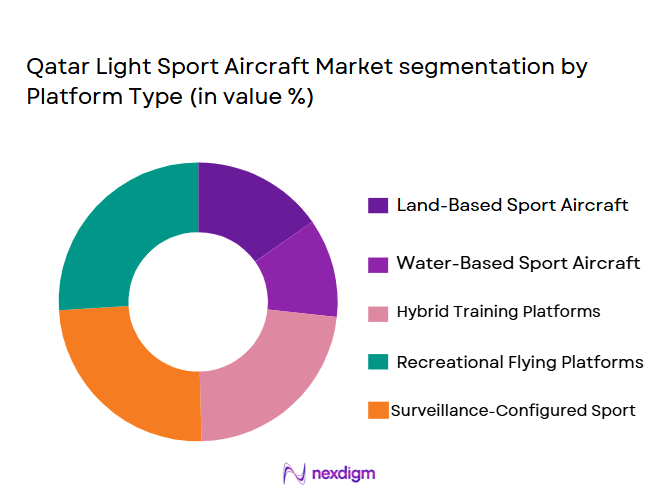
The market is segmented into Personal Aviation, Pilot Training, and Commercial Aviation. Pilot Training holds the largest market share due to the increasing number of aviation academies and flight schools in Qatar. Light sport aircraft, especially ultralights and 2-seater models, are ideal for flight training because they offer a cost-effective alternative to traditional aircraft while still providing the necessary flight hours for licensing. Qatar’s growing aviation sector, along with government initiatives to boost aviation education, has significantly increased the demand for these aircraft for training purposes.
Competitive Landscape
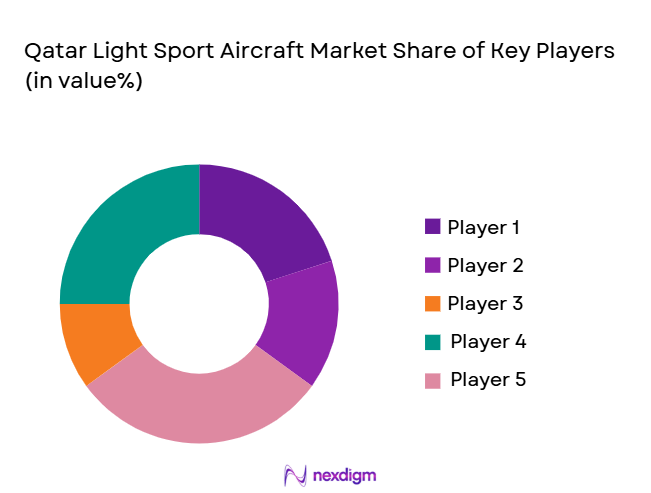
The Qatar Light Sport Aircraft market is relatively nascent but is seeing increasing competition from international and regional aircraft manufacturers. Major players in the market include established brands such as Pipistrel, Tecnam, and Flight Design. These companies lead the market due to their advanced technology, proven safety standards, and strong after-sales support services. Additionally, local and regional manufacturers are also entering the market to cater to specific needs within Qatar and the Middle East. The presence of multiple players ensures a dynamic and competitive market environment
The Qatar LSA market is seeing consolidation around a few key players who offer technologically advanced aircraft designed for both personal use and training. Global manufacturers like Pipistrel and Tecnam dominate due to their strong global reputation and their extensive offerings of aircraft that meet both international and local aviation regulations. Meanwhile, local players are focusing on providing customized solutions for the growing number of flight schools and hobbyists in Qatar, contributing to increased competition in the market.
| Company Name | Year of Establishment | Headquarters | Revenue in 2024 | Market Position | Key Products | Global Footprint |
| Pipistrel Aircraft | 1989 | Ajdovščina, Slovenia | ~ | ~ | ~ | ~ |
| Tecnam Aircraft | 1948 | Capua, Italy | ~ | ~ | ~ | ~ |
| Flight Design | 1994 | Germany | ~ | ~ | ~ | ~ |
| CubCrafters | 1980 | Yakima, USA | ~ | ~ | ~ | ~ |
| Aeropro Aircraft | 2000 | Slovakia | ~ | ~ | ~ | ~ |
Qatar Light Sport Aircraft Market Analysis
Growth Drivers
Increasing Demand for Affordable Aviation Solutions
The demand for affordable aviation solutions in Qatar is rising, fueled by the increasing number of high-net-worth individuals (HNWIs) and flight schools. In 2025, Qatar’s aviation infrastructure has been significantly bolstered by the country’s increasing focus on private and recreational aviation. Qatar’s GDP is expected to grow by ~% in 2025, driven by robust oil and gas exports, which subsequently increases disposable income and drives demand for cost-effective air travel solutions like light sport aircraft. With lower operating and purchase costs compared to traditional aircraft, light sport aircraft are an attractive option for individuals and businesses.
Growth of Aviation Training Schools and Hobbyist Pilots
The number of aviation training schools in Qatar has been steadily increasing, as the country’s desire to boost aviation-related education grows. The Qatar Civil Aviation Authority has reported a ~% year-on-year increase in the number of private pilot training programs. This surge is driven by growing interest in hobbyist flying and the affordability of light sport aircraft for training purposes. Furthermore, Qatar’s economic growth, coupled with strong government investments in aviation infrastructure, provides ample opportunities for aspiring pilots to pursue aviation as a career, thereby driving the demand for light sport aircraft.
Market Challenges
Regulatory Challenges and Safety Standards
The Qatar Light Sport Aircraft market faces stringent regulatory challenges, particularly regarding safety standards. The Qatar Civil Aviation Authority follows ICAO’s safety protocols, which are mandatory for the certification and operation of light sport aircraft. The certification process for these aircraft can be time-consuming and expensive, which affects the entry of new models into the market. In addition, ensuring compliance with safety and airworthiness standards is crucial for market operators. With Qatar being a key player in international aviation, adherence to safety regulations remains a significant hurdle for manufacturers and operators.
Limited Infrastructure and Accessibility
Qatar’s light sport aircraft market also faces challenges related to infrastructure. While Hamad International Airport is a world-class airport, dedicated facilities for light sport aircraft (such as smaller airstrips, hangars, and refueling stations) are limited. The infrastructure required to support light sport aircraft is still underdeveloped, making it challenging for aircraft owners and operators to access adequate flying facilities. As a result, accessibility to flying locations and aircraft storage spaces remains a key barrier to the market’s growth in Qatar, despite government efforts to improve aviation infrastructure.
Opportunities
Expansion of Aerodromes and Aviation Facilities
Qatar’s government is heavily investing in the expansion of aerodromes and aviation-related facilities, a move that provides significant opportunities for the light sport aircraft market. Hamad International Airport and other regional aerodromes are undergoing expansions to accommodate a wider range of aircraft, including light sport aircraft. This expansion includes the development of new flying zones, private terminals, and advanced aviation infrastructure. In addition, Qatar’s National Development Plan aims to invest heavily in aviation, which will improve the accessibility of light sport aircraft for private use, leisure, and training.
Growth of Light Aircraft Leasing and Financing Models
The growth of light aircraft leasing and financing options has opened new doors for private individuals and small businesses in Qatar to access light sport aircraft. Aircraft leasing companies in Qatar are seeing a rise in demand for cost-effective leasing models, allowing businesses and enthusiasts to use light aircraft without the need for significant capital expenditure. Qatar’s expanding banking and financing sector supports this trend by offering specialized loans and leasing products for the aviation sector. This shift makes it easier for both individuals and companies to enter the market, increasing accessibility to light sport aircraft.
Future Outlook
Over the next five years, the Qatar Light Sport Aircraft market is expected to grow significantly. This growth is fueled by an increase in aviation tourism, the rising number of flying enthusiasts, and Qatar’s vision to develop into a leading aviation hub in the Middle East. With continued investments in aviation infrastructure, including private aviation terminals at Hamad International Airport and increased pilot training programs, the demand for light sport aircraft is poised to expand. Additionally, the rise of electric aircraft technology offers new growth opportunities for the market, as sustainability becomes a more prominent focus in the region’s aviation industry.
Major Players
- Pipistrel Aircraft
- Tecnam Aircraft
- Flight Design
- CubCrafters
- Aeropro Aircraft
- Sling Aircraft
- Skycraft Aircraft
- Diamond Aircraft Industries
- Evektor Aircraft
- Comco Ikarus
- Hirth Engines
- Aerospool Aircraft
- Bristell Aircraft
- Skyranger Aircraft
- Jabiru Aircraft
Key Target Audience
- Investments and Venture Capitalist Firms
- Government and Regulatory Bodies
- Private Aviation Companies
- Flying Schools and Aviation Academies
- Aircraft Leasing Companies
- Flight Training Providers
- Aerospace Component Manufacturers
- Airports and Aviation Infrastructure Developers
Research Methodology
Step 1: Identification of Key Variables
The first phase of the research involves identifying the key drivers, barriers, and trends influencing the Light Sport Aircraft market in Qatar. This is achieved through extensive desk research and interviews with aviation professionals, manufacturers, and regulatory bodies to understand the dynamics of the market.
Step 2: Market Analysis and Construction
In this phase, data from reliable industry sources, including governmental bodies, aviation authorities, and market experts, are compiled and analysed. The historical data is reviewed to determine the market size, growth patterns, and key market segments.
Step 3: Hypothesis Validation and Expert Consultation
Hypotheses regarding the market’s growth drivers and challenges are validated through expert consultations, including structured interviews with aircraft manufacturers, aviation regulators, and private aircraft owners. These consultations provide real-world insights and help refine the data for accuracy.
Step 4: Research Synthesis and Final Output
The final phase involves synthesising all findings into a comprehensive report, presenting an in-depth analysis of the Qatar Light Sport Aircraft market, complete with market forecasts, key trends, competitive analysis, and recommendations for stakeholders.

- Executive Summary
- Qatar Light Sport Aircraft Market Research Methodology
Definitions, Scope, Industry Assumptions, Market Sizing Approach, Primary & Secondary Research Framework, Data Collection & Verification Protocol, Analytic Models & Forecast Methodology, Limitations & Research Validity Checks

- Market Definition and Scope
- Value Chain & Stakeholder Ecosystem
- Regulatory / Certification Landscape
- Sector Dynamics Affecting Demand
- Strategic Initiatives & Infrastructure Growth

- Growth Drivers
Rising interest in recreational aviation and aero sports
Government support for aviation training and pilot development
Expansion of general aviation infrastructure and airfields - Market Challenges
Limited operational airspace for recreational flying
High dependence on imported aircraft and components
Climatic constraints affecting flight frequency and utilization - Market Opportunities
Growth of aviation training programs for nationals
Potential use of light sport aircraft for coastal surveillance
Development of sport aviation tourism experiences - Trends
Increasing adoption of glass cockpit avionics
Growing demand for fuel-efficient and low-maintenance aircraft
Rising popularity of kit-built and customizable sport aircraft - Government Regulation
Qatar Civil Aviation Authority Regulations
International Aviation Regulations - SWOT Analysis
Pricing Analysis
Stakeholder Ecosystem
Porter’s Five Forces
Competition Ecosystem

- By Market Value 2024–2029
- By Installed Units 2024–2029
- By Average System Price 2024–2029
- By System Complexity Tier 2024–2029

- By System Type (In Value%)
Fixed-Wing Light Sport Aircraft
Amphibious Light Sport Aircraft
Gyroplane Light Sport Aircraft
Weight-Shift Controlled Aircraft
Experimental Light Sport Aircraft - By Platform Type (In Value%)
Land-Based Sport Aircraft
Water-Based Sport Aircraft
Hybrid Training Platforms
Recreational Flying Platforms
Surveillance-Configured Sport Aircraft - By Fitment Type (In Value%)
Factory-Built Aircraft
Kit-Built Aircraft
Retrofit and Upgraded Aircraft
Fleet Expansion Units
Special Mission Fitment Aircraft - By EndUser Segment (In Value%)
Private Recreational Pilots
Flying Clubs and Aero Sports Associations
Flight Training Academies
Tourism and Leisure Operators
Government and Security Agencies - By Procurement Channel (In Value%)
Direct Manufacturer Sales
Authorized Regional Distributors
Aviation Training Partnerships
Leasing and Rental Providers
Pre-Owned Aircraft Market

- Market Share Analysis
- Cross Comparison Parameters
(Aircraft Acquisition Cost, Operating Cost per Hour, Range, Payload Capacity, Avionics Level) - SWOT Analysis of Key Competitors
- Pricing & Procurement Analysis
- Key Players
Tecnam
Flight Design
Pipistrel Aircraft
Evektor-Aerotechnik
Aero AT
CubCrafters
Vans Aircraft
Icon Aircraft
AutoGyro
TL Ultralight
BRM Aero
Jabiru Aircraft
Zenith Aircraft
Skyleader
Aeroprakt

- Recreational pilots prioritize affordability and ease of maintenance
- Training academies focus on safety, durability, and operating costs
- Tourism operators seek visually appealing and reliable platforms
- Government users emphasize compliance and multi-role adaptability

- Forecast Market Value 2030–2035
- Forecast Installed Units 2030–2035
- Price Forecast by System Tier 2030–2035
- Future Demand by Platform 2030–2035


 Request a Sample
 Ask for Customization
 Get a Quote
 Enquire Now