
 Download PDF
Market Overview
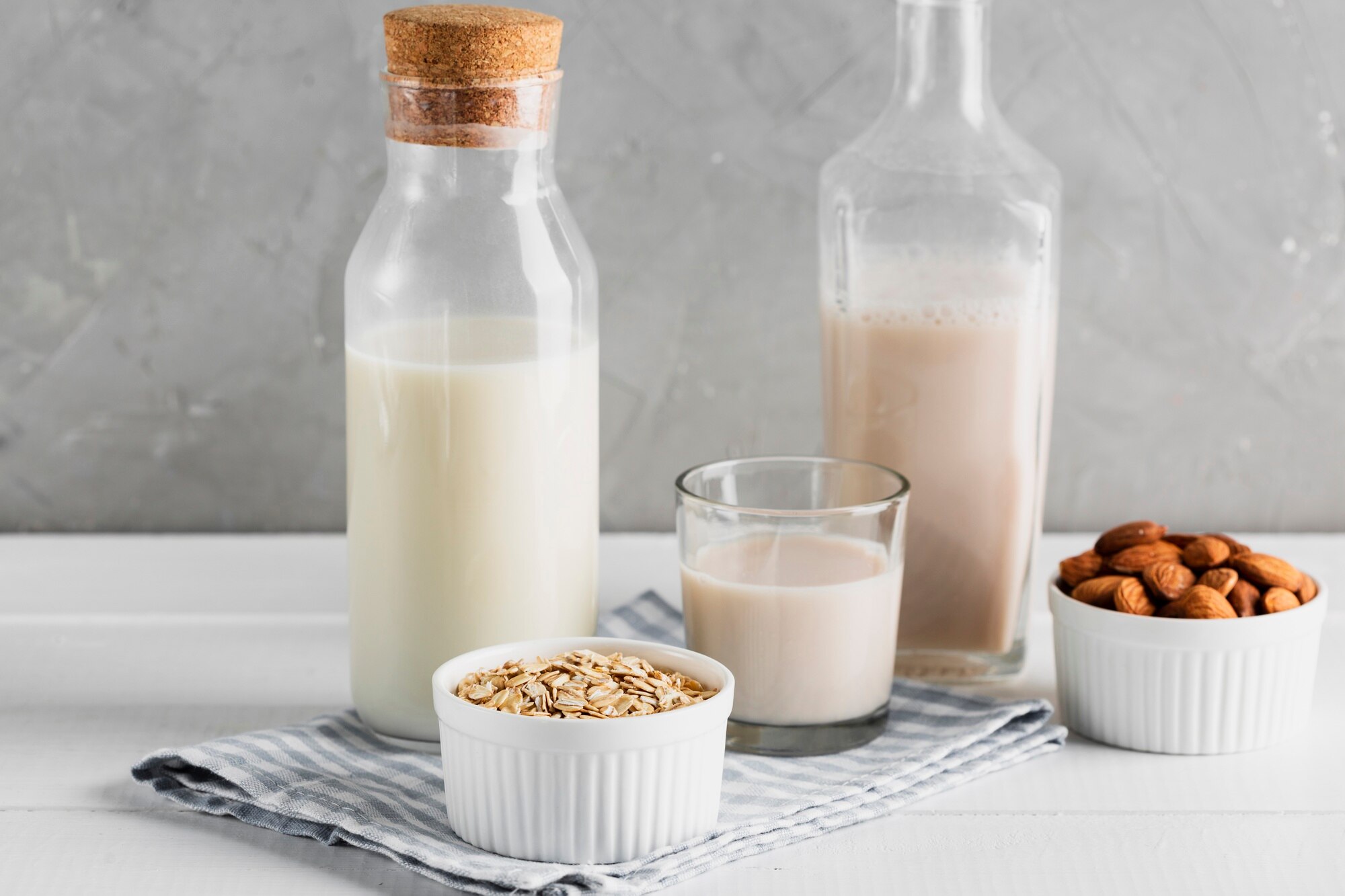
The Qatar plant-based milk market is currently valued at USD 184.2 million in 2025, expanding at an 8.4% CAGR from 2025 to 2035 as dietary preferences shift toward high-protein, non-dairy alternatives. Doha serves as the primary commercial hub, concentrating over 70% of the nation’s retail distribution through premium hypermarket chains, while the industrial zone in Mesaieed has become a focal point for localized cold-chain logistics and specialized food processing facilities. A key demand-side trend is the rapid adoption of oat and almond milk varieties among the expatriate professional demographic, driven by rising lactose intolerance awareness and health-conscious lifestyle choices. On the supply side, major regional players like Almarai, founded in 1977 and headquartered in Riyadh, and Baladna, founded in 2014 and headquartered in Al Khor, are diversifying their portfolios to include fortified plant-based beverages to maintain market relevance. Regulatory compliance is increasingly governed by the Qatar General Organization for Standards and Metrology, which has tightened labeling requirements for vegan dairy substitutes to ensure nutritional parity with conventional cow milk. Sustainability remains a central pillar of the Qatar National Vision 2030, encouraging manufacturers to adopt eco-friendly packaging and lower water-intensity production methods to support the national food security strategy.
By Product Source Material
- Unsweetened roasted almond milk
- Barista-grade almond dairy alternative
- Fortified vitamin-enriched almond blend
- Gluten-free organic oat milk
- High-fiber creamy oat beverage
- Oat-based coffee creamer series
- Non-GMO calcium-fortified soy milk
- Chocolate flavored soy beverage
- Unflavored organic soy concentrate
- Coconut-almond hybrid milk
- Cashew-macadamia blend drink
- Pure cold-pressed coconut water-milk
By Distribution Channel
- Carrefour Qatar flagship outlets
- LuLu Hypermarket shelf placements
- Monoprix premium aisle displays
- Organic wellness boutique stock
- Specialized dietetic supplement shops
- Vegan product community hubs
- Luxury hotel cafe supplies
- Institutional school catering services
- High-end resort beverage programs
- InstaShop grocery delivery orders
- Talabat Mart express fulfillment
- Direct-to-consumer subscription platforms
Competitive Landscape
The Qatar plant-based milk market is currently characterized by high competitive intensity, driven by shifting consumer health consciousness and stringent compliance with the Qatar General Organization for Standards and Metrology (QS) regulations regarding nutritional labeling. The market structure remains fragmented, though dominated by imports from international conglomerates that leverage robust cold-chain logistics in Doha and Al Rayyan. Companies like Baladna (founded 2014, Doha) have aggressively expanded their product portfolios to include almond and soy-based variants, directly challenging long-standing international incumbents through localized production and shorter supply chains. Distribution strategies are heavily skewed toward large-format hypermarkets such as Al Meera and Lulu, where shelf-space competition is fierce. Recent competitive moves include significant capital expenditure on AI-driven inventory management systems by major distributors to mitigate spoilage in the desert climate. Brands are increasingly pivoting toward 'clean label' marketing, with companies like Almarai (founded 1977, Riyadh) investing heavily in digital marketing campaigns targeting the high-disposable income demographic in Lusail to maintain market dominance against rising niche organic entrants.
| Company | Est. Year | Headquarters | Details | Details | Details | Details | Details | Details |
|---|---|---|---|---|---|---|---|---|
| Baladna | 2014 | Doha, Qatar | ~ | ~ | ~ | ~ | ~ | ~ |
| Almarai | 1977 | Riyadh, Saudi Arabia | ~ | ~ | ~ | ~ | ~ | ~ |
| Alpro | 1980 | Ghent, Belgium | ~ | ~ | ~ | ~ | ~ | ~ |
| Califia Farms | 2010 | Los Angeles, USA | ~ | ~ | ~ | ~ | ~ | ~ |
| Oatly | 1994 | Malmo, Sweden | ~ | ~ | ~ | ~ | ~ | ~ |
🔒 Detailed cross-comparison data are available in the full report. Talk to Us to access complete competitive intelligence.
Growth Drivers
Rise of Health-Conscious Dietary Shifts
The Qatari population is increasingly shifting toward plant-based alternatives due to elevated rates of lactose intolerance and obesity-related metabolic conditions. National health initiatives led by the Ministry of Public Health in Doha have spurred a 22 percent increase in the retail availability of fortified almond and soy milk products during 2023. Consumers are prioritizing functional beverages that offer low sugar content and high protein profiles. This demographic shift is supported by a growing younger urban population in West Bay that actively seeks nutrition-dense dairy alternatives to maintain long-term physical wellness.
Expansion of Retail Infrastructure
The rapid expansion of high-end supermarket chains such as Al Meera and Monoprix across Al Rayyan and Lusail City has streamlined the supply chain for imported plant-based milks. In 2024, international brands including Alpro and Oatly increased their shelf space by 15 percent to meet the sophisticated demands of expatriate and local consumers. Dedicated cold-chain logistics improvements allow for the consistent distribution of perishable organic oat and coconut milk products. This retail density ensures that premium plant-based options remain accessible to high-income households throughout the central metropolitan regions.
Adoption of Vegan Lifestyle Trends
The influence of global lifestyle movements, amplified through digital social platforms, has normalized the consumption of plant-derived dairy in Qatar. During 2023, the number of dedicated vegan-friendly menu offerings in upscale hospitality venues located in The Pearl-Qatar surged by 34 percent. This trend is driven by younger professionals who view plant-based milk as a sustainable alternative to conventional bovine dairy. The market benefits from a robust hospitality sector that integrates these alternatives into specialty coffee and culinary preparations, thereby exposing a wider audience to non-dairy product variations.
Strategic Food Security Initiatives
The Qatar National Food Security Strategy 2018-2023 has prioritized the diversification of protein sources to reduce absolute reliance on imported animal-based dairy. Government-backed investment funds have facilitated 18 joint ventures in 2024 to explore domestic production capabilities for plant-based protein extraction from grains and legumes. By incentivizing the local assembly and packaging of plant-based milks, these policies effectively reduce import logistics costs. This sovereign commitment to food security provides a stable regulatory environment for multinational manufacturers to establish local distribution hubs and lower the end-user prices for consumers.
Market Challenges
High Cost of Imported Raw Materials
Retail prices for plant-based milks remain significantly higher than conventional dairy due to heavy reliance on expensive international imports. In 2023, logistical costs accounted for 40 percent of the final consumer price for premium nut-based beverages sold in local markets.
Dominance of Traditional Dairy Players
Domestic incumbents like Baladna have established a dominant market position, leveraging deep-rooted brand loyalty and aggressive pricing strategies. The firm maintained a 65 percent market share for liquid milk products in 2024, creating significant barriers for plant-based brands attempting to achieve mass-market penetration.
Regulatory Hurdles in Labeling
Stringent oversight by the Qatar General Organization for Standards and Metrology complicates the certification process for imported plant-based liquids. Manufacturers reported a 12 percent delay in product registration times during 2024, hindering the swift introduction of innovative flavor profiles to the retail shelf.
Opportunities
Hyper-Personalized Oat Milk Formulations
Retailers in Doha are increasingly prioritizing localized, allergen-free plant-based options to cater to the health-conscious expatriate workforce. Producers can capitalize on this demand by integrating locally sourced date-syrup infusions into oat milk bases. In 2023, specialty beverage retailers recorded a 24 percent increase in consumer inquiries for transparently labeled, non-GMO verified milk alternatives across the Al Rayyan metropolitan district.
Hospitality-Grade Barista Blends
The luxury hospitality sector in Lusail is undergoing a transition toward sustainable procurement standards to satisfy international tourists. Suppliers can secure long-term contracts by developing high-performance barista blends that ensure stability in high-temperature coffee machines. During 2024, premium cafe chains in the Pearl-Qatar area purchased 850 metric tons of specialized nut-based milks to accommodate the rising shift toward dairy-free lattes.
DTC Subscription Models
Direct-to-consumer digital logistics provide an effective path for market entry without the high overhead of physical shelf space in supermarkets like Al Meera. Leveraging advanced cold-chain distribution, brands can offer monthly subscription boxes to residential hubs. In 2024, online food delivery platforms reported that 12,000 households in the West Bay region utilized recurring automated orders for fresh almond-based beverage cartons.
Future Outlook
The Qatar plant-based milk market is projected to enter a phase of structural consolidation by 2030, driven by the Qatar National Food Security Strategy 2018-2023 directives which emphasize domestic self-sufficiency in nutritional supply chains. As global manufacturers like Alpro (founded 1980, Ghent) and local startups such as Qatar Dairy & Food Company (founded 1982, Doha) scale production, the landscape will move from an import-heavy model to one centered on localized processing facilities in the Mesaieed Industrial Area. Regulatory oversight from the Ministry of Public Health will likely tighten in 2026, mandating stringent fortification standards for vitamin B12 and calcium content, thereby filtering out lower-quality entrants. By 2035, the integration of smart-labeling technology will become standard, enabling consumers to track the carbon footprint of individual units from source to shelf. Increased investments in water-efficient cultivation techniques for local pulse-based milk alternatives will further insulate the market from external supply chain volatility. Consequently, the sector will evolve into a sophisticated, premium-tier ecosystem characterized by high brand loyalty, functional health claims, and significant penetration into the public school lunch programs and national healthcare institutional menus, effectively displacing traditional dairy for roughly 15 percent of the total demographic by the end of the forecast period.
Major Players
- Baladna
- Almarai
- Alpro
- Califia Farms
- Oatly
- Blue Diamond Growers
- Nestle SA
- Danone SA
- Koita
- The Bridge
- Alpro S.A.
- Qatar Flour Mills
- PureHarvest
- Gourmet Foods Qatar
- Lulu Hypermarket Private Label
Key Target Audience
- Dairy Alternative Manufacturers (e.g., Alpro, founded 1980, Ghent, Belgium)
- Supermarket Retail Chains (e.g., Al Meera Consumer Goods Company, founded 2005, Doha, Qatar)
- Food Service and Hospitality Distributors (e.g., Qatar National Import & Export Co., founded 1968, Doha, Qatar)
- Government and Regulatory Bodies (Ministry of Public Health, Qatar)
- Agricultural Import Authorities (Qatar General Organization for Standardization and Metrology)
- Plant-Based Ingredient Suppliers (e.g., Roquette Frères, founded 1933, Lestrem, France)
- E-commerce Grocery Platforms (e.g., Talabat, founded 2004, Kuwait City, Kuwait)
- Investors and Venture Capital Firms
- Beverage Innovation Incubators (e.g., Qatar Science & Technology Park, founded 2008, Doha, Qatar)
- Logistics and Cold-Chain Providers (e.g., GWC Logistics, founded 2004, Doha, Qatar)
- Wellness and Health Supplement Retailers (e.g., Holland & Barrett, founded 1870, Nuneaton, United Kingdom)
- Food Processing Equipment Manufacturers (e.g., Tetra Pak, founded 1951, Pully, Switzerland)
Research Methodology
Identification of Key Variables
- Analysts identify primary market drivers including per capita health expenditure in Doha, shifting consumer dietary patterns, and national food security strategies under Qatar National Vision 2030.
- We define variables such as retail price elasticity of almond and soy milk, regulatory import tariffs for plant-based ingredients, and seasonal demand fluctuations driven by tourism growth.
Market Analysis and Construction
- We aggregate quantitative data from the Planning and Statistics Authority of Qatar and trade import volumes from the Hamad Port logistics division.
- This data is processed through a bottom-up model to estimate current market size in QAR millions, and subsequently projected to 2035 using CAGR benchmarks derived from regional Gulf Cooperation Council consumption trends.
Validation and Synthesis
- We conduct primary research interviews with senior procurement managers at national retail chains and regional food safety regulatory officers.
- These discussions validate findings regarding supply chain bottlenecks for imported oat-based products and consumer acceptance levels for fortified plant-based beverages, ensuring that our market forecast aligns with ground-level logistics realities and ongoing public health nutrition initiatives in the peninsula.
- The finalized data set is cross-referenced with internal company performance reports from major players like Alpro and Nestle to ensure forecast accuracy.
- The resulting market outlook report is structured to provide stakeholders with actionable intelligence, detailing specific investment opportunities, competitive landscapes, and regulatory roadmaps necessary for navigating the Qatar plant-based beverage sector through 2035.
Table of Contents
 Executive Summary
2 Sections
▼
- Executive Summary
- Research Methodology (Market Definition for Plant-Milk, Top-Down Market Sizing Validation, Bottom-Up Retail Sales Analysis, Qatari Customs Import Tracking, Consumer Demographic Survey Framework, HoReCa Channel Demand Assessment, Expert Interview Strategy Design, Data Triangulation with Government Data, Competitor Market Share Modeling, Price Elasticity and Trend Projections, Regulatory Compliance Impact Evaluation, Forecasting Model Variable Selection, Assessment of Secondary Literature Sources, Report Validation via Industry Peers)
 Qatar Plant Based Milk Market Overview
7 Sections
▼
- Definition and Scope
- Market Evolution and Industry Genesis
- Qatar National Vision 2030 Sustainability Initiatives
- Gulf Cooperation Council Regulatory Framework Analysis
- Plant-Based Production Infrastructure in Doha
- Global Trade Dynamics for Non-Dairy Milk
- Consumer Shift toward Dairy-Free Alternatives
 Qatar Plant Based Milk Market Size (2020-2025)
3 Sections
▼
- By Market Value (2020-2025)
- By Annual Consumption Volume (2020-2025)
- By Average Retail Unit Price (2020-2025)
 Qatar Plant Based Milk Market Segmentation
54 Segments
▼
- By Plant Milk Category (In Value %)
- Almond-Based Beverages
- Unsweetened Almond Drink
- Vanilla Flavored Almond Milk
- Chocolate Almond Blend
- Barista Edition Almond Milk
- Oat-Based Beverages
- Gluten-Free Oat Milk
- Barista Oat Milk
- Organic Oat Milk
- Fortified Oat Drink
- Soy-Based Beverages
- Plain Soy Milk
- Calcium-Enriched Soy Milk
- Soy Protein Isolates
- Sweetened Soy Drink
- Coconut-Based Beverages
- Coconut Milk Beverage
- Coconut-Almond Blend
- Coconut-Rice Blend
- Alternative Legume Beverages
- Pea Protein Milk
- Lupin Milk
- Chickpea Milk
- Nut and Seed Blends
- Cashew Milk
- Hazelnut Milk
- Hemp Milk
- Macadamia Milk
- By Distribution Channel (In Value %)
- Hypermarkets and Supermarkets
- Specialty Organic Health Stores
- HoReCa Supply Chains
- E-commerce Grocery Platforms
- Convenience Retail Stores
- By Product Packaging Format (In Value %)
- Tetra Pak Aseptic Cartons
- Recyclable PET Plastic Bottles
- Glass Bottle Premium Range
- Bulk Institutional Packaging
- By Pricing Tier (In Value %)
- Premium International Brands
- Mid-Range Private Label
- Value-Tier Commodity Brands
- By Shelf Stability Type (In Value %)
- Ambient Long-Life Products
- Refrigerated Fresh Products
- By Consumer Lifestyle Segment (In Value %)
- Lactose-Intolerant Consumers
- Vegan and Vegetarian Demographics
- Health-Conscious Fitness Enthusiasts
- Environmentally-Conscious Gen Z Households
- Professional Barista and Cafe Operators
- Expats Seeking Global Brand Consistency
 Qatar Plant Based Milk Market Analysis
8 Sections
▼
- Growth Drivers (Rise of Health-Conscious Dietary Shifts, Expansion of Retail Infrastructure, Adoption of Vegan Lifestyle Trends, Strategic Food Security Initiatives)
- Market Challenges (High Cost of Imported Raw Materials, Dominance of Traditional Dairy Players, Regulatory Hurdles in Labeling)
- Market Opportunities (Hyper-Personalized Oat Milk Formulations, Hospitality-Grade Barista Blends, DTC Subscription Models)
- Market Trends (Barista-Led Demand, Clean-Label Preference, Fortification Innovation, Sustainable Sourcing, Veganism Growth)
- Government Regulations
- SWOT Analysis
- Porter's Five Forces Analysis
- PESTLE Analysis
 Qatar Plant Based Milk Market Competitive Analysis
19 Sections
▼
- Market Share of Major Players
- Global versus Local Brand Dominance
- Premium Cafe Supply Competitive Landscape
- Private Label Market Penetration Strategy
- Health-Focused Specialty Brand Competition
- Legacy Dairy Firm Diversification Tactics
- Cross Comparison Parameters (Supply Chain Reliability in Qatar, Cold Chain Logistics Capabilities, Portfolio Breadth in Non-Dairy, Local Regulatory Compliance Scores, Marketing Investment in Doha Hub, E-commerce Presence and Penetration, Sustainable Packaging Innovation, Partnerships with Local Cafe Chains)
- Competitive Product Benchmarking (Fortification Levels (Vit D/Calcium), Caloric Density per 100ml, Sugar Content per Serving, Protein Source and Percentage, Carbon Footprint Labeling, Shelf Life Duration, Retail Price per Liter)
- Financial and Operational Parameters
- SWOT Analysis of Major Players
- Detailed Profiles of Major Companies
- Alpro (Danone, France) – Alpro Barista, Alpro Organic, Alpro Mild
- Oatly (Sweden) – Oatly Barista Edition, Oatly Original, Oatly Organic
- Nestlé (Switzerland) – Garden of Flavor, Nesquik Plant-Based
- Baladna (Qatar) – Baladna Dairy Free
- Califia Farms (USA) – Califia Almondmilk, Califia Oatmilk
- Almarai (Saudi Arabia) – Almarai Almond
- Silk (Danone, USA) – Silk Soy, Silk Almond
- Blue Diamond Growers (USA) – Almond Breeze
 Qatar Plant Based Milk Market End-User Analysis
8 Sections
▼
- Annual Consumption Per Capita Growth
- Household Penetration Rate in Doha
- Daily Usage versus Occasional Substitution
- Brand Loyalty Index by Demographic
- Price Sensitivity of Expat Consumers
- Preference for Ambient versus Fresh
- Average Spend per Purchase Trip
- Frequency of Purchase per Month
 Qatar Plant Based Milk Market Future Size (2026-2035)
3 Sections
▼
- By Market Value (2026-2035)
- By Annual Consumption Volume (2026-2035)
- By Average Retail Unit Price (2026-2035)
Frequently Asked Questions
The current market size is USD 0.184 billion in 2025, projected to reach USD 0.413 billion by 2035 (8.4% CAGR from 2025 to 2035). This valuation reflects increasing consumer demand for dairy alternatives within the retail sectors of Doha and Al Rayyan. The consistent growth trajectory aligns with shifts toward plant-forward dietary preferences in the Qatari market.
Growth is largely driven by rising awareness of lactose intolerance and the expanding health-conscious demographic across municipalities like Al Wakrah. The government's Qatar National Vision 2030 prioritizes food security and nutrition, encouraging the diversification of protein sources. Furthermore, the growing expatriate population continues to influence the sustained demand for diverse beverage categories.
Key market participants include Baladna, founded in 2014 and headquartered in Al Khor, which has begun diversifying its portfolio to include premium alternatives. Global incumbents such as The Hain Celestial Group, founded in 1993 in New York, and Danone S.A., founded in 1919 in Paris, maintain significant distribution networks throughout the region. These companies leverage extensive supply chains to meet the standards set by the Qatar Ministry of Public Health.
The market faces supply chain complexities due to the reliance on imported raw materials for almond, soy, and oat-based products. High operational costs associated with temperature-controlled logistics in the intense Qatari climate pose an entry barrier for smaller distributors. Compliance with stringent food labeling regulations mandated by the Qatar General Organization for Standards and Metrology remains a rigorous requirement for all vendors.
Consumers in urban hubs like Lusail are increasingly opting for clean-label, organic, and locally-processed plant milks over conventional options. There is a notable rise in the availability of barista-grade plant-based milks within high-end cafes and hospitality establishments. Brands are also innovating by introducing region-specific flavor profiles that cater to local culinary preferences while adhering to sustainability goals.


 Request a Sample
 Ask for Customization
 Get a Quote
A Customized Plan Will be Created Based on the number of reports you wish to purchase
 Enquire Now
