

 Download PDF
Market Overview
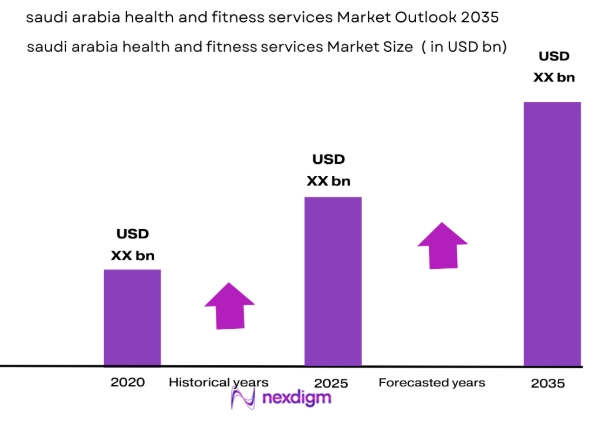
The Saudi Arabian health and fitness services market is valued at approximately USD ~ billion, reflecting significant growth fueled by rising health awareness and increasing disposable income among the population. The demand for fitness services has been largely driven by government initiatives under Saudi Vision 2030, focusing on increasing physical activity among the population. The rising adoption of fitness trends, health clubs, gyms, and wellness centers has also contributed to market growth. The growth in the urban population and young adult demographics further accelerates this trend, with increasing consumer demand for better health and wellness facilities.
Riyadh and Jeddah are the dominant cities in the Saudi Arabian health and fitness services market. Riyadh, being the capital, hosts a large proportion of fitness centers and wellness services due to the city’s significant urbanization and high-income residents. Jeddah follows closely due to its coastal location, diverse demographics, and the presence of several fitness clubs catering to both local and expatriate populations. These cities dominate due to higher disposable incomes, modern infrastructure, and the growing urban population, which facilitates the increased demand for premium health and fitness services.
Market Segmentation
By Service Type
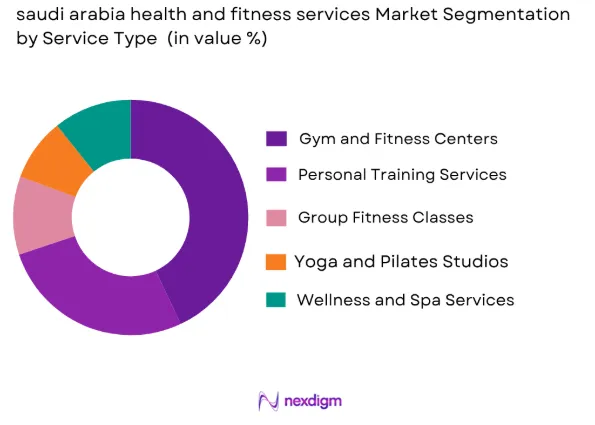
The Saudi Arabian health and fitness services market is segmented by service type into gym and fitness centers, personal training services, group fitness classes, yoga and Pilates studios, wellness and spa services, and online fitness and virtual training services. Among these, gym and fitness centers dominate the market. These establishments continue to attract a substantial portion of health-conscious individuals due to their convenience, wide range of equipment, and group fitness programs. With increasing health awareness and a growing number of young adults joining gyms, the segment maintains a dominant position. Brands like Fitness First and Gold’s Gym are establishing a strong presence, and the increasing number of new gym facilities supports this dominance.
By Distribution Channel
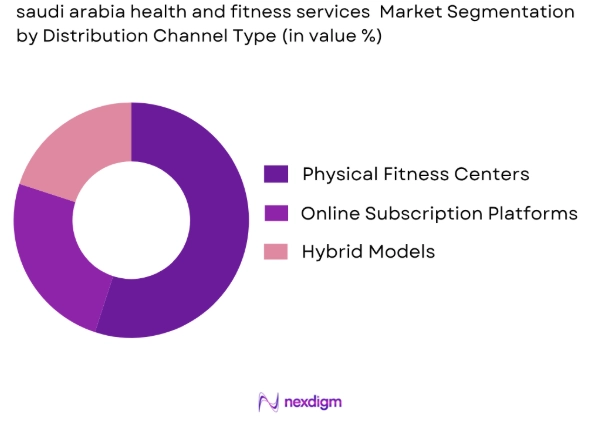
In terms of distribution channels, physical fitness centers dominate, followed by online subscription platforms and hybrid models. Physical fitness centers remain dominant due to the traditional preference for in-person training, as well as the growing number of facilities in urban regions like Riyadh and Jeddah. The recent trend of hybrid models, combining online fitness services with physical presence, is gaining traction due to the increasing number of consumers seeking convenience and flexibility in workout routines. This segment is expected to experience growth as more consumers seek digital and on-demand fitness solutions alongside traditional gym memberships.
Competitive Landscape
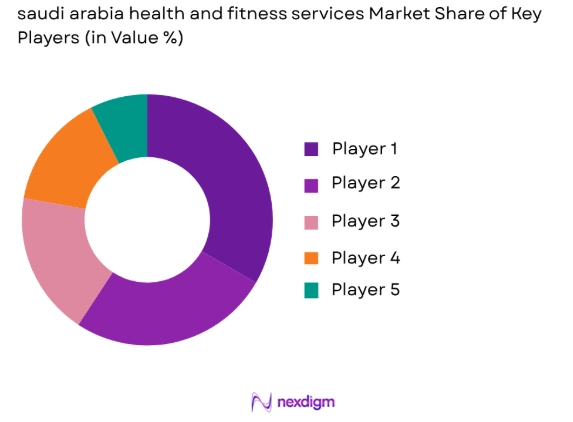
The Saudi Arabian health and fitness services market is dominated by several key players, including local and international fitness chains. Brands like Fitness First, Gold’s Gym, and PureGym have established significant footholds in the market. These companies leverage brand recognition, a wide range of fitness services, and loyalty programs to attract members. The market also includes several regional players that cater to both locals and expatriates, with Jeddah and Riyadh being major locations for fitness services. These brands dominate the market due to their strong marketing strategies, extensive facilities, and premium membership offerings.
| Company Name | Establishment Year | Headquarters | Number of Locations | Revenue (2023) | Service Portfolio | Target Demographic |
| Fitness First | 2000 | Riyadh, Saudi Arabia | ~ | ~ | ~ | ~ |
| Gold’s Gym | 1965 | USA (Global Presence) | ~ | ~ | ~ | ~ |
| PureGym | 2009 | UK | ~ | ~ | ~ | ~ |
| Fitness Time | 2007 | Saudi Arabia | ~ | ~ | ~ | ~ |
| Vida Fitness | 2000 | Saudi Arabia | ~ | ~ | ~ | ~ |
Saudi Arabia health and fitness services Market Analysis
Growth Drivers
Increasing Health Awareness and Preventative Healthcare
Saudi Arabia’s health and fitness services market has seen accelerated growth, largely due to heightened health awareness and an emphasis on preventative healthcare. The nation’s efforts to curb lifestyle-related diseases, such as diabetes and hypertension, are making fitness a priority for many citizens. In 2022, the Ministry of Health’s national health survey indicated that approximately 35% of adults in the country are affected by obesity, spurring the government to take action through public health campaigns. These initiatives include the “Healthy Saudi, Healthy Home” program, which focuses on promoting physical fitness to prevent non-communicable diseases. Moreover, with Saudi Arabia’s health budget exceeding SAR 200 billion (approximately USD 53 billion) in 2022, there is a significant push toward preventative healthcare, further supporting the demand for fitness services. The national emphasis on fitness and wellness is driving more individuals to invest in gyms, wellness programs, and fitness apps.
Rise in Corporate Wellness Programs
The corporate wellness trend is rapidly growing in Saudi Arabia, driven by businesses increasingly recognizing the importance of employee health and well-being. In 2022, the International Labour Organization (ILO) reported that businesses with wellness programs had lower absenteeism and higher productivity, leading many Saudi firms to invest in these services. Several large corporations and government entities have introduced health and wellness programs for employees, incorporating gym memberships, stress management workshops, and nutrition consultations. This has directly contributed to the rise of fitness-related services, with companies like Saudi Aramco and SABIC setting examples by offering comprehensive wellness programs to their workforce. As companies are aligning with Vision 2030’s goals of enhancing the quality of life and promoting a healthier workforce, the demand for health and fitness services is increasing across the corporate sector.
Challenges
High Price Sensitivity in Core Segments
Price sensitivity remains a significant challenge in Saudi Arabia’s health and fitness services market, particularly among middle and lower-income segments of the population. Fitness services, such as gym memberships and specialized fitness classes, can be seen as luxury expenses, especially with monthly costs averaging SAR 300-500 (USD 80-133) for membership fees in major cities. This has led many individuals to either avoid gym memberships or seek cheaper, less effective alternatives. The Saudi General Authority for Statistics reports that the median monthly household income in the country is around SAR 7,000 (USD 1,866), and with rising living costs, fitness services are often considered non-essential. This price sensitivity has been compounded by the economic impact of fluctuating oil prices, which affects disposable incomes. The challenge for businesses in this sector is to offer affordable services that cater to a broad range of income levels while maintaining profitability.
Limited Availability of Fitness Centers in Smaller Cities and Rural Areas
One of the most significant challenges facing the Saudi health and fitness services market is the limited availability of fitness centers outside major urban hubs like Riyadh, Jeddah, and Dammam. As of 2023, the Ministry of Municipal and Rural Affairs reported that less than 20% of Saudi Arabia’s rural areas have adequate fitness facilities. Rural and smaller cities suffer from a lack of infrastructure and investment, making it difficult for fitness services to flourish. With a population of over 20 million people residing outside the largest cities, this leaves a significant portion of the population underserved. Despite government efforts to improve access to fitness infrastructure in less developed areas, the growth of fitness services remains concentrated in the cities, leaving rural areas with limited options for fitness and wellness services. This is a considerable challenge for operators looking to expand their reach and capitalize on untapped markets.
Opportunities
Expansion of Health and Fitness Services in Rural Areas
The potential for health and fitness services expansion in Saudi Arabia’s rural regions presents a significant market opportunity. While urban areas have witnessed the majority of fitness-related growth, rural regions are underserved, with a substantial opportunity for businesses to meet growing demand. As of 2023, approximately 35% of Saudi Arabia’s population resides in rural regions, with a reported increase in the adoption of health-conscious lifestyles. These areas, although lacking fitness infrastructure, are increasingly aware of the importance of health and wellness due to government initiatives like the “Healthy Communities” project. The government’s push for developing rural infrastructure as part of Vision 2030 aims to improve accessibility to fitness services. As a result, fitness centers, gyms, and wellness programs targeting rural areas could see substantial growth. This growth opportunity is compounded by the rising disposable income in these regions as urban migration and economic diversification continue to evolve.
Integration of AI and Virtual Fitness Training
The integration of Artificial Intelligence (AI) and virtual fitness training platforms is creating a future-forward opportunity for growth in Saudi Arabia’s health and fitness services market. As of 2023, the Ministry of Communications and Information Technology reported that Saudi Arabia had over 30 million internet users, with a significant portion engaging in virtual fitness services. These technologies are transforming the fitness landscape by offering personalized training experiences through AI-based applications, enabling individuals to access customized workouts, nutrition plans, and progress tracking remotely. The success of virtual fitness services during the COVID-19 pandemic has further cemented the demand for these services in the current market. The Saudi government has also supported digital transformation initiatives, such as the “Digital Saudi 2030” program, creating an environment ripe for the growth of digital fitness solutions. This presents a tremendous opportunity for businesses to expand their service offerings and capture tech-savvy customers who prefer digital engagement in their fitness routines.
Future Outlook
Over the next 5-7 years, the Saudi Arabia health and fitness services market is expected to see robust growth, driven by factors such as government support for fitness and wellness, advancements in digital fitness services, and an increase in health-conscious consumers. The ongoing efforts under Saudi Vision 2030 to encourage physical activity, promote healthier lifestyles, and reduce healthcare burdens are likely to fuel demand for health and fitness services. As more consumers adopt hybrid fitness models, combining traditional gym memberships with online and virtual training services, the market is poised to benefit from this transition, offering more flexible, diverse, and innovative fitness solutions.
Major Players
- Fitness First
- Gold’s Gym
- PureGym
- Fitness Time
- Vida Fitness
- Snap Fitness
- Talise Fitness
- Body Fit Training
- Curves
- Anytime Fitness
- Trainiac
- Health Club Services (HCS)
- Life Fitness
- Reebok Fitness
- Planet Fitness
Key Target Audience
- Investments and Venture Capitalist Firms
- Government and Regulatory Bodies (e.g., Ministry of Health, Saudi Vision 2030)
- Private Fitness Center Owners and Operators
- Corporate Wellness Program Providers
- Gym Equipment Manufacturers and Suppliers
- Online Fitness Platform Providers
- Fitness Trainers and Coaches
- Health and Fitness Consulting Firms
Research Methodology
Step 1: Identification of Key Variables
In this phase, an extensive ecosystem map of stakeholders within the Saudi Arabian health and fitness services market is constructed. Secondary data sources such as government reports and market publications are utilized to identify the key factors influencing the market, including consumer behavior, government policies, and technological advancements in fitness services.
Step 2: Market Analysis and Construction
This step involves analyzing historical market data, evaluating the current state of the industry, and identifying growth drivers and constraints. The analysis will focus on key service areas, including fitness centers, wellness services, and online fitness platforms.
Step 3: Hypothesis Validation and Expert Consultation
Market hypotheses will be validated through direct consultations with key players in the market, such as fitness center managers, service providers, and industry experts. These consultations will help refine the initial assumptions and provide deeper insights into market trends and growth potential.
Step 4: Research Synthesis and Final Output
The final phase will involve synthesizing the research findings from primary and secondary data sources. The output will present a comprehensive analysis of the Saudi Arabian health and fitness services market, including key drivers, trends, challenges, and competitive dynamics.

- Executive Summary
- Research Methodology (Market Definitions and Assumptions, Abbreviations and Terminology, Data Sources and Validation Approach, Saudi Arabia Health and Fitness Services Market Sizing Methodology, Primary and Secondary Research Benchmarks, Market Reliability and Confidence Intervals)

- Industry Definition and Scope
- Market Genesis and Evolution in Saudi Arabia
- Consumer Adoption Patterns
- Market Value Chain and Distribution Architecture
- Import and Export Dynamics

- Growth Drivers
Increasing Health Awareness and Preventative Healthcare
Growing Urban Population and Disposable Income
Rise in Corporate Wellness Programs
Shift Toward Digital Fitness and Virtual Services
Government Health Initiatives and Vision 2030 Support - Challenges
High Price Sensitivity in Core Segments
Dependence on Imported Fitness Equipment and Technology
Limited Availability of Fitness Centers in Smaller Cities and Rural Areas
Consumer Education and Awareness Gaps
Infrastructure Constraints in Growing Regions - Opportunities
Expansion of Health and Fitness Services in Rural Areas
Integration of AI and Virtual Fitness Training
Growth of Corporate Wellness Programs and Partnerships
Increasing Adoption of Hybrid Fitness Models (Physical & Virtual Services)
Opportunities in Women’s-Only Fitness Services and Studios - Trends
Digital and Smart Fitness Solutions
Subscription-Based Models and Fitness App Growth
Corporate Wellness and Employee Fitness Programs
Wellness Tourism and Spa Services
Focus on Holistic Wellness and Mental Health
Rise of Outdoor Fitness and Adventure Sports - Government Regulations
Health and Safety Standards for Fitness Centers
Licensing and Regulation of Fitness Professionals
Regulations for Online Fitness and Virtual Training Services
Government Initiatives Promoting Fitness and Healthy Living - SWOT Analysis
- Porter’s Five Forces

- By Market Value, 2020-2025
- By Number of Subscribers, 2020-2025
- By Average Membership Fee, 2020-2025
- By Service Category Revenue Contribution, 2020-2025

- By Service Type (In Value %)
Gym and Fitness Centers
Personal Training Services
Group Fitness Classes
Yoga and Pilates Studios
Wellness and Spa Services - By Distribution Channel (In Value %)
Physical Fitness Centers
Online Subscription Platforms
Hybrid Models - By Consumer Demographic (In Value %)
Urban Professionals
Young Adults (Ages 18-35)
Middle-Income Households
Senior Fitness Segment
Corporate Wellness Programs
Women’s Fitness Segment - By Price Tier (In Value %)
Budget / Entry-Level
Mid-Tier
Premium / High-End
Luxury / Exclusive Memberships - By Region (In Value %)
Riyadh
Jeddah
Eastern Province
Makkah
Other Regions

- Market Share by Service Category
- Number of Subscribers by Major Brands
- Cross Comparison Parameters(Company Overview, Service Portfolio Strength, Location Footprint, Technology and Digital Integration, Pricing Strategy, Brand Equity, Consumer Preference Score, Annual Revenue, and Growth Trajectory)
- Company Profiles
Fitness First
Gold’s Gym
Anytime Fitness
Fitness Time
Vida Fitness
Snap Fitness
PureGym
Curves
Health Club Services (HCS)
Talise Fitness (Jumeirah Group)
Body Fit Training
Trainiac

- Buying Decision Drivers
- Brand Loyalty and Subscription Cycle
- Payment Preferences and Financing Options
- Post-Service Usage Patterns
- Pain Points in Service Usage and Membership Renewal

- By Market Value, 2026-2035
- By Number of Subscribers, 2026-2035
- By Average Membership Fee, 2026-2035
- By Service Category Revenue Contribution, 2026-2035


 Request a Sample
 Ask for Customization
 Get a Quote
 Enquire Now