
 Download PDF
 Download PDF
Market Overview
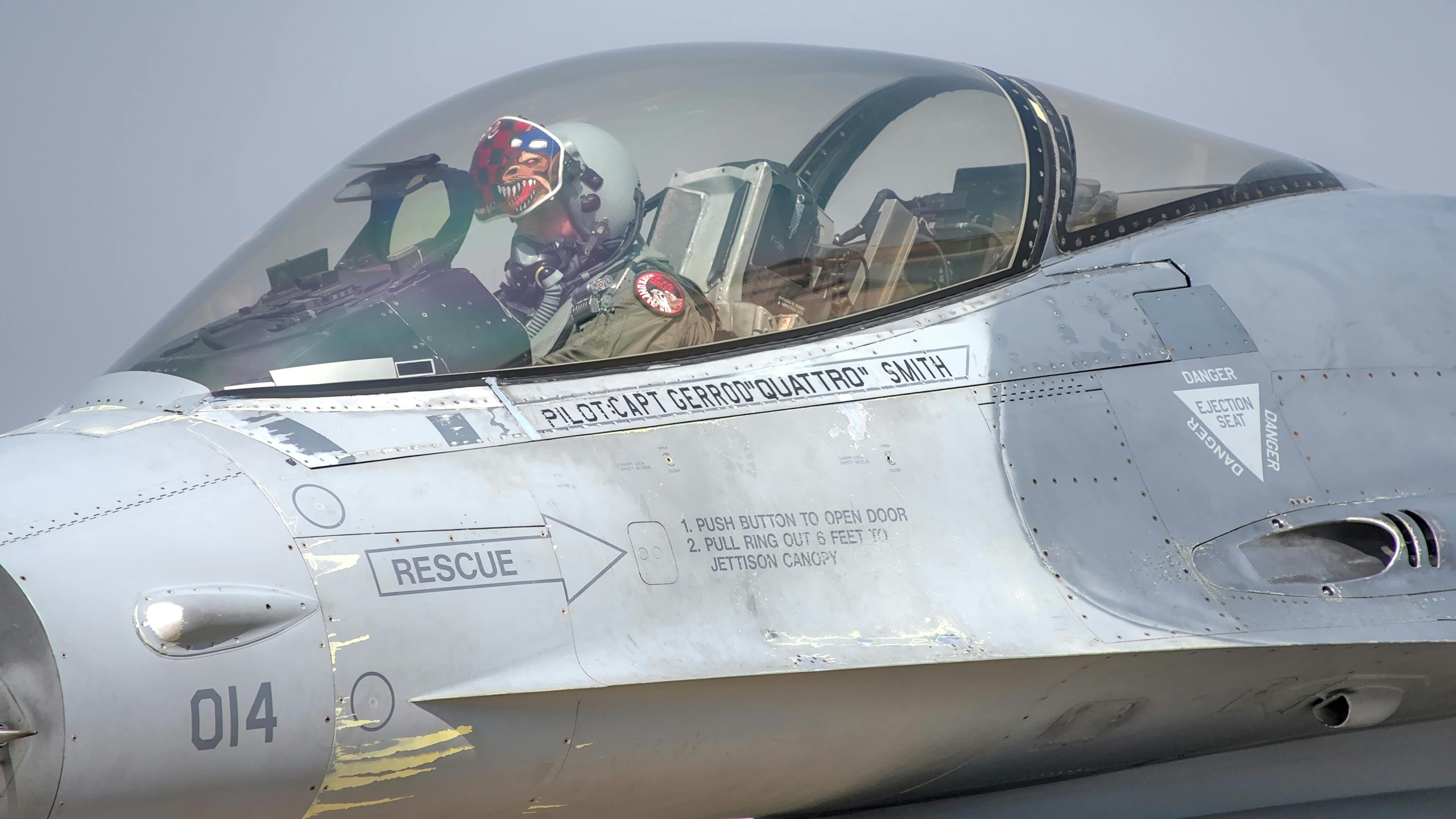
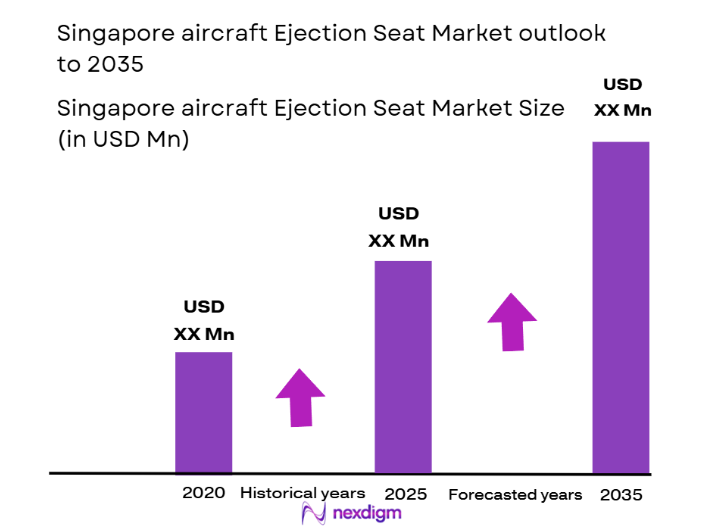
The Singapore aircraft ejection seat market is expected to reach USD ~ million based on a recent historical assessment. This growth is driven by increasing defense budgets, technological advancements in aerospace safety systems, and the rising demand for military aircraft globally. Ejection seats are critical for enhancing pilot safety, which propels their demand across various sectors, particularly in the defense industry. Moreover, innovation in the design and functionality of ejection seats, including integration with modern fighter jets and bombers, further supports the market expansion.
The Singapore aircraft ejection seat market sees dominance from countries like the United States, the United Kingdom, and Russia due to their long-standing aerospace and defense industries. These nations are at the forefront of military aviation development, heavily investing in new technologies to improve aircraft safety systems. In Asia, Singapore is a key player, serving as a hub for regional defense procurement and technological innovations, leveraging its strategic location and strong governmental support for aerospace and defense activities.
Market Segmentation
By Product Type
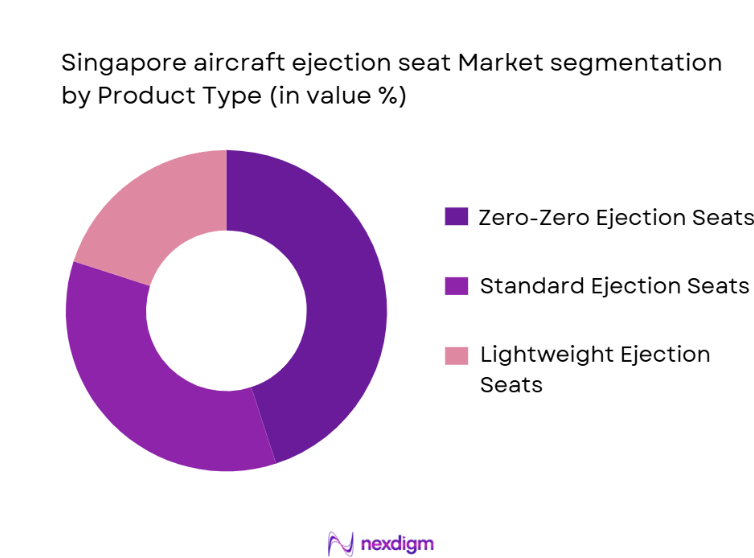
The Singapore aircraft ejection seat market is segmented by product type into standard ejection seats, zero-zero ejection seats, and lightweight ejection seats. Recently, the zero-zero ejection seats have gained a dominant market share due to their enhanced safety features. These seats allow for safe ejection at low altitudes and zero-speed conditions, making them crucial for modern fighter jets and combat aircraft. As defense forces prioritize pilot safety in high-risk environments, the demand for these advanced systems has risen significantly.
By Platform Type
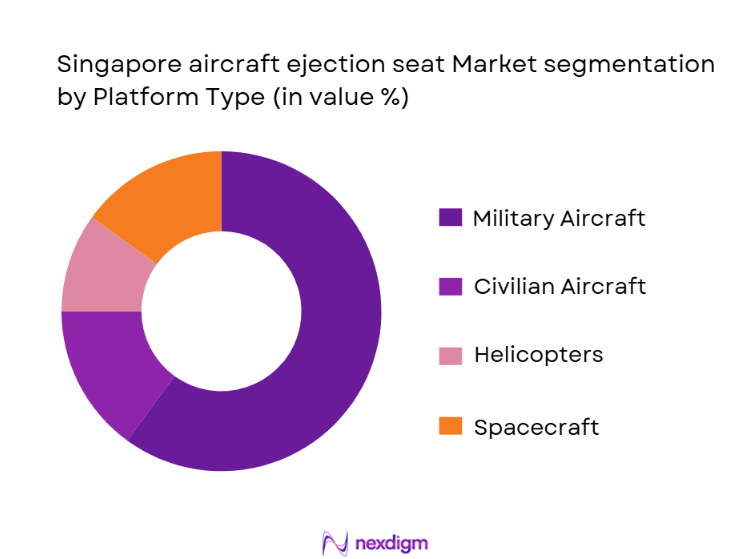
The market is segmented by platform type into military aircraft, civilian aircraft, helicopters, and spacecraft. Military aircraft dominate the market, particularly advanced fighter jets and bombers. This is due to the critical need for ensuring pilot safety in combat situations where the risk of ejection is higher. The increasing number of defense procurements and the modernization of military fleets worldwide are key factors driving the dominance of military aircraft in the market.
Competitive Landscape
The competitive landscape of the Singapore aircraft ejection seat market is marked by strong competition among established companies with significant technological expertise. Market consolidation is seen as major players form partnerships and collaborations to offer advanced ejection systems for next-generation aircraft. The presence of leading defense contractors and aerospace technology developers like Safran, Martin-Baker, and Collins Aerospace adds to the competitive intensity, driving innovation and improving product offerings.
| Company Name | Establishment Year | Headquarters | Technology Focus | Market Reach | Key Products | Revenue (USD) | Military Contracts |
| Safran Seats | 2005 | France | ~ | ~ | ~ | ~ | ~ |
| Martin-Baker Aircraft Co. | 1934 | United Kingdom | ~ | ~ | ~ | ~ | ~ |
| Collins Aerospace | 2018 | USA | ~ | ~ | ~ | ~ | ~ |
| UTC Aerospace Systems | 2012 | USA | ~ | ~ | ~ | ~ | ~ |
| Recaro Aircraft Seating | 2000 | Germany | ~ | ~ | ~ | ~ | ~ |
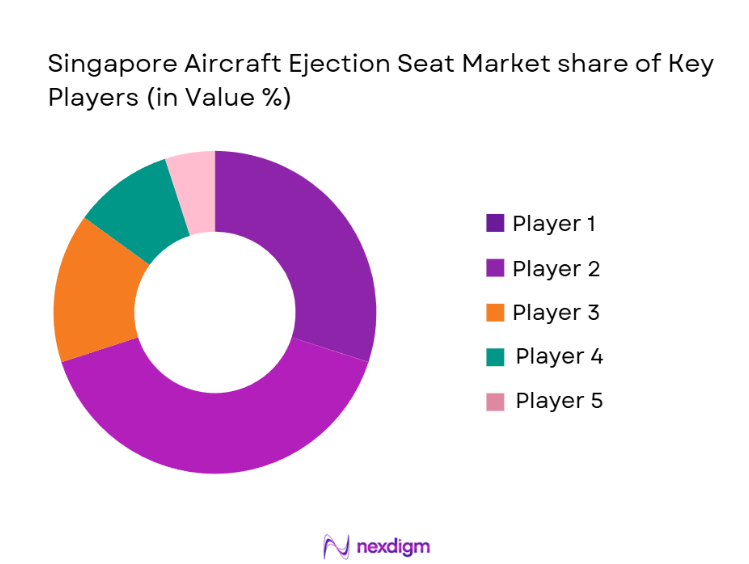
Singapore Aircraft Ejection Seat Market Analysis
Growth Drivers
Technological Advancements
The technological progress in ejection seat systems plays a crucial role in the market’s growth. The ongoing development of zero-zero ejection seats, which offer a higher safety profile for pilots, is a key driver in military aviation. Modern ejection seats feature more sophisticated mechanisms for pilot protection, including enhanced seat stabilization and rapid ejection capabilities. This continuous innovation is essential for meeting the evolving requirements of military aircraft and ensuring the safety of pilots under extreme conditions.
DefenseModernization Programs
Another major growth driver is the consistent modernization of defense fleets by countries, especially in Southeast Asia. As defense budgets rise, governments are increasingly investing in next-generation aircraft and upgrading older fleets. This trend drives the demand for advanced ejection seat systems to ensure the safety of pilots. Additionally, the integration of these new systems into high-performance military jets and training aircraft contributes to the market’s expansion.
Market Challenges
High Manufacturing Costs
The high manufacturing costs associated with advanced ejection seat technologies, particularly for zero-zero and space-rated systems, pose a significant challenge. These systems are complex and require extensive research, development, and testing before they can be deployed. The cost of these systems can be a barrier, especially for countries with limited defense budgets. As a result, some nations may delay or limit their procurement of these technologies, impacting overall market growth.
Regulatory Compliance and Safety Standards
Ejection seat manufacturers must adhere to stringent international safety standards and regulations, which can be a challenge. These safety requirements are often specific to different regions or countries, requiring manufacturers to adapt their designs and production processes. The continuous evolution of safety regulations could lead to increased R&D costs and extended timelines for product development, which could slow market adoption and limit the pace of innovation.
Opportunities
Emerging Markets for Defense Equipment
Emerging markets, particularly in Southeast Asia and the Asia-Pacific region, present significant opportunities for the aircraft ejection seat market. These regions are increasing their defense spending and modernizing their military fleets. As a result, there is a growing demand for high-quality ejection seats to enhance the safety of pilots. Companies can leverage this growth by forming strategic partnerships with local defense agencies and expanding their market reach in these regions.
Integration of Smart Technologies
The integration of smart technologies, such as sensors and data analytics, into ejection seatsrepresents a promising opportunity. These technologies can enhance the efficiency and reliability of ejection systems by providing real-time data on seat performance and pilot condition. Additionally, advancements in artificial intelligence (AI) could lead to the development of more automated and intelligent ejection systems. This would significantly improve pilot safety, further driving the market’s growth.
Future Outlook
Over the next five years, the Singapore aircraft ejection seat market is expected to grow steadily, driven by technological advancements, increasing defense budgets, and demand for modern military aircraft. The integration of ejection seats with next-generation fighter jets, bombers, and advanced helicopters is expected to drive substantial growth. Additionally, regulatory support from governments and defense ministries will further enhance market prospects. Manufacturers will likely focus on innovative designs and systems that meet stringent safety standards while ensuring cost-effectiveness.
Major Players
- Safran Seats
- Martin-Baker Aircraft Company
- Collins Aerospace
- UTC Aerospace Systems
- Recaro Aircraft Seating
- Zodiac Aerospace
- Thales Group
- GE Aviation
- Aerojet Rocketdyne
- Northrop Grumman
- Boeing Defense, Space & Security
- Lockheed Martin
- Honeywell Aerospace
- MBDA
- Raytheon Technologies
Key Target Audience
- Military defense organizations
- Aerospace manufacturers
- Aviation technology developers
- Commercial airlines
- Government and regulatory bodies
- Defense procurement agencies
- Investment and venture capitalist firms
- Aerospace and defense contractors
Research Methodology
Step 1: Identification of Key Variables
The first step involves identifying key market variables such as product types, platform types, and the geographical regions influencing the market. This ensures that relevant data is gathered for a comprehensive analysis.
Step 2: Market Analysis and Construction
Data from primary and secondary research is collected and analyzed to segment the market based on product types, applications, and geographies. This step includes evaluating key industry trends and growth patterns.
Step 3: Hypothesis Validation and Expert Consultation
Expert consultations are conducted to validate hypotheses based on the data collected. This helps refine market projections and ensures the accuracy of the final report.
Step 4: Research Synthesis and Final Output
The final research output is synthesized from all collected data, expert insights, and market analysis to provide a comprehensive market report, which includes actionable insights and projections.

- Executive Summary
- Research Methodology (Definitions, Scope, Industry Assumptions, Market Sizing Approach, Primary & Secondary Research Framework, Data Collection & Verification Protocol, Analytic Models & Forecast Methodology, Limitations & Research Validity Checks)

- Market Definition and Scope
- Value Chain & Stakeholder Ecosystem
- Regulatory / Certification Landscape
- Sector Dynamics Affecting Demand
- Strategic Initiatives & Infrastructure Growth

- Growth Drivers
Increase in Military Spending
Rising Demand for Aircraft Safety Systems
Technological Advancements in Ejection Seats - Market Challenges
High Initial Cost of Aircraft Ejection Seats
Regulatory Compliance and Certification Barriers
Limited Availability of Advanced Components - Market Opportunities
Growth in Aerospace Defense Budgets
Technological Innovations for Enhanced Safety
Expansion of Aerospace Training Programs - Trends
Development of Multi-Function Ejection Seats
Integration of AI in Ejection Seat Systems
Emergence of Lightweight Ejection Seat Technologies - Government Regulations
Aerospace Safety Regulations and Standards
Government Procurement Policies
Export and Import Control Regulations for Aircraft Systems

- By Market Value 2020-2025
- By Installed Units 2020-2025
- By Average System Price 2020-2025
- By System Complexity Tier 2020-2025

- By System Type (In Value%)
Aircraft Ejection Seats for Fighters
Aircraft Ejection Seats for Bombers
Aircraft Ejection Seats for Trainers
Helicopter Ejection Seats
Spacecraft Ejection Seats - By Platform Type (In Value%)
Military Aircraft
Civil Aircraft
Spacecraft
Helicopters
Training Aircraft - By Fitment Type (In Value%)
Forward Fit
Retrofit
OEM Fitment
Maintenance & Overhaul Fitment
Custom Fitment - By EndUser Segment (In Value%)
Military Defense
Aerospace & Aviation Manufacturers
Government & Regulatory Agencies
Training Institutions
Space Agencies - By Procurement Channel (In Value%)
Direct Procurement
Distributors & Resellers
OEM Procurement
Online Platforms
Public Procurement

- Market Share Analysis
- CrossComparison Parameters (Market Share, Revenue Growth, Technology Innovation, Regulatory Compliance, Price Sensitivity)
- SWOT Analysis of Key Competitors
- Pricing & Procurement Analysis
- Porter’s Five Forces
- Key Players
ST Engineering Aerospace
Safran Seats
Martin-Baker Aircraft Company
Zodiac Aerospace
UTC Aerospace Systems
Collins Aerospace
Recaro Aircraft Seating
General Electric Aviation
Aerojet Rocketdyne
Northrop Grumman
Boeing Defense, Space & Security
Lockheed Martin
Thales Group
MBDA
Honeywell Aerospace

- Military Air Forces’ Demand
- Space Industry Growth Impact
- Aerospace Manufacturers’ Investment
- Training and Simulation Systems Growth

- Forecast Market Value 2026-2035
- Forecast Installed Units 2026-2035
- Price Forecast by System Tier 2026-2035
- Future Demand by Platform 2026-2035


 Request a Sample
 Ask for Customization
 Get a Quote
 Enquire Now