
 Download PDF
 Download PDF
Market Overview
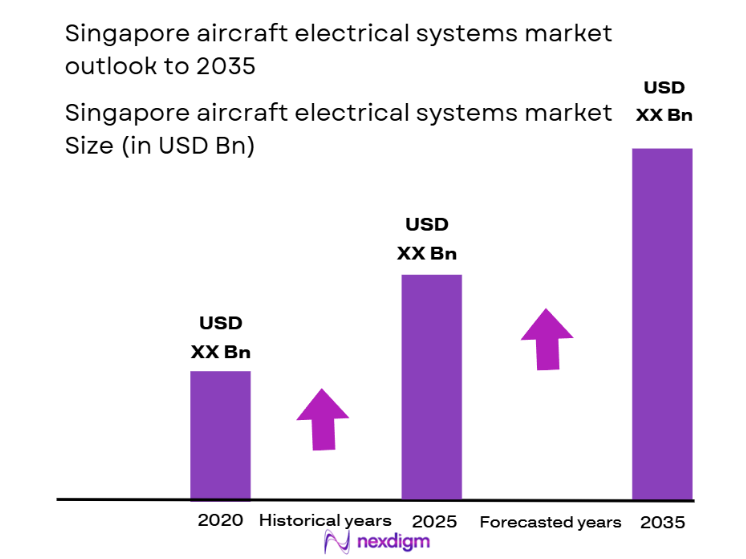
The Singapore aircraft electrical systems market is projected to reach USD ~ billion by the end of the historical assessment period, driven by the increasing demand for more energy-efficient, lightweight, and reliable electrical systems in modern aircraft. As the aviation industry embraces next-generation aircraft with advanced electrical architectures, significant investments from government and private sectors to promote air mobility and reduce emissions are bolstering market growth. Furthermore, demand for aircraft modernization and MRO (Maintenance, Repair, and Overhaul) services is accelerating the integration of advanced electrical systems across both commercial and military aircraft fleets.
The market is dominated by key players in developed regions, particularly in cities like Singapore, which is emerging as a global aerospace hub due to its strategic location in Asia. The strong presence of aircraft manufacturers, MRO services, and regulatory bodies in the region contributes significantly to market growth. Singapore’s focus on sustainable aviation technologies, government-backed initiatives, and investments in airport and aerospace infrastructure have solidified its position as a leading player in the aircraft electrical systems market.
Market Segmentation
By Product Type
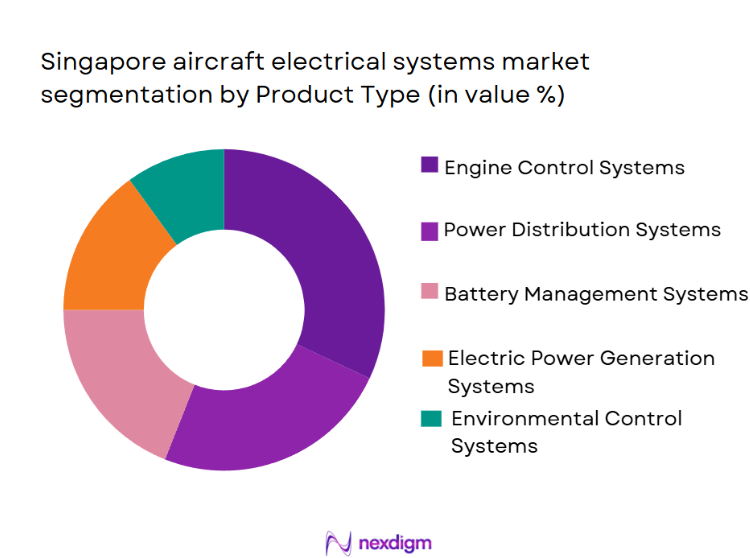
The Singapore aircraft electrical systems market is segmented by product type into engine control systems, power distribution units, battery management systems, electric power generation systems, and environmental control systems. Recently, engine control systems have been dominating the market share due to increasing demand for enhanced fuel efficiency, reduced emissions, and optimized aircraft performance. The rise of electric propulsion systems and the ongoing development of more sustainable aircraft have also contributed to the growth of this sub-segment, making it a vital component of modern aircraft designs.
By Platform Type
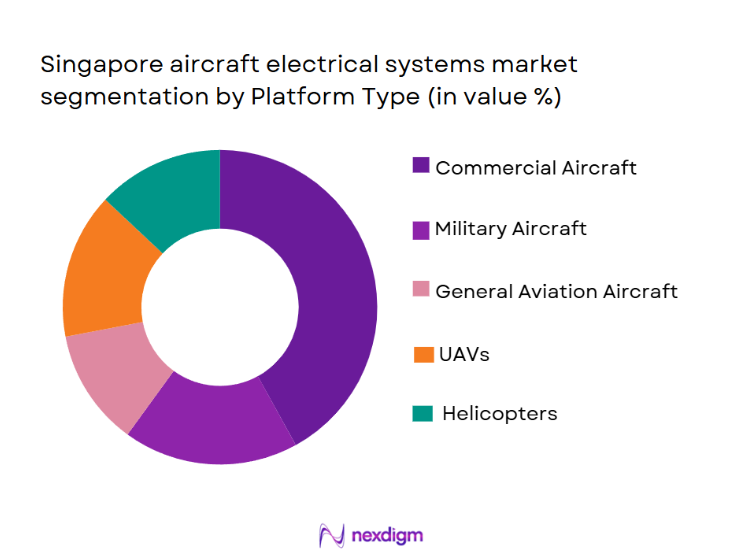
The Singapore aircraft electrical systems market is segmented by platform type into commercial aircraft, military aircraft, general aviation aircraft, unmanned aerial vehicles (UAVs), and helicopters. The commercial aircraft sub-segment holds a dominant market share due to the rapid expansion of air travel and the growing demand for eco-friendly aircraft technologies. Increased investments by airlines in fleet upgrades and the global trend toward more energy-efficient commercial aircraft are expected to further boost this sub-segment, making it a cornerstone of the aircraft electrical systems market.
Competitive Landscape
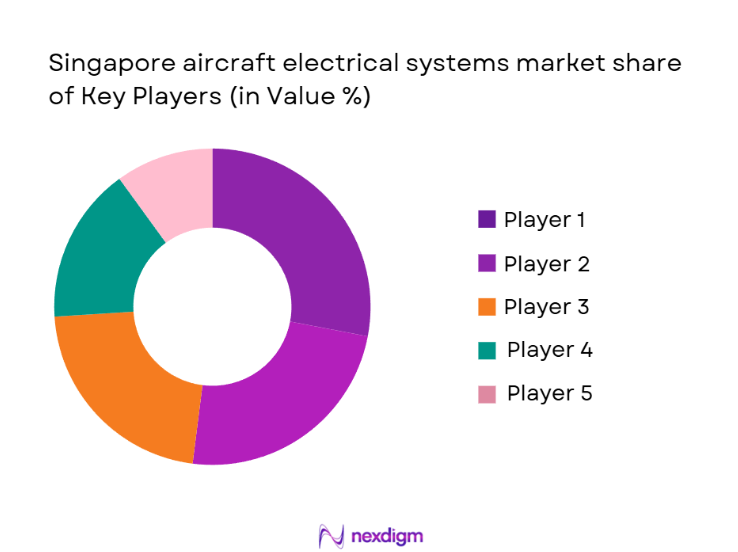
The Singapore aircraft electrical systems market is highly competitive, with several large players leading innovation and setting industry standards. Consolidation is evident, as major aerospace companies collaborate with governments and startups to develop more energy-efficient and sustainable technologies. The presence of major global players and the emphasis on advanced technologies are shaping the competitive landscape. These players continue to dominate through mergers, partnerships, and strategic investments aimed at gaining an edge in this rapidly evolving market.
| Company Name | Establishment Year | Headquarters | Technology Focus | Market Reach | Key Products | Revenue | Market-Specific Parameter |
| Honeywell Aerospace | 1906 | United States | ~ | ~ | ~ | ~ | ~ |
| Safran Electrical & Power | 2005 | France | ~ | ~ | ~ | ~ | ~ |
| Collins Aerospace | 1931 | United States | ~ | ~ | ~ | ~ | ~ |
| Thales Group | 1893 | France | ~ | ~ | ~ | ~ | ~ |
| Moog Inc. | 1951 | United States | ~ | ~ | ~ | ~ | ~ |
Singapore Aircraft Electrical Systems Market Analysis
Growth Drivers
Advancements in Aircraft Electrification
The rise of electric aircraft and hybrid propulsion systems is driving the demand for specialized electrical systems. As airlines aim to reduce carbon emissions and improve fuel efficiency, the adoption of electrification technologies has increased, influencing the demand for next-generation electrical systems. This trend is expected to boost market growth, especially in the development of power management and distribution systems.
Growing Air Travel Demand
The continuous expansion of the global aviation industry, driven by a rising middle class, growing tourism, and increased international travel, has led to a higher demand for commercialaircraft. This demand has resulted in the need for improved aircraft systems, including electrical solutions for enhanced fuel efficiency, passenger comfort, and safety, fostering growth in the aircraft electrical systems market.
Market Challenges
High Development and Maintenance Costs
Aircraft electrical systems require substantial investment in research, development, and maintenance. The complexity of integrating advanced electrical systems with other aircraft systems further increases costs. Small and medium-sized players may find it difficult to compete with established players due to the high capital required to innovate and maintain these systems, hindering market entry and growth.
Regulatory Challenges
Stringent regulations imposed by aviation authorities, such as the FAA and EASA, can pose challenges in terms of certification and compliance. Adhering to these regulations requiressignificant time and financial investments, particularly for new technologies like electric and hybrid propulsion systems. Meeting these regulatory standards can delay the introduction of innovative electrical systems into the market.
Opportunities
Sustainability and Green Aircraft Initiatives
The increasing focus on environmental sustainability presents a significant opportunity for the aircraft electrical systems market. With rising pressure on the aviation industry to reduce emissions, there is a growing demand for environmentally friendly aircraft. The development of energy-efficient electrical systems that support electric propulsion and reduce weight can offer significant advantages in meeting sustainability targets, thus opening new avenues for growth.
Smart Aircraft Systems
The introduction of smartaircraft systems that integrate advanced electrical components for automation, data management, and operational efficiency offers an exciting opportunity. The increasing integration of IoT (Internet of Things) in aviation is transforming how electrical systems are utilized. Innovations in smart electrical components will enhance system reliability, safety, and fuel efficiency, fostering the market’s expansion.
Future Outlook
The aircraft electrical systems market is expected to witness strong growth in the coming years, driven by advancements in technology, particularly in electrification and sustainable aviation. As the industry embraces next-generation aircraft, including electric and hybrid models, the demand for modern electrical systems is anticipated to surge. Governments worldwide are increasingly focusing on sustainability, with regulations supporting the development of green aviation technologies. Additionally, the ongoing recovery of the global aviation industry, particularly in Asia-Pacific, is set to further drive demand for advanced electrical systems.
Major Players
- Honeywell Aerospace
- Safran Electrical & Power
- Collins Aerospace
- Thales Group
- Moog Inc.
- UTC Aerospace Systems
- GE Aviation
- Zodiac Aerospace
- Diehl Aviation
- Liebherr Aerospace
- Boeing
- Airbus
- Rockwell Collins
- Parker Hannifin
- AeroVironment
Key Target Audience
- Airlines
- Aircraft Manufacturers
- MRO Service Providers
- Government and Regulatory Bodies
- Investors and Venture Capitalist Firms
- Aircraft Component Suppliers
- OEMs (Original Equipment Manufacturers)
- Private Aircraft Owners
Research Methodology
Step 1: Identification of Key Variables
This step involves identifying the key variables that impact the market, including demand trends, technology adoption, and regulatory frameworks. These variables are crucial for the overall analysis and understanding of the market.
Step 2: Market Analysis and Construction
Market segmentation is performed based on various factors such as product type, platform type, and fitment type. This step builds the foundation for understanding market size and segmentation.
Step 3: Hypothesis Validation and Expert Consultation
The hypotheses are validated through consultations with industry experts, stakeholders, and major players to ensure the accuracy and relevance of the findings.
Step 4: Research Synthesis and Final Output
The final research synthesis consolidates all collected data and insights into a cohesive report. The output is designed to provide actionable insights for stakeholders and decision-makers.

- Executive Summary
- Research Methodology (Definitions, Scope, Industry Assumptions, Market Sizing Approach, Primary & Secondary Research Framework, Data Collection & Verification Protocol, Analytic Models & Forecast Methodology, Limitations & Research Validity Checks)

- Market Definition and Scope
- Value Chain & Stakeholder Ecosystem
- Regulatory / Certification Landscape
- Sector Dynamics Affecting Demand
- Strategic Initiatives & Infrastructure Growth

- Growth Drivers
Increase in Aircraft Production
Technological Advancements in Electrical Systems
Rise in Air Travel Demand - Market Challenges
High Cost of Advanced Electrical Systems
Complexity of Integration in Existing Aircraft
Regulatory Compliance Issues - Market Opportunities
Growth in Electrification of Aircraft
Government Initiatives to Promote Green Aviation
Increased Investment in Aircraft Modernization - Trends
Shift Toward More Efficient Power Systems
Integration of IoT and AI in Aircraft Electrical Systems
Focus on Sustainable and Green Aviation Technologies - Government Regulations
Compliance with ICAO Standards
Local Certification Requirements
Government Policies Supporting Sustainable Aviation

- By Market Value 2020-2025
- By Installed Units 2020-2025
- By Average System Price 2020-2025
- By System Complexity Tier 2020-2025

- By System Type (In Value%)
Engine Control Systems
Power Distribution Units
Battery Management Systems
Electric Power Generation Systems
Environmental Control Systems - By Platform Type (In Value%)
Commercial Aircraft
Military Aircraft
General Aviation Aircraft
Unmanned Aerial Vehicles
Helicopters - By Fitment Type (In Value%)
Linefit
Retrofit
OEM
Aftermarket
Upgrades - By EndUser Segment (In Value%)
Airlines
Aircraft Manufacturers
MRO Services
Government & Military
Private Aircraft Owners - By Procurement Channel (In Value%)
Direct Procurement
Indirect Procurement
Distributors
Third-Party Integrators
OEM Channels

- Market Share Analysis
- CrossComparison Parameters (Market Value, Installed Units, System Complexity, Fitment Type, Growth Drivers)
- SWOT Analysis of Key Competitors
- Pricing & Procurement Analysis
- Porter’s Five Forces
- Key Players
Honeywell Aerospace
Safran Electrical & Power
Collins Aerospace
Thales Group
Moog Inc.
UTC Aerospace Systems
GE Aviation
Zodiac Aerospace
Diehl Aviation
Liebherr Aerospace
Boeing
Airbus
Rockwell Collins
Parker Hannifin
AeroVironment

- Airline Fleet Expansion
- Increased Demand for MRO Services
- Government and Military Contracts
- Private Sector Demand for Advanced Aircraft Features

- Forecast Market Value 2026-2035
- Forecast Installed Units 2026-2035
- Price Forecast by System Tier 2026-2035
- Future Demand by Platform 2026-2035


 Request a Sample
 Ask for Customization
 Get a Quote
 Enquire Now