
 Download PDF
 Download PDF
Market Overview
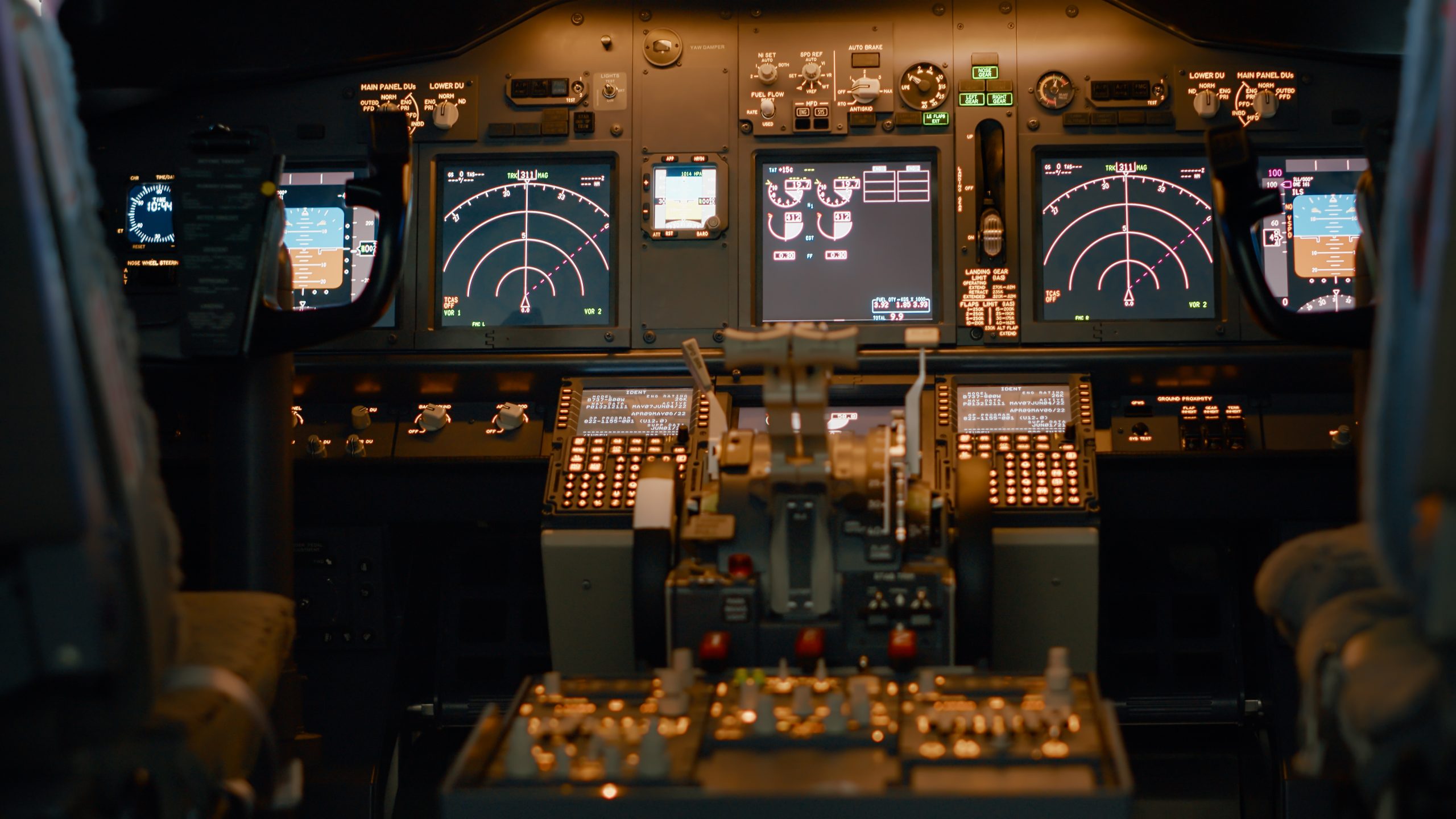
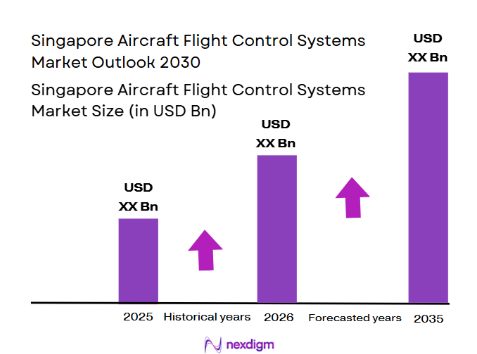
The Singapore aircraft flight control systems market is valued at USD ~ billion in 2025. The market’s growth is driven by the increasing demand for advanced flight control systems as the aviation industry in Southeast Asia continues to expand. Singapore’s strategic position as an aviation hub, supported by major players like Singapore Airlines and regional air travel demand, is fueling the need for sophisticated flight control technologies. Additionally, the global aviation industry’s emphasis on automation, safety, and fuel efficiency has made advanced flight control systems integral to aircraft design, maintenance, and upgrades. Regulatory advancements and technological innovations, including fly-by-wire systems and autonomous flight technologies, continue to support the growth trajectory in this market. The robust aviation ecosystem in Singapore, along with its growing aerospace industry, forms the foundation for the market’s expansion.
Singapore dominates the aircraft flight control systems market due to its strategic location in Southeast Asia and its status as a global aviation hub. The country has one of the world’s busiest airports, Changi Airport, which handled ~ million passengers in 2024, and is home to a strong aerospace manufacturing and service sector. The government’s commitment to expanding the aerospace industry through policies and investments in both commercial and military aviation further reinforces Singapore’s position as a leader in the market. The presence of major airline carriers like Singapore Airlines, and defense contracts with top-tier aerospace companies, has positioned the country as a key player in aviation technology, including advanced flight control systems. Furthermore, Singapore’s significant focus on research and development within aviation technology fuels the demand for next-generation flight control solutions.
Market Segmentation
By Product Type
The market for aircraft flight control systems in Singapore is segmented into primary flight control systems, secondary flight control systems, autopilot systems, and redundant/backup control systems. Among these, primary flight control systems hold the dominant market share. This is due to their critical role in ensuring aircraft stability and maneuverability, including ailerons, elevators, rudders, and spoilers. As aviation safety regulations become more stringent, the demand for highly reliable primary flight control systems has increased, as they are essential for flight operations and meet the growing need for automation in modern aircraft. The increasing use of fly-by-wire technology, which replaces mechanical control systems with electronic interfaces, is driving this segment’s growth. Airlines and aircraft manufacturers are investing in these systems to improve fuel efficiency and operational safety, making primary flight control systems a key area of focus in both new aircraft development and retrofitting older fleets.

By Technology Platform
The aircraft flight control systems market is also segmented by technology platform into fly-by-wire (FBW) systems, hydromechanical systems, power-by-wire, and integrated flight control systems. Fly-by-wire systems dominate this segment due to their role in reducing aircraft weight and improving flight performance. Fly-by-wire technology has become the standard in modern commercial aircraft, allowing for more efficient control and reducing the mechanical complexity of traditional systems. The transition towards fully digital control systems offers enhanced performance in terms of fuel efficiency, precision, and ease of integration with other avionics systems. Airlines, especially in Southeast Asia, are increasingly incorporating FBW systems into their fleets as part of their modernization efforts, particularly in high-performance aircraft like the Boeing ~ and Airbus ~. This segment’s growth is also fueled by the continuous advancement of autonomous flight technologies and the integration of flight control systems with other systems like navigation and autopilot.

Competitive Landscape
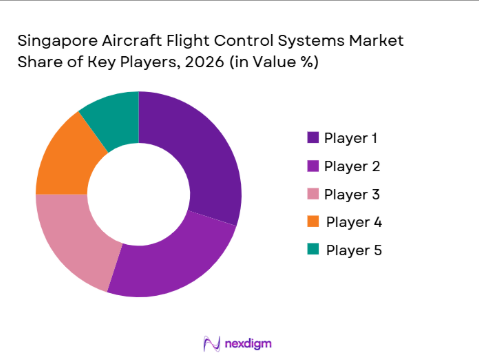
The Singapore aircraft flight control systems market is competitive, with major global players such as Honeywell Aerospace, Collins Aerospace, BAE Systems, Moog Inc., and Safran Electronics & Defense leading the market. These companies are well-established in the global aerospace industry, providing highly advanced flight control systems. They dominate due to their ability to deliver cutting-edge technologies such as fly-by-wire systems, autonomous control systems, and backup/ redundancy systems. Their extensive research and development investments, along with strategic partnerships with aircraft manufacturers and airlines, give them a competitive edge. These companies’ strong presence in Southeast Asia is further supported by Singapore’s well-established aviation and aerospace infrastructure, including MRO services and OEM manufacturing.
| Company | Establishment Year | Headquarters | Revenue (2023) | Product Portfolio | Technology Focus |
| Honeywell Aerospace | 1906 | USA | ~ | ~ | ~ |
| Collins Aerospace | 1930 | USA | ~ | ~ | ~ |
| BAE Systems | 1999 | UK | ~ | ~ | ~ |
| Moog Inc. | 1951 | USA | ~ | ~ | ~ |
| Safran Electronics & Defense | 2005 | France | ~ | ~ | ~ |
Singapore Aircraft Flight Control Systems Market Analysis
Growth Drivers
Growth of Aviation and Aerospace Industry in Southeast Asia
Singapore’s aviation sector drives demand for advanced flight control systems as traffic volumes and aircraft operations rebound strongly. Changi Airport recorded ~ million passenger movements in 2025, up from ~million in 2024, signaling rising aircraft utilization that increases demand for avionics, including flight control upgrades and maintenance cycles. Air traffic recovery also reflected in ~ aircraft movements in 2024, up from ~ in 2024, illustrating increased commercial and cargo flight operations needing reliable control system support. Singapore’s position as a regional aerospace hub with one of the busiest international airports amplifies demand for advanced flight control technologies.
Technological Advancements in Flight Control Systems
The rapid adoption of digital and flybywire flight control technologies enhances system efficiency and safety, aligning with global aviation technology progression. Major aircraft models deployed in Singapore’s fleets—such as Airbus ~ and Boeing ~ use highly integrated electronic flight control systems that reduce mechanical complexity and improve performance. Singapore’s aerospace ecosystem supports these technologies through substantial output growth; the sector expanded by ~% in Q1 2024, driven by demand for aircraft parts and MRO services, indicating a robust environment for technological innovation. Singapore’s ecosystem encourages integration of advanced flight control systems into both commercial and military aircraft operations.
Market Challenges
High Development and Certification Costs
Developing and certifying advanced flight control systems is costintensive due to extensive safety, redundancy, and reliability requirements mandated by major aviation authorities. Singapore’s aerospace firms and MRO providers must adhere to complex global certification standards (e.g., FAA, EASA) that require exhaustive testing and documentation for flight hardware and software. The Singapore aerospace industry, including highprecision avionics and control systems, benefits from government incentives, yet high certification costs remain a barrier to rapid deployment and innovation. Revenue and operational constraints can arise from prolonged validation cycles before integration into active fleets.
Complexity of Integration with Existing Systems
Integrating new flight control technologies into existing aircraft platforms presents technical challenges that can delay implementation. Modern flight control systems must interface with legacy avionics, autopilot subsystems, and navigation infrastructure, demanding high engineering expertise. For instance, Singapore Airlines and partner carriers operate mixed fleets, including advanced widebody aircraft with digital control architectures and older models requiring customized retrofit approaches. The combination of legacy and modern systems increases integration complexity, necessitating detailed coordination across avionics software, hardware compatibility layers, and safety certification requirements to maintain seamless operations.
Opportunities
Technological Advancements
Emerging advancements in flight control technologies—such as adaptive control algorithms, integrated sensor networks, and highreliability computing platforms—offer significant opportunities. These advancements support more responsive and efficient flight control solutions tailored for nextgeneration aircraft, including unmanned and autonomous platforms. As airlines expand route networks and seek improved operational resilience, demand for nextlevel control systems that enhance performance and reduce maintenance downtime is increasing in Singapore’s aerospace market.
International Collaborations
International partnerships between Singapore aerospace firms and global OEMs facilitate technology transfer and shared development of flight control systems. Such collaborations enable access to broader R&D resources and multijurisdictional certification pathways, which can accelerate innovation and market adoption. Singapore’s globally connected aviation ecosystem, supported by a large network of airlines and MRO providers, makes it an attractive base for joint ventures and cooperative ventures in advanced avionics.
Future Outlook
The Singapore aircraft flight control systems market is expected to experience steady growth in the coming years, driven by technological advancements and the continued expansion of the aviation industry in Southeast Asia. As airlines modernize their fleets with new-generation aircraft, the demand for fly-by-wire systems and autonomous flight technologies will increase. Singapore’s strong aviation infrastructure, along with regulatory requirements for safer and more efficient flight operations, will continue to drive the need for advanced flight control systems. Furthermore, the government’s emphasis on aerospace innovation and the rise of autonomous and hybrid aircraft technologies will fuel further developments in flight control systems. As digital technologies, such as artificial intelligence and machine learning, become more integrated into flight operations, the demand for smarter and more efficient flight control systems will accelerate.
Major Players
- Honeywell Aerospace
- Collins Aerospace
- BAE Systems
- Moog Inc.
- Safran Electronics & Defense
- Rolls-Royce
- GE Aviation
- Thales Group
- Parker Hannifin
- Leonardo S.p.A.
- Raytheon Technologies
- Mitsubishi Heavy Industries
- United Technologies
- Embraer
- Lockheed Martin
Key Target Audience
- OEMs
- MRO Providers
- Aerospace Component Suppliers
- Aircraft Operators
- Government and Defense Procurement Agencies
- Investments and Venture Capitalist Firms
- Aircraft Leasing Companies
- Regulatory Bodies
Research Methodology
Step 1: Identification of Key Variables
The first step involves gathering detailed data on all market stakeholders within the Singapore Aircraft Flight Control Systems Market. This is achieved through a combination of secondary research from industry reports, publications, and market databases, along with primary research through interviews with key industry players. The objective is to identify critical variables such as product segments, technology trends, and key players impacting market dynamics.
Step 2: Market Analysis and Construction
During this phase, we collect and analyze historical market data, including trends in OEM demand, MRO activities, and the integration of new technologies like fly-by-wire and autonomous systems. A thorough assessment of these trends allows us to project market growth and assess the competitive landscape effectively.
Step 3: Hypothesis Validation and Expert Consultation
Once market hypotheses are formed, these will be validated via expert consultations with industry leaders and technical experts. These insights help refine the data and ensure the assumptions are accurate, providing a clearer picture of the future trajectory of flight control system technologies in Singapore.
Step 4: Research Synthesis and Final Output
The final phase involves synthesizing all gathered data and insights to present a comprehensive report, ensuring that all market variables, trends, and competitive forces are fully captured. The data is then formatted into actionable recommendations and forecasts that guide stakeholders in strategic decision-making.

- Executive Summary
- Research Methodology (Market Definitions and Assumptions, Abbreviations, Market Sizing Approach, Consolidated Research Approach, Understanding Market Potential Through InDepth Industry Interviews, Primary Research Approach, Limitations and Future Conclusions)

- Definition and Scope
- Overview Genesis
- Timeline of Major Players
- Business Cycle
- Supply Chain and Value Chain Analysis

- Growth Drivers
Growth of Aviation and Aerospace Industry in Southeast Asia
Technological Advancements in Flight Control Systems
Regulatory Push for Enhanced Safety Standards - Challenges
High Development and Certification Costs
Complexity of Integration with Existing Systems
Limited Skilled Workforce in Aerospace Avionics - Opportunities
Increased Aircraft Fleet Modernization in Southeast Asia
Demand for Advanced FlybyWire Systems
Growing Military and Defense Spending - Trends
Adoption of Integrated Avionics and Flight Control Systems
Shift Towards Autonomous Flight Control Systems
Rise of Digital Twin Technologies in Flight Control Systems - Government Regulation
Compliance with International Aviation Safety Standards (FAA, EASA)
National Aviation Safety and Certification Requirements - SWOT Analysis
- Stakeholder Ecosystem
- Porter’s Five Forces Analysis
- Competitive Landscape

- By Value, 2019-2025
- By Volume, 2019-2025
- By Average Price, 2019-2025

- By Product Type (In Value %)
Primary Flight Control Systems
Secondary Flight Control Systems
Autopilot/AutoFlight Systems
Redundant/Backup Control Systems - By Technology Platform (In Value %)
FlybyWire (FBW) Systems
Hydromechanical Systems
PowerbyWire
Integrated Flight Control Systems - By Aircraft Platform (In Value %)
Commercial Aircraft
Military Aircraft
Business Jets
Rotorcraft - By End User (In Value %)
OEM (Original Equipment Manufacturers)
MRO (Maintenance, Repair, and Overhaul) Providers
Military & Government Procurement
Commercial Airlines - By Component (In Value %)
Flight Control Computers
Actuators
Sensors
Software Modules

- Market Share of Major Players on the Basis of Value/Volume, 2024
- Cross Comparison Parameters (Company Overview, Business Strategies, Recent Developments, Strength, Weakness, Organizational Structure, Revenues, Revenues by Type of Flight Control System, Number of Touchpoints, Distribution Channels, Number of Dealers and Distributors, Margins, Production Plants, Capacity, Unique Value Offering, and Others)
- SWOT Analysis of Major Players
- Pricing Analysis by SKUs for Major Players in Singapore Aircraft Flight Control Systems Market
- Detailed Profiles of Major Companies
3M
Moog Inc.
Honeywell Aerospace
Collins Aerospace
BAE Systems
Safran Electronics & Defense
Raytheon Technologies
Northrop Grumman
GE Aviation
Parker Hannifin
Thales Group
Liebherr Aerospace
United Technologies Corporation
Mitsubishi Heavy Industries
Aerospace Systems

- Market Demand and Utilization
- Purchasing Power and Budget Allocations
- Regulatory and Compliance Requirements
- Decision Making Process

- By Value, 2026-2035
- By Volume, 2026-2035
- By Average Price, 2026-2035


 Request a Sample
 Ask for Customization
 Get a Quote
 Enquire Now