
 Download PDF
 Download PDF
Market Overview
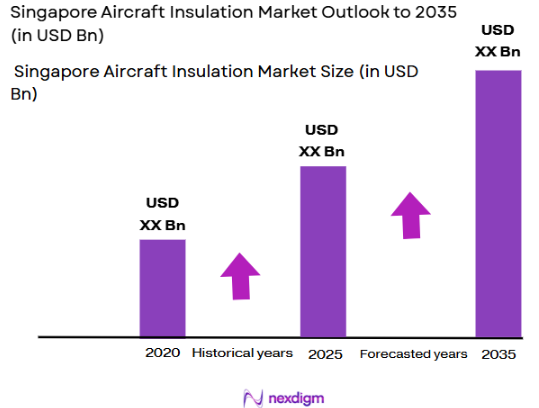
The Singapore Aircraft Insulation Market is expected to witness significant growth in the upcoming years. As of recent data, the market value of aircraft insulation in Singapore is estimated to be approximately USD ~million, driven primarily by the rise in air travel, technological advancements in insulation materials, and the growing demand for aircraft noise and fire protection solutions. The market’s growth is further fueled by increasing air traffic and aircraft production, particularly in the commercial aviation sector. The push for more energy-efficient and lightweight materials is accelerating demand for advanced insulation solutions.
Singapore is a dominant player in the Asia-Pacific aircraft insulation market due to its strategic position as a leading aviation hub in Southeast Asia. With Changi Airport being a major international air transit center, the country benefits from high aircraft maintenance and manufacturing activities. Additionally, Singapore’s strong regulatory framework for aviation safety and environmental sustainability enhances the adoption of advanced insulation technologies in both commercial and military aircraft. Moreover, the country’s robust infrastructure and growing aviation industry position it as a key player in the aircraft insulation market.
Market Segmentation
By System Type
The Singapore Aircraft Insulation Market is segmented by system type into thermal insulation, acoustic insulation, fire insulation, vibration insulation, and combined insulation systems. Among these, thermal insulation holds the largest market share due to its crucial role in enhancing fuel efficiency and maintaining optimal temperature within aircraft cabins. Thermal insulation systems are used to reduce the impact of temperature fluctuations on aircraft, ensuring that the internal environment remains comfortable and energy-efficient. The increasing focus on reducing aircraft weight for fuel efficiency has also led to the use of advanced lightweight thermal insulation materials, contributing to its dominance. 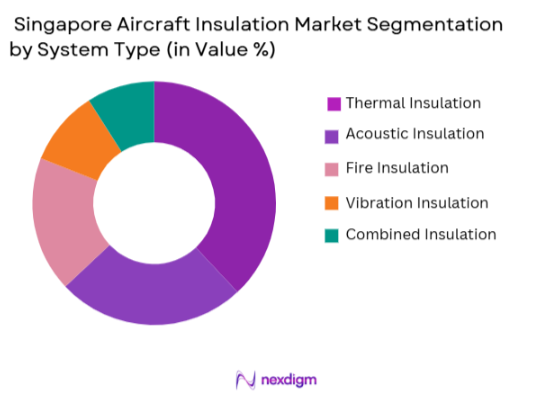
By Platform Type
The market is also segmented by platform type, including commercial aircraft, military aircraft, private aircraft, cargo aircraft, and helicopters. Commercial aircraft dominate this segment due to the growing air passenger traffic and airline fleet expansion. The demand for insulation in commercial aircraft is driven by the need for improved passenger comfort, energy efficiency, and regulatory compliance. The rise of budget airlines and increased air travel frequency further boost the demand for efficient aircraft insulation solutions in commercial aviation. 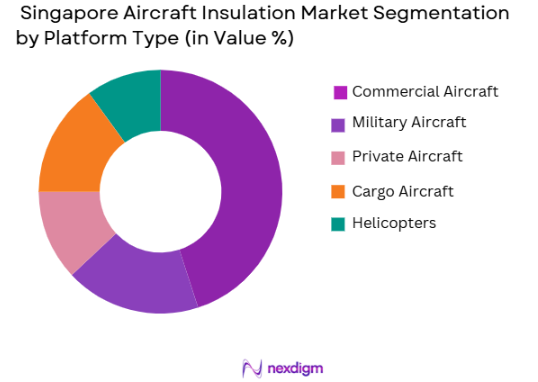
Competitive Landscape
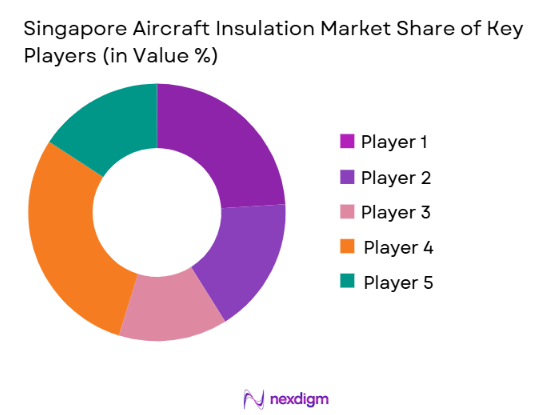
The Singapore Aircraft Insulation Market is primarily dominated by a few key players, with a few major companies capturing the majority of the market share. These include global giants in the aerospace and insulation industries that offer a wide range of solutions for both commercial and military applications. The competitive landscape is driven by technological advancements, including the development of lighter and more efficient materials, and by strong partnerships with aircraft manufacturers and maintenance organizations. The presence of leading companies also ensures a high degree of innovation and improvement in the quality of insulation systems.
| Company Name | Establishment Year | Headquarters | Product Portfolio | Market Presence | Revenue (USD) | Number of Employees |
| Zodiac Aerospace | 1896 | Paris, France | ~ | ~ | ~ | ~ |
| 3M | 1902 | Minnesota, USA | ~ | ~ | ~ | ~ |
| Armacell | 2000 | Münster, Germany | ~ | ~ | ~ | ~ |
| Huntsman International LLC | 1970 | Texas, USA | ~ |
~ |
~ | ~ |
| Insultherm | 1997 | Singapore | ~ | ~ | ~ | ~ |
Market Analysis
Growth Drivers
Urbanization
Urbanization is a major driver of the Singapore Aircraft Insulation Market. With the population of Singapore projected to reach ~million in 2024, the demand for air travel and modern infrastructure is increasing significantly. This growth in urban areas, along with an expanding middle class, boosts the need for air transportation, indirectly driving the demand for more efficient and insulated aircraft. Urbanization also stimulates the need for technological advancements in aircraft design, including better thermal and acoustic insulation systems, to meet the evolving demands of urban passengers.
Industrialization
Industrialization in Singapore continues to be a vital growth driver for the aviation sector. The country’s industrial output is projected to grow at an annual rate of ~% over the next few years, with key industries such as electronics, chemicals, and aerospace manufacturing contributing to the market’s expansion. As the aviation industry in Singapore advances, the need for insulation materials that offer superior fire protection, noise reduction, and thermal efficiency becomes critical. The integration of modern manufacturing technologies also facilitates the production of advanced insulation materials, contributing to the market’s growth.
Restraints
High Initial Costs
The high initial costs associated with advanced insulation systems remain a major restraint for the growth of the Singapore Aircraft Insulation Market. Aircraft manufacturers face significant capital expenditure when integrating high-performance insulation materials, which increases the overall production cost of aircraft. For instance, insulation materials like composite materials and advanced foams are often more expensive than traditional options. This, coupled with the ongoing need for research and development to meet evolving industry standards, places a financial burden on aircraft producers.
Technical Challenges
The technical complexity of designing and installing aircraft insulation systems is a major challenge in the market. As aircraft become more sophisticated, insulation systems need to meet stringent performance criteria for thermal management, fire safety, and acoustic reduction. These high-performance requirements lead to challenges in material selection, compatibility, and the installation process. Moreover, as the aviation industry continues to push for lighter materials to improve fuel efficiency, engineers face the task of balancing insulation performance with weight reduction, which increases the technical demands of insulation systems.
Opportunities
Technological Advancements
Technological advancements in insulation materials present significant opportunities for the Singapore Aircraft Insulation Market. Innovations such as nanomaterials, phase change materials (PCMs), and improved foam insulation technologies are driving the development of lighter, more efficient, and more sustainable insulation solutions. These advancements not only improve aircraft performance by enhancing fuel efficiency and reducing weight, but they also cater to the growing demand for environmentally friendly materials. The ongoing research into self-healing and fire-resistant materials is expected to offer long-term benefits for the market, providing enhanced durability and safety.
International Collaborations
International collaborations in the aerospace sector create opportunities for the Singapore Aircraft Insulation Market by facilitating the exchange of technology and knowledge. Singapore has positioned itself as a hub for aerospace manufacturing and innovation, with strong ties to global aircraft manufacturers and suppliers. Collaborations with major international players like Boeing and Airbus provide local companies with access to cutting-edge technologies and materials, enabling them to meet international standards and enhance the performance of insulation systems. These partnerships also foster the development of joint ventures and market expansion.
Future Outlook
Over the next decade, the Singapore Aircraft Insulation Market is expected to grow significantly, driven by the increasing demand for energy-efficient and lightweight insulation solutions in aircraft. The market will benefit from technological advancements, particularly in sustainable insulation materials, and the expansion of the aviation sector. The introduction of more stringent noise, fire, and thermal regulations will further drive the adoption of advanced insulation systems. Additionally, the push towards enhancing passenger comfort and aircraft efficiency will remain a key growth factor.
Major Players in the Market
- Zodiac Aerospace
- 3M
- Armacell
- Huntsman International LLC
- Insultherm
- BASF
- Gore Industries
- Thermex Insulation
- Rockwool International
- Sagebrush Insulation
- AeroVironment Inc
- Harris Corporation
- Greene Tweed & Co.
- Owens Corning
- Milliken & Company
Key Target Audience
- Aerospace Manufacturers
- Airlines and Aircraft Operators
- Aircraft Maintenance and Repair Organizations
- Aircraft Component Suppliers
- Aircraft Insulation Solution Providers
- Regulatory Bodies
- Government and Regulatory Bodies
- Investments and Venture Capitalist Firms
Research Methodology
Step 1: Identification of Key Variables
The research process begins with the identification of key variables in the Singapore Aircraft Insulation Market. This step involves comprehensive desk research, utilizing secondary and proprietary databases to identify critical factors influencing the market. The focus is on understanding various insulation materials, installation techniques, and regulatory frameworks affecting the market.
Step 2: Market Analysis and Construction
Historical data is collected to analyze market trends, growth rates, and performance. The research team evaluates market penetration rates, pricing models, and service providers to determine the overall market potential and revenue forecasts. This analysis helps in understanding the dynamics driving market performance.
Step 3: Hypothesis Validation and Expert Consultation
To validate the market hypotheses, expert consultations will be conducted via computer-assisted telephone interviews (CATIs) with industry professionals. These interviews will provide insights into real-world industry practices, technological advancements, and operational challenges that affect the market.
Step 4: Research Synthesis and Final Output
In this final phase, data gathered from multiple sources is synthesized to produce a comprehensive market analysis. The final output includes a complete set of market insights, trends, growth forecasts, and strategic recommendations, all of which are verified through direct engagement with manufacturers and key stakeholders in the indusry.

- Executive Summary
- Research Methodology(Definitions, Scope, Industry Assumptions, Market Sizing Approach, Primary & Secondary Research Framework, Data Collection & Verification Protocol, Analytic Models & Forecast Methodology, Limitations & Research Validity Checks)

- Market Definition and Scope
- Value Chain & Stakeholder Ecosystem
- Regulatory / Certification Landscape
- Sector Dynamics Affecting Demand
- Strategic Initiatives & Infrastructure Growth

- Growth Drivers
Increasing demand for lightweight and energy-efficient materials
Growing air travel demand leading to more aircraft production
Stringent noise and emission regulations driving demand for insulation - Market Challenges
High cost of advanced insulation materials
Complexity in aircraft insulation installation
Fluctuations in raw material prices - Market Opportunities
Expansion of air travel in the Asia-Pacific region
Technological advancements in insulation material production
Growing demand for retrofit and replacement insulation systems - Trends
Increased focus on noise reduction in aircraft cabins
Emerging use of eco-friendly and sustainable insulation materials
Advancements in multi-layered insulation systems for better thermal control - Government regulations
Strict noise reduction regulations in the aviation industry
Compliance with fire safety and thermal insulation standards
Environmental regulations driving the use of sustainable materials - SWOT analysis
- Porters 5 forces
Threat of new entrants: Low due to high barriers to entry
Bargaining power of suppliers: Moderate, due to reliance on specialized materials
Bargaining power of buyers: High, given multiple suppliers in the market
Threat of substitutes: Moderate, due to alternative materials and technologies
Industry rivalry: High, with several key players competing for market share

- By Market Value 2020-2025
- By Installed Units 2020-2025
- By Average System Price 2020-2025
- By System Complexity Tier 2020-2025

- By System Type (In Value%)
Thermal Insulation
Acoustic Insulation
Fire Insulation
Vibration Insulation
Combined Insulation Systems - By Platform Type (In Value%)
Commercial Aircraft
Military Aircraft
Private Aircraft
Cargo Aircraft
Helicopters - By Fitment Type (In Value%)
OEM Fitment
Aftermarket Fitment
Retrofit Fitment
Repair & Replacement Fitment
Maintenance Fitment - By End-User Segment (In Value%)
Airlines
Military and Defense
Private Aircraft Operators
Maintenance Repair Organizations
Aircraft Manufacturers - By Procurement Channel (In Value%)
Direct Procurement
Distributor Procurement
OEM Procurement
Third-Party Procurement
Online Procurement

- Market Share Analysis
- CrossComparison Parameters(Material Type, Fitment Type, Platform Type, Market Value, Growth Rate)
- SWOT Analysis of Key Competitors
- Pricing & Procurement Analysis
- Key Players
Aerospace Insulations Ltd
Zodiac Aerospace
3M
BASF
Huntsman International LLC
Gore Industries
Thermex Insulation
Rockwool International
Armacell International
Insultherm
Kraton Polymers
Sagebrush Insulation
AeroVironment Inc
Harris Corporation
Greene Tweed & Co.

- Growing demand for insulation in commercial and cargo aircraft
- Increased retrofit and replacement demand from airlines and MRO
- Military aircraft modernization driving insulation demand
- Rising air travel and private aviation boosting the need for aircraft insulation

- Forecast Market Value 2026-2035
- Forecast Installed Units 2026-2035
- Price Forecast by System Tier 2026-2035
- Future Demand by Platform 2026-2035


 Request a Sample
 Ask for Customization
 Get a Quote
 Enquire Now