

 Download PDF
 Download PDF
Market Overview
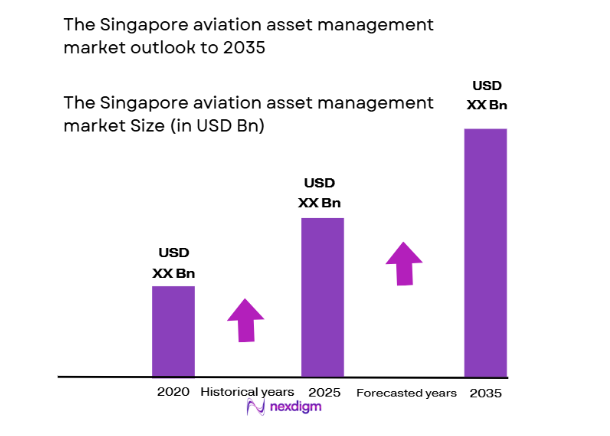
The Singapore aviation asset management market is expected to see substantial growth, with the market size projected to reach ~ billion USD by 2024. The growth is primarily driven by the increasing demand for asset leasing and fleet optimization among commercial airlines, aircraft leasing companies, and private jet operators. Technological advancements, such as cloud-based asset management solutions and AI-powered analytics, are also playing a crucial role in enhancing operational efficiency, further driving market expansion. These factors, coupled with the growing aviation industry, contribute significantly to the market’s size.
Singapore remains a dominant player in the aviation asset management sector, with its strategic location as a global aviation hub, robust infrastructure, and favorable regulatory policies. The city-state’s strong international connectivity and thriving aviation ecosystem provide ample opportunities for asset managers, investors, and airlines to collaborate and optimize their fleet management operations. The regulatory landscape, which promotes innovation and growth, further supports Singapore’s leadership position in the aviation asset management market.
Market Segmentation
By Product Type
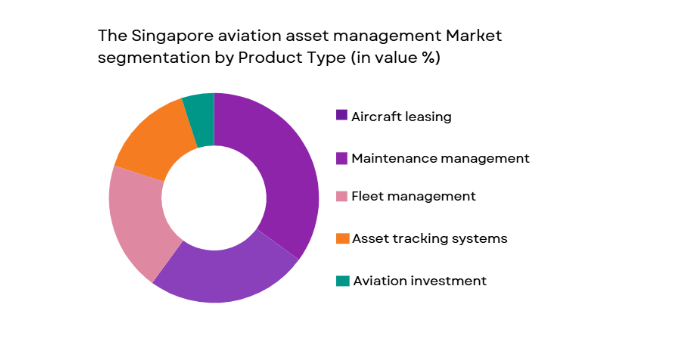
Singapore aviation asset management market is segmented by product type into aircraft leasing, maintenance management systems, fleet management, asset tracking systems, and aviation investment management. Recently, aircraft leasing has a dominant market share due to factors such as strong demand for leased aircraft, particularly in Southeast Asia, and the significant presence of international leasing firms. Aircraft leasing offers airlines flexibility in fleet expansion and cost management, making it a favored option. Additionally, the growing trend of low-cost carriers and emerging markets has contributed to the growth of aircraft leasing, further solidifying its dominant position in the market.
By Platform Type
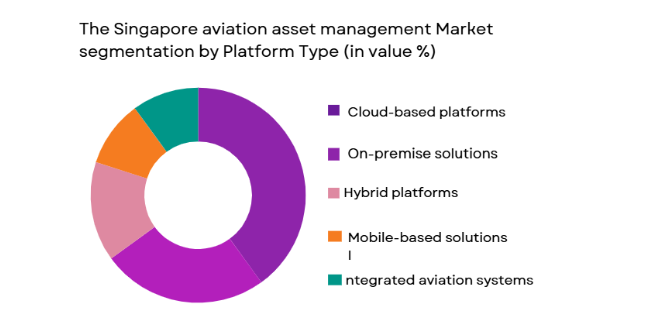
Singapore aviation asset management market is segmented by platform type into cloud-based platforms, on-premise solutions, hybrid platforms, mobile-based solutions, and integrated aviation systems. Recently, cloud-based platforms have a dominant market share due to the advantages they offer in terms of scalability, flexibility, and ease of access across different regions. Cloud solutions enable real-time data sharing and collaboration, making them a popular choice among airlines, lessors, and asset managers who need to track and manage assets efficiently. The increasing adoption of cloud solutions in aviation asset management is driven by the rise in digital transformation and cost-effective technology.
Competitive Landscape
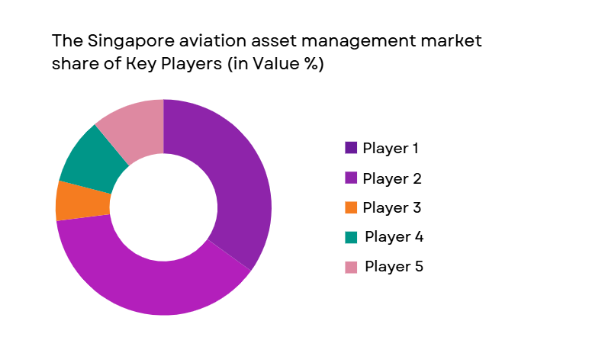
The Singapore aviation asset management market is highly competitive, with a mix of global and regional players vying for market share. Major players in this market focus on providing advanced technology solutions, including AI-driven asset management, fleet optimization software, and blockchain for asset tracking. Strategic partnerships, technological innovations, and market expansion are key factors driving consolidation in this space. Companies with global reach, coupled with strong brand presence, are better positioned to maintain leadership, as they continue to innovate and expand their service offerings.
| Company Name | Establishment Year | Headquarters | Technology Focus | Market Reach | Key Products | Revenue | Additional Parameter |
| Airbus | 1970 | Toulouse, France | ~ | ~ | ~ | ~ | ~ |
| Boeing | 1916 | Chicago, USA | ~ | ~ | ~ | ~ | ~ |
| Singapore Airlines | 1947 | Singapore | ~ | ~ | ~ | ~ | ~ |
| Rolls-Royce | 1904 | London, UK | ~ | ~ | ~ | ~ | ~ |
| GE Aviation | 1917 | Cincinnati, USA | ~ | ~ | ~ | ~ | ~ |
Singapore Aviation Asset Management Market Analysis
Growth Drivers
Increased demand for aircraft leasing
Aircraft leasing has become a crucial segment in the aviation industry, primarily driven by airlines’ need for fleet flexibility and the cost-effectiveness it offers. Leasing allows airlines to expand their fleets without committing to the large capital expenditures required for purchasing aircraft outright. As global air traffic continues to rise, more airlines are seeking to reduce upfront capital costs and invest in more efficient and technologically advanced aircraft. The trend is particularly strong in Southeast Asia, where the demand for air travel is growing rapidly, leading to higher demand for aircraft leasing services. Moreover, with the advent of low-cost carriers, leasing has become an essential part of the aviation business model. The growing airline fleets in this region are expected to continue driving the demand for aircraft leasing in the coming years. Furthermore, emerging markets in Asia Pacific are fueling this growth, with significant investments being made to expand airport infrastructure and meet the increasing air travel demands of the middle class. Consequently, leasing companies are increasing their operations in the region, focusing on offering competitive lease rates and flexible terms to capture market share. As the aviation industry continues its recovery from recent global disruptions, aircraft leasing will remain a pivotal driver of growth in aviation asset management.
Technological advancements in asset management
Technological innovation has played a pivotal role in the growth of the aviation asset management market. The integration of advanced technologies like cloud computing, AI, machine learning, and IoT into asset management platforms has significantly enhanced the operational efficiency of airlines, lessors, and MRO service providers. These technologies enable real-time asset tracking, predictive maintenance, and improved decision-making through data analytics. By leveraging AI and machine learning algorithms, airlines and asset managers can predict the lifespan of components, optimize fleet utilization, and reduce operational costs. Cloud-based solutions, in particular, are transforming how asset data is stored and accessed, allowing for seamless collaboration across borders and improving the accuracy and reliability of asset management processes. These technological advancements are expected to drive further adoption of digital platforms, making them an essential part of the aviation asset management strategy. As technology continues to evolve, the integration of new features such as blockchain for transparent asset transactions and enhanced cybersecurity will become key differentiators for leading companies in this market. Consequently, technological advancements are expected to remain a significant driver for growth in the aviation asset management industry.
Market Challenges
Regulatory compliance challenges
The aviation asset management market faces significant regulatory challenges that hinder market growth. Governments around the world impose stringent regulations related to asset management, especially concerning safety, environmental impact, and financing. These regulations vary by country, and companies operating globally must navigate a complex web of legal frameworks to ensure compliance. In Singapore, the regulatory environment is rigorous, with authorities such as the Civil Aviation Authority of Singapore (CAAS) enforcing strict standards for aircraft maintenance, safety, and environmental impact. Additionally, aviation asset managers are required to comply with international regulations set by the International Civil Aviation Organization (ICAO) and the International Air Transport Association (IATA). Adherence to these regulations is vital to avoid penalties, legal risks, and potential damage to a company’s reputation. Furthermore, the constant evolution of regulatory frameworks, especially regarding environmental sustainability and carbon emissions, adds an additional layer of complexity for aviation asset managers. While regulations are necessary for safety and operational efficiency, they can impose significant costs and operational constraints, making compliance a major challenge in the market.
Fluctuating fuel prices and operational costs
One of the key challenges facing the aviation asset management market is the volatility in fuel prices and operational costs. Fuel is a major cost component for airlines, and fluctuations in global oil prices can significantly impact airline profitability and their ability to manage fleet assets effectively. The aviation industry has witnessed significant price swings in recent years due to geopolitical tensions, natural disasters, and supply chain disruptions, which have led to increased fuel costs. This volatility directly affects the ability of airlines to forecast and manage their operating expenses, complicating asset management and financial planning. In response to rising operational costs, airlines are increasingly seeking to optimize their fleet and asset management practices to reduce fuel consumption and operating expenses. This includes investing in more fuel-efficient aircraft, adopting green technologies, and exploring alternative fuel sources. However, these strategies require significant upfront capital investment, which may not be feasible for all players, particularly in the face of unpredictable fuel price movements. As a result, fluctuating fuel prices remain a persistent challenge for aviation asset management professionals, requiring them to develop flexible and adaptive strategies to maintain operational efficiency.
Opportunities
Integration of AI and machine learning for predictive maintenance
One of the key opportunities in the aviation asset management market is the integration of artificial intelligence (AI) and machine learning (ML) to enhance predictive maintenance capabilities. With the advent of advanced data analytics and IoT-based solutions, asset managers now have access to large volumes of data generated by aircraft and engine sensors. This data can be leveraged using AI algorithms to predict the failure of critical components before they actually fail, allowing airlines and asset managers to schedule maintenance in advance and avoid costly unscheduled downtimes. Predictive maintenance helps improve fleet availability, reduce maintenance costs, and extend the life of aircraft assets. By using AI and ML, airlines can also optimize their asset management strategies by improving the accuracy of flight schedules and optimizing the deployment of aircraft based on operational needs. The adoption of predictive maintenance is expected to grow in the coming years as the technology becomes more advanced, cost-effective, and widely available. Additionally, AI can be used to automate several aspects of asset management, streamlining workflows and increasing efficiency. As airlines continue to seek ways to improve their operational efficiency, predictive maintenance will play a crucial role in shaping the future of aviation asset management.
Expansion into emerging markets
The growth of the aviation asset management market in emerging markets, particularly in Asia Pacific, presents significant opportunities for expansion. With rising disposable incomes, increasing middle-class populations, and urbanization, many countries in this region are seeing a surge in air travel demand. This growth is driving the need for more aircraft and aviation infrastructure, creating opportunities for aviation asset management companies to expand their services. As airlines in these markets grow, they require more sophisticated asset management solutions to maintain and optimize their expanding fleets. This is especially true in countries like China, India, and Indonesia, where aviation is seen as a key driver of economic development. Furthermore, governments in these regions are investing heavily in infrastructure development, such as new airports and air traffic control systems, which will further boost the demand for aviation asset management solutions. By entering these high-growth markets, aviation asset managers can capitalize on the expanding demand for efficient fleet management and operational optimization services. The focus on sustainability and reducing the environmental impact of aviation is also creating opportunities for asset managers to offer green technologies and solutions tailored to the needs of emerging market players.
Future Outlook
Over the next five years, the Singapore aviation asset management market is expected to witness steady growth, driven by increasing demand for aircraft leasing, technological advancements, and the expansion of air travel in emerging markets. Continued investments in fleet optimization technologies and the integration of AI for predictive maintenance will enhance operational efficiency across the aviation industry. Regulatory support for sustainability and the growing focus on cost-effective, flexible asset management solutions will further fuel growth. As the market continues to evolve, new opportunities will emerge for players to offer innovative solutions that cater to the needs of airlines and asset managers in an increasingly competitive landscape.
Major Players
- Airbus
- Boeing
- Singapore Airlines
- Rolls-Royce
- GE Aviation
- Aercap
- AvAir
- Air Lease Corporation
- Babcock International Group
- Willis Lease Finance Corporation
- AerData
- Aviation Capital Group
- ICBC Leasing
- SMBC Aviation Capital
- Aircastle
Key Target Audience
- Airline
- Aircraft leasing companies
- Private jet operators
- MRO providers
- Aircraft manufacturers
- Fleet management firms
- Investment firms
- Government and regulatory bodies
Research Methodology
Step 1: Identification of Key Variables
The first step involves identifying key variables such as market trends, growth drivers, challenges, and technological advancements that affect the aviation asset management market.
Step 2: Market Analysis and Construction
This step focuses on analyzing market data, trends, and the competitive landscape to construct a detailed market model and estimate market size.
Step 3: Hypothesis Validation and Expert Consultation
Expert consultations and market hypothesis testing are conducted to validate initial assumptions and ensure the accuracy of the market model.
Step 4: Research Synthesis and Final Output
In this final step, the research findings are synthesized into a comprehensive market report, highlighting insights, trends, and forecasts.

- Executive Summary
- Research Methodology (Definitions, Scope, Industry Assumptions, Market Sizing Approach, Primary & Secondary Research Framework, Data Collection & Verification Protocol, Analytic Models & Forecast Methodology, Limitations & Research Validity Checks)

- Market Definition and Scope
- Value Chain & Stakeholder Ecosystem
- Regulatory / Certification Landscape
- Sector Dynamics Affecting Demand
- Strategic Initiatives & Infrastructure Growth

- Growth Drivers
Increased demand for aircraft leasing
Expansion of low-cost carriers
Technological advancements in asset tracking
Increase in global air travel
Growth of aviation investment funds - Market Challenges
Regulatory and certification complexities
Data security concerns
High maintenance and operational costs
Fluctuating fuel prices
Environmental regulations affecting asset management - Market Opportunities
Integration of AI in asset management
Emerging markets for aviation leasing
Rise in private aviation demand - Trends
Digitization of aviation asset management
Shift toward cloud-based solutions
Use of AI and machine learning for predictive analytics
Growth in sustainable aviation finance
Increasing investment in aviation startups - Government Regulations & Defense Policy
International aviation regulations
National safety standards
Emission reduction policies - SWOT Analysis
- Stakeholder and Ecosystem Analysis
- Porter’s Five Forces Analysis
- Competition Intensity and Ecosystem Mapping

- By Market Value, 2020-2025
- By Installed Units, 2020-2025
- By Average System Price, 2020-2025
- By System Complexity Tier, 2020-2025

- By System Type (In Value%)
Aircraft leasing
Maintenance management systems
Fleet management
Asset tracking systems
Aviation investment management - By Platform Type (In Value%)
Cloud-based platforms
On-premise solutions
Hybrid platforms
Mobile-based solutions
Integrated aviation systems - By Fitment Type (In Value%)
New installations
Retrofit solutions
Maintenance upgrades
Software-as-a-Service (SaaS)
Full-system integration - By EndUser Segment (In Value%)
Commercial airlines
Private jet operators
Aircraft leasing companies
MRO (Maintenance, Repair, and Overhaul) providers
Financial institutions - By Procurement Channel (In Value%)
Direct purchase from manufacturers
Third-party resellers
Online platforms
Leasing and subscription services
Government contracts - By Material / Technology (in Value%)
AI-powered analytics
Blockchain for asset tracking
IoT-based solutions
Cloud computing technology
Big data analytics

- Market structure and competitive positioning
Market share snapshot of major players - Cross Comparison Parameters (Revenue, Market Share, Innovation, Customer Reach, Service Offerings, Geographic Presence, Product Portfolio, Cost Efficiency, Technological Integration, Sustainability Initiatives)
- SWOT Analysis of Key Players
- Pricing & Procurement Analysis
- Key Players
Airbus
Boeing
Singapore Airlines
GE Aviation
Rolls-Royce
Boeing Capital Corporation
AvAir
SMBC Aviation Capital
Air Lease Corporation
Aercap
Babcock International Group
Willis Lease Finance Corporation
AerData
Aviation Capital Group
ICBC Leasing

- Rising adoption of leasing models in commercial aviation
- Increased interest from private operators in fleet optimization
- Growing demand from financial institutions for asset-backed securities
- Focus on sustainability by MRO providers

- Forecast Market Value, 2026-2035
- Forecast Installed Units, 2026-2035
- Price Forecast by System Tier, 2026-2035
- Future Demand by Platform, 2026-2035


 Request a Sample
 Ask for Customization
 Get a Quote
 Enquire Now