
 Download PDF
 Download PDF
Market Overview
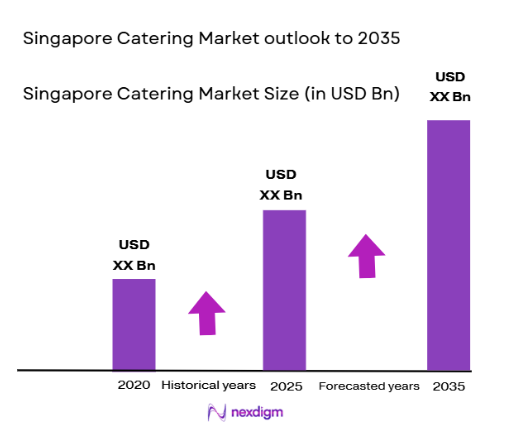
The Singapore Catering Market is valued at approximately USD ~ billion in 2024, driven by an increase in demand for catering services across various segments such as corporate, event, and institutional catering. The growth is mainly fueled by the booming corporate sector and an expanding middle class with higher disposable income. Additionally, the rise in demand for convenience and time-saving food options is a significant factor that is driving market growth. Government initiatives that promote local food industries also support the growth trajectory of the market.
Cities like Singapore, known for their dynamic economy and high corporate presence, are the leading drivers of the market. These regions benefit from a well-developed infrastructure, with a significant number of multinational corporations requiring large-scale catering services. Additionally, the growth of the hospitality and tourism sectors in Singapore has spurred demand for catering at events, conventions, and weddings. Factors such as international trade events and a strong tourism sector contribute significantly to Singapore’s dominance in the market.
Market Segmentation
By Product Type:
Singapore Catering Market is segmented by product type into corporate catering, event catering, institutional catering, outdoor catering, and in-house catering. Recently, corporate catering has a dominant market share due to the increasing number of corporate offices and the rising demand for catered meals during corporate events and meetings. The strong corporate presence in Singapore drives this segment, with businesses opting for more cost-effective and convenient catering options. The growing trend of corporate wellness and health-conscious catering also boosts the demand for nutritious and customizable meals.

By Platform Type:
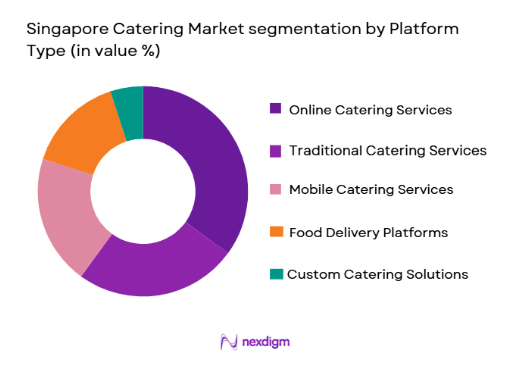
Singapore Catering Market is segmented by platform type into online catering services, traditional catering services, mobile catering services, food delivery platforms, and custom catering solutions. Online catering services have gained a significant market share due to the increasing use of digital platforms for catering bookings. The rise of e-commerce and food delivery services has made it easier for customers to book catering services for events and meetings. The growth of mobile catering services has also contributed to the shift towards more flexible and on-demand catering solutions.
Competitive Landscape
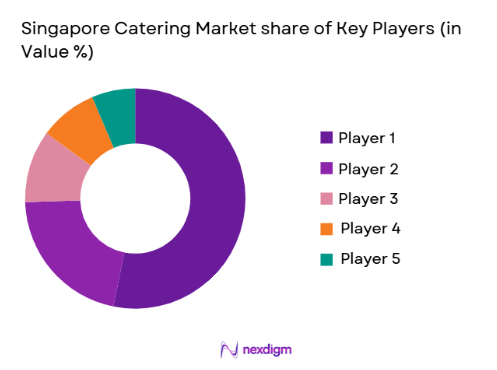
The competitive landscape of the Singapore Catering Market is characterized by the presence of both local and international players offering a range of catering services. The market is highly fragmented, with several small to medium-sized businesses competing on quality, customer service, and pricing. Major players are focusing on consolidating their market share through partnerships and technological advancements in order management systems and food delivery platforms. The market is also witnessing increased competition due to the growing trend of online ordering and custom catering services.
| Company Name | Establishment Year | Headquarters | Technology Focus | Market Reach | Key Products | Revenue (USD) | Market-specific Parameter |
| SATS Catering | 2000 | Singapore | ~ | ~ | ~ | ~ | ~ |
| Recipe Unlimited | 1995 | Singapore | ~ | ~ | ~ | ~ | ~ |
| The Soup Spoon | 1996 | Singapore | ~ | ~ | ~ | ~ | ~ |
| Blue Diamond Catering | 2005 | Singapore | ~ | ~ | ~ | ~ | ~ |
| Tiffin’s Catering | 2003 | Singapore | ~ | ~ | ~ | ~ | ~ |
Singapore Catering Market Analysis
Growth Drivers
Increase in Corporate Events:
The rise in corporate events and business meetings is a key driver for growth in the Singapore catering market. With a thriving corporate culture, Singapore hosts a large number of multinational corporations, conferences, and trade shows, all of which require catering services. Corporate catering is increasingly being viewed as an essential part of any professional event, offering businesses a convenient and cost-effective solution for their food service needs. The demand for healthy and specialized catering options, like vegetarian or gluten-free menus, is rising in corporate settings as companies become more health-conscious. This trend also aligns with wellness programs offered by companies to ensure the well-being of employees and guests. Additionally, the flexibility of corporate catering, allowing for both small meetings and large conferences, makes it a lucrative segment within the catering market.
Increasing Disposable Income and Urbanization:
Another significant growth driver for the Singapore catering market is the rise in disposable income, which has resulted in an increasing demand for high-quality catering services across different segments. As Singapore’s population becomes wealthier, there is a greater appetite for premium catering services, particularly for events and weddings. Additionally, urbanization has led to a surge in demand for catering services, as busy professionals prefer outsourcing meal preparation rather than cooking at home. The growing middle-class population also contributes to the increasing preference for on-demand catering services, such as online food delivery platforms. Consumers are more willing to pay for convenience, and catering services provide the perfect solution for busy city dwellers looking for both convenience and quality.
Market Challenges
Rising Food Costs and Supply Chain Issues:
One of the biggest challenges faced by the Singapore catering market is the rising cost of raw materials, particularly fresh produce and high-quality ingredients. Global supply chain disruptions, aggravated by factors such as the COVID-19 pandemic, have led to volatility in the cost of food supplies. These rising costs put pressure on catering companies to increase their prices, which may deter some customers, especially small businesses or individuals organizing private events with limited budgets. Additionally, fluctuations in the cost of transportation and logistics have further compounded the problem, as catering companies rely on timely and efficient supply chain management to deliver fresh meals.
Regulatory Compliance and Licensing Issues:
Another challenge faced by the catering market in Singapore is the complex regulatory environment and strict licensing requirements. Catering companies must adhere to numerous regulations related to food safety, health standards, and environmental sustainability. Compliance with these regulations often requires additional investments in staff training, equipment, and certifications. The process of obtaining licenses and certifications can be time-consuming and costly, particularly for small and medium-sized catering businesses. Furthermore, the introduction of new regulations can create additional compliance challenges for businesses, making it harder to stay competitive in a fast-evolving market.
Opportunities
Emerging Demand for Sustainable and Eco-Friendly Catering Solutions:
As consumers become more environmentally conscious, there is a growing demand for sustainable and eco-friendly catering solutions. Catering companies that adopt green practices such as using biodegradable packaging, sourcing locally produced ingredients, and minimizing food waste are likely to attract a loyal customer base. Additionally, the rise in eco-conscious events and corporate sustainability initiatives has encouraged businesses to seek catering partners who align with their environmental goals. The Singapore government’s push for sustainability in various sectors also presents opportunities for catering companies that integrate sustainable practices into their operations. This shift towards eco-friendly solutions is expected to fuel the growth of the catering market in the coming years.
Expanding Demand for Mobile Catering Services:
The increasing popularity of mobile catering services is another major opportunity in the Singapore catering market. Mobile catering allows for flexibility, as food can be served at various events and locations, including outdoor festivals, weddings, and corporate events. The convenience of mobile catering, combined with the ability to offer a variety of cuisines, makes it an attractive option for both event organizers and individual customers. The growth of food trucks and pop-up dining events also presents opportunities for catering businesses to tap into new customer segments. The mobile catering market is expected to continue expanding as consumer preferences for unique and on-the-go dining experiences increase.
Future Outlook
The Singapore catering market is poised for steady growth over the next five years, driven by increasing corporate events, urbanization, and rising disposable income. Technological advancements in catering management, such as cloud-based systems and online ordering platforms, are expected to streamline operations and enhance customer experience. Additionally, the focus on sustainability and eco-friendly practices will shape the market’s future, with more businesses adopting green catering solutions. Regulatory support for the food and beverage industry will also continue to drive growth, ensuring the availability of safe and high-quality services.
Major Players
- SATS Catering
- Recipe Unlimited
- The Soup Spoon
- Blue Diamond Catering
- Tiffin’s Catering
- Gourmet Partner
- Catered Affairs
- Savoury Chef Foods
- Creative Catering Solutions
- Selina’s Catering
- Culinary Affairs
- Commissary Catering Services
- The Catering Co.
- Sushi Express
- Tiffin & Co.
Key Target Audience
- Investments and venture capitalist firms
- Government and regulatory bodies
- Corporate event organizers
- Hospitality and tourism service providers
- Large-scale catering service providers
- Food delivery platforms
- Private catering clients
- Multinational corporations
Research Methodology
Step 1: Identification of Key Variables
The key variables influencing the catering market are identified, including customer preferences, industry trends, and regulatory changes. This involves examining historical data, market reports, and primary research sources.
Step 2: Market Analysis and Construction
A comprehensive market analysis is conducted, focusing on market size, growth drivers, challenges, and opportunities. Segmentation analysis is also performed to assess market dynamics across different product and service categories.
Step 3: Hypothesis Validation and Expert Consultation
Hypotheses regarding market growth and trends are validated through expert consultations with industry professionals, market analysts, and business executives. This step ensures that the report is based on reliable insights.
Step 4: Research Synthesis and Final Output
The research is synthesized, and a final report is compiled, incorporating all findings and analysis. The report is presented with actionable insights and forecasts based on rigorous research methodology.

- Executive Summary
- Research Methodology ((Definitions, Scope, Industry Assumptions, Market Sizing Approach, Primary & Secondary Research Framework, Data Collection & Verification Protocol, Analytic Models & Forecast Methodology, Limitations & Research Validity Checks)

- Market Definition and Scope
- Value Chain & Stakeholder Ecosystem
- Regulatory / Certification Landscape
- Sector Dynamics Affecting Demand
- Strategic Initiatives & Infrastructure Growth

- Growth Drivers
Rising Demand for Corporate Catering Services
Increase in Outdoor and Event Catering Trends
Rising Disposable Income and Changing Lifestyles
Growing Demand for Health-conscious Catering Options
Technological Advancements in Catering Management - Market Challenges
Rising Food Prices and Supply Chain Disruptions
Intense Competition Among Catering Service Providers
Limited Awareness About Sustainable Catering Practices
Regulatory Compliance and Licensing Challenges
Seasonal Demand Variations in Catering Services - Market Opportunities
Increasing Demand for Sustainable and Eco-friendly Catering
Expansion in Corporate Event Catering Services
Emerging Demand for Customizable Catering Solutions - Trends
Growth in Demand for Healthy and Organic Catering
Increased Use of Online Platforms for Catering Bookings
Rising Popularity of Mobile Catering Services - Government Regulations & Defense Policy
Strict Food Safety Regulations
Government Support for Sustainable Practices in Catering
Tax Incentives for Local Catering Service Providers - SWOT Analysis
- Stakeholder and Ecosystem Analysis
- Porter’s Five Forces Analysis
- Competition Intensity and Ecosystem Mapping

- By Market Value, 2020-2025
- By Installed Units, 2020-2025
- By Average System Price, 2020-2025
- By System Complexity Tier, 2020-2025

- By System Type (In Value%)
Corporate Catering
Event Catering
Institutional Catering
Outdoor Catering
In-house Catering - By Platform Type (In Value%)
Online Catering Services
Traditional Catering Services
Mobile Catering Services
Food Delivery Platforms
Custom Catering Solutions - By Fitment Type (In Value%)
Prepared Meals
Buffet Style Services
Plated Service Catering
Cooked-to-order
Pre-packaged Meals - By EndUser Segment (In Value%)
Corporate Offices
Event Organizers
Educational Institutions
Healthcare Institutions
Private Consumers - By Procurement Channel (In Value%)
Direct Procurement
Online Marketplaces
Catering Contractors
Third-party Distributors
Local Catering Associations - By Material / Technology (in Value%)
Eco-friendly Packaging
Advanced Catering Equipment
Automation and Robotics in Catering
Cloud-based Catering Management
Food Preservation Technology

- Market structure and competitive positioning
- Market share snapshot of major players
- CrossComparison Parameters (Service Type, Pricing Model, Customer Satisfaction, Delivery Time, Service Coverage, Market Reach, Innovation, Technological Integration, Service Customization, Sustainability Practices)
- SWOT Analysis of Key Players
- Pricing & Procurement Analysis
- Key Players
SATS Catering
Recipe Unlimited
EATS Catering
The Soup Spoon
Sushi Express
Blue Diamond Catering
Tiffin’s Catering
Commissary Catering Services
The Catering Co.
Gourmet Partner
Savoury Chef Foods
Creative Catering Solutions
Selina’s Catering
Catered Affairs
Culinary Affairs

- Corporate Offices’ Increasing Demand for On-site Catering
- Event Organizers Seeking Unique Catering Solutions
- Educational Institutions Looking for Healthy and Cost-effective Meals
- Healthcare Institutions Investing in Specialized Catering Services

- Forecast Market Value, 2026-2035
- Forecast Installed Units, 2026-2035
- Price Forecast by System Tier, 2026-2035
- Future Demand by Platform, 2026-2035


 Request a Sample
 Ask for Customization
 Get a Quote
 Enquire Now